After a hysterectomy, your ovaries remain, but assessing their function is essential. Key questions to ask include: How is my ovarian reserve currently looking through AMH testing and antral follicle count scans? Did the hysterectomy affect blood supply to the ovaries in any way? You should also ask whether your age or medical history might influence egg retrieval protocols and embryo quality. In India, surrogacy procedures follow clear legal and clinical protocols, so discuss the anticipated IVF timeline alongside regulatory prerequisites. Every woman’s ovarian response is unique, so please consult your fertility specialist for a thorough, personalized evaluation.
For more, read What Is Surrogacy Surrogates Parents And Egg Donors; consult Dr. Sushmita Mukherjee; reference: NIH / NICHD.

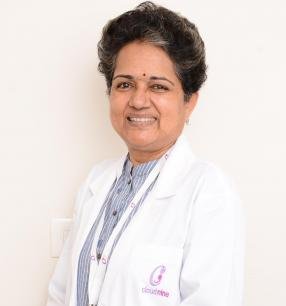
Planning for surrogacy after a hysterectomy begins with evaluating your baseline ovarian reserve. Important questions to discuss with your fertility specialist include: What stimulation protocol best suits my current hormone levels? How will we monitor egg maturity during the retrieval cycle? Would preimplantation genetic testing (PGT-A) be recommended to check embryo viability before transferring to a surrogate? It is also wise to ask about potential risks of diminished ovarian reserve following pelvic surgery. Because individual responses vary, I strongly advise having an in-depth clinical consultation with your reproductive endocrinologist to tailor a treatment roadmap to your specific medical background.
For more, read What Is Surrogacy Surrogates Parents And Egg Donors; consult Dr. Reeta Biliangady; reference: NIH / NICHD.

When preparing for gestational surrogacy after a hysterectomy, understanding your biological egg reserve is the primary step. We recommend asking your fertility team: What do my baseline blood tests (AMH, FSH, estradiol) and transvaginal ultrasound reveal about my follicular health? Is ovarian access feasible and safe for transvaginal egg retrieval post-surgery? What lifestyle adjustments or supplements might support optimal egg health before starting ovarian stimulation? Because the Surrogacy (Regulation) Act in India mandates specific medical guidelines, ensure you clarify both clinical and legal steps. Please consult an IVF specialist for individualized guidance based on your surgical history.
For more, read What Is Surrogacy Surrogates Parents And Egg Donors; consult Hari Hospital And IVF Centre; reference: NIH / NICHD.

A hysterectomy does not automatically compromise egg quality, but your age and ovarian health play pivotal roles. When consulting your doctor, consider asking: How does my age affect the anticipated blastocyst conversion rate? Are there specific protocols, such as mild stimulation or ICSI, that could optimize our fertilization outcomes? How will we assess egg morphological quality once retrieved? Additionally, ask how your overall health and surgical recovery timeline impact the stimulation phase. Navigating surrogacy can feel overwhelming, so open communication with your fertility doctor is crucial for setting realistic expectations and planning your family-building journey safely.
For more, read What Is Surrogacy Surrogates Parents And Egg Donors; consult Dr. Shweta Goswami; reference: NIH / NICHD.

Exploring surrogacy after a hysterectomy requires a clear picture of your ovarian function. Key questions to present to your fertility specialist include: Has my ovarian reserve changed since the surgery, and what does my transvaginal scan indicate about ovarian positioning? What are the chances of obtaining good-quality blastocysts for embryo transfer? Are complementary therapies or dietary changes advisable prior to ovarian stimulation? It is also helpful to ask how the clinic’s embryology laboratory supports delicate egg handling and culture. We encourage you to consult your fertility clinician for personalized diagnostic testing and tailored medical care.
For more, read What Is Surrogacy Surrogates Parents And Egg Donors; consult Siddhi Life; reference: NIH / NICHD.
Your insights help others make informed choices. Don’t hesitate to share!
Which option do you think is more emotionally fulfilling?

20 August 2026