Before proceeding with donor matching, a clear evaluation of both partners helps guide the treatment path under Indian ART protocols. For the female partner, ovarian reserve is typically assessed using an Anti-Müllerian Hormone (AMH) blood test, early follicular phase hormones (Day 2 or 3 FSH and Estradiol), and a transvaginal pelvic ultrasound to count antral follicles (AFC).
For the male partner, a standard semen analysis is required to evaluate sperm concentration, progressive motility, morphology, and volume, alongside mandatory viral screening. We understand that this process can feel overwhelming, so we encourage you to consult your fertility specialist to discuss these initial steps and receive personalized care.
For more, read What Is Surrogacy Surrogates Parents And Egg Donors; consult Dr Padmaja Fertility Centre; reference: NIH / NICHD.


Initial fertility assessments provide essential baseline information before initiating donor gamete matching. The intended mother typically completes ovarian reserve testing, which includes serum AMH levels and a pelvic sonogram for Antral Follicle Count (AFC), often accompanied by Day 2 or 3 FSH and LH profiles. These tests establish ovarian response potential and document medical indications in line with Indian regulations.
The intended father undergoes a comprehensive semen analysis checking sperm count, motility, and normal forms, along with routine infectious disease screenings. Because every clinical situation is distinct, please consult your fertility doctor for specific recommendations tailored to your medical history.
For more, read What Is Surrogacy Surrogates Parents And Egg Donors; consult Dr. Anupam Goel; reference: NIH / NICHD.

Prior to matching with an egg or sperm donor, intended parents must complete basic diagnostic workups to ensure safety and clinical suitability. Ovarian reserve testing for the female partner involves measuring serum Anti-Müllerian Hormone (AMH) and performing a transvaginal ultrasound to assess the Antral Follicle Count (AFC) and baseline pelvic health.
The male partner completes a semen analysis assessing total count, motility, vitality, and strict morphology, in addition to standard viral markers. These evaluations ensure full compliance with reproductive guidelines in India. We advise consulting your fertility physician to review which specific investigations are necessary for your unique circumstances.
For more, read What Is Surrogacy Surrogates Parents And Egg Donors; consult Apollo Fertility Centre - Anna Nagar; reference: NIH / NICHD.
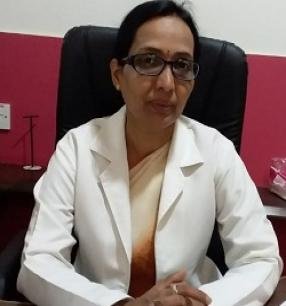
Embarking on a donor cycle involves careful preliminary evaluation of both intended parents. To assess ovarian reserve, the female partner undergoes an AMH blood test, baseline hormonal assays (FSH and Estradiol), and a transvaginal scan for Antral Follicle Count (AFC). This helps determine ovarian biology and treatment requirements.
For the male partner, a basic semen analysis is performed to evaluate sperm density, motility, and structural morphology, along with standard infectious disease screening. These initial tests help design a safe and supportive treatment plan. Please consult your fertility specialist to interpret your results and guide you through the next steps.
For more, read What Is Surrogacy Surrogates Parents And Egg Donors; consult Dr. Leelaashree G; reference: NIH / NICHD.

Before initiating the donor matching process, standard fertility assessments help clinicians tailor the treatment protocol effectively. Female ovarian reserve is evaluated through an AMH test, day 2/3 hormone levels, and an ultrasound to check the Antral Follicle Count (AFC).
For the male partner, a routine semen analysis evaluates parameters such as sperm concentration, active motility, volume, and morphology, alongside essential serological screenings mandated by ART guidelines. Navigating donor treatments requires clarity and support, so we recommend consulting your fertility doctor to discuss your individual diagnostic requirements and treatment timeline.
For more, read What Is Surrogacy Surrogates Parents And Egg Donors; consult Orrchid The Fertility Centre; reference: NIH / NICHD.
Your insights help others make informed choices. Don’t hesitate to share!
Which option do you think is more emotionally fulfilling?

16 August 2026