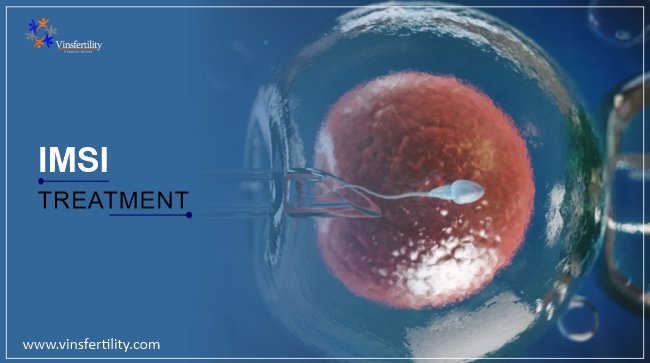
IMSI Treatment
Key Takeaways
- Only altruistic surrogacy is legal in India under the Surrogacy (Regulation) Act, 2021 — commercial arrangements are prohibited.
- Care is delivered through ICMR/ART-registered clinics and NABL-accredited laboratories, with every eligibility and essentiality certificate handled for you.
- Every recommendation on this page is reviewed by a named, credentialed fertility specialist — not an anonymous editor.
- No ethical clinic can guarantee a pregnancy or live birth. We share honest, evidence-based expectations.
What is IMSI?
IMSI, Intracytoplasmic Morphologically Selected Sperm Injection is a technique used along with IVF treatment, to help a couple in conceiving. In IMSI fertility treatment, a single sperm is selected with the help of a high-magnification digital imaging microscope and is morphologically injected into the egg.Why perform IMSI?
The microscope which is used to select the sperm magnifies it by almost 6,000 times. This enables the doctor to determine the structure of the sperm and eliminate the sperm that exhibits abnormalities, which is not possible in ICSI treatment. It is for men who have a large number of abnormal sperm and failed IVF with ICSI treatments in the past. IMSI IVF is a new and advanced technique, which increases the possibility of fertilization and normal embryo development.Why is IMSI IVF treatment done?
There are certain reasons why your doctor might recommend you to get IMSI treatment done. They are-- The quantity of sperm in the semen sample is very low.
- The proportion of abnormally shaped sperm is very high.
- Sperm have poor motility.
- Sperm has recovered via surgery.
- Have a history of failed ICSI IVF attempts.
- Semen has a high level of DNA fragmentation
- The age of the male is more than 40 years.
- The couple has had multiple miscarriages and abortions in the past.
How is IMSI performed?
IMSI Procedure-- Semen Sample Collection and Preparation
- Sperm Selection
- Egg Selection
- Sperm Injection
- Embryo Transfer
What are the risks involved in IMSI treatment?
IMSI is prone to the same risks, as ICSI. they are as follows-- A male child born with the help of Intracytoplasmic Morphologically Selected Sperm Injection (IMSI) is more prone to fertility issues in the future. This happens due to the passing of infertility genetics from the father to the baby.
- There are up to 3% chances of a major birth defect in an IMSI baby. They are- Beckwith-Wiedemann syndrome, Angelman syndrome, sex chromosome abnormalities, and hypospadias.
- Some fertilized eggs (<2%) do not grow into healthy embryos. This is because they might get damaged during the IMSI procedure as it is more invasive and requires more work as compared to a standard IVF procedure.
- To increase the chances of achieving pregnancy, multiple embryos are implanted inside the uterus of the woman, so that at least one embryo can develop properly. However, this increases the chances of multiple pregnancies.
- Multiple pregnancies can further increase the chances of complications like- early labor, high blood pressure, gestational diabetes, and the need for a c-section.
IMSI treatment cost in India
All the centers in India aim to provide the best IMSI IVF treatment at an economic cost, to ensure that a common man can afford it. The cost of ART technique- IVF increases when advanced fertility treatments like IMSI are added. The average cost of IMSI IVF treatment in India is between 1,80,000 to 2,50,0000 INR. The cost of IMSI treatment is approximately 30,000 to 40,000 INR more than ICSI treatment, as it allows the fertility doctor to choose the best sperm with no abnormalities to inject into the female partner, which increases the success rate of conception.The success rate of IMSI treatment in India
The success rate of IMSI treatment in India is high as compared to other developed countries. Here the success rate of IMSI treatment is around 70 to 80%. This is the reason why India has people coming from all over the world to get their infertility treatments done every year. Top Related Searches IMSI treatment in Delhi top 5 best IMSI centres in Delhi
⚕️ Medical disclaimer. This article is for educational purposes only and is not a substitute for professional medical advice, diagnosis, or treatment. Fertility outcomes depend on individual medical circumstances. Always consult a qualified fertility specialist about your specific situation. In India, only altruistic surrogacy is legal under the Surrogacy (Regulation) Act, 2021.
Sources & References
- The Surrogacy (Regulation) Act, 2021 — Government of India
- Indian Council of Medical Research (ICMR) — National ART & Surrogacy Registry
- NABL — National Accreditation Board for Testing and Calibration Laboratories
- World Health Organization (WHO) — Infertility clinical guidance
- PubMed — Peer-reviewed fertility research (NIH/NLM)
All external sources link to primary government, medical, or peer-reviewed material. This article is reviewed by a qualified fertility specialist and updated as clinical guidance changes.
🏥
ICMR / ART registeredPartner clinics
🔬
NABL accreditedLaboratories
⚖️
Act 2021 compliantAltruistic only
⭐
4.7 / 570+ Google reviews