In surrogacy involving an egg donor, testing safeguards both the developing baby and the surrogate mother. Genetic karyotyping is typically performed on the egg donor and the intended father (or sperm donor) via a blood test to detect balanced chromosomal translocations or structural anomalies that could impact embryo viability. For infectious diseases, rigorous screening is legally and clinically mandated in India. The egg donor, sperm provider, and surrogate undergo tests for HIV 1 and 2, Hepatitis B (HBsAg), Hepatitis C (anti-HCV), and Syphilis (VDRL). The surrogate is also evaluated for conditions like Rubella, CMV, and pelvic infections. Because protocols adapt to specific clinical backgrounds, we always recommend consulting your fertility specialist for a tailored evaluation plan.
For more, read What Is Surrogacy Surrogates Parents And Egg Donors; consult Vamsam Fertility Research Centre; reference: Mayo Clinic.


Combining egg donation with surrogacy requires meticulous evaluation to ensure a safe, healthy pregnancy. Peripheral blood karyotyping evaluates the chromosomes of both biological contributors—the egg donor and the sperm provider—identifying hidden rearrangements that might lead to implantation failure or birth defects. In parallel, standard infectious disease panels protect all individuals involved. These include serology for HIV, Hepatitis B, Hepatitis C, and Syphilis, performed for the donor, biological father, and surrogate mother in accordance with Indian fertility guidelines. Additional screenings, such as Rubella immunity and cytomegalovirus, may also be recommended for the surrogate. Because medical histories differ, discussing exact laboratory protocols with your treating doctor will help clarify what is appropriate for your family-building journey.
For more, read What Is Surrogacy Surrogates Parents And Egg Donors; consult Mohak Hitech Speciality Hospital; reference: Mayo Clinic.

Navigating surrogacy with an egg donor brings hope, and routine screenings are designed to give your future child the safest possible start. Karyotyping is an essential genetic blood test performed on the egg donor and the intended father to rule out chromosomal translocations that could compromise embryo health. Alongside genetic checks, stringent infectious disease screening is mandatory for everyone involved. We test the egg donor, sperm source, and surrogate for HIV, Hepatitis B, Hepatitis C, and Syphilis. The surrogate is also screened for infections like Rubella and CMV to prevent transmission during pregnancy. Every fertility journey is unique, so I always encourage couples to consult their specialist to understand how these tests apply specifically to their medical plan.
For more, read What Is Surrogacy Surrogates Parents And Egg Donors; consult Dr. Shilpa Bhandari; reference: Mayo Clinic.

When building a family through egg donation and surrogacy, thorough screening protects the surrogate mother and baby. Karyotype testing involves analyzing the chromosomal structure of the egg donor and the sperm provider. This detects any structural rearrangements that could otherwise affect embryo development. Infectious disease panels are equally vital and strictly followed under Indian clinical norms. The egg donor, commissioning father, and surrogate are screened for blood-borne and sexually transmitted infections, primarily HIV, Hepatitis B, Hepatitis C, and VDRL for Syphilis. Surrogates also receive testing for exposure to infections like Rubella and other reproductive tract pathogens. Please consult your fertility physician to review the complete diagnostic checklist suited to your specific circumstances.
For more, read What Is Surrogacy Surrogates Parents And Egg Donors; consult Dakshin Women Care Hospital and Fertility Center; reference: Mayo Clinic.
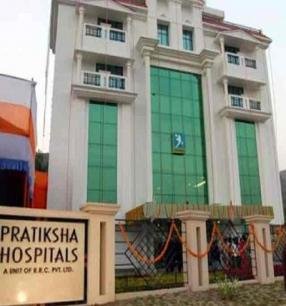
In surrogacy with donor eggs, clinical guidelines prioritize biological compatibility and maternal-fetal safety. Genetic karyotyping looks closely at the chromosomes of the egg donor and the sperm source to identify structural anomalies, helping mitigate risks of recurrent pregnancy loss or congenital disorders. Simultaneously, multi-panel infectious disease screening is carried out for the egg donor, intended father, and surrogate mother. This includes testing for HIV-1 and HIV-2, Hepatitis B, Hepatitis C, and Syphilis. Surrogates also undergo screening for TORCH infections (such as CMV and Toxoplasmosis) and pelvic health. Because protocols must align strictly with Indian medical regulations and individual patient needs, we advise discussing your exact clinical pathway with your fertility consultant.
For more, read What Is Surrogacy Surrogates Parents And Egg Donors; consult Pratiksha Hospitals; reference: Mayo Clinic.
Your insights help others make informed choices. Don’t hesitate to share!
Which option do you think is more emotionally fulfilling?

03 September 2026