IVF Cost in Kochi 2026 | Affordable Packages | Vinsfertility
IVF Cost in Kochi 2026 | Affordable Packages | Vinsfertility
At a Glance: IVF Cost in Kochi
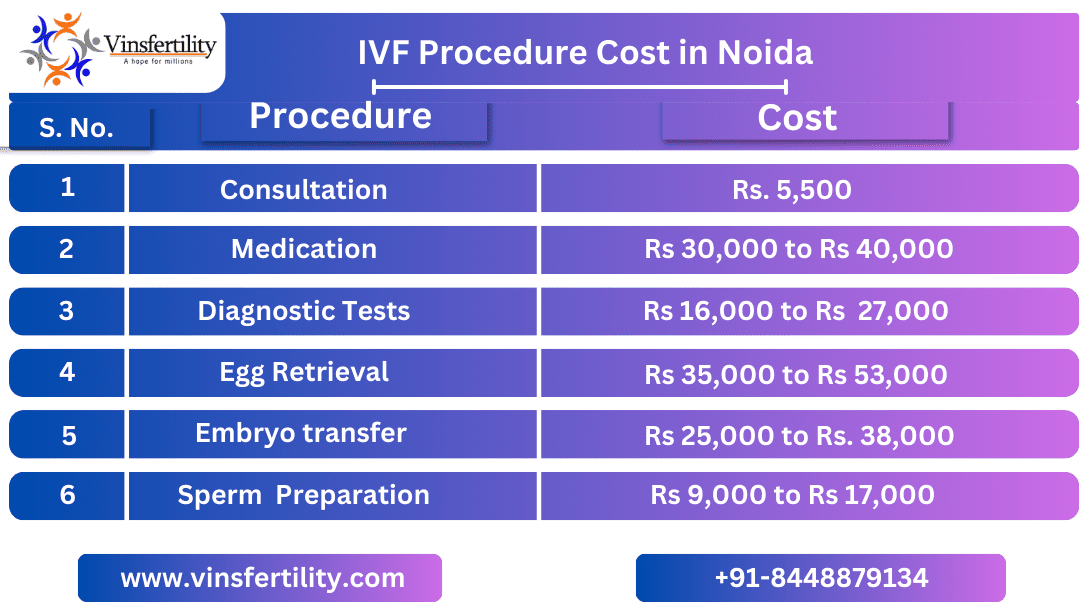
- Estimated Cost Range: A standard IVF cycle in Kochi typically costs between INR 1,50,000 and INR 2,50,000.
- Factors Influencing Cost: Prices vary based on the number of cycles, clinic choice, medication dosages, and additional procedures like genetic testing or donor services.
- Age & Success Rates: A woman's age is a primary factor influencing IVF success, with rates generally higher for younger individuals.
- Benefits: IVF offers solutions for various infertility challenges, broad applicability, control over timing, and potential for genetic screening.
- Affordable Options: Kochi offers several reputable clinics providing quality IVF treatment at competitive prices.
What is IVF and How Much Does it Cost in Kochi?
In-vitro fertilisation (IVF) is a widely recognised and effective assisted reproductive technology (ART) that offers a pathway to parenthood for many individuals and couples facing infertility. The process involves retrieving eggs from a woman's ovaries and fertilising them with sperm in a laboratory setting. Once fertilisation occurs, the resulting embryo(s) are then carefully transferred back into the woman's uterus to develop. This procedure can utilise a couple's own eggs and sperm, or involve donor eggs or sperm, depending on individual medical needs. (Source: Mayo Clinic)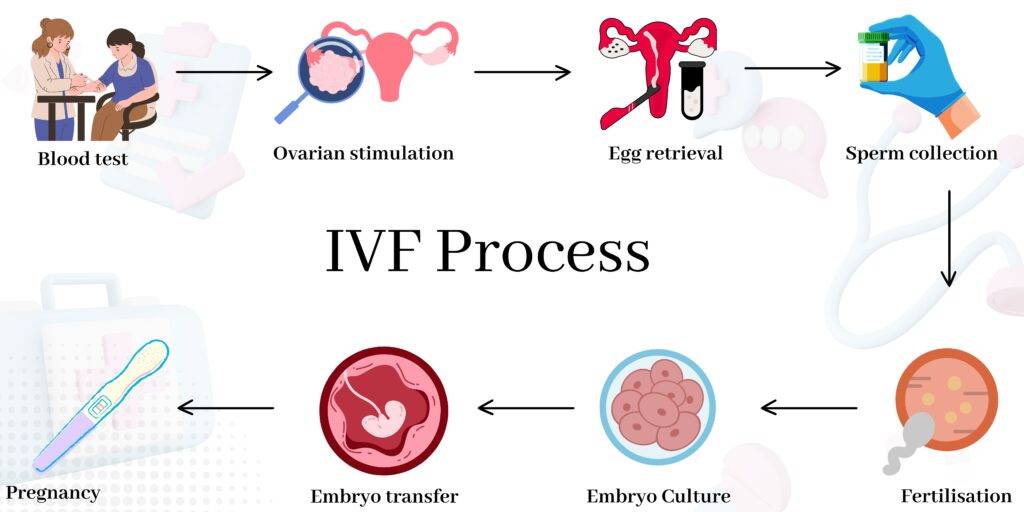 In Kochi, the estimated cost for a standard IVF treatment cycle typically ranges from INR 1,50,000 to INR 2,50,000. This range generally includes initial consultations, ovarian stimulation medications, egg retrieval, fertilisation, and embryo transfer. However, it's important to note that the final cost can vary based on the specific clinic, the complexity of the case, and any additional procedures or medications required. Factors such as the city, the chosen hospital or fertility clinic, and individual patient requirements can significantly influence the overall expense.
What Factors Influence IVF Cost in Kochi?
Several key factors influence the overall cost of IVF treatment in Kochi, making it important for prospective parents to understand these variables:- Number of IVF Cycles: The total cost is directly affected by how many IVF cycles are necessary to achieve a successful conception. Some patients may require multiple cycles.
- Consultation Fees: This includes fees for initial consultations with gynaecologists and fertility specialists, as well as follow-up appointments throughout the treatment process.
- Clinic Selection: The choice of fertility clinic or hospital plays a significant role, as institutions may differ in their pricing structures, technology, and included services.
- Embryo Freezing: If there are surplus embryos after the initial transfer, couples may opt for embryo freezing for future cycles. This incurs additional storage costs.
- Donor Services: The expense of using donor eggs, donor sperm, or donor embryos significantly adds to the overall cost, including compensation for donors and associated legal/medical procedures.
- Preoperative Diagnostic Testing: Comprehensive diagnostic tests are crucial. These may include advanced genetic screenings such as DNA fragmentation, Preimplantation Genetic Testing (PGT), Preimplantation Genetic Diagnosis (PGD), and Preimplantation Genetic Screening (PGS).
- PGT (Preimplantation Genetic Testing): A general term for genetic screening of embryos before transfer to identify chromosomal abnormalities or specific genetic disorders.
- PGD (Preimplantation Genetic Diagnosis): Used to test embryos for specific known genetic conditions that a parent carries.
- PGS (Preimplantation Genetic Screening): Now often referred to as PGT-A (for Aneuploidy), this screens embryos for an incorrect number of chromosomes, which can affect implantation and lead to miscarriage. (Source: ACOG)
- Complexity of Infertility: The underlying causes of infertility can vary. More complex cases, such as those involving severe male factor infertility or specific uterine conditions, may require additional procedures or specialist care, increasing the overall cost.
- Post-operative Consultation and Care: Fees for follow-up consultations and any necessary post-procedure care are also part of the total expense.
- Medication Dosages: The required dosages of fertility medications, which vary based on a woman's age, ovarian reserve, and response to treatment, can impact the cost.
- Donor Screening & Medication Costs: This covers the costs associated with screening and preparing donors, including their medical evaluations and any necessary medications.
- Sperm Aspiration Procedures: For men with certain fertility issues, surgical sperm retrieval methods like Testicular Sperm Aspiration (TESA) or Percutaneous Epididymal Sperm Aspiration (PESA) may be necessary, adding to the cost.
How Does Age Impact IVF Success Rates?
The age of the woman is a primary determinant of the success rate for in-vitro fertilisation (IVF). As women age, particularly after their mid-30s and more significantly after 40, both the quality and quantity of their eggs naturally decline, which directly impacts IVF success rates. (Source: ACOG) This age-related decline is a key biological factor influencing the likelihood of successful fertilisation, embryo development, and implantation. While IVF offers hope across various age groups, understanding these age-related variations is crucial for setting realistic expectations.
Table not found.
The costs detailed in the table typically represent a single IVF cycle. The number of embryos transferred into the uterus is a critical decision made by the patient and their doctor, based on factors such as embryo quality and the woman's age. For women in their mid-30s, typically one embryo is transferred to minimise the risk of multiple pregnancies. However, older women may have two embryos transferred to improve success chances. The primary goal is to achieve a healthy singleton pregnancy, as high-order multiple pregnancies (triplets or more) are associated with increased risks of premature birth, birth complications, and other health issues for both the mother and babies, such as neonatal lung immaturity. (Source: Mayo Clinic) Overall, IVF success rates in India, including Kochi, vary widely depending on individual patient factors, the clinic's expertise, and the specific treatment protocols used. While general statistics provide an overview, a personalised consultation with a fertility specialist is essential to understand individual chances of success.Low Cost IVF Centres in Kochi
The following are some of Kochi's affordable IVF options, selected based on factors including their IVF success rates, quality of treatment, patient feedback, physician qualifications, and accessibility:| Centre | Google Rating | Estimated Cost | Lead Specialist | Location |
|---|---|---|---|---|
| Centre for Infertility Management & Assisted Reproduction (CIMAR) | N/A | N/A | N/A | Kochi |
| Vijaya Fertility Clinic & Endoscopy Centre | N/A | N/A | N/A | Kochi |
| Amrita Fertility Centre | N/A | N/A | N/A | Kochi |
Centre for Infertility Management & Assisted Reproduction (CIMAR), Kochi
| Location: | Kochi |
| Specialties: | IVF, Infertility Management, Assisted Reproduction |
Vijaya Fertility Clinic & Endoscopy Centre, Kochi
| Location: | Kochi |
| Specialties: | IVF, Fertility Treatment, Endoscopy |
Amrita Fertility Centre, Kochi
| Location: | Kochi |
| Specialties: | IVF, Reproductive Medicine, Advanced Fertility Services |
What are the Benefits of IVF Treatment?
-
Overcoming Infertility Challenges: IVF offers a viable path to parenthood when other fertility treatments, such as medication or intrauterine insemination (IUI), have not been successful. It is particularly beneficial for couples facing severe male factor infertility, tubal factor infertility, or unexplained infertility. (Source: WHO)
-
Broad Applicability: IVF can be a suitable option for a wide range of individuals and couples, including those with various forms of male or female infertility, same-sex couples, and single individuals. It adapts to diverse family-building needs.
-
Access to Donor Gametes: For individuals or couples who may not have viable eggs or sperm, IVF allows the use of donor eggs, donor sperm, or donor embryos, providing an opportunity to conceive. (Source: Mayo Clinic)
-
Control Over Timing: IVF cycles can be planned around your personal and professional schedule, offering more control over the timing of conception and pregnancy compared to natural conception or some other treatments.
-
Potential for Genetic Screening: With advanced techniques like Preimplantation Genetic Testing (PGT), embryos can be screened for specific genetic conditions or chromosomal abnormalities before implantation. This can increase the likelihood of a healthy pregnancy and reduce the risk of passing on known genetic disorders. (Source: CDC)
-
Reduced Risk of Miscarriage: For some individuals, especially those undergoing PGT to select chromosomally normal embryos, IVF can help reduce the risk of miscarriage associated with chromosomal abnormalities. (Source: NCBI)
-
Increased Pregnancy Likelihood: IVF generally offers higher success rates per cycle compared to less invasive fertility treatments, especially for specific infertility diagnoses. This significantly increases the probability of achieving a successful pregnancy. (Source: CDC)
FREQUENTLY ASKED QUESTIONS (FAQS):
1. Why is IVF costly?
Ans: The cost of IVF in India, including in Kochi, is influenced by a combination of factors. These typically include:
- Patient Age: Older patients may require more intensive protocols or multiple IVF cycles to achieve a successful pregnancy, which increases the overall cost.
- Medication Expenses: Hormonal injections and other medications required for ovarian stimulation are a significant component of IVF costs. The dosage and type of medication can vary based on individual response.
- Advanced Procedures: Additional services like Intracytoplasmic Sperm Injection (ICSI), Preimplantation Genetic Testing (PGT), embryo freezing, or assisted hatching add to the total expense.
- Donor Services: If donor eggs, sperm, or embryos are required, this will incur additional costs.
- Clinic Infrastructure and Expertise: The reputation, success rates, technology, and experience of the medical team at a fertility clinic can also influence pricing.
- Number of Cycles: The overall cost of IVF treatment will depend on how many cycles are needed to achieve conception. Understanding the full cost of IVF treatment is essential for planning.
(Source: Mayo Clinic)
2. What is the minimum cost of IVF?
Ans: In Kochi, the cost of a single basic IVF cycle typically ranges from approximately INR 1,50,000 to INR 2,50,000. This estimate generally covers consultations, ovarian stimulation, egg retrieval, fertilization, and embryo transfer. However, it often excludes the costs of specific medications, advanced procedures like ICSI, genetic testing, or embryo freezing, which can add to the total expense. For a precise estimate, it's best to consult with a fertility clinic.
3. Are IVF babies normal?
Ans: Yes, extensive research indicates that babies conceived through In Vitro Fertilization (IVF) are generally as healthy and normal as those conceived naturally. Studies have shown no significant long-term differences in health, development, or cognitive abilities between IVF-conceived children and naturally conceived children. (Source: CDC)
4. Is IVF safe after 40?
Ans: Yes, IVF can be a safe and viable option for women over 40. However, it's important to understand that the success rates of IVF with a woman's own eggs tend to decrease significantly with advancing maternal age, primarily due to a natural decline in egg quality and quantity. After the age of 40, many specialists may recommend considering IVF with donor eggs to improve the chances of a successful pregnancy, as donor eggs typically come from younger, fertile women. It is crucial to have a thorough consultation with a fertility specialist to assess individual health, ovarian reserve, and discuss the most appropriate treatment plan and potential risks. (Source: ACOG)
5. How is sperm collected for IVF?
Ans: For IVF, sperm collection typically involves several methods:
- Natural Ejaculation: The most common method is for the male partner to provide a semen sample through masturbation on the day of egg retrieval.
- Surgical Sperm Retrieval: In cases of male infertility such as azoospermia (absence of sperm in ejaculate) or issues with sperm transport, surgical procedures are performed to retrieve sperm directly from the testes or epididymis. These include:
- TESA (Testicular Sperm Aspiration): Sperm is aspirated directly from the testicle using a fine needle.
- PESA (Percutaneous Epididymal Sperm Aspiration): Sperm is collected from the epididymis via a needle.
- MESA (Microscopic Epididymal Sperm Aspiration): A more advanced procedure involving a microscope to retrieve sperm from the epididymis.
- TESE (Testicular Sperm Extraction): A small incision is made in the testicle to extract testicular tissue containing sperm.
(Source: Mayo Clinic)
6. Can a single woman go for IVF?
Ans: Yes, a single woman can absolutely pursue IVF to achieve pregnancy. In such cases, donor sperm is typically used for fertilization. While Intrauterine Insemination (IUI) is often the first and less invasive treatment option considered for single women using donor sperm due to its simplicity and lower cost, IVF may be recommended if IUI is unsuccessful or if there are other underlying fertility factors. It is advisable to consult a fertility specialist to discuss the most suitable treatment path based on individual circumstances and preferences. (Source: Mayo Clinic)
7. What are the typical success rates of IVF?
Ans: IVF success rates vary significantly based on several factors, most notably the woman's age. Generally, younger women tend to have higher success rates. For women under 35, the live birth rate per IVF cycle can be around 40-50%. This rate gradually declines with age, falling to approximately 10-15% for women over 40 using their own eggs. Other factors influencing success include the cause of infertility, the quality of eggs and sperm, the specific IVF protocol used, and the expertise of the fertility clinic. It is important to discuss personalized success rate expectations with your fertility specialist. (Source: CDC)
Frequently Asked Questions
What is the estimated base IVF cost in Kochi, and what does it typically include?
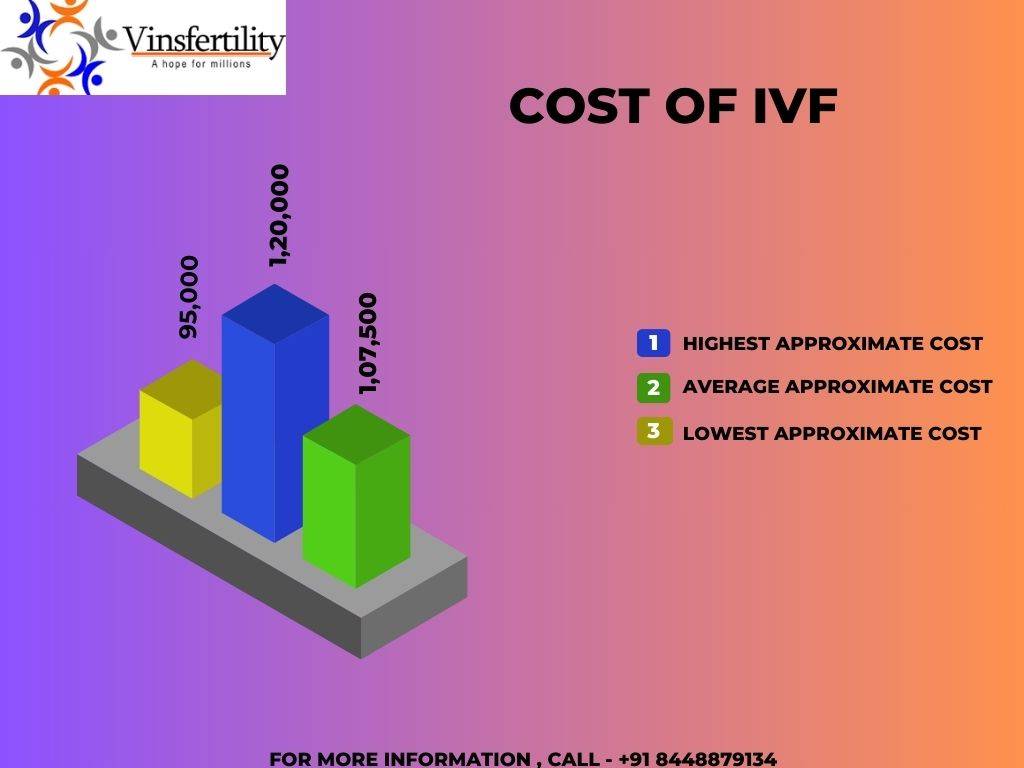
The estimated base cost for an IVF cycle in Kochi typically ranges from INR 95,000 to INR 1,20,000. This amount generally includes essential components such as prescription medications, injections, and other standard procedures required for one cycle of in-vitro fertilisation. However, this base cost can increase significantly with additional services or complexities.
What specific factors can influence the total IVF cost in Kochi?
Several factors can affect the overall IVF cost in Kochi. These include the number of IVF cycles required, consultation fees for gynaecologists, the choice of hospital or fertility clinic, costs for embryo freezing, expenses for donor semen or eggs, and the price of preoperative diagnostic testing (such as DNA fragmentation, PGT, PGD, and PGS). Other influencing factors are the specific reasons for infertility, post-operative consultation fees, required medication dosages based on age, donor insurance, and sperm aspiration procedures.
Who is eligible for IVF treatment in Kochi as per Indian regulations?
As per the Assisted Reproductive Technology (Regulation) Act, 2021, a woman must be between 21 and 50 years of age, and a man between 21 and 55 years to undergo ART procedures like IVF. IVF is generally available to infertile couples and single women, provided they meet specific medical and legal criteria. For detailed eligibility, individuals should consult the official guidelines provided by the Ministry of Health and Family Welfare via the National ART and Surrogacy Portal.
How can I choose a genuine and registered IVF clinic in Kochi?
To choose a genuine and registered IVF clinic in Kochi, it is crucial to ensure the facility complies with the Assisted Reproductive Technology (Regulation) Act, 2021. This Act mandates the registration of all ART clinics and banks with the National Registry. You can verify a clinic's registration and adherence to ethical guidelines by checking the official portal of the Ministry of Health and Family Welfare, specifically the National ART and Surrogacy Portal, which lists registered centres.
How do IVF success rates in Kochi generally vary with a woman's age?
A woman's age is a primary factor influencing IVF success rates in Kochi, as it is globally. Success rates generally begin to decline after the mid-30s and show a more significant decrease, particularly after the age of 40, due to factors like egg quality and quantity. The World Health Organization (WHO) highlights that advanced maternal age is a significant contributor to infertility and reduced IVF outcomes globally, underscoring the importance of age in reproductive health outcomes. For more information, refer to WHO's insights on infertility.
Are advanced procedures like ICSI or donor services typically included in the base IVF cost in Kochi?
No, advanced procedures such as Intracytoplasmic Sperm Injection (ICSI), or the use of donor semen or eggs, are generally not included in the base IVF cost in Kochi. These are considered additional services that can significantly increase the overall treatment expense. The article lists "Expense of donor semen and eggs" and "Aspiration procedure for sperm" as factors affecting cost, indicating they are separate charges beyond the standard IVF cycle price.
Sources & References
- The Surrogacy (Regulation) Act, 2021 — Government of India
- Indian Council of Medical Research (ICMR) — National ART & Surrogacy Registry
- NABL — National Accreditation Board for Testing and Calibration Laboratories
- World Health Organization (WHO) — Infertility clinical guidance
- PubMed — Peer-reviewed fertility research (NIH/NLM)
All external sources link to primary government, medical, or peer-reviewed material. This article is reviewed by a qualified fertility specialist and updated as clinical guidance changes.