IVF Cost in Erode 2026 | Affordable Packages | Vinsfertility
At a Glance: IVF Cost in Erode
- The estimated cost for a single IVF cycle in Erode typically ranges from INR 90,000 to INR 2,10,000.
- A woman's age is the most critical factor influencing IVF success rates, with rates naturally declining after her mid-30s.
- IVF is an effective treatment option for diverse infertility challenges, including blocked fallopian tubes, severe male factor infertility, and endometriosis.
- A typical IVF cycle, from ovarian stimulation to embryo transfer and pregnancy test, generally spans approximately 7 to 8 weeks.
- Preimplantation Genetic Testing (PGT) can significantly enhance the chances of a healthy pregnancy and reduce the risk of miscarriage by screening embryos for genetic abnormalities.
What is the Cost of IVF in Erode?
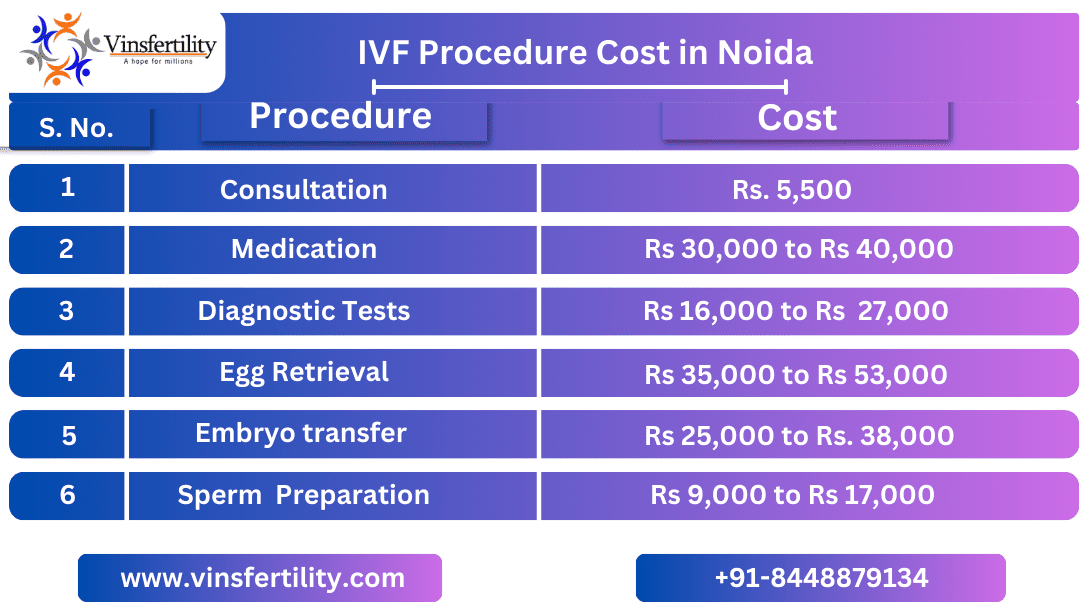
In-vitro fertilisation (IVF) is a widely recognised and effective fertility treatment that helps individuals and couples facing infertility achieve parenthood. The process involves a series of meticulously planned steps: mature eggs are retrieved from the woman's ovaries and fertilised by sperm in a controlled laboratory environment. The resulting embryo (or embryos) is then carefully transferred into the woman's uterus, where it is hoped to implant and develop into a pregnancy. This treatment can utilise a couple's own eggs and sperm, or involve donor eggs, donor sperm, or donor embryos, depending on individual medical needs and preferences. For more detailed information on IVF, you can refer to resources from the Mayo Clinic. The estimated cost for a single IVF cycle in Erode typically ranges from INR 90,000 to INR 2,10,000. This comprehensive estimate usually covers essential components such as ovarian stimulation medications, monitoring appointments, egg retrieval, fertilisation, and embryo transfer. However, the final cost can vary significantly based on the specific fertility clinic, the required diagnostic tests, the type of IVF protocol, and any additional specialised procedures needed for your unique case. For general information on IVF treatment cost, you can explore our detailed guide.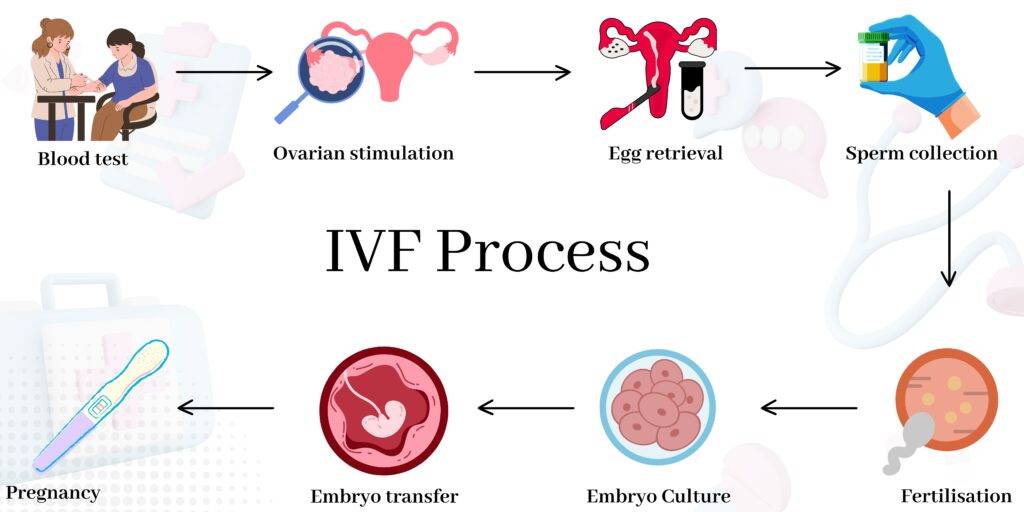

What Factors Influence IVF Cost in Erode?
The total IVF cost in Erode can be influenced by several key factors:- Number of IVF cycles required: Some individuals may need more than one cycle to achieve a successful pregnancy, impacting overall costs.
- Consultation fees: Charges for initial and follow-up consultations with fertility specialists.
- Choice of clinic: Different fertility centers and hospitals have varying fee structures and service packages.
- Embryo freezing and storage: Costs associated with cryopreservation and long-term storage of surplus embryos for future use.
- Donor services: Additional expenses if using donor eggs, donor sperm, or donor embryos.
- Advanced diagnostic tests: Pre-treatment evaluations such as DNA fragmentation analysis, and genetic testing of embryos. This includes Preimplantation Genetic Testing (PGT), which encompasses PGT-A (for aneuploidy, or chromosomal abnormalities), PGT-M (for monogenic disorders, or single-gene defects), and PGT-SR (for structural rearrangements in chromosomes). These tests can add to the cost but provide crucial information for embryo selection.
- Underlying cause of infertility: Complex cases requiring specialised interventions (e.g., severe male factor infertility, advanced endometriosis) may incur higher costs.
- Post-procedure care: Follow-up consultations and early pregnancy monitoring after embryo transfer.
- Medication dosage: The type and dosage of fertility medications, which vary based on age, ovarian response, and protocol, significantly influence costs.
- Donor screening and insurance: Costs related to the medical screening, evaluation, and any associated insurance for egg or sperm donors.
- Surgical sperm retrieval: Procedures like TESA (Testicular Sperm Aspiration) or Micro-TESE (Microdissection Testicular Sperm Extraction) if conventional sperm retrieval is not possible.
How Does Age Affect IVF Success Rates?
A woman's age is undeniably the most critical factor influencing IVF success rates. As women age, particularly after their mid-30s and more significantly after 40, both the quantity (ovarian reserve) and quality of their eggs naturally decline. This decline leads to a higher incidence of chromosomal abnormalities in eggs, which can reduce fertilisation rates, embryo development, implantation success, and increase the risk of miscarriage. Understanding this factor is crucial for managing expectations and planning treatment. You can find more information on age and fertility from the Centers for Disease Control and Prevention (CDC).
Table not found.
The total cost can vary based on the specific treatment plan recommended after a thorough assessment, including all diagnostic tests and procedures. Please note that the costs typically provided are for a single IVF cycle. The decision regarding the number of embryos to transfer back into the uterus is a crucial one, made jointly by the patient and their fertility specialist. This decision is primarily based on the woman's age, the quality of the embryos, and any previous IVF history. For women in their mid-30s, a single embryo transfer (SET) is often recommended to minimise risks, while older women or those with specific medical histories might consider two embryos. High-order multiple pregnancies (triplets or more) carry significant risks, including premature birth, low birth weight, and various health complications for both the mother and babies, such as neonatal lung immaturity. Therefore, the primary goal of modern fertility treatment is to achieve a healthy singleton pregnancy, promoting the best possible outcomes.Low Cost IVF Centres in Erode
When choosing an IVF center in Erode, consider factors such as the clinic's success rates, the quality of care, patient testimonials, the qualifications and experience of the fertility specialists, and accessibility.| Centre | Google Rating | Estimated Cost (INR) | Lead Specialist | Location |
|---|---|---|---|---|
| ARC Fertility Hospitals | N/A | N/A (Refer to general article range) | N/A | Erode |
| Sudha IVF & Fertility Centre | N/A | N/A (Refer to general article range) | Dr. Pradeepa | Erode |
| Genesis IVF Advanced Fertility Centre | N/A | N/A (Refer to general article range) | N/A | Erode |
ARC Fertility Hospitals, Erode
| Overview | A reputable fertility hospital offering various reproductive services. |
| Google Rating | N/A |
| Estimated Cost | N/A (Please refer to the general IVF cost range in Erode mentioned in this article) |
| Lead Specialist | N/A |
| Location | Erode |
Sudha IVF & Fertility Centre, Erode
| Overview | Known for offering exceptional IVF & IUI services with top-notch medical care. |
| Google Rating | N/A |
| Estimated Cost | N/A (Please refer to the general IVF cost range in Erode mentioned in this article) |
| Lead Specialist | Dr. Pradeepa (as per SERP reference) |
| Location | Erode |
Genesis IVF Advanced Fertility Centre, Erode
| Overview | Provides world-class fertility solutions at transparent and affordable costs. |
| Google Rating | N/A |
| Estimated Cost | N/A (Please refer to the general IVF cost range in Erode mentioned in this article) |
| Lead Specialist | N/A |
| Location | Erode |
What are the Benefits of IVF Treatment?
-
Effective for Diverse Infertility Challenges: IVF is a highly effective treatment option for individuals and couples facing various infertility causes, including blocked or damaged fallopian tubes, severe male factor infertility, endometriosis, ovulation disorders, or unexplained infertility. It offers a pathway to parenthood when other fertility treatments, such as intrauterine insemination (IUI) or fertility medications, have not been successful. (Source: ACOG)
-
Accessibility for a Wide Range of Patients: IVF can be utilized by a broad spectrum of individuals and families. This includes single parents, same-sex couples, and those who require the assistance of a gestational carrier (surrogate), making parenthood possible for many who might otherwise face barriers.
-
Option for Donor Gametes: For individuals or couples unable to use their own eggs or sperm due to medical reasons, age, or genetic concerns, IVF allows for the use of donor eggs, donor sperm, or donor embryos. This provides a viable solution for building a family.
-
Control Over Treatment Timing: IVF cycles can be planned with a degree of flexibility, allowing patients to align treatment schedules with their personal and professional lives. This control can help reduce stress and improve the overall experience.
-
Enhanced Chances of a Healthy Child (with PGT): IVF offers the unique opportunity for Preimplantation Genetic Testing (PGT). This advanced screening technique allows embryologists to test embryos for chromosomal abnormalities (PGT-A) or specific genetic diseases (PGT-M) before implantation. Selecting genetically healthy embryos can significantly increase the chances of a successful pregnancy and the birth of a healthy baby. (Source: NCBI)
-
Reduced Risk of Miscarriage (with PGT): By identifying and transferring chromosomally normal embryos through PGT, the risk of miscarriage associated with chromosomal abnormalities can be considerably reduced, leading to higher rates of live births. (Source: CDC)
-
Increased Likelihood of Pregnancy: IVF generally boasts higher success rates per cycle compared to other fertility treatments, particularly for patients with specific infertility diagnoses. This translates to a greater probability of achieving pregnancy and ultimately having a baby.
1. What are the 5 stages of IVF?
Ans: The 5 main stages involved in an IVF cycle are a carefully coordinated process:
-
Ovarian Stimulation: Fertility medications are administered to stimulate the ovaries to produce multiple mature eggs, rather than the single egg typically released in a natural cycle. This phase is closely monitored with ultrasounds and blood tests. (Source: Mayo Clinic)
-
Egg Retrieval: Once the eggs are mature, a minor surgical procedure is performed under light sedation. A thin needle, guided by ultrasound, is used to aspirate fluid from the follicles in the ovaries, collecting the eggs.
-
Sperm Collection/Retrieval: On the same day as egg retrieval, a sperm sample is collected from the male partner or a donor. In some cases, surgical sperm retrieval may be necessary.
-
Fertilization & Embryonic Development: In the laboratory, the retrieved eggs are fertilized with the collected sperm. This can be done through conventional IVF (where sperm are placed with eggs) or Intracytoplasmic Sperm Injection (ICSI), where a single sperm is injected directly into each egg. The resulting embryos are then cultured for 3 to 5 days, allowing them to develop.
-
Embryo Transfer: One or more selected embryos are carefully transferred into the woman's uterus using a thin catheter. This is typically a painless procedure that does not require anesthesia.
Ans: A typical IVF cycle, from the initial consultation and start of ovarian stimulation to the embryo transfer and subsequent pregnancy test, generally spans about 7 to 8 weeks. This timeline includes:
- Initial consultations and diagnostic tests (variable)
- Ovarian stimulation phase (approximately 10-14 days)
- Egg retrieval procedure (one day)
- Embryo development in the lab (3-5 days)
- Embryo transfer procedure (one day)
- The "two-week wait" before a pregnancy test (approximately 9-14 days)
3. What are the potential risks and challenges of IVF?
Ans: While In Vitro Fertilization (IVF) is a generally safe and highly effective fertility treatment, it's important for patients to be aware of potential risks and challenges. According to the American College of Obstetricians and Gynecologists (ACOG) and the Centers for Disease Control and Prevention (CDC), these may include:
-
Ovarian Hyperstimulation Syndrome (OHSS): This is a rare but potentially serious complication where the ovaries become swollen and painful due to an overreaction to fertility medications. Symptoms can range from mild (bloating, nausea) to severe (abdominal pain, vomiting, shortness of breath).
-
Multiple Pregnancies: IVF increases the chance of conceiving twins, triplets, or more, especially if multiple embryos are transferred. Multiple pregnancies carry higher risks for both the mother (e.g., gestational diabetes, preeclampsia, preterm labor) and the babies (e.g., preterm birth, low birth weight, developmental issues). (Source: CDC)
-
Ectopic Pregnancy: While rare, there is a slightly increased risk of an ectopic pregnancy, where the embryo implants outside the uterus, usually in a fallopian tube. This is a medical emergency requiring immediate attention.
-
Miscarriage: The risk of miscarriage after IVF is similar to that of natural conception, though it can be slightly higher in older women undergoing treatment.
-
Birth Defects: Some studies suggest a very slightly increased risk of certain birth defects in babies conceived through IVF, though the absolute risk remains low, and many studies indicate no significant difference from natural conception. Further research is ongoing. (Source: CDC)
-
Emotional and Financial Strain: The IVF process can be emotionally demanding, involving stress, anxiety, and disappointment. It also represents a significant financial investment, which can add to the pressure. For information on treatment costs, you can explore our IVF treatment cost details.
-
Pregnancy Complications: As noted, there's a slightly elevated risk of certain pregnancy complications such as preterm delivery, low birth weight, gestational hypertension (high blood pressure during pregnancy), and placental complications. Close medical supervision helps manage these risks.
Ans: Yes, IVF pregnancy is generally considered safe for the mother, but it's crucial to understand that it involves medical procedures and potential risks, as highlighted by health organizations like the Mayo Clinic. While the vast majority of IVF pregnancies proceed without serious complications, mothers undergoing IVF may have a slightly increased risk of certain pregnancy-related issues, including:
- Gestational diabetes
- Preeclampsia (high blood pressure during pregnancy)
- Preterm birth (delivery before 37 weeks)
- Placental complications
Frequently Asked Questions
What is the estimated cost of IVF treatment in Erode for 2026?
The cost of a single IVF cycle in Erode typically ranges from approximately INR 90,000 to INR 2,10,000. This estimate generally includes initial consultations, medications, injections, egg retrieval, fertilization, and embryo transfer. However, the exact cost can vary significantly based on the chosen clinic, individual medical needs, and any additional procedures required.
What key factors can influence the final IVF cost in Erode?
Several factors affect the total IVF cost in Erode, including the number of IVF cycles needed, the specific fertility clinic, consultation fees, and the cost of any necessary embryo freezing. Additional expenses may arise from donor sperm or eggs, advanced diagnostic tests like PGT, PGD, or PGS, and the specific medication dosages required based on age and condition.
Are there legal requirements for who can undergo IVF treatment in Erode, India?
Yes, IVF treatment in India is governed by the Assisted Reproductive Technology (Regulation) Act, 2021. This Act specifies eligibility criteria, including that the commissioning couple must be a married man and woman, with the woman between 21 and 50 years of age and the man between 21 and 55 years. For detailed regulations, refer to the National ART and Surrogacy Portal.
How does a woman's age impact the success rate of IVF in Erode?
A woman's age is a primary factor influencing IVF success rates. Success rates generally decline after the mid-30s and more significantly after the age of 40 due to decreasing egg quality and quantity. For instance, studies indicate higher success rates for women under 30 compared to those over 35 or 40. For more information on fertility and age, consult resources from the World Health Organization.
What should I look for when choosing an IVF clinic in Erode?
When selecting an IVF clinic in Erode, consider factors such as the clinic's accreditation, the experience and qualifications of the fertility specialists, and their transparency regarding treatment costs and success rates. It is also advisable to check if the clinic is registered under the Assisted Reproductive Technology (Regulation) Act, 2021, which can be verified via the National ART and Surrogacy Portal.
Sources & References
- The Surrogacy (Regulation) Act, 2021 — Government of India
- Indian Council of Medical Research (ICMR) — National ART & Surrogacy Registry
- NABL — National Accreditation Board for Testing and Calibration Laboratories
- World Health Organization (WHO) — Infertility clinical guidance
- PubMed — Peer-reviewed fertility research (NIH/NLM)
All external sources link to primary government, medical, or peer-reviewed material. This article is reviewed by a qualified fertility specialist and updated as clinical guidance changes.