IVF Cost in Aligarh 2026 | Best IVF Prices | Vinsfertility
At a Glance: IVF Cost in Aligarh
- Estimated Cost Range: A standard IVF cycle in Aligarh typically ranges from INR 95,000 to INR 2,50,000.
- Key Factors Affecting Cost: Total expenses are influenced by the number of IVF cycles, required medications, choice of clinic, and whether advanced procedures like ICSI, PGT, or embryo freezing are needed.
- Age and Success Rates: A woman's age is a significant factor, with IVF success rates generally declining after the mid-30s due to natural changes in egg quality and quantity.
- Financing Options: Many clinics in Aligarh offer transparent pricing, financing options, or EMI programs to help manage the financial commitment.
- Common Reasons for IVF: IVF is a solution for diverse infertility challenges, including blocked fallopian tubes, male factor infertility, ovulation disorders, endometriosis, and unexplained infertility.
What is IVF and How Does it Help Overcome Infertility?
In vitro fertilisation (IVF) is a widely recognized and effective assisted reproductive technology (ART) that helps individuals and couples overcome infertility challenges to achieve parenthood. It is one of several options available when natural conception is difficult.
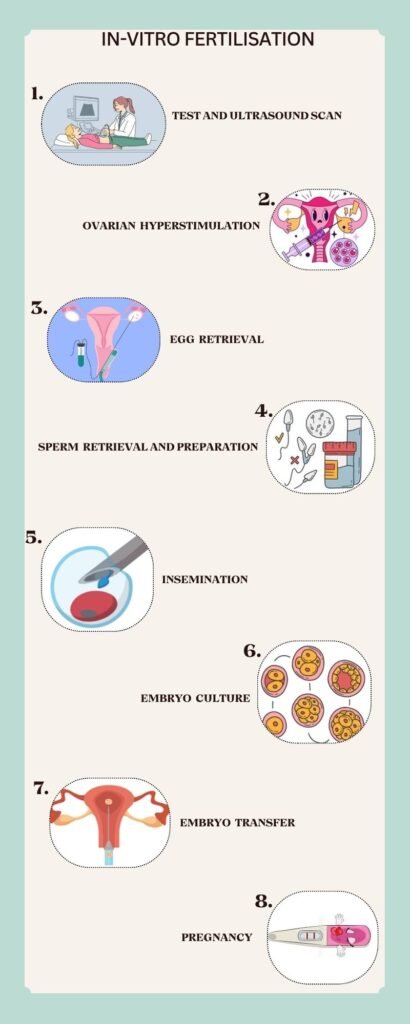
The core process of IVF involves carefully retrieving an egg from a female's ovary and fertilising it with sperm in a specialised laboratory setting. This process, known as fertilisation, creates an embryo. Once fertilised, the embryo is then meticulously transferred back into the female's uterus, where it is hoped to implant and continue growing into a pregnancy.
IVF can be performed using the eggs and sperm of the intended parents, or with donor sperm, donor eggs, or even donor embryos, depending on the individual's specific medical needs and preferences. The World Health Organization (WHO) defines infertility as a disease of the male or female reproductive system defined by the failure to achieve a pregnancy after 12 months or more of regular unprotected sexual intercourse.
Common reasons individuals or couples may consider IVF include:
- Blocked or damaged fallopian tubes: Preventing eggs from reaching the uterus or sperm from reaching the egg.
- Male factor infertility: Such as low sperm count, poor sperm motility, or abnormal sperm morphology.
- Ovulation disorders: Irregular or absent ovulation, often due to conditions like Polycystic Ovary Syndrome (PCOS).
- Endometriosis: A condition where tissue similar to the lining of the uterus grows outside the uterus.
- Uterine fibroids: Benign tumours in the uterus that can interfere with implantation.
- Unexplained infertility: When no specific cause for infertility can be identified after comprehensive testing.
- Genetic disorders: For couples who wish to avoid passing on certain genetic conditions to their child through preimplantation genetic testing (PGT).
How Much Does IVF Treatment Cost in Aligarh?
The journey to parenthood can be deeply personal and sometimes challenging. For many couples facing infertility, In Vitro Fertilization (IVF) offers a hopeful path to building a family. Understanding the financial aspects of IVF is a crucial step in this journey.
In Aligarh, the estimated cost for a standard IVF treatment cycle can generally range from INR 95,000 to INR 2,50,000. This range typically encompasses the core procedures of a single IVF cycle, including initial consultations, ovarian stimulation medications, egg retrieval, fertilisation, and embryo transfer. However, it's important to note that this is an estimated range, and the final cost can vary significantly based on individual treatment plans, clinic facilities, and specific medical requirements.
Many clinics in Aligarh offer transparent pricing models and may also provide financing options or EMI programs to help manage the financial commitment. It is always recommended to discuss a detailed cost breakdown with your chosen fertility clinic.

What Factors Influence the Cost of IVF in Aligarh?
The total cost of IVF treatment in Aligarh is influenced by a variety of factors. These can lead to significant variations in the overall expenses:
- Number of IVF cycles required: Many patients achieve success within one or two cycles, but some may need multiple attempts, each incurring additional costs.
- Initial consultation and diagnostic fees: These include fees for fertility specialists and essential diagnostic tests for both partners (e.g., hormone tests, semen analysis, ultrasound scans).
- Choice of fertility clinic or hospital: Premier clinics with advanced technology, higher success rates, and experienced specialists may have higher fees. Location within the city can also play a role.
- Medication dosages and type: The cost of ovarian stimulation medications varies based on the type, brand, and the dosage required, which is determined by the woman's age and ovarian reserve.
- Additional procedures or advanced techniques:
- Intracytoplasmic Sperm Injection (ICSI): Often added for male factor infertility, involving direct injection of a single sperm into an egg.
- Embryo freezing (cryopreservation): For storing surplus embryos for future cycles, incurring initial freezing and annual storage fees.
- Preimplantation Genetic Testing (PGT): Including PGT-A (aneuploidy screening), PGT-M (monogenic disorders), and PGT-SR (structural rearrangements) to screen embryos for genetic abnormalities before transfer.
- Assisted Hatching (AH): A lab technique to help the embryo implant by thinning its outer shell.
- Sperm aspiration procedures: Such as TESA (Testicular Sperm Aspiration) or MESA (Micro-epididymal Sperm Aspiration) for men with specific sperm retrieval needs.
- Cost of donor eggs or semen: If donor gametes are required, their acquisition, screening, and compensation add to the overall expense. This may also include donor insurance.
- Cause of infertility issues: Complex infertility cases may require more extensive diagnostic workup and tailored, often more expensive, treatment protocols.
- Post-procedure consultation and follow-up: Costs associated with pregnancy confirmation and early prenatal care.
How Does Age Affect IVF Success Rates and Costs?
A woman's age is one of the most significant factors influencing the success rate of In Vitro Fertilization (IVF). As women age, both the quality and quantity of their eggs naturally decline, which impacts the likelihood of successful fertilisation, embryo development, and implantation. IVF success rates typically begin to decrease from the mid-30s, with a more pronounced decline after the age of 40. According to the CDC, the percentage of ART cycles resulting in a live birth is highest for women under 35 and decreases steadily with age.
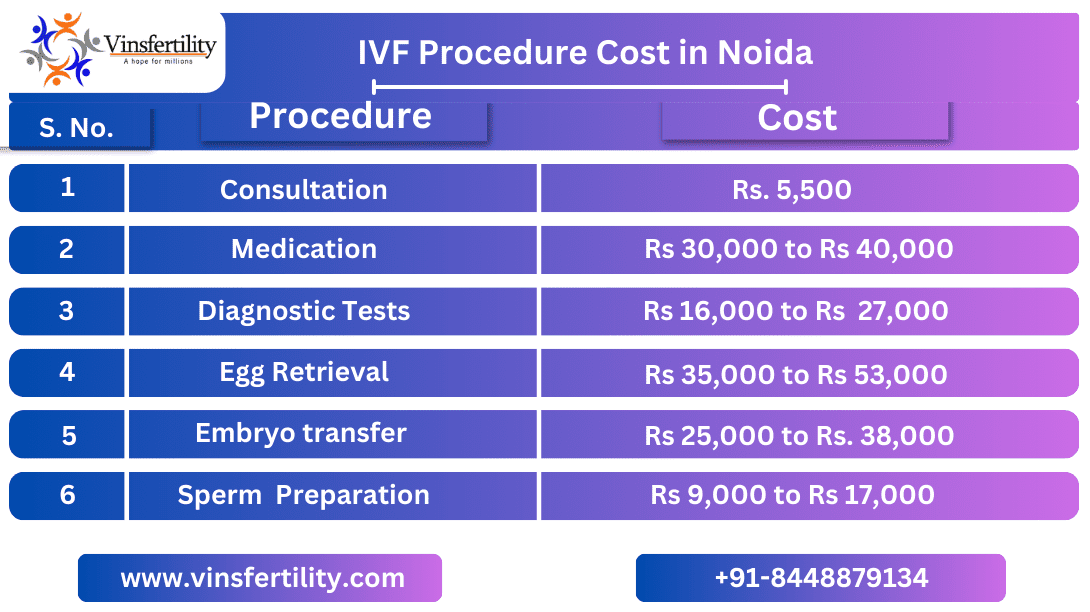
The cost breakdown provided below is an estimated range for a single IVF cycle in Aligarh. The actual treatment plan and associated fees will be determined after a thorough evaluation by a fertility specialist.
| IVF Service/Procedure | Estimated Cost Range in Aligarh (INR) |
|---|---|
| Basic IVF Cycle (without advanced add-ons) | 95,000 - 1,50,000 |
| IVF with ICSI (Intracytoplasmic Sperm Injection) | 1,30,000 - 1,80,000 |
| Embryo Freezing (Cryopreservation) - Initial Fee | 20,000 - 40,000 |
| Annual Embryo Storage Fee | 10,000 - 15,000 |
| Preimplantation Genetic Testing (PGT-A/PGS) per embryo | 30,000 - 50,000 |
| Donor Egg IVF (including donor compensation & medication) | 2,00,000 - 3,50,000 |
| Donor Sperm (including screening & acquisition) | 15,000 - 30,000 |
| Surgical Sperm Retrieval (e.g., TESA/MESA) | 40,000 - 70,000 |
| Assisted Hatching (AH) | 10,000 - 20,000 |
The number of embryos transferred back into the patient's uterus is a critical decision, made jointly by the individual and her physician. This decision is based on factors such as the patient's age, embryo quality, and previous IVF attempts. While younger women (typically under 35) often have one embryo transferred to minimise risks, older women or those with specific circumstances might have two. The goal is to maximise the chance of a healthy singleton pregnancy.
Transferring too many embryos can increase the risk of high-order multiple pregnancies (three or more babies). These pregnancies are associated with significantly higher risks of premature birth, multiple complications during delivery, and various health problems for the newborns, such as neonatal lung immaturity, cerebral palsy, and developmental delays. Therefore, fertility specialists aim to achieve a successful pregnancy while prioritising the health and safety of both the mother and the babies, often advocating for single embryo transfer when appropriate.

Low Cost IVF Centres in Aligarh
When selecting an IVF clinic, "affordable" often refers to a combination of transparent pricing, good success rates, quality patient care, and accessibility. These clinics in Aligarh are often considered for their comprehensive services and patient-centric approach, aiming to provide effective fertility solutions:
- Noble IVF Centre, Aligarh
- Rajmata Hospital, Aligarh
- Rajul Nursing Home & IVF Center, Aligarh
- Jeevan Speciality Hospital and Test Tube Baby Center Pvt. Ltd., Aligarh
- Indira IVF Ravi Test Tube Baby Centre, Aligarh
What are the Benefits of IVF Treatment?
- Addresses Diverse Infertility Challenges: IVF offers a path to parenthood when other fertility treatments have been unsuccessful or for specific conditions such as blocked fallopian tubes, severe male factor infertility, ovulation disorders, or unexplained infertility.
- Flexibility with Gamete Sources: It facilitates the use of various reproductive materials, including a couple's own eggs and sperm, or donor eggs, donor sperm, or donor embryos, expanding options for many individuals and couples.
- Control Over Timing: IVF allows for greater planning and control over the timing of conception and pregnancy, which can be beneficial for personal or medical reasons.
- Opportunity for Genetic Screening: With preimplantation genetic testing (PGT), embryos can be screened for certain genetic abnormalities or chromosomal conditions before transfer. This can help reduce the risk of passing on known inherited diseases and may lower the risk of miscarriage due to chromosomal issues. (Source: CDC)
- Increased Chance of Pregnancy: For many individuals and couples struggling with infertility, IVF significantly increases the likelihood of achieving a successful pregnancy compared to natural conception or less intensive treatments.
- Embryo Freezing for Future Use: Any healthy embryos not transferred in the initial cycle can be cryopreserved (frozen) for future use, offering additional attempts at pregnancy without repeating the full ovarian stimulation process.
Frequently Asked Questions (FAQs)
1. Is IVF safe after 35?
Ans: While IVF procedures carry certain risks at any age, generally, IVF is considered safe for women over 35. However, it's important to note that a woman's age, particularly after 35, significantly impacts the success rate of IVF using her own eggs due to declining egg quality and quantity. (Source: ACOG) Additionally, pregnancies at an older maternal age, regardless of conception method, may have increased risks for both mother and baby. A fertility specialist will assess individual health and discuss all potential risks and success probabilities.
2. What are the 3 types of IVF?
Ans: While the core principle of IVF remains the same, there are variations in the stimulation protocols: (Source: Mayo Clinic)
- Natural Cycle IVF: This approach involves monitoring a woman's natural menstrual cycle to retrieve the single egg she produces, without using ovarian stimulating medications.
- Mild Stimulation IVF: This protocol uses lower doses of fertility medications for a shorter period compared to conventional IVF, aiming for a smaller number of high-quality eggs.
- In Vitro Maturation (IVM): Involves retrieving immature eggs from the ovaries and maturing them in the laboratory before fertilization. This method is often considered for women at risk of Ovarian Hyperstimulation Syndrome (OHSS).
3. How many injections are in IVF?
Ans: The number of injections in an IVF cycle can vary significantly based on the individual's protocol and response. Generally, a conventional IVF cycle involves daily injections for ovarian stimulation for approximately 8-12 days, followed by a 'trigger shot' to mature the eggs. After egg retrieval and embryo transfer, progesterone support, often administered via daily injections, may continue for several weeks or months into early pregnancy. While the total number can feel substantial when including all phases, it is typically fewer than 80-90 in a single stimulation phase, but can accumulate when including prolonged post-transfer support. Your fertility specialist will provide a detailed medication plan. (Source: NHS)
4. Who is eligible for IVF?
Ans: Eligibility for IVF is broad and depends on a comprehensive assessment by a fertility specialist. General considerations include: (Source: ACOG)
- Age: While the ability to conceive with IVF decreases with age, especially for women using their own eggs, many clinics consider women up to age 50 and men up to age 55 for treatment, often with the use of donor gametes if needed. The optimal age for success with own eggs is typically younger.
- Medical Conditions: IVF is often recommended for individuals or couples facing various infertility causes, such as blocked fallopian tubes, severe male factor infertility, ovulation disorders, endometriosis, unexplained infertility, or when other treatments have failed.
- Physical Health: Women should be physically healthy enough to carry a pregnancy to term.
- Emotional and Financial Preparedness: The process can be emotionally and financially demanding.
5. Do you bleed if IVF fails?
Ans: Yes, if an IVF cycle does not result in a successful pregnancy (i.e., implantation fails), it is common to experience menstrual bleeding, often similar to a regular period. This typically occurs within a few days to two weeks after a negative pregnancy test or after stopping progesterone support. Some women may also experience mild abdominal cramping. However, not all women experience heavy bleeding, and the experience can vary. It's important to consult your fertility clinic if you experience any unexpected bleeding or pain. (Source: Mayo Clinic)
Frequently Asked Questions
What is the estimated cost of IVF treatment in Aligarh for 2026?
The total cost for one cycle of IVF treatment in Aligarh typically ranges from INR 1,00,000 to INR 2,10,000. This estimate generally includes expenses for injections, prescription drugs, and other basic procedures. However, the actual cost can vary based on the specific clinic, individual patient needs, and any additional services required.
What factors can influence the total cost of IVF treatment in Aligarh?
Several factors can affect the overall IVF cost in Aligarh, including the number of IVF cycles required for a successful conception, consultation fees, and the specific fertility clinic chosen. Additional expenses may arise from services like embryo freezing, the use of donor eggs or semen, and preliminary diagnostic testing such as PGT, PGD, PGS, or DNA fragmentation. The underlying cause of infertility and age-based medicine dosages also play a role.
What services are generally included in the basic IVF package cost in Aligarh?
A standard IVF package in Aligarh typically covers essential components such as initial consultations, ovarian stimulation medications, the egg retrieval procedure, fertilisation of eggs with sperm in the laboratory, and the subsequent embryo transfer. It also usually includes some level of post-procedure support. However, costs for advanced diagnostic tests, donor services, or multiple cycles are often separate.
How does a woman's age impact the success rate of IVF treatment in Aligarh?
A woman's age is a primary factor influencing IVF success rates. The chances of success with IVF generally begin to decline upon reaching the mid-30s and decrease more significantly after the age of 40. This is primarily due to age-related changes in egg quality and quantity, as detailed by organisations like the World Health Organization (WHO).
Are there financing options or EMI plans available for IVF treatment in Aligarh?
Yes, many IVF clinics in Aligarh understand the financial considerations of fertility treatment and may offer financing options or Equated Monthly Installment (EMI) programs. Patients are encouraged to inquire directly with their chosen fertility centre about available payment plans and options to manage treatment costs.
What are the eligibility criteria for undergoing IVF treatment in India, including Aligarh?
Under the Assisted Reproductive Technology (Regulation) Act, 2021, an infertile married couple can opt for ART procedures like IVF, where the wife must be between 21 and 50 years old and the husband between 26 and 55 years old. Single women are also eligible under specific conditions outlined by the Act. Detailed regulations are available on the National ART and Surrogacy Portal.
How can I choose a genuine and reputable IVF clinic in Aligarh?
When selecting an IVF clinic in Aligarh, it is advisable to choose one that is registered under the Assisted Reproductive Technology (Regulation) Act, 2021, and maintains transparent pricing. Look for clinics with experienced fertility specialists and a track record of good patient care. You can also refer to guidelines from the National Medical Commission (NMC) regarding medical practice standards.
Sources & References
- The Surrogacy (Regulation) Act, 2021 — Government of India
- Indian Council of Medical Research (ICMR) — National ART & Surrogacy Registry
- NABL — National Accreditation Board for Testing and Calibration Laboratories
- World Health Organization (WHO) — Infertility clinical guidance
- PubMed — Peer-reviewed fertility research (NIH/NLM)
All external sources link to primary government, medical, or peer-reviewed material. This article is reviewed by a qualified fertility specialist and updated as clinical guidance changes.