PCOD Kya Hai - 10 Super Smart Ways to Save Money on PCOD
Periods atrociously affect the body of females. Many females feel incomplete without periods. Heavy flows, color, availability of pads, pain, cramps, nausea, dizziness, vomiting, stomach issues and everything that connects a girl with natural bleeding either makes her tensed or anxious. Having regular flow is a must- indeed you cannot wait for the periods to come late, after a month or even a year! Irrespective of the signs of natural vaginal bleeding, girls are born with this. This is the only way to accept; you do not have any option to back off. Moreover, many of us get confused with the term PCOD and ask PCOD Kya hai? पीसीओडी क्या है? Whatever it is, here, we have measured the aspects of how to work on PCOD and the most prevailing medical conditions. We have detailed everything including the meaning, symptoms, tips, and the diet plans. Let’s get started! [lwptoc hierarchical="1"]
What is PCOD? (पीसीओडी का अर्थ/PCOD Kya hai?)
PCOD (Polycystic Ovarian Disease) occurs because of the imbalance of genes. While you have normal menstrual bleeding, the two ovaries will alternatively release an egg for fertilization. This egg, when not fertilized, gets hatched and releases blood. For someone with PCOD, the ovaries do not release mature eggs, either they are immature or partially mature. This can also develop cyst (a sac that is filled with liquid- water or blood) This fights for space with other reproductive organs like the ovaries. Ultimately, ovaries get enlarged, swelled and filled with cysts- that develop inside, or over or out of them. In general, ovaries release a limited amount of androgens (male hormones) during the natural monthly bleeding cycle, but, in the case of PCOD, ovaries start producing male hormones in excess. This is the reason you get male pattern hair loss, irregular periods, abdominal weight gain, and in certain cases, infertility. Vinsfertility helps fight fertility issues, both in males and females. You can seek guidance for getting pregnant and conceiving in a better way.Signs & Symptoms of PCOD (पीसीओडी के लक्षण)
This one is a little tricky because both PCOS and PCOD often correlate and collide regarding signs & symptoms. However, the signs & symptoms of PCOD may begin at the early ages of adolescence and may continue until you acquire menopause. When you get PCOD/PCOS you may have to fight with many symptoms like:- Irregular periods,
- Elevated levels of male hormones
- Obesity, extreme weight gain
- Acne Growth
- Unwanted male-like hair growth especially on face
- Hirsutism
- Enlarged ovaries that may contain follicles, cysts
- Other signs that may look similar to males, such as change in voice, hair growth, etc
- Male-patterned balding or thinning hair
- Unexplained fatigue Dark,
- velvety skin patches
- Skin tags
Difference & Similarities between PCOS and PCOD (पीसीओएस और पीसीओडी के बीच अंतर और समानताएं)
-
Based on their Extent of Prevalence
-
Based on Chances of Pregnancies in Women
-
PCOD and High Sugar Level
Diet for PCOD People (पीसीओडी लोगों के लिए आहार)
There have been many guidelines being proposed for “healthy women and healthy life”. As per the guidelines of School of Medicine, Australia, there have been the following guidelines on the conditions of PCOD, what kind of food one should eat or drink and what kind of living one should have:General guidelines
- If you have PCOD, try to go on a calorie-deficit diet, especially if you are overweight. If you can manage weight loss, you can have a positive impact on fertility and metabolic profile.
- PCOD usually starts with a change in lifestyle, poor diet, and high body mass. The opposite can be achieved once you try to manage your body in the opposite direction.
- Try to indulge in 30 minute moderate-intensity exercise at least three times per week. This will help you to lose weight and manage the symptoms of PCOD.
- If you have PCOD, get yourself screened for thyroid disease, hyperprolactinemia.
- Try losing weight, managing your BMI, exercise on a routine basis and reduce stress. Stress is the great culprit for causing PCOD and other health issues.
Diet Restrictions
The food you take must adhere to your diet. The entire food diet that you consume must not exceed more than 30%. If you have PCOD, try avoiding intake of carbohydrates because this nutritive value causes the increase in additional weight gain and increase in craving for more “junk” & processed food. The following are the diet restrictions you must follow while you have PCOD:Low Glycemic Index (GI)
Get more essential carbohydrates from fresh, and raw fruits, vegetables, whole grains, etc; to maintain regular menstrual flow.- Eat more whole-grain food including fruits, vegetables, lean meats, low-fat, fat-free milk, cheese & yogurt. These types of foods will help you lower blood sugar levels, improve your body’s efficiency in using sugar, and normalize the blood hormone level.
- Anti-inflammatory diet to emphasize on fruits, vegetables, lean meat & proteins, seeds, nuts, and healthy fats. These food types will help you improve your metabolic and reproductive aspects.
- Eat a large breakfast: Take small meals, large breakfasts, and this will help you improve hormone levels, ovulation, especially when you have PCOD.
- Do Regular exercise: This will improve the body’s efficiency in consuming insulin for producing energy. This will improve your condition for insulin resistance, ovulation, fat and inflammation-related issues.
Tips To Save Money on PCOD (पीसीओडी पर पैसे बचाने के टिप्स)
Although many of us wonder about PCOD Kya hai? पीसीओडी क्या है, you can manage lots of things yourself. This means that you can manage a lot on your budget without going deep into medications and scheduling doctor’s visits. When you have PCOD, you may rack up lots of medicines, diet plans, and groceries to pile up in your kitchen. You may have things like:- Doctor’s visit
- Bill payments
- Gym memberships
- Groceries
- Supplements
- Medications
- Co-pays
- And other expenses to overcome the PCOD issues
-
Create A Meal Plan
-
Three Major Forms of Diet
- A diet with a low glycemic index (GI)
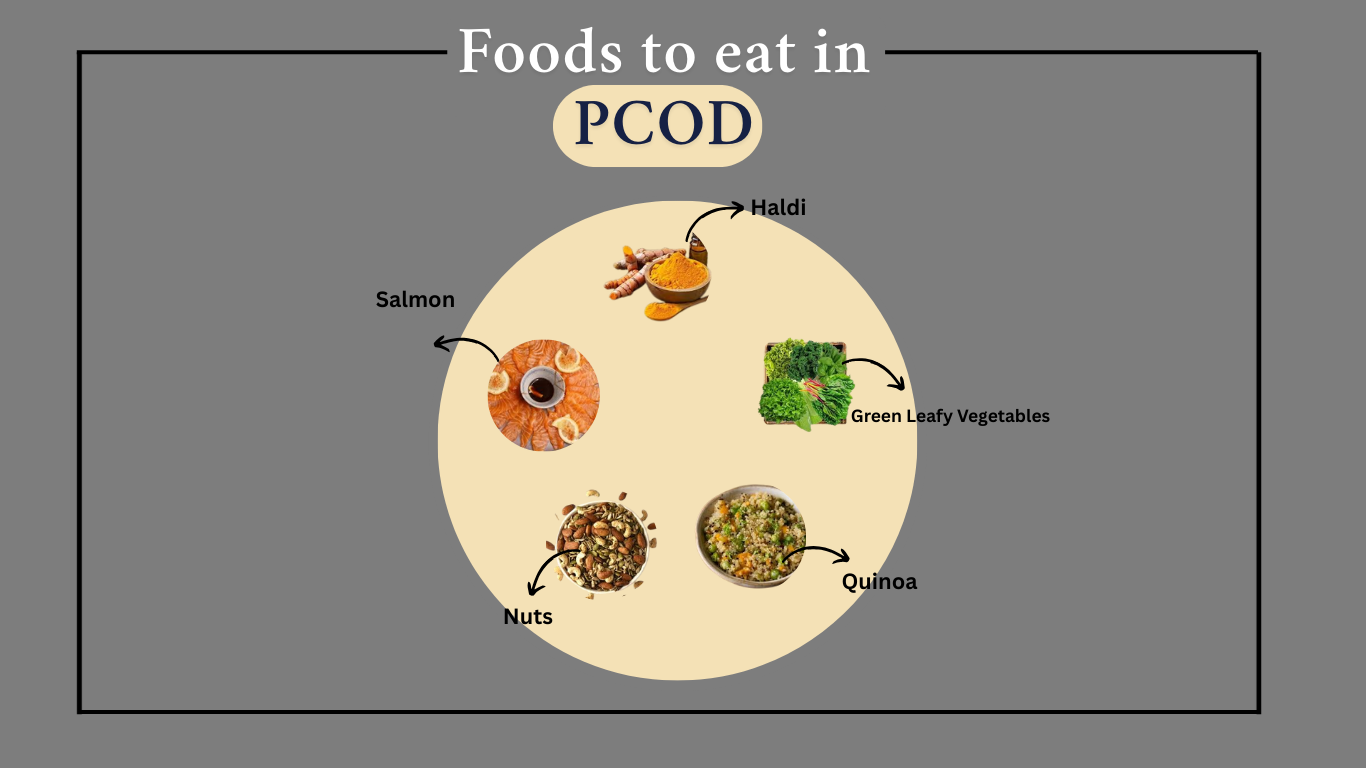
- Anti-inflammatory foods
- The DASH diet
- unrefined and natural food
- Fishes with high Omega fatty acids
- Leafy vegetables
- Dark red fruit like blueberries, blackberries, and cherries
- Healthy fats like olive oil, avocados, and coconuts
- Spices, including turmeric and cinnamon
- Dark chocolate but in moderation amount
-
Food to Avoid
- Refined carbohydrates such as cakes, pastries, and white bread.
- Fried food, processed food, and fast food
- Carbonated beverages because they are high in sugars
- Processed meats
- Margarine, shortening, and lard
- Red meat
-
Eat Pineapples and Papayas
-
Maintain A Good Sleep
- Go to bed early and get up early, roughly at the same time (after completing 7-9 hours of sleep).
- Don’t take naps
- Don’t read/watch/listen/hear or indulge in any kind of activity before going to bed
- Avoid consuming caffeine, especially after evening
- Exercise regularly, but do not try this late night
-
Skincare Regime
-
Positive Mindset
-
Common Medications
- Anti-diabetic medicines
- Hair growth inhibitor
- Hormone controlling medications
- Medications for irregular periods
-
Maintain a Healthy Weight
-
Surgical Methods
Conclusion (निष्कर्ष)
PCOD Kya hai? पीसीओडी क्या है must now be clear to you. You only require a slight change in your lifestyle, work on weight loss management, moderate exercise, and odds of getting pregnant. Diet and exercise are the two effective ways to manage weight and lose a high BMI. Your doctor may also advise you on birth control pills to manage menstrual bleeding. Lifestyle interventions are indeed the important aspects for managing the symptoms of menstrual bleeding issues. If you or anyone you know intends to become parents but fighting PCOD, PCOS, PMS or other natural bleeding issues, you can get to know more about आईवीएफ (IVF) का खर्च 2022 – प्रक्रियाएं व जानकारियां on the website of Vinsfertility. Vinsfertility helps you with the number of fertility issues. It is the place where you will get a lot of facilities like surrogacy, IVF, IUI, ICSI, Embryo Freezing, and Fertility Check-up. Vinsfertility is the center that is available not only in India but also in other places like Cyprus, Kenya, USA, Prague, Ukraine, Kazakhstan. You can get in touch with us by giving a missed call at +91 8448879134. References: https://pubmed.ncbi.nlm.nih.gov/18097891/ https://www.unicef.org/india/stories/do-pcod-and-pcos-mean-same-thing-or-are-they-different https://www.nightingales.in/blog/womens-health/pcod-causes-symptoms-and-treatment/ https://healthblog.uofmhealth.org/womens-health/7-things-to-know-about-polycystic-ovary-syndrome https://www.mydailymeal.com/what-is-pcod-general-guidelines-for-pcod/bed1bc1d-038a-442c-bd42-b49c871824ed/a https://healthlibrary.askapollo.com/pcod-diet-what-foods-to-eat-and-avoid/ https://www.pcosliving.com/pcos-living-blog/pcos-on-a-budget https://healthlibrary.askapollo.com/pcod-diet-what-foods-to-eat-and-avoid/ https://www.healthline.com/health/how-to-regulate-periods#see-a-doctor https://cimarindia.org/pcod/Sources & References
- The Surrogacy (Regulation) Act, 2021 — Government of India
- Indian Council of Medical Research (ICMR) — National ART & Surrogacy Registry
- NABL — National Accreditation Board for Testing and Calibration Laboratories
- World Health Organization (WHO) — Infertility clinical guidance
- PubMed — Peer-reviewed fertility research (NIH/NLM)
All external sources link to primary government, medical, or peer-reviewed material. This article is reviewed by a qualified fertility specialist and updated as clinical guidance changes.