
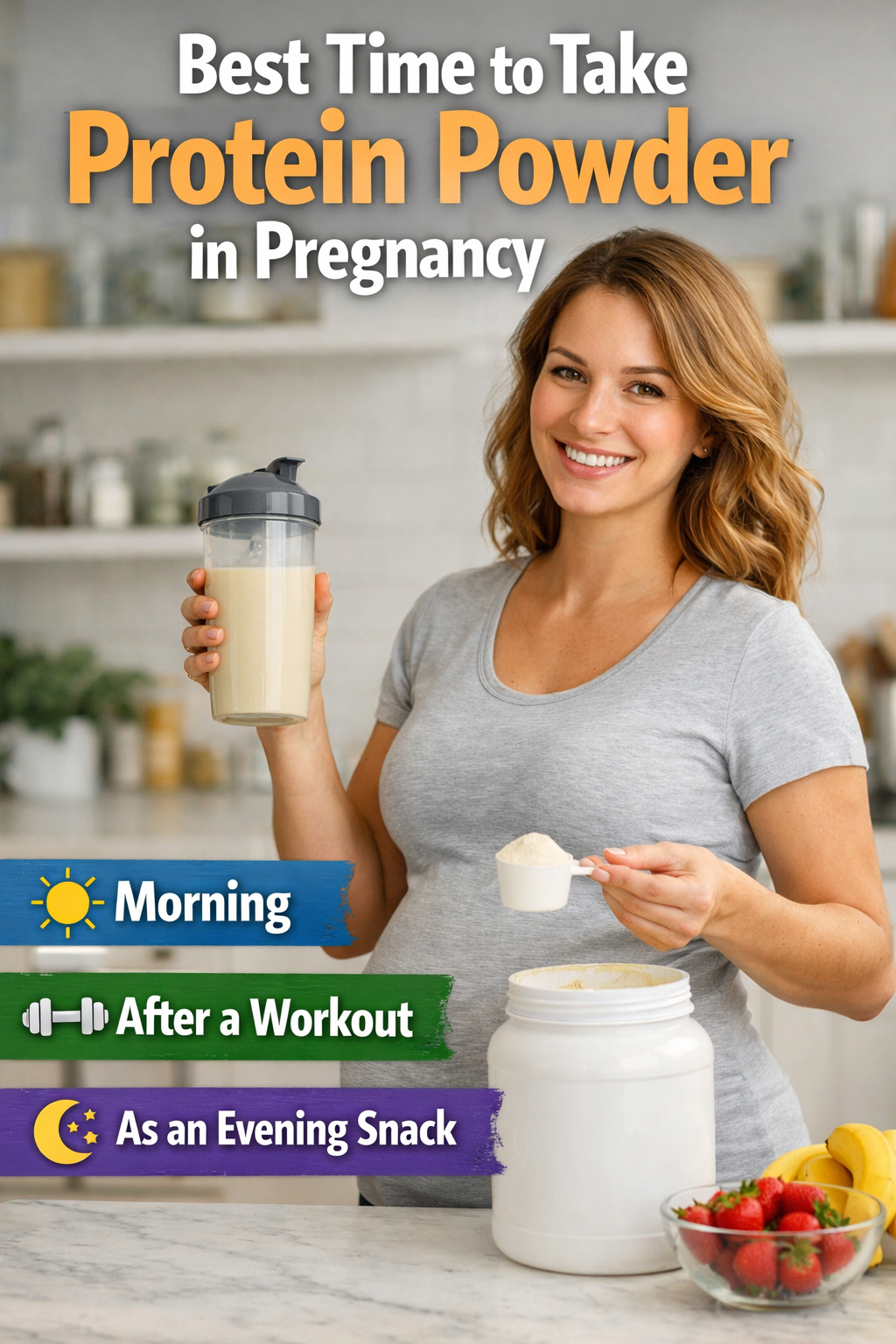
Best Time to Take Protein Powder in Pregnancy
Best Time to Take Protein Powder in Pregnancy
Pregnancy is one of the most nutritionally demanding phases of a woman's life. Your body is building an entirely new human being — and protein is the raw material that makes it possible.
Most pregnant women in India focus on iron, calcium, and folic acid. Protein quietly gets left behind. And that gap matters more than most people realise.
If your doctor or nutritionist has recommended a protein supplement during pregnancy, you might be wondering: when is the best time to take it? Does timing actually matter?
The short answer is yes — timing makes a difference. Here's what you need to know.
Why Protein Matters So Much During Pregnancy
Protein isn't just for muscles. During pregnancy, it's responsible for:
- Building your baby's organs, tissues, and cells
- Supporting the placenta — which is almost entirely made of protein
- Producing amniotic fluid
- Increasing your blood volume to support the pregnancy
- Supporting your own body's changing needs — hair, skin, immunity, and energy
The Indian Council of Medical Research (ICMR) recommends that pregnant women consume approximately 78g of protein per day — significantly higher than the 50–55g recommended for non-pregnant women.
Yet studies show that most Indian women consume far less than this, even during pregnancy. A diet centred around rice, roti, and dal — while nutritious in many ways — often falls short of meeting the elevated protein demands of pregnancy.
This is why many doctors and nutritionists recommend protein supplementation during pregnancy, particularly in the second and third trimesters when the baby's growth accelerates significantly.
When Is the Best Time to Take Protein Powder During Pregnancy?
There is no single universally "correct" time — but there are windows that work better than others depending on your symptoms, trimester, and daily routine.
1. Morning — After a Light Breakfast
For many pregnant women, mornings bring nausea — especially in the first trimester. Taking protein powder on a completely empty stomach can make nausea worse.
The best approach is to have a small, light breakfast first — a few crackers, a banana, or a piece of toast — and then take your protein shake about 30 minutes later.
By the second trimester, when morning sickness typically eases, a morning protein shake becomes one of the most practical habits to build. It sets a strong nutritional foundation for the rest of the day before the busyness of daily life takes over.
Best for: Second and third trimester, when appetite is more stable and protein needs are highest.
2. Mid-Morning — As a Snack Between Meals
Pregnancy often shifts eating patterns. Many women find that three large meals feel uncomfortable as the pregnancy progresses — the growing uterus leaves less room for a full stomach.
Smaller, more frequent meals become the norm. A protein shake mid-morning — around 10–11 AM — works well as a nutritious snack between breakfast and lunch. It keeps energy stable, reduces hunger, and contributes meaningfully to your daily protein target without requiring a full meal.
Best for: Women who experience frequent hunger, those who prefer smaller meals, and anyone who struggles to meet protein targets through food alone.
3. With Lunch or Dinner
Some women prefer to add protein powder to their meals rather than taking it separately. Stirring it into a glass of milk alongside lunch or dinner is a common approach.
This works particularly well for women who don't enjoy the idea of a separate "supplement" routine. It feels more like a part of the meal and less like a medical protocol.
However, avoid taking protein powder with very heavy, oil-rich meals as this can sometimes cause discomfort or slow digestion during pregnancy.
Best for: Women who prefer integrating supplements into meals rather than taking them separately.
4. Before Bed — For Overnight Nutrition
Your body does a significant amount of repair and growth work during sleep. The baby continues developing around the clock — including through the night.
A light protein shake about an hour before bed ensures your body has amino acids available during these overnight hours. This is particularly useful in the third trimester when fetal growth is most rapid.
Keep the pre-bed shake light — use water rather than milk to avoid heaviness or discomfort while lying down.
Best for: Third trimester, women who experience frequent nighttime hunger, those who struggle to meet daily protein targets by the end of the day.
5. After Physical Activity
If you're doing pregnancy-safe exercise — walking, prenatal yoga, or light swimming — taking protein within an hour after your workout helps support muscle recovery and replenishes what your body used during activity.
Physical activity during pregnancy is encouraged for most women (with doctor's clearance) and protein timing around exercise follows similar principles to non-pregnant nutrition.
Best for: Active pregnant women who continue exercising through pregnancy.
What to Avoid
Avoid taking protein powder:
- On a completely empty stomach in the first trimester — can worsen nausea
- With caffeinated drinks — caffeine is restricted during pregnancy anyway, but avoid combining
- In very large amounts at one time — distribute protein intake across the day rather than consuming it all in one sitting
- Without medical guidance — always consult your gynecologist or nutritionist before starting any supplement during pregnancy
How Much Protein Powder Is Safe During Pregnancy?
This is a question best answered by your doctor or nutritionist based on your individual dietary intake, health status, and stage of pregnancy.
As a general guideline, most protein supplements are used to bridge the gap between what you eat and what you need — not to replace food sources entirely.
If your regular diet provides 40–50g of protein and your pregnancy requirement is 78g, a supplement helping you add 10–20g per day may be recommended. But this is an individual calculation — not a standard recommendation for everyone.
Best Food Sources of Protein During Pregnancy
Before considering supplements, it's worth maximising protein from whole food sources:
- Dal and legumes — moong, masoor, chana, rajma
- Paneer — one of the best vegetarian protein sources
- Curd and buttermilk — easy to digest, good protein content
- Milk — particularly useful in the third trimester
- Eggs — excellent complete protein source for non-vegetarians
- Fish — particularly rahu, rohu, and salmon for those who consume it
- Nuts and seeds — almonds, peanuts, pumpkin seeds as snacks
- Soya — tofu, soy milk, soya chunks for vegetarians
For many Indian women — especially vegetarians — combining these sources consistently across three meals and two snacks can still fall short of the 78g target. This is where a doctor-recommended supplement can fill the gap.
Important Reminders
Always consult your doctor before starting any protein supplement during pregnancy.
Not all protein powders are suitable for pregnancy. Look for supplements that:
- Are free from artificial sweeteners, particularly sucralose and aspartame
- Have no added stimulants or herbal additives
- Are low in heavy metals (look for third-party tested products)
- Are clearly labelled as suitable for use during pregnancy, or cleared by your doctor
Some protein powders contain ingredients that are not recommended during pregnancy. Read labels carefully and when in doubt — ask your gynecologist.
Summary — Best Times at a Glance
| Time | Best For |
| Morning after light breakfast | Second and third trimester, stable appetite |
| Mid-morning as a snack | Frequent hunger, smaller meal preference |
| With lunch or dinner | Women who prefer meal integration |
| Before bed (light shake) | Third trimester, overnight nutrition |
| After pregnancy-safe exercise | Active pregnant women |
Final Thought
Pregnancy nutrition doesn't have to be overwhelming. Protein is one of the most important nutrients you can prioritise — for your baby's development and for your own health through this demanding phase.
Whether you get it from whole foods, a supplement, or a combination of both — consistency matters more than perfection. Talk to your doctor, understand your individual needs, and build a routine that works for your lifestyle.
Your body is doing something extraordinary. Give it the nutrition it deserves.
Sources & References
- The Surrogacy (Regulation) Act, 2021 — Government of India
- Indian Council of Medical Research (ICMR) — National ART & Surrogacy Registry
- NABL — National Accreditation Board for Testing and Calibration Laboratories
- World Health Organization (WHO) — Infertility clinical guidance
- PubMed — Peer-reviewed fertility research (NIH/NLM)
All external sources link to primary government, medical, or peer-reviewed material. This article is reviewed by a qualified fertility specialist and updated as clinical guidance changes.



.png)