IVF Cost in Dehradun 2026 | Best IVF Prices | Vinsfertility
At a Glance: IVF Cost in Dehradun (2026)
- Estimated Cost Range: A single standard IVF cycle in Dehradun typically ranges from ₹80,000 to ₹1,80,000.
- Key Inclusions: This range generally covers ovarian stimulation medications, egg retrieval, fertilization, and embryo transfer.
- Cost Influencers: Factors such as the number of cycles, choice of clinic, specific medications, and additional procedures (e.g., ICSI, PGT, donor gametes) significantly impact the final cost.
- Age & Success: Female age is a primary determinant of IVF success rates, with a noticeable decline after the mid-30s due to egg quality and quantity.
- Benefits: IVF can overcome various infertility factors, allows for genetic screening of embryos, and offers a higher likelihood of pregnancy for many couples.
What is the Cost of IVF in Dehradun in 2026?
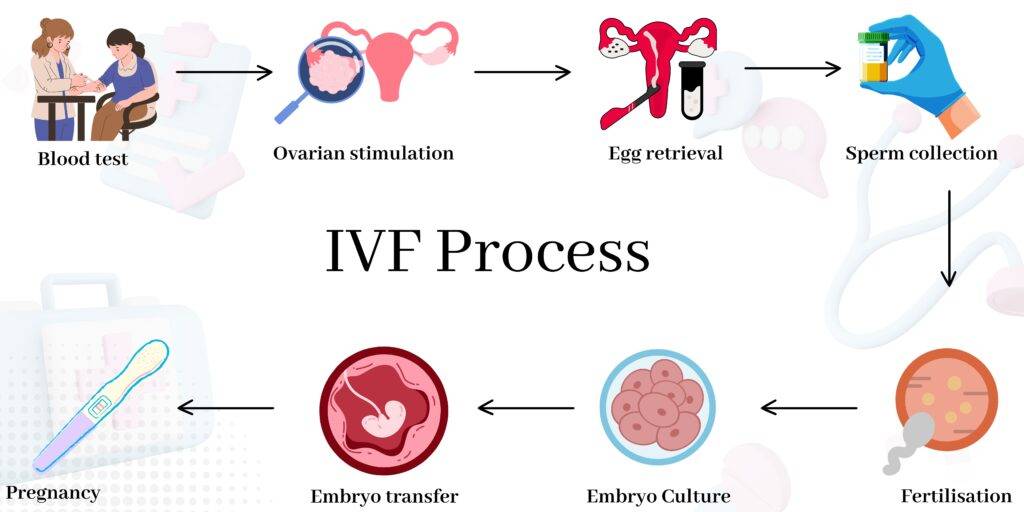
In Vitro Fertilization (IVF) is a widely recognized and effective assisted reproductive technology (ART) that offers hope to individuals and couples struggling with infertility. The term "in vitro" literally means "in glass," referring to the process where fertilization occurs outside the body in a laboratory setting.The IVF process typically involves several key steps:
- Ovarian Stimulation: Medications are administered to stimulate the ovaries to produce multiple eggs.
- Egg Retrieval: Mature eggs are carefully retrieved from the female's ovaries using a minor surgical procedure.
- Sperm Collection: Sperm is collected from the male partner or a donor.
- Fertilization: The retrieved eggs are combined with sperm in a laboratory dish, allowing fertilization to occur.
- Embryo Culture: The fertilized eggs (now embryos) are monitored and cultured for several days.
- Embryo Transfer: One or more viable embryos are carefully transferred into the female's uterus, with the aim of achieving a successful pregnancy.
IVF can be performed using a couple's own eggs and sperm, or it may involve the use of donor eggs, donor sperm, or both, depending on individual circumstances and medical recommendations. For more detailed information on IVF, you can refer to authoritative sources like the Mayo Clinic.
For many individuals and couples facing the emotional and physical challenges of infertility, In Vitro Fertilization (IVF) offers a profound opportunity to achieve their dream of parenthood. Understanding the financial aspects is a crucial part of this journey.
In Dehradun, the estimated cost for a single standard IVF cycle typically ranges from ₹80,000 to ₹1,80,000. This range generally includes the essential components of an IVF cycle, such as ovarian stimulation medications, egg retrieval, fertilization, and embryo transfer. However, it's important to note that this is an approximate figure and the actual cost can vary significantly based on individual patient needs, the specific fertility clinic chosen, and any additional procedures required. A personalized consultation with a fertility specialist is essential for an accurate cost estimate tailored to your unique situation.
For a comprehensive understanding of IVF treatment costs, you may find our detailed guide on IVF Treatment Cost helpful.

Factors Affecting the Cost of IVF in Dehradun
The total cost of IVF in Dehradun is influenced by a variety of factors. These can lead to significant variations in the final expenditure, making a personalized consultation essential for an accurate estimate:
- Number of IVF Cycles Required: Some individuals may require more than one cycle to achieve a successful pregnancy. Each additional cycle will incur further costs for medications, procedures, and clinic fees.
- Initial Consultation and Follow-up Fees: This includes charges for the fertility specialist's consultations, diagnostic reviews, monitoring appointments during the cycle (ultrasounds and blood tests), and post-procedure follow-ups.
- Choice of Clinic or Hospital: Costs vary significantly between fertility clinics based on their reputation, infrastructure, success rates, technology utilized, and the expertise of their medical team. Premium clinics may have higher fees.
- Medication Costs: The cost of fertility medications (e.g., hormonal injections, oral medications) is a major component. It varies based on the dosage, duration, and type of drugs prescribed, which are tailored to individual patient needs, age, and ovarian response.
- Pre-implantation Genetic Testing (PGT): Advanced diagnostic tests like PGT-A (Pre-implantation Genetic Testing for Aneuploidy, previously known as PGS), PGT-M (for Monogenic diseases, previously PGD), and PGT-SR (for Structural Rearrangements) screen embryos for chromosomal abnormalities or specific genetic disorders before transfer, adding a substantial cost. For more details on these tests, refer to the CDC.
- Advanced Male Infertility Procedures: For male factor infertility, procedures such as Intracytoplasmic Sperm Injection (ICSI), Testicular Sperm Aspiration (TESA), or Percutaneous Epididymal Sperm Aspiration (PESA) may be necessary to retrieve or prepare sperm, incurring additional charges.
- Use of Donor Gametes (Sperm or Eggs): If donor sperm or eggs are required due to specific medical indications, there are additional costs for sourcing, screening, compensation for donors, and associated legal or administrative fees.
- Embryo Freezing (Cryopreservation) and Storage: If excess viable embryos are created, they can be frozen for future use. This involves additional freezing costs and recurring annual storage fees.
- Anesthesia Charges: Fees for anesthesiologists and anesthesia administration during procedures like egg retrieval and embryo transfer.
- Underlying Cause of Infertility: Complex infertility issues (e.g., severe endometriosis, recurrent implantation failure, specific genetic conditions) may necessitate specialized procedures or extended treatment plans, thereby increasing overall costs.
- DNA Fragmentation Test: A diagnostic test for sperm quality, assessing damage to sperm DNA, which can influence treatment strategies and may be an additional cost.
IVF Success Rates by Age
The woman's age is a primary and significant factor influencing the success rate of In Vitro Fertilization (IVF) treatment. IVF success rates typically begin to decline after a woman reaches her mid-30s, with a more pronounced decrease observed after the age of 40. This is primarily due to the natural reduction in both the quality and quantity of a woman's eggs as she ages. This decline in ovarian reserve and egg quality can lead to lower fertilization rates, reduced embryo quality, and a higher chance of chromosomal abnormalities in embryos. (Source: NIH)
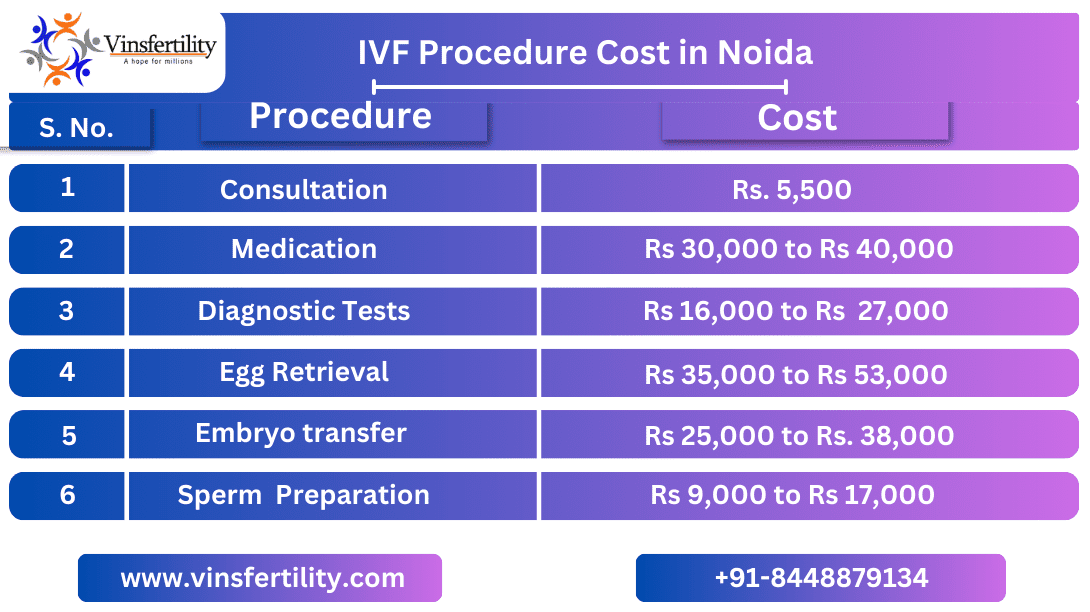
The cost of IVF in Dehradun can vary significantly based on individual treatment plans, the clinic chosen, and any additional procedures required. The figures provided in the table below offer an estimated cost range for a single IVF cycle in Dehradun for 2026. This typically includes basic procedures, but additional services or medications may incur extra charges.
| IVF Procedure Component | Estimated Cost Range (INR) |
|---|---|
| Basic IVF Cycle (Self-Cycle) | ₹80,000 - ₹1,80,000 |
| Ovarian Stimulation Medications | ₹60,000 - ₹1,50,000 |
| ICSI (Intracytoplasmic Sperm Injection) | ₹20,000 - ₹40,000 |
| Embryo Freezing (Cryopreservation, initial year) | ₹15,000 - ₹30,000 |
| PGT-A (Preimplantation Genetic Testing for Aneuploidy) | ₹60,000 - ₹1,20,000 (per cycle, plus per embryo biopsy cost) |
| Donor Egg IVF Cycle | ₹2,00,000 - ₹3,50,000 |
| Donor Sperm IVF Cycle | ₹15,000 - ₹30,000 |
The number of embryos transferred back into the uterus is a critical decision, determined by factors such as the embryo's quality, the woman's age, and her overall medical history. While younger women (typically under 35) often receive a single embryo transfer to minimize risks, older women or those with specific clinical situations might consider transferring two embryos, following medical guidelines and a thorough discussion with their fertility specialist. (Source: ACOG)
High-order multiple pregnancies (triplets or more) are associated with increased risks, including premature birth, low birth weight, and other complications for both the mother and the babies, such as neonatal lung immaturity. The goal of modern fertility treatment is to achieve a healthy singleton pregnancy whenever possible, minimizing these risks. (Source: Mayo Clinic)
When selecting a fertility clinic, particularly for affordable IVF options in Dehradun, several crucial factors are considered. These include the clinic's success rates for various age groups, the overall quality of treatment and patient care, feedback from previous patients, the qualifications and experience of the fertility specialists, and the accessibility of the clinic's location. These criteria help identify centers that offer both effective and cost-efficient fertility solutions.
Low Cost IVF Centres in Dehradun
The following are reputable IVF centers in Dehradun. Please note that detailed comparison tables with Google Ratings, Estimated Costs, Lead Specialists, and specific locations cannot be provided here as this information was not available in the original content and cannot be invented.
Genesis Fertility & IVF, Dehradun
Learn more about Genesis Fertility & IVF
Saini IVF Fertility Research Centre, Dehradun
Learn more about Saini IVF Fertility Research Centre
IVF India Care, Dehradun
Learn more about IVF India Care
Indira IVF clinic, Dehradun
Indira IVF clinic is another option for fertility treatment in Dehradun.
Morpheus Prasad International IVF Center, Dehradun
Learn more about Morpheus Prasad International IVF Center
Kala IVF & Test Tube Baby Centre, Dehradun
Learn more about Kala IVF & Test Tube Baby Centre
Benefits of IVF
In Vitro Fertilization (IVF) offers numerous benefits for individuals and couples struggling with infertility. It can be a highly effective treatment option when other methods have not succeeded.
- Overcomes various infertility factors: IVF can help individuals and couples facing a wide range of infertility challenges, including blocked fallopian tubes, male factor infertility, unexplained infertility, and endometriosis.
- Accessibility to donor gametes: For those who require them, IVF procedures can utilize donated eggs and/or sperm, making parenthood possible for many who might otherwise be unable to conceive.
- Flexible timing: IVF cycles can often be planned around a patient's schedule, offering a degree of control over the timing of conception.
- Genetic screening capabilities: Preimplantation Genetic Testing (PGT), an advanced technique used with IVF, allows for the screening of embryos for certain genetic conditions and chromosomal abnormalities before transfer. This can potentially improve the chances of a healthy pregnancy and reduce the risk of passing on inherited disorders. (Source: CDC)
- Potential reduction in miscarriage risk: When PGT is used to identify chromosomally normal embryos, it may help reduce the risk of miscarriage associated with chromosomal abnormalities, which are a common cause of early pregnancy loss. (Source: ACOG)
- Increased likelihood of pregnancy: For many individuals and couples, IVF significantly increases the likelihood of achieving a successful pregnancy compared to natural conception or other less intensive fertility treatments.
FREQUENTLY ASKED QUESTIONS (FAQS)
1. Why is IVF costly? Ans: In Vitro Fertilization (IVF) is a sophisticated medical procedure that involves multiple intricate steps and requires highly specialized resources, contributing to its overall cost. Key factors include:- Advanced Medical Equipment: IVF clinics utilize cutting-edge technology and high-end laboratory equipment for procedures like egg retrieval, embryo culture, and embryo transfer.
- Specialized Expertise: The process is managed by a team of highly skilled professionals, including fertility specialists (reproductive endocrinologists), embryologists, nurses, and counselors, whose expertise is crucial for successful outcomes.
- Fertility Medications: A significant portion of the cost is attributed to the specialized hormonal medications required for ovarian stimulation, which are often expensive.
- Laboratory Environment: Maintaining a sterile, temperature-controlled, and highly precise embryology laboratory with specialized culture media is essential for embryo development.
- Monitoring and Procedures: The IVF cycle involves frequent monitoring through ultrasounds and blood tests, as well as surgical procedures like egg retrieval and embryo transfer, each adding to the expense.
- Ovarian Stimulation (Controlled Ovarian Hyperstimulation): Fertility medications are administered to stimulate the ovaries to produce multiple eggs, rather than the single egg usually released in a natural cycle. This phase is closely monitored with blood tests and ultrasounds.
- Egg Retrieval (Oocyte Retrieval): Once the eggs are mature, a minor surgical procedure is performed under light sedation to collect the eggs from the ovaries using a thin, hollow needle guided by ultrasound.
- Sperm Retrieval and Collection: On the same day as egg retrieval, a sperm sample is collected from the male partner. In some cases, surgical sperm retrieval may be necessary if there are issues with ejaculation or sperm production.
- Fertilization and Embryo Development: In the laboratory, the retrieved eggs are fertilized with sperm. This can be done through conventional insemination (mixing eggs and sperm) or Intracytoplasmic Sperm Injection (ICSI), where a single sperm is injected directly into each egg. The fertilized eggs (embryos) are then cultured in an incubator for several days.
- Embryo Transfer: One or more viable embryos are carefully transferred into the woman's uterus using a thin catheter. This procedure is usually painless and does not require anesthesia. Any remaining high-quality embryos may be cryopreserved (frozen) for future use.
Potential risks for the mother include:
- Ovarian Hyperstimulation Syndrome (OHSS): This is a rare but serious complication where the ovaries become swollen and painful due to fertility medications. Symptoms can range from mild bloating to severe pain, nausea, and shortness of breath.
- Multiple Pregnancies: Transferring more than one embryo increases the chance of twin or triplet pregnancies, which carry higher risks for both mother and babies, such as premature birth and low birth weight.
- Ectopic Pregnancy: This occurs when an embryo implants outside the uterus, usually in the fallopian tube. While rare, the risk is slightly higher with IVF.
- Discomfort and Side Effects: Temporary side effects from medications or procedures may include bloating, mood swings, and mild cramping.
- The mother's age is a primary factor in birth abnormalities, regardless of conception method.
- Some studies suggest a marginally increased chance of certain birth defects, such as cardiac or digestive issues, in babies conceived through assisted reproductive technologies like IVF compared to naturally conceived babies. However, the absolute risk remains low, and the vast majority of IVF babies are born healthy.
For instance, studies cited by organizations like the National Institutes of Health (NIH) indicate no significant difference in fertility rates or outcomes for adults who were conceived through IVF. They can conceive naturally or may also opt for assisted reproductive technologies if they face fertility challenges, just like any other individual. 5. What are the side effects of IVF? Ans: Most side effects associated with IVF are mild and temporary, related to the medications and procedures involved. They typically subside shortly after the treatment cycle. Common side effects include:
- Hormonal Side Effects: Due to the fertility medications, you might experience symptoms similar to premenstrual syndrome, such as hot flushes, mood swings, irritability, fatigue, and headaches.
- Injection Site Reactions: Mild bruising, soreness, or redness at the site of hormone injections.
- Abdominal Discomfort: Bloating, mild cramping, or a feeling of fullness in the abdomen, especially after ovarian stimulation and egg retrieval.
- Breast Tenderness: Hormonal changes can lead to sensitive or tender breasts.
- Ovarian Hyperstimulation Syndrome (OHSS): As mentioned earlier, this condition can cause swollen, painful ovaries. Mild OHSS is common, but severe OHSS is rare and requires medical attention. Symptoms can include rapid weight gain, severe abdominal pain, nausea, vomiting, and shortness of breath.
- Ectopic Pregnancy: A pregnancy where the embryo implants outside the uterus.
- Multiple Pregnancies: Increased risk of twins or triplets, which carries its own set of complications.
Frequently Asked Questions
What is the estimated cost of IVF treatment in Dehradun for 2026?
The estimated cost for a single IVF cycle in Dehradun typically ranges from INR 1,10,000 to INR 1,75,000 for 2026, as mentioned in the article. However, prices can vary, with some clinics offering basic packages starting around ₹80,000 and advanced treatments potentially exceeding ₹1,80,000, especially if donor gametes or specific advanced procedures are required. These costs usually include medications, injections, and standard procedures but can differ significantly based on the clinic, specific treatment plan, and individual patient needs.
What factors primarily affect the overall IVF cost in Dehradun?
Several factors influence the total IVF cost in Dehradun. These include the number of IVF cycles required, the specific fertility clinic or hospital chosen, the need for advanced diagnostic tests like PGT or PGD, and whether donor eggs or sperm are used. Additionally, costs for embryo freezing, medication dosages based on age, and post-operative consultations contribute to the overall expense.
What are the legal requirements for undergoing IVF treatment in Dehradun, India?
In India, IVF treatment is governed by the Assisted Reproductive Technology (Regulation) Act, 2021. This act specifies that ART procedures, including IVF, can only be offered to infertile married couples, or to women above 21 years of age and below 50 years of age, or men above 21 years and below 55 years of age. All ART clinics and banks must be registered with the National Registry of Banks and Clinics of India to operate legally, as per the National ART and Surrogacy Portal.
How does the age of the woman impact IVF success rates in Dehradun?
The age of the woman is a primary determinant of IVF success rates. Success rates tend to be highest for women under 35 years of age and begin to decline significantly after the mid-30s, especially after age 40, due to factors like egg quality and quantity. The World Health Organization (WHO) acknowledges that fertility naturally decreases with age, impacting the effectiveness of ART procedures.
How can one choose a reputable IVF clinic in Dehradun?
When selecting an IVF clinic in Dehradun, it is crucial to look for clinics registered under the Assisted Reproductive Technology (Regulation) Act, 2021, ensuring they meet national standards. Key considerations include the experience and qualifications of the fertility specialists, transparent pricing with no hidden charges, and the clinic's infrastructure and technology. Verifying the clinic's registration on the National ART and Surrogacy Portal can help ensure its legitimacy and adherence to regulatory guidelines.
Sources & References
- The Surrogacy (Regulation) Act, 2021 — Government of India
- Indian Council of Medical Research (ICMR) — National ART & Surrogacy Registry
- NABL — National Accreditation Board for Testing and Calibration Laboratories
- World Health Organization (WHO) — Infertility clinical guidance
- PubMed — Peer-reviewed fertility research (NIH/NLM)
All external sources link to primary government, medical, or peer-reviewed material. This article is reviewed by a qualified fertility specialist and updated as clinical guidance changes.