IVF Cost in Nairobi, Kenya (2026): KES 350,000 – 750,000 Per Cycle
At a Glance: IVF Cost in Nairobi, Kenya (2026)
- Estimated Cost Range: KES 350,000 to KES 750,000 (approximately $2,700–$5,800 USD) for a single standard IVF cycle.
- A typical standard cycle is often quoted around KES 600,000, but total treatment costs can reach KES 1,000,000 or more with additional procedures.
- Nairobi is Kenya's leading hub for fertility care, offering services from over 15 established IVF centres.
- Many essential services, such as initial diagnostics, advanced fertilization techniques (ICSI), embryo freezing, and Preimplantation Genetic Testing (PGT), are typically *excluded* from the basic cycle price and incur additional fees.
- IVF success rates are highly dependent on the patient's age and underlying infertility factors; always inquire about age-specific live-birth rates from clinics.
In and around Nairobi for 2026, the estimated cost for a single In Vitro Fertilization (IVF) cycle typically ranges from KES 350,000 to KES 750,000 (approximately $2,700–$5,800). A standard cycle, which covers hormone stimulation through to the initial pregnancy test, is commonly quoted around KES 600,000. Total treatment costs, however, can range from KES 500,000 to KES 1,000,000 or more, depending on the specific diagnosis, required protocol, and any additional procedures, excluding initial diagnostic investigations.
Nairobi, Kenya's vibrant capital, serves as the country's primary hub for fertility care. Over the past two decades, the city has seen a significant increase in specialized fertility services, now home to more than 15 established IVF centres. This guide from Vinsfertility aims to clarify the expected expenses for IVF in Nairobi and detail the various factors that influence these costs, offering insights into IVF treatment costs more broadly.
What Factors Influence IVF Costs in Nairobi?
Kenya's fertility industry is one of the nation's fastest-growing specialized healthcare markets, with Nairobi at its forefront. The city boasts clinics that pioneered some of Kenya's earliest IVF births, alongside newer, highly specialized centres and international chains that have expanded into the region from countries like India. Demand for fertility treatment has surged, with some major Nairobi clinics reporting performing 80 to 100 IVF cycles monthly – a volume that once represented the entire output of Kenya's IVF sector.
- Clinic Reputation and Establishment: Long-established Kenyan clinics, particularly those credited with early IVF successes in the region, may have different pricing structures compared to newer specialized practices or international chains expanding into Kenya. This can reflect their legacy, infrastructure investment, and brand recognition.
- Doctor Experience and Expertise: Nairobi's fertility specialists bring a wealth of experience to the field, with many doctors reporting 15 to over 40 years in reproductive medicine, often with advanced training from leading institutions in the UK and other international centres. More experienced specialists often have higher consultation and procedure fees due to their specialized knowledge and skill.
- Embryology Lab Quality and Technology: Clinics that invest in cutting-edge embryology infrastructure, such as time-lapse embryo monitoring, advanced micromanipulation techniques, and AI-assisted semen analysis, typically have higher operational costs. These advanced technologies are designed to enhance success rates by improving embryo selection and overall lab efficiency, which can be reflected in treatment fees. The sophistication of a clinic's embryology laboratory significantly impacts success rates and, consequently, costs.
- Medication Protocols and Costs: IVF treatment involves a range of medications, including those for ovarian stimulation, hormone regulation, and embryo implantation support. The type, dosage, and duration of these medications, which vary based on individual patient needs and clinic protocols, represent a substantial portion of the total IVF cost. Some clinics may include these in a package, while others bill them separately.
- Bundled vs. Itemized Billing: Clinics differ widely in how they present their fees. Some offer a single headline treatment price that might exclude initial screening, diagnostic tests, or post-transfer care, while others provide a fully itemized breakdown of every step. This makes direct, like-for-like cost comparison challenging without a detailed, written quotation from each clinic. It's essential to understand exactly what is included in any quoted price.
- High Demand Relative to Capacity: The rising interest in fertility treatment, coupled with a still-limited number of highly specialized centres nationally, contributes to pricing. This dynamic can lead to higher costs relative to average household incomes, a factor that Kenyan health reporting has specifically highlighted as a barrier for some couples seeking treatment.
- Operational Costs and Infrastructure: As a major urban centre, Nairobi has higher operational costs for medical facilities, including rent, utilities, specialized equipment maintenance, and staffing salaries for highly skilled professionals. These overheads are inherently factored into the overall cost of IVF services.
- Number of Cycles: The total cost can increase if more than one IVF cycle is required to achieve a successful pregnancy. While clinics quote per-cycle costs, the overall investment depends on individual response to treatment and the number of attempts needed.
What a "Standard Cycle" Price Does and Does Not Include
Understanding what is covered in a quoted IVF fee is crucial for financial planning. While practices vary slightly by clinic, most Nairobi centres outline specific inclusions and exclusions.
Included in a Typical Standard IVF Cycle
A standard IVF cycle package at several Nairobi centres typically bundles the core components of the treatment, from ovarian stimulation to the initial confirmation of pregnancy:
- Medications for Ovarian Stimulation: This usually covers the primary fertility drugs prescribed to stimulate the ovaries to produce multiple eggs.
- Ultrasound Examinations During Monitoring: Regular ultrasound scans are conducted to monitor the growth and development of ovarian follicles, ensuring optimal timing for egg retrieval.
- Egg Retrieval Procedure: This is a minor surgical procedure performed under sedation to collect mature eggs from the ovaries.
- Embryo Transfer: The procedure where selected embryos are carefully placed into the uterus.
- The Initial Pregnancy Test: Typically a blood test (beta-hCG) performed approximately two weeks after embryo transfer to detect pregnancy.
Common Exclusions from a Standard IVF Cycle
Many essential services and advanced techniques are often not included in the basic "standard cycle" price and represent additional costs. It is vital to clarify these with your clinic:
- Diagnostic Investigations and Pre-treatment Screening: This includes initial fertility assessments for both partners, such as hormonal tests, semen analysis, infectious disease screening (e.g., HIV, Hepatitis B/C), and genetic screening. These are typically charged separately, even at clinics with published all-inclusive treatment fees.
- Advanced Fertilisation Techniques: Procedures like Intracytoplasmic Sperm Injection (ICSI), where a single sperm is injected directly into an egg, are often used for male factor infertility or previous fertilization failures and incur an additional fee.
- Embryo Freezing and Storage Charges: If surplus embryos are created, freezing them for future use (cryopreservation) and their subsequent annual storage charges are typically separate costs. This allows for additional transfers without undergoing another full stimulation cycle.
- Preimplantation Genetic Testing (PGT): Preimplantation Genetic Testing (PGT) screens embryos for chromosomal abnormalities (PGT-A) or specific genetic diseases (PGT-M/PGT-SR) before transfer, which can improve success rates and prevent passing on inherited conditions. This is an elective, additional service.
- Donor Egg, Donor Sperm, or Donor Embryo Services: If donor gametes or embryos are required, the costs associated with donor recruitment, screening, compensation, and legal fees are distinct from the standard IVF cycle.
- Anesthesia for Egg Retrieval: While the egg retrieval procedure itself may be included, the cost of anesthesia provided by an anesthesiologist is often billed separately.
- Post-transfer Medications: While ovarian stimulation medications are usually included, other necessary medications, such as progesterone support after embryo transfer, may be an additional cost.
- Ongoing Pregnancy Care: Once a positive pregnancy test is confirmed, all further medical expenses related to antenatal care, delivery, and postnatal care are typically borne by the patient separately. At least one Nairobi clinic explicitly states that once pregnancy is confirmed, the patient meets all further medical expenses.
- Follow-up/Return Consultations: Any consultations beyond the initial treatment planning and monitoring phases, including discussions about failed cycles or future plans, are typically billed per visit.
- Repeat Cycles or Multiple Transfers: The quoted price generally covers one fresh IVF cycle and one embryo transfer. If the first cycle is unsuccessful, or if additional frozen embryo transfers are needed, these will incur new costs.
- Counseling and Support Services: While some clinics may offer basic support, comprehensive psychological counseling or support groups are often separate services that may incur additional fees.
Full IVF Cost Breakdown in Nairobi: Every Line Item Explained
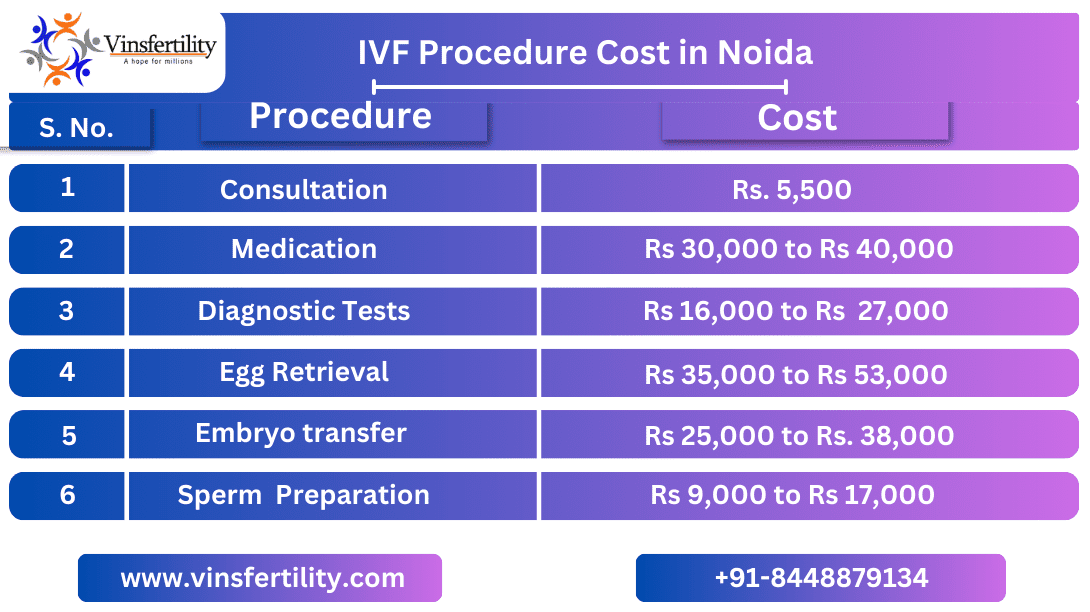
Based on a published fee schedule from established Nairobi clinics, alongside broader market estimates for 2026, here is a detailed breakdown of potential IVF costs. Prices can vary significantly between clinics and depending on individual patient needs. For a comprehensive understanding of the overall financial commitment for IVF treatment cost, it is essential to consider all potential line items and discuss them thoroughly with your chosen fertility specialist.
| Item | Estimated Fee (KES) | Approx. USD | Notes |
|---|---|---|---|
| First Consultation | 5,000–8,000 | 35–60 | Initial assessment with a fertility specialist to review medical history and discuss treatment options. |
| Return Consultation | 3,000–5,000 | 20–40 | Follow-up visits during or after treatment cycles. |
| Health Screen Tests (both partners) | 15,000–25,000 | 115–190 | Baseline screening for infectious diseases (e.g., HIV, Hepatitis B/C) and general health markers, crucial for safe treatment. |
| Hormonal Tests (female partner) | 18,000–30,000 | 140–230 | Comprehensive hormone panel (e.g., FSH, LH, E2, Prolactin, AMH, Thyroid hormones) to assess ovarian reserve and function. |
| Hormonal Tests (male partner, if required) | 9,000–15,000 | 70–115 | Specific hormone tests (e.g., Testosterone, FSH, LH) as indicated by initial semen analysis or medical history. |
| Pelvic Ultrasound Scan | 3,000–6,000 | 20–45 | Used for monitoring ovarian stimulation, assessing uterine health, and identifying any structural abnormalities. |
| Semen Analysis | 3,000–5,000 | 20–40 | Essential test for male fertility assessment, evaluating sperm count, motility, and morphology. |
| IVF Treatment (standard cycle) | 400,000–750,000 | 3,075–5,770 | Includes ovarian stimulation medications, follicular monitoring, egg retrieval, fertilization, embryo culture, and fresh embryo transfer. This is the core procedure cost. |
| ICSI (Intracytoplasmic Sperm Injection) | 50,000–100,000 | 385–770 | An advanced technique where a single sperm is injected directly into an egg, often recommended for male factor infertility or previous fertilization failures. |
| Embryo Freezing (Cryopreservation) | 70,000–150,000 | 540–1,155 | Cost for freezing viable embryos not used in the initial fresh transfer, typically includes storage for the first year. |
| Annual Embryo Storage Fee | 20,000–40,000 | 155–305 | Cost for storing frozen embryos beyond the initial freezing period, usually billed annually. |
| Preimplantation Genetic Testing (PGT) | 250,000–500,000+ | 1,925–3,850+ | Genetic screening of embryos for chromosomal abnormalities (PGT-A) or specific genetic disorders (PGT-M/PGT-SR). Costs vary significantly per embryo and per cycle. |
| FET (Frozen Embryo Transfer) | 80,000–180,000 | 615–1,385 | Transfer of a previously frozen and thawed embryo into the uterus, often with significantly lower medication costs than a fresh cycle. |
| IUI (Intrauterine Insemination, for comparison) | 25,000–244,000 | 190–1,875 | A less invasive fertility treatment, often a first step for some couples, involving the direct placement of washed sperm into the uterus. Costs vary depending on medication and number of cycles. |
Hidden Costs Most Clinics Don't Advertise Upfront
When planning for IVF, it's crucial to be aware of potential additional expenses that may not be included in the headline package price. Always request a detailed, itemized cost estimate from your chosen clinic:
- Variable Medication Costs: The cost of fertility medications can fluctuate significantly based on the specific drugs prescribed, the dosage required, and the duration of treatment. These are often the second largest cost component after the base procedure.
- Additional Diagnostic Investigations: Any further tests or procedures required to diagnose underlying issues, beyond the initial screening (e.g., hysteroscopy, laparoscopy), are typically billed separately.
- Advanced Techniques and Add-ons: Procedures like Intracytoplasmic Sperm Injection (ICSI), embryo freezing (cryopreservation), long-term embryo storage, and Preimplantation Genetic Testing (PGT) are usually not part of a standard IVF package and incur additional fees.
- Post-Positive-Pregnancy-Test Care: Medical care and monitoring immediately following a positive pregnancy test, such as early pregnancy scans and blood tests, may be charged separately by some clinics.
- Anesthesia Fees: While often included, it is important to confirm if anesthesia for egg retrieval is part of the package or an additional charge.
- Counseling Services: Psychological support and counseling, which can be immensely beneficial during the emotional journey of fertility treatment, may be offered as an optional extra.
Medication Cost Swing Based on Age and Ovarian Response
Medication is consistently identified as the second major driver of IVF cost in Nairobi, after the core procedure itself. The total cost of fertility drugs is highly individualized and depends on several factors:
- Type of Medication: Different IVF protocols may use various drugs, including gonadotropins (Follicle-Stimulating Hormone - FSH, Luteinizing Hormone - LH), GnRH agonists/antagonists, and progesterone. Each type of medication has different price points.
- Dosage Required: The specific dosage of stimulating hormones is precisely tailored to each patient's ovarian reserve – the quantity and quality of eggs remaining in the ovaries. Patients with lower ovarian reserve or those who respond poorly to initial doses may require higher doses or longer treatment durations, directly increasing costs.
- Stimulation Protocol: The chosen protocol (e.g., antagonist, agonist, mild stimulation) dictates the specific sequence, duration, and intensity of medication use, influencing the overall drug expenditure.
- Patient Age: Younger patients (typically under 35) with good ovarian reserve often require lower medication doses compared to older patients or those with conditions like diminished ovarian reserve. This is because female fertility naturally declines with age, impacting both egg quantity and quality. The American College of Obstetricians and Gynecologists (ACOG) provides further information on how age and other factors affect fertility.
Always discuss the estimated medication costs and potential variations with your fertility specialist during your consultation to ensure clear financial planning.
IVF Success Rates in Nairobi: What to Realistically Expect
Understanding IVF success rates is crucial for prospective parents, but it's important to interpret these figures carefully. Reported success rates in Nairobi, like in many other regions, can vary considerably by clinic and by the specific metric used for "success." Some clinics might quote pregnancy rates (presence of a heartbeat), while others report live birth rates, which is the most accurate and clinically relevant measure of success.
While some sources cite general success rates around 70%, and others report 40–60% for women under 35, with some clinics advertising even higher figures (75–85%), these headline numbers should be viewed cautiously. It is advisable to ask clinics for independently reported, age-specific live-birth data rather than relying solely on advertised figures. Reputable health organizations, such as the Centers for Disease Control and Prevention (CDC) in the US, publish detailed clinic-specific success rates based on live births, which can serve as a benchmark for understanding transparent reporting.
It's important to understand that IVF success is strongly age-dependent: female fertility gradually declines with age, especially from the mid-30s onward, and more rapidly after 37, primarily due to a decrease in egg quantity and quality.
Factors Influencing IVF Success Rate in Nairobi
Several critical factors can significantly impact the likelihood of a successful IVF outcome:
- Patient's Age: This is arguably the most significant factor, as egg quality and quantity naturally decline with advancing maternal age.
- Underlying Cause(s) of Infertility: Conditions such as tubal factors, male factor infertility, ovulatory disorders, or unexplained infertility can all affect success rates. Male factors are commonly cited contributors to infertility in Kenya.
- Ovarian Reserve: The number of eggs available in the ovaries, as indicated by hormone levels (e.g., Anti-Müllerian Hormone - AMH, Follicle-Stimulating Hormone - FSH) and antral follicle count, significantly influences response to stimulation.
- Stimulation Protocol: The specific medication regimen and timing used by the fertility doctor to stimulate egg production and optimize egg retrieval.
- Advanced Medical Technology: Access to modern laboratory equipment and techniques for embryo culture, cryopreservation, and genetic testing can enhance outcomes.
- Quality of the Andrology and IVF Laboratory: The expertise and technology within the lab for sperm processing, egg fertilization, and embryo development are paramount to success.
- Experience of the IVF Doctor and Embryology Team: The skill, experience, and consistent performance of the medical team play a crucial role in every stage of the IVF process.
- Number of IVF Cycles Undertaken: Success rates often increase with each subsequent cycle, though there is a diminishing return after a certain number of attempts.
- Lifestyle Factors: Factors such as diet, exercise, smoking, alcohol consumption, and stress levels in both partners can influence fertility and IVF outcomes.
- Previous Pregnancy History: A history of previous successful pregnancies (especially live births) can sometimes indicate a higher chance of success with IVF.
IVF Cost by Treatment Type: IVF vs ICSI vs IUI
| Procedure | Estimated Price Range (KES) | Best Suited For |
|---|---|---|
| Standard IVF (self-cycle) | 400,000–750,000 (~$3,000–$5,800) | Tubal factor infertility, unexplained infertility, mild male factor infertility, or ovulatory dysfunction. |
| IVF with ICSI | 600,000–850,000 (~$4,600–$6,500) | Severe male factor infertility, previous fertilisation failure in standard IVF, or when using frozen sperm. |
| Donor Egg IVF | 650,000–900,000 (~$5,000–$7,000) | Diminished ovarian reserve, premature ovarian failure, advanced maternal age, or repeated IVF failure with own eggs. |
| IUI (for comparison) | 25,000–244,000 (~$190–$1,900) | First-line treatment for milder infertility cases, including unexplained infertility, mild male factor, or cervical factor issues, often tried before IVF. |
When ICSI is Medically Justified vs. Potentially Upsold
Intracytoplasmic Sperm Injection (ICSI) is a specialised procedure where a single sperm is injected directly into an egg. According to the Mayo Clinic, it is medically justified in specific situations such as severe male factor infertility (e.g., very low sperm count, poor motility, or abnormal morphology), prior fertilisation failure during conventional IVF, or when using frozen sperm that may have reduced viability. If ICSI is recommended without a clear male-factor indication or other justified medical reason, couples should openly discuss with their fertility specialist why it is needed, as some clinics may offer it routinely as an add-on, which can increase overall costs without necessarily improving outcomes in all cases.
Cost of Donor Egg, Donor Sperm, and Donor Embryo Cycles
- Donor egg cycle: The cost for IVF with donor eggs in Nairobi typically ranges from KES 650,000 to KES 900,000. This includes the cost of the donor's medical screening, medication, and compensation, in addition to the standard IVF procedures. Pricing can vary significantly based on the clinic's donor program and the specific donor chosen.
- Donor sperm cycles: For IVF or IUI cycles using donor sperm, the cost will include the price of the donor sperm sample itself, in addition to the base treatment cost. Donor sperm typically adds KES 50,000–150,000 to the overall cycle cost, depending on the sperm bank and donor characteristics.
- Donor embryo cycles: Using donor embryos involves transferring embryos created from both donor eggs and donor sperm. This option is generally considered when both partners have fertility challenges or when single individuals require both gametes. Pricing for donor embryo cycles varies widely by clinic and availability, often ranging from KES 500,000–800,000. It is crucial to request an itemised quote from your chosen clinic.
- Surrogacy: Kenya does not currently have a dedicated surrogacy law comparable to some other countries' frameworks; arrangements are handled under general contract and child-related legal principles. Couples considering surrogacy in Kenya should seek independent legal counsel alongside clinical advice, given this less clearly codified legal landscape.
Low-Cost IVF in Nairobi: How to Genuinely Reduce Your Bill
- Compare local centres directly: Nairobi boasts a growing number of established IVF centres, from long-standing Kenyan-founded clinics to newer specialized practices. It's highly advisable to compare comprehensive quotes and services from several clinics before making a commitment. When comparing, look beyond the initial price and consider factors such as clinic accreditation, the experience and qualifications of the fertility specialists, and patient reviews. For guidance on selecting a clinic, refer to resources from reputable health organizations. Mayo Clinic offers advice on choosing a fertility clinic.
- Understand what the "treatment fee" actually includes: A common pitfall is misunderstanding what a quoted "headline" IVF price truly covers. As the fee-schedule example earlier suggests, many essential components like initial diagnostics, screening tests, and follow-up consultations are often billed as separate line items. Always ask for a detailed breakdown.
Common exclusions from a basic IVF package can include:- Fertility medications (ovarian stimulation drugs, hormone support)
- Cryopreservation (freezing) of surplus embryos or sperm
- Intracytoplasmic Sperm Injection (ICSI), if required
- Preimplantation Genetic Testing (PGT) for embryo health
- Donor services (egg, sperm, or embryo donation)
- Anesthesia fees for egg retrieval
- Follow-up appointments and blood tests during treatment
- Clarify what happens after a positive pregnancy test: It's important to understand the scope of care included in your IVF package. Some Nairobi clinics explicitly bill further pregnancy care, such as early pregnancy monitoring and scans, separately from the initial IVF cycle package. Ensure you budget for these potential additional costs rather than assuming they are included.
- Be cautious of unusually low advertised prices: While seeking affordable options is natural, exercise due diligence with clinics offering significantly cheaper treatment. Reports in the Kenyan sector have indicated that some clinics promising markedly lower prices may not always deliver the same quality of care, experience, or success rates. Always verify the clinic's credentials, the qualifications of their medical staff, and the standard of their facilities before committing to treatment.
- Weigh total cost against success rate: When evaluating clinics, consider their reported success rates. A clinic with a meaningfully higher success rate, even if its per-cycle cost is slightly higher, could potentially reduce your overall expenditure. This is because a better success rate might mean fewer IVF cycles are needed to achieve a successful pregnancy, ultimately saving you money and emotional strain. Understanding success rates is crucial for informed decision-making. The CDC provides resources on understanding Assisted Reproductive Technology (ART) success rates.
- Inquire about financing options and package deals: Many clinics understand the financial burden of IVF and may offer various payment plans, installment options, or multi-cycle packages at a reduced rate. Ask if such arrangements are available, as they can help manage the overall cost more effectively. Some clinics might also have specific packages that include certain medications or procedures.
- Optimize lifestyle and general health: While not a direct cost reduction, improving your overall health and lifestyle can positively impact IVF success rates. Factors like maintaining a healthy weight, quitting smoking, reducing alcohol intake, and managing stress can enhance fertility outcomes, potentially reducing the need for multiple IVF cycles. Consult your doctor for personalized advice on lifestyle modifications. The NIH highlights the impact of lifestyle factors on fertility.
IVF Centres in Nairobi
For individuals and couples exploring fertility treatment options, Nairobi offers a selection of dedicated fertility centres. Understanding the available clinics, their services, and expert staff is crucial for making informed decisions. Below, we provide details on prominent centres serving Nairobi patients, with addresses and doctor information verified where possible, to assist you in your journey.
| Centre | Lead Specialist | Location |
|---|---|---|
| The Nairobi IVF Centre | Not independently confirmable | Nairobi |
| Victoria Fertility Clinic | Dr. Ruchik Sarvaiya | Doctors Park, 3rd Parklands |
| Fertilityworld Centre | Dr. Pammy Murthy | Doctors Park, 3rd Parklands |
| Fertility Point | Dr. Ayman Mostafa Abdelrahman Ahmed | Not independently confirmable |
| The Nairobi Hospital Fertility Centre | Dr. Wanjiru Ndegwa-Muchiri, Dr. Fredrick K. Kairithia | Argwings Kodhek Road, Nairobi |
The Nairobi IVF Centre
| Services | The centre offers a comprehensive range of fertility services, including IVF, Intrauterine Insemination (IUI), and a full suite of related fertility diagnostics, as outlined on their official pricing page. |
| Lead Specialist | Specific consultant names were not independently confirmable from publicly accessible sources. Patients are advised to confirm the current consulting specialists directly with the centre. |
Victoria Fertility Clinic, 3rd Parklands
| Services | Intrauterine Insemination (IUI), In Vitro Fertilization (IVF), Intracytoplasmic Sperm Injection (ICSI), Comprehensive female and male infertility diagnostics and treatment, Preimplantation Genetic Testing (PGT), Fertility preservation (egg, sperm, and embryo freezing), Ovarian rejuvenation. |
| Address | A-8th Floor, Doctors Park, 3rd Parklands, P.O. Box 131, Nairobi, Kenya |
| Lead Specialist | Dr. Ruchik Sarvaiya (also seen spelled as Savraiya in various sources) is described as the clinic's lead fertility specialist, with extensive international experience in IVF, ICSI, male infertility management, and fertility preservation. |
Fertilityworld Centre, 3rd Parklands
| Services | Self-cycle IVF, Donor-cycle IVF (using donor eggs or sperm), Intracytoplasmic Sperm Injection (ICSI), Frozen Embryo Transfer (FET), Laser-assisted hatching, Time-lapse embryo monitoring, AI-assisted semen analysis technology. |
| Address | A-8th Floor, Doctors Park, 3rd Parklands, P.O. Box 131, Nairobi, Kenya |
| Lead Specialist | Dr. Pammy Murthy is listed as consulting at this centre, according to their own published information. Specific individual credentials for the Nairobi location were not independently confirmable beyond the centre's own materials. Patients are encouraged to confirm current consulting doctors and their qualifications directly with the centre. |
Fertility Point
| Lead Specialist | Dr. Ayman Mostafa Abdelrahman Ahmed serves as a Senior Consultant in Obstetrics, Gynaecology, IVF, and Endoscopic Surgery, with over 20 years of experience. |
| Address | The specific clinic address for Fertility Point was not independently confirmable from publicly available sources. Patients are strongly advised to confirm the current physical address directly with the centre before planning a visit. |
The Nairobi Hospital Fertility Centre
| Services | In Vitro Fertilization (IVF), Intrauterine Insemination (IUI), Intracytoplasmic Sperm Injection (ICSI), Advanced male infertility diagnostics and treatment, Endometriosis management for fertility improvement, Fertility preservation options, Counselling services. |
| Address | Argwings Kodhek Road, Nairobi, Kenya (within The Nairobi Hospital premises). |
| Lead Specialists | Prominent specialists associated with the centre include Dr. Wanjiru Ndegwa-Muchiri and Dr. Fredrick K. Kairithia, both recognized experts in reproductive medicine. Patients should verify the availability of specific consultants when booking an appointment. |
Important Note on Clinic Information: Transparency is key in fertility treatment. Unlike some regions where standardized data is mandated, package pricing, patient ratings, and clinic-specific success rates for most of these centres are not consistently published in a verifiable, standardized format in Nairobi. Therefore, exact figures per clinic have not been fabricated or estimated here to fill that information gap. Where a doctor's specific credential or a clinic's precise address was not fully confirmable through independent public sources, this has been explicitly flagged rather than guessed.
Before proceeding with any treatment, we strongly advise you to:
- Obtain a written, itemised quote directly from your chosen clinic.
- Confirm current doctor details, their qualifications, and the clinic's latest success rates directly with the centre.
- Double-check the clinic's exact address before travelling, as branches and consulting specialists can change.
For personalized assistance in comparing options across fertility centres serving Nairobi or for appointment enquiries, please feel free to route your questions through the Vinsfertility patient-concierge line. We are here to support you in navigating your fertility journey.
How to Choose a Reputable Fertility Clinic
Selecting the right fertility clinic is a critical step in your IVF journey. Here’s a guide to help you verify credentials and ensure quality care:
| What to Verify | What to Check | Why It Matters |
|---|---|---|
| Medical Practitioner Registration | Ensure all doctors are registered with the Kenya Medical Practitioners and Dentists Council (KMPDC). | Confirms legitimate medical credentials and adherence to national healthcare standards, ensuring you are treated by qualified professionals. |
| Embryology Lab Standards and Accreditation | Inquire about lab equipment, quality control measures, certifications (if any), and sterility protocols. Ask about the qualifications of the embryologists. | The quality of the embryology lab directly impacts embryo development, viability, and ultimately, the success rates of your IVF cycle. A high-standard lab indicates a commitment to optimal conditions for your embryos. |
| Live-Birth Rate Transparency | The clinic should be willing to share its age-specific live-birth rates, rather than just pregnancy rates. Ask how they define "success." | Live-birth rates provide a more realistic expectation of outcomes, as pregnancy doesn't always result in a live birth. Transparency reflects the clinic's confidence in its results and ethical practice. The Centers for Disease Control and Prevention (CDC) emphasizes live birth as the ultimate measure of success. |
| Itemized, Written Quotation | Request a comprehensive breakdown of all costs: screening, medication, procedure fees (egg retrieval, embryo transfer), anaesthesia, and post-transfer costs. | A detailed quote prevents hidden costs and avoids the common discrepancy between advertised "treatment fees" and the actual total spend, which has been a recurrent issue in Kenyan fertility reporting. This allows for clear financial planning. |
| Andrology Setup and Services | Confirm the availability of proper male fertility diagnostics, advanced sperm processing techniques (e.g., ICSI), and a dedicated andrology lab. | Male factor infertility is a commonly cited contributor to infertility in Kenya. A robust andrology setup is critical for accurate diagnosis and effective treatment for male partners. |
| Counsellor Availability and Support | Ensure access to qualified psychological support and counselling services for both partners. | IVF treatment can be emotionally and financially demanding. Psychological support helps couples cope with stress, anxiety, and the emotional aspects of their fertility journey. The World Health Organization (WHO) recognizes the significant psychological impact of infertility. |
Red Flags to Watch Out For
Be cautious and consider these red flags when evaluating fertility clinics:
- Guaranteed Pregnancy Claims: No IVF treatment can offer a 100% guarantee of pregnancy or live birth. Medical procedures inherently carry uncertainties. Any clinic making such claims is being misleading, as leading medical institutions like Mayo Clinic state that success rates vary widely based on individual factors.
- Unusually Low Advertised Prices: If a clinic's advertised prices are significantly lower than the broader market average in Nairobi, exercise caution. Kenyan health reporting has warned that some low-cost clinics might compromise on the quality of care, equipment, or staff expertise, potentially affecting outcomes.
- Opaque or Unclear Billing: A lack of transparency in billing, especially if the clinic is vague about what happens to costs once a pregnancy test is positive, or if they resist providing a detailed itemized quote upfront, is a major red flag. This can lead to unexpected and escalating costs.
- Pressure to Make Immediate Decisions: Reputable clinics prioritize patient understanding and comfort. Be wary of any clinic that pressures you into making quick decisions about treatment or payment without giving you ample time to consider your options and ask questions.
Questions to Ask Before Signing Consent and Payment Forms
Before committing to an IVF clinic in Nairobi, ensure you have a clear understanding of all aspects of your treatment and its associated costs. Here are essential questions to ask:
- Cost Breakdown: Request a detailed, itemized cost breakdown that clearly separates fees for initial screening, medications, specific procedures (egg retrieval, embryo transfer, anaesthesia), laboratory services, and any potential costs after a positive pregnancy test. Ask about payment plans and refund policies.
- Success Rates: Ask for the clinic's specific live-birth rates for your age group and diagnosis, not just general pregnancy rates. Clarify how the clinic defines "success" and what data sources they use. Inquire about their success rates for similar cases to yours.
- Embryology Lab and Staff: Inquire about the credentials and experience of the embryologists, the type of technology used in the embryology lab (e.g., time-lapse incubators, AI assistance), and the lab's quality control and accreditation status.
- Embryo Management Policies: If embryo freezing is part of your plan, clarify policies regarding embryo storage fees, storage duration, disposal procedures, and any annual fees associated with frozen embryos.
- Counselling and Support: Confirm the availability of trained counsellors or psychological support staff. Ask about the scope of their services and whether these are included in the overall cost or billed separately.
- Post-Treatment Care Costs: Understand what ongoing pregnancy care costs, if any, are billed separately once the IVF treatment succeeds and you achieve a positive pregnancy test.
- Multiple Embryo Transfer Policy: Ask about the clinic's policy on the number of embryos transferred. Understand the risks and benefits associated with single versus multiple embryo transfer, especially concerning multiple pregnancies.
- Failed Cycle Options: Inquire about the clinic's protocols and support options if your first IVF cycle is unsuccessful. What are the next steps, potential adjustments to treatment, and associated costs for subsequent cycles?
- Donor Gametes or Surrogacy: If you are considering donor eggs, sperm, or surrogacy, ask about the clinic's screening processes for donors, their legal frameworks, and ethical guidelines. Given Kenya's still-developing regulatory framework in this area, it is highly advisable to seek independent legal advice before proceeding with third-party reproduction. For general information on IVF treatment costs, you may find our IVF treatment cost blog helpful.
Frequently Asked Questions
What is the estimated cost of a standard IVF cycle in Nairobi for 2026?
For 2026, the estimated cost for a single In Vitro Fertilization (IVF) cycle in Nairobi typically ranges from KES 350,000 to KES 750,000. A standard cycle, covering hormone stimulation through to the pregnancy test, is commonly quoted around KES 600,000. It is important to remember that these are estimates, and actual costs can vary based on individual patient needs and clinic protocols, as acknowledged by the World Health Organization regarding healthcare expenses.
What services are typically included in the quoted IVF cost in Nairobi?
The standard IVF cost in Nairobi generally covers the core components of the treatment, from initial hormone stimulation and monitoring to egg retrieval, fertilization, embryo transfer, and the final pregnancy test. However, it typically excludes initial diagnostic investigations, which are necessary to determine the underlying causes of infertility. The overall process of IVF involves several stages, as outlined by resources such as PubMed.
What factors can influence the total cost of IVF treatment in Nairobi?
Several factors can influence the total cost of IVF in Nairobi, including the specific diagnosis, the chosen treatment protocol, the clinic's expertise and technology, and the need for additional procedures. Total treatment costs, excluding diagnostic investigations, can range from KES 500,000 to KES 1,000,000. The complexity of infertility treatments often necessitates tailored approaches, which can impact overall expenses, as noted by the World Health Organization.
Are there additional costs beyond the standard IVF cycle in Nairobi?
Yes, several additional costs may arise beyond the standard IVF cycle in Nairobi. These often include initial diagnostic tests, specific medications, advanced procedures like Intracytoplasmic Sperm Injection (ICSI), Preimplantation Genetic Testing (PGT), or embryo/sperm freezing. These supplementary services are tailored to individual patient needs and can significantly affect the overall expenditure, reflecting the diverse applications of Assisted Reproductive Technologies (ART).
How can I choose a reputable IVF clinic in Nairobi?
When selecting an IVF clinic in Nairobi, consider factors such as the specialists' experience, the clinic's technological infrastructure, the quality of its laboratory facilities, and comprehensive patient support services. Nairobi hosts numerous established and newer clinics, offering a range of options. It is advisable to consult with a medical professional and research clinics that align with your specific needs and have a transparent approach to treatment and costs, consistent with World Health Organization guidelines on healthcare quality.
Sources & References
- The Surrogacy (Regulation) Act, 2021 — Government of India
- Indian Council of Medical Research (ICMR) — National ART & Surrogacy Registry
- NABL — National Accreditation Board for Testing and Calibration Laboratories
- World Health Organization (WHO) — Infertility clinical guidance
- PubMed — Peer-reviewed fertility research (NIH/NLM)
All external sources link to primary government, medical, or peer-reviewed material. This article is reviewed by a qualified fertility specialist and updated as clinical guidance changes.