IVF Cost in India 2026 | Affordable Packages | Vinsfertility
At a Glance: IVF Cost in India (2026)
- Total IVF Cost Range: A single basic IVF cycle in India typically costs between ₹1,00,000 and ₹3,60,000. With advanced procedures and in major metro cities, the cost can range from ₹2,50,000 to ₹5,50,000 or more.
- Basic IVF Cycle Breakdown: The core procedure (egg retrieval, fertilization, embryo transfer) usually falls within ₹1,60,000 - ₹3,60,000, excluding advanced add-ons.
- Success Rates: Highly age-dependent; women under 35 years often see 50-60% success rates per cycle, while rates decline significantly after 38.
- Affordability & Support: Government hospitals offer highly subsidized IVF (₹30,000-₹80,000), and several states provide schemes. Many private clinics offer EMI options and multi-cycle packages.
- Regulation & Safety: The ART Act 2021, coupled with ICMR guidelines and NABH accreditation, ensures ethical practices and high-quality care in registered clinics. IVF is generally *not* covered under PM-JAY.
Introduction
In Vitro Fertilization (IVF), commonly known as test tube baby treatment, has emerged as a beacon of hope for millions of couples struggling with infertility in India. According to the World Health Organization (WHO), approximately 17.5% of adults globally experience infertility, affecting roughly 1 in 6 couples worldwide.[1] This significant prevalence highlights the growing demand for assisted reproductive technology (ART) such as IVF.
India has positioned itself as a leading destination for affordable IVF treatment while maintaining international quality standards. The cost-effectiveness combined with advanced medical infrastructure makes India an attractive option for both domestic and international patients seeking comprehensive fertility treatment.
This comprehensive guide explores the IVF cost in India, factors affecting pricing, low-cost IVF centres, government schemes, success rates, and everything you need to know to make an informed decision about your fertility journey.
In Vitro Fertilization (IVF) is an advanced assisted reproductive technology where fertilization occurs outside the body in a laboratory setting. This process offers a pathway to parenthood for individuals and couples facing various fertility challenges. The process typically involves several key stages:
- Ovarian Stimulation: Hormonal medications are administered to stimulate the ovaries to produce multiple mature eggs, rather than the single egg typically released in a natural cycle.
- Egg Retrieval: Once mature, eggs are collected from the ovaries using a minor surgical procedure called follicular aspiration, usually performed under light sedation.
- Fertilization: In a controlled laboratory environment, the retrieved eggs are combined with sperm. This can occur either through conventional insemination (mixing eggs and sperm) or Intracytoplasmic Sperm Injection (ICSI), where a single sperm is injected directly into each egg.
- Embryo Development: Fertilized eggs, now called zygotes, are monitored as they develop into embryos over 3-5 days in an incubator. The most viable embryos are selected for transfer.
- Embryo Transfer: One or more selected healthy embryos are gently transferred into the woman's uterus using a thin catheter, aiming for implantation and pregnancy.
The term "test tube baby" originates from the laboratory fertilization process, though modern IVF uses sophisticated petri dishes rather than literal test tubes. The first IVF baby in India was born in 1978, and since then, the technology has advanced significantly, leading to improved success rates and greater accessibility.
IVF Cost in India: Complete Breakdown (2026)
Basic IVF Cycle Cost Range
The average cost of IVF treatment in India varies significantly based on multiple factors. As of 2026, here's a comprehensive cost breakdown for a typical IVF cycle:
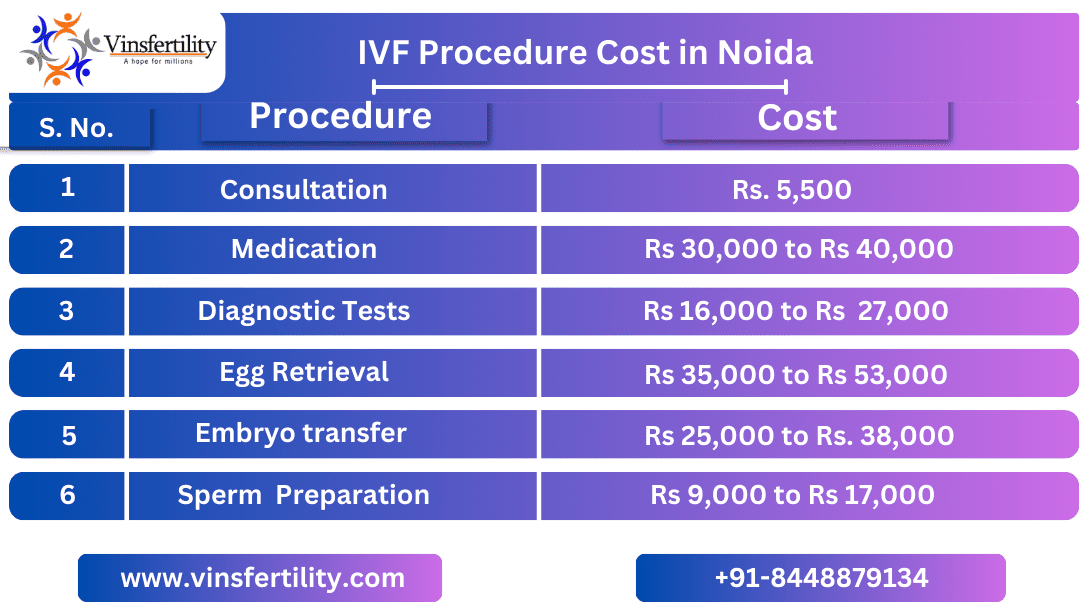
| Treatment Component | Cost Range (INR) |
| Initial Consultation & Diagnosis | ₹1,000 - ₹5,000 |
| Pre-IVF Medical Tests (e.g., hormone assays, ultrasound, semen analysis) | ₹7,000 - ₹18,000 |
| Ovarian Stimulation Medications | ₹25,000 - ₹60,000 |
| Sperm Preparation (e.g., washing, capacitation) | ₹2,000 - ₹8,000 |
| Anesthesia (for egg retrieval) | ₹5,000 - ₹15,000 |
| Basic IVF Procedure (Egg Retrieval & Fertilization) | ₹1,20,000 - ₹2,50,000 |
| ICSI (Intracytoplasmic Sperm Injection, if required) | ₹20,000 - ₹50,000 |
| Blastocyst Culture (Extended embryo development) | ₹10,000 - ₹25,000 |
| Embryo Freezing (Cryopreservation for future use) | ₹15,000 - ₹40,000 |
| Frozen Embryo Transfer (FET) | ₹40,000 - ₹80,000 |
| Pre-implantation Genetic Testing (PGT - per embryo/batch) | ₹75,000 - ₹3,00,000 |
| Total Basic IVF Cost (Per Cycle) | ₹1,60,000 - ₹3,60,000 |
Table 1: Comprehensive IVF cost breakdown in India (2026)
Factors Affecting IVF Cost in India
The test tube baby cost varies considerably based on several critical factors:
- Clinic Location & Reputation: Clinics in major metropolitan cities (e.g., Delhi, Mumbai, Bangalore) typically have higher operating costs, leading to IVF packages being ₹50,000-₹1,00,000 more expensive compared to those in smaller cities or towns. Reputable clinics with high success rates may also charge a premium.
- Doctor's Experience: Highly experienced and renowned fertility specialists, often with extensive track records, may command higher consultation and procedural fees due to their expertise and demand.
- Technology & Infrastructure: Advanced fertility centers equipped with state-of-the-art laboratories, specialized equipment (like embryoscopes), and cutting-edge diagnostic tools generally incur higher operational costs, which are reflected in their pricing.
- Patient Age & Medical History: Younger patients with straightforward infertility cases may require fewer medications and simpler protocols. Older patients, or those with complex conditions like severe endometriosis, fibroids, or recurrent implantation failure, might need higher doses of hormones, additional diagnostic tests, or specialized procedures, increasing overall costs.
- Number of IVF Cycles: Many couples require more than one IVF cycle to achieve pregnancy. Each additional cycle involves repeated costs for consultations, medications, and procedures, significantly increasing the total expenditure.
- Add-on Procedures: Specific advanced techniques, such as Intracytoplasmic Sperm Injection (ICSI), Pre-implantation Genetic Testing (PGT), Assisted Hatching, or the use of donor eggs/sperm, are not part of a basic IVF cycle and add substantially to the total cost.
- Success Rate of Clinic: Clinics with consistently higher success rates, often achieved through superior expertise, technology, and patient care, might justify slightly higher prices. However, patients should always verify success rates with transparent, audited data.
City-wise IVF Cost Comparison
| City/Region | Basic IVF Cost (INR) | With Advanced Procedures (INR) |
| Delhi NCR | ₹1,50,000 - ₹2,80,000 | ₹3,00,000 - ₹5,00,000 |
| Mumbai | ₹1,70,000 - ₹3,00,000 | ₹3,20,000 - ₹5,50,000 |
| Bangalore | ₹1,40,000 - ₹2,60,000 | ₹2,80,000 - ₹4,80,000 |
| Chennai | ₹1,30,000 - ₹2,50,000 | ₹2,60,000 - ₹4,50,000 |
| Hyderabad | ₹1,25,000 - ₹2,40,000 | ₹2,50,000 - ₹4,20,000 |
| Pune | ₹1,50,000 - ₹2,20,000 | ₹2,80,000 - ₹4,00,000 |
| Ahmedabad | ₹1,20,000 - ₹2,30,000 | ₹2,40,000 - ₹4,00,000 |
| Tier 2/3 Cities | ₹1,00,000 - ₹1,90,000 | ₹2,00,000 - ₹3,50,000 |
Table 2: City-wise IVF cost comparison across India (2026)
Finding affordable IVF treatment without compromising quality is a priority for many couples. Here are categories of low-cost IVF centres in India:
Government and Public Sector Hospitals
Government hospitals in India are known for offering highly subsidized and affordable IVF treatment, often at significantly lower costs compared to private centres. Some prominent examples include:
- All India Institute of Medical Sciences (AIIMS), Delhi: Known for its charity IVF programs offering highly subsidized rates.
- Post Graduate Institute of Medical Education & Research (PGIMER), Chandigarh: Provides affordable treatment options, though often with long waiting periods.
- Sanjay Gandhi Postgraduate Institute (SGPGI), Lucknow: Offers government-subsidized IVF programs.
- King George's Medical University (KGMU), Lucknow: Provides low-cost fertility services.
- Government Medical Colleges: Various state medical colleges across India also offer subsidized Assisted Reproductive Technology (ART) services.
Government hospitals typically have waiting periods, which can range from a few months to over a year, and often impose strict eligibility criteria based on factors like income, age, and specific medical conditions. Prospective patients should inquire about these requirements directly.
Affordable Private IVF Centres
Beyond government institutions, several NABH-accredited and ICMR-registered private centres also strive to make fertility treatment accessible. These clinics often achieve competitive pricing through various strategies:
- Transparent Package Deals: Offering comprehensive packages that include consultations, procedures, and basic medications at a fixed, all-inclusive price.
- Focus on Essential Services: Prioritizing core IVF procedures and offering add-ons only when medically necessary, helping to manage costs effectively.
- High-Volume Operations: Clinics that handle a larger number of patients can sometimes benefit from economies of scale, leading to slightly lower per-cycle costs.
- Flexible Payment Options: Providing EMI (Equated Monthly Installment) facilities or financing partnerships to ease the financial burden for patients.
When considering IVF treatment, exploring reputable clinics known for quality care and transparent pricing is essential. Here are some of India's prominent IVF centers:
Nova IVF Fertility
| Overview | A leading multi-location chain known for advanced fertility treatments and patient-centric care. |
| Estimated Basic IVF Cost | ₹1,80,000 to ₹2,80,000 |
| Key Features | Flexible EMI options. |
Indira IVF
| Overview | With a widespread presence across India, Indira IVF is recognized for its accessible and transparent pricing structures, making fertility treatment more affordable for many couples. |
| Location (example) | Delhi, among others. |
| Under 35 yrs Success Rate | 50% |
| 35-37 yrs Success Rate | 40% |
| 38-40 yrs Success Rate | 30% |
| Over 40 yrs Success Rate | 15% |
Bloom IVF
| Overview | Specializing in affordable packages, particularly in South India, Bloom IVF provides comprehensive fertility solutions with a focus on patient support and ethical practices. |
| Location (example) | Bangalore, among others. |
| Under 35 yrs Success Rate | 52% |
| 35-37 yrs Success Rate | 42% |
| 38-40 yrs Success Rate | 33% |
| Over 40 yrs Success Rate | 18% |
Milann Fertility
| Overview | Known for its competitive rates and consistently high success rates, Milann Fertility offers a range of advanced fertility services tailored to individual needs. |
| Location (example) | Pune, among others. |
| Under 35 yrs Success Rate | 54% |
| 35-37 yrs Success Rate | 44% |
| 38-40 yrs Success Rate | 34% |
| Over 40 yrs Success Rate | 19% |
World Fertility Services
| Overview | This Delhi-based clinic is acclaimed for providing affordable yet high-quality fertility treatments, including IVF, to a diverse patient base. |
| Location | Delhi |
| Under 35 yrs Success Rate | 53% |
| 35-37 yrs Success Rate | 43% |
| 38-40 yrs Success Rate | 32% |
| Over 40 yrs Success Rate | 18% |
Go IVF Surrogacy
| Overview | A clinic known for its fertility services. |
| Location | Gurgaon |
| Under 35 yrs Success Rate | 51% |
| 35-37 yrs Success Rate | 41% |
| 38-40 yrs Success Rate | 31% |
| Over 40 yrs Success Rate | 16% |
Many IVF centres in India, including those offering affordable IVF treatment, understand the financial burden and now offer flexible payment options to make treatment more accessible:
- EMI Plans (Equated Monthly Installments): These plans break down the total cost of IVF into manageable monthly payments, often with competitive interest rates. Installments can start from around ₹9,999/month[9], making treatment more budget-friendly for many couples.
- Package Deals: Clinics often provide discounted packages for multiple IVF cycles (e.g., 2-3 cycle packages). These can significantly reduce the per-cycle cost and offer a more predictable financial outlook for patients who may require more than one attempt.
- Shared-Risk Programs: Also known as refund programs, these innovative plans offer a money-back guarantee if pregnancy is not achieved after a certain number of IVF cycles. While often having a higher upfront cost, they provide financial assurance and reduce risk for eligible patients. It's crucial to understand the specific terms and conditions.
- Insurance Tie-ups: Some fertility clinics collaborate with health insurance providers, allowing patients to potentially claim partial coverage for certain diagnostic tests, medications, or even parts of the IVF procedure, depending on their policy. Patients should always verify coverage directly with their insurance provider.
Before committing to a clinic, it is highly recommended to discuss all available payment options and financial plans in detail with their financial counselor.
While IVF is generally not covered under PM-JAY (Pradhan Mantri Jan Arogya Yojana) at the national level, as confirmed by the Ministry of Health in February 2026[10] – as PM-JAY primarily focuses on secondary and tertiary care for specific diseases and not elective fertility treatments – several state-specific schemes and programs provide crucial financial assistance for fertility treatments.
State Government IVF Schemes
| State | Scheme Details |
| Tamil Nadu | The Tamil Nadu ART Act scheme offers free or highly subsidized IVF treatment for eligible couples, focusing on increasing accessibility to fertility care. |
| Rajasthan | Under the Rajasthan Government ART Policy, economically disadvantaged couples can access subsidized fertility treatment, alleviating financial barriers. |
| Sikkim | The Sikkim Vatsalya Yojana, launched in 2022, provides significant financial aid, up to ₹3 lakhs, specifically for IVF treatment to support couples facing infertility. |
| Maharashtra | Eligible couples can avail free IVF trials at select government hospitals, aiming to make initial fertility assessments and treatments more accessible. |
| Uttar Pradesh | Subsidized IVF treatment is available at government hospitals in major cities like Lucknow, reducing the cost burden for residents seeking fertility solutions. |
| Madhya Pradesh | Women eligible under various state health programs may receive subsidized fertility treatment, enhancing access to necessary reproductive care. |
Table 3: State-wise government IVF schemes in India
Availability and specific criteria for these state schemes can vary and are subject to change. Prospective patients should consult their local health department or fertility clinic for the most current information.
Central Government Programs
- Jiyo Parsi Program: This unique initiative by the Ministry of Minority Affairs provides free or highly subsidized fertility treatment specifically for Parsi couples. The program aims to address the declining population within the Parsi community by supporting assisted reproductive technologies.[10]
- Ayushman Bharat (PM-JAY): While this scheme covers up to ₹5 lakhs annually for a wide range of secondary and tertiary medical procedures, IVF treatment is currently not included in its standard benefits package.[10][11] Learn more about Ayushman Bharat Yojana.
- Employee State Insurance Scheme (ESIS): For employees earning up to ₹21,000/month, ESIS may offer coverage for certain aspects of IVF, such as diagnostics or medication, subject to specific medical requirements and policy terms. Beneficiaries should inquire with their ESIS dispensary.[11]
- Central Government Health Scheme (CGHS): Government employees covered under CGHS may receive limited financial assistance for fertility treatments, including IVF, based on recommendations from empanelled doctors and adherence to scheme guidelines.[11]
It is important to note that the eligibility criteria and extent of coverage for these central government programs are specific and can be updated. Always verify the latest details with the respective authorities or scheme administrators.
Eligibility Criteria for Government SchemesTo ensure resources are directed to those most in need, most government IVF programs in India typically require applicants to meet specific criteria, which often include:
- Income Limit: Applicants are usually required to be BPL (Below Poverty Line) card holders or have an annual household income below a specified threshold, often around ₹2 lakhs, to qualify for financial assistance.
- Age Restrictions: There are typically age limits for female partners, commonly ranging from 23-40 years, to maximize the chances of successful treatment and prudent use of public funds.
- Duration of Infertility: Couples often need to provide medical documentation proving a minimum of 2-3 years of documented infertility, indicating a genuine medical need for ART interventions.
- Medical Documentation: Comprehensive medical history, diagnostic test results, and specialist consultations are mandatory to assess the suitability for IVF and confirm the cause of infertility.
- Marital Status: Most schemes require applicants to be legally married couples, with proof of marriage certificate often required.
- Residence Proof: A state domicile certificate or proof of long-term residency in the respective state is usually necessary to avail state-specific schemes.
It is crucial for applicants to gather all necessary documentation and verify the precise eligibility requirements with the concerned authorities or designated fertility clinics, as these can vary by scheme and state.
IVF Success Rates in India by Age (2026)Understanding IVF success rates is crucial for planning treatment and managing expectations. Success rates vary significantly based on patient age, which is the most critical factor influencing the quality and quantity of eggs. These rates are generally presented as percentages per IVF cycle.[7]
Age-wise Success Rates
| Age Group | Success Rate (Clinical Pregnancy) | Live Birth Rate (per cycle) | Average Cycles Needed |
| Under 30 years | 55-60% | 45-50% | 1-2 |
| 30-34 years | 50-55% | 40-45% | 1-2 |
| 35-37 years | 40-50% | 30-40% | 2-3 |
| 38-40 years | 30-40% | 20-30% | 2-4 |
| 41-42 years | 20-30% | 12-20% | 3-5 |
| Over 42 years | 11-15% | 5-10% | 4-6+ |
Table 4: IVF success rates in India by age group (2026 data). Note: Success rates typically refer to clinical pregnancy, while the ultimate goal is a live birth. Live birth rates are generally slightly lower than clinical pregnancy rates.
Key Insights on IVF Success Rates:
- Age is Paramount: Women under 35 years typically exhibit the highest IVF success rates, with clinical pregnancy rates ranging from 50-60% per cycle. These rates reflect the optimal ovarian reserve and egg quality in younger individuals.[7][8]
- Significant Decline with Age: Success rates experience a notable decrease after age 38, primarily due to diminishing ovarian reserve and a higher incidence of chromosomal abnormalities in eggs.
- Overall Indian Average: The average IVF success rate across India generally falls within the 30-40% range per cycle, reflecting a broad spectrum of patient profiles and clinic practices.[8] For global insights, refer to CDC ART data.
- ICSI Advantage: Intracytoplasmic Sperm Injection (ICSI), an advanced form of IVF often used in cases of male infertility, sometimes shows slightly higher fertilization and pregnancy rates compared to conventional IVF, depending on the specific infertility factors.[12]
- Other Influencing Factors: Beyond age, IVF success rates are also influenced by the cause and duration of infertility, embryo quality, uterine health, lifestyle factors (e.g., smoking, obesity), and the expertise of the fertility clinic and its medical team.
It is important for couples to have realistic expectations and discuss their individual prognosis with their fertility specialist, as these are statistical averages and personal outcomes can vary.
Top IVF Centres by Success RateWhile individual success rates can vary based on many factors, some clinics consistently report higher success rates across different age groups due to their advanced technology, experienced medical teams, and patient-centric protocols. Here’s a comparative look at leading IVF centres in India:
| Clinic Name | Location | Under 35 yrs | 35-37 yrs | 38-40 yrs | Over 40 yrs |
| Milann Fertility | Pune | 54% | 44% | 34% | 19% |
| World Fertility Services | Delhi | 53% | 43% | 32% | 18% |
| Bloom IVF | Bangalore | 52% | 42% | 33% | 18% |
| Go IVF Surrogacy | Gurgaon | 51% | 41% | 31% | 16% |
| Indira IVF | Delhi | 50% | 40% | 30% | 15% |
Table 5: Leading IVF centres in India with age-specific clinical pregnancy rates (2026). These figures are indicative and can vary based on specific patient profiles and treatment protocols.
When selecting an IVF centre, consider not just reported success rates but also factors like clinic reputation, doctor experience, patient reviews, and transparent pricing. It is advisable to consult with specialists at a few different clinics before making a decision.
The landscape of fertility treatment in India is governed by robust regulations to ensure patient safety, ethical practices, and transparency. The Assisted Reproductive Technology (Regulation) Act, 2021, and the Surrogacy (Regulation) Act, 2021, were enacted by the Government of India to provide a comprehensive legal framework for ART services, including IVF.[13] Read more about the ART Act 2021 on NCBI.
Key Provisions of ART Act 2021
- Mandatory Registration of ART Clinics and Banks: All IVF centres and sperm/oocyte banks must be registered with the National Registry of Banks and Clinics of India and relevant State Registries. This ensures oversight and accountability.
- Compliance with ICMR Guidelines: Registered clinics are legally bound to follow the operational guidelines set forth by the Indian Council of Medical Research (ICMR), which dictate standards for procedures, equipment, and personnel.[14]
- Patient Rights and Protection: The Act emphasizes protecting patient rights, including ensuring informed consent, maintaining confidentiality of genetic information, and upholding quality standards in treatment.
- Insurance Coverage for Donors: It mandates that insurance coverage be provided for oocyte donors and surrogate mothers, safeguarding their health and well-being.
- Establishment of Regulatory Bodies: The Act established National and State Assisted Reproductive Technology and Surrogacy Boards to provide regulatory oversight, monitor compliance, and address grievances.
- Strict Penalties for Violations: The legislation includes stringent penalties for unethical practices, such as sex selection, exploitation of donors or surrogates, and operating unregistered clinics, ensuring a deterrent against malpractices.
Choosing an ART clinic that is fully compliant with the ART Act 2021 and ICMR guidelines is paramount for ensuring safe, ethical, and legally sound fertility treatment.
NABH Accreditation for IVF CentresThe National Accreditation Board for Hospitals & Healthcare Providers (NABH) is a constituent board of the Quality Council of India, established to operate accreditation programs for healthcare organizations. It has launched specific accreditation standards for Assisted Reproductive Technology (ART) clinics to ensure patient safety and quality care. Accreditation signifies that a healthcare provider meets rigorous national and international quality benchmarks. Key benefits for patients include:
- Standardized Clinical Protocols: Clinics follow evidence-based treatment guidelines, ensuring consistent and effective care.
- Quality Assurance: Regular audits and performance monitoring help maintain high standards across all services.
- Infection Control: Strict sterilization and hygiene protocols are enforced, minimizing the risk of infections.
- Patient Safety: Comprehensive safety measures are in place to reduce risks and improve overall treatment outcomes.
- Transparency: Clear documentation, ethical practices, and transparent cost disclosure build patient trust.
Selecting an affordable IVF centre is a crucial decision that requires balancing treatment cost with the quality of care and potential success rates. Here's a comprehensive checklist to guide your choice:
Critical Selection Criteria
- Accreditation & Registration
- NABH Accreditation: Ensures adherence to national quality standards for healthcare facilities.
- ICMR Registration: Clinics must be registered with the Indian Council of Medical Research (ICMR), which sets guidelines for ethical and scientific practices in ART.
- ART Act 2021 Compliance: Verify the clinic complies with the Assisted Reproductive Technology (Regulation) Act, 2021, and its Rules, which govern all ART clinics in India, ensuring legal and ethical operations.
- Success Rates
- Age-Specific Success Rates: Ask for success rates tailored to your age group and specific infertility diagnosis, as overall percentages can be misleading.
- Transparency in Reporting Outcomes: A reputable clinic will openly share its audited success rates.
- Comparison with National Averages: Understand how the clinic's rates compare to national averages for a realistic perspective.
- Doctor Credentials
- Board-Certified Reproductive Endocrinologists: Ensure the fertility specialists are board-certified and have specific expertise in reproductive medicine.
- Years of Experience: Look for doctors with extensive experience in IVF and handling complex infertility cases.
- Patient Reviews and Testimonials: Research patient experiences and feedback to gauge the doctor's approach and patient care.
- Laboratory Standards
- ISO-Certified Embryology Laboratory: An ISO certification indicates high standards in laboratory management and quality control.
- Advanced Equipment and Technology: Modern equipment and up-to-date technology are vital for optimal embryo development and handling.
- Experienced Embryologists: The skill and experience of the embryology team are critical for successful fertilization and embryo culture.
- Cost Transparency
- Detailed Cost Breakdown: Request a comprehensive breakdown of all costs, including consultations, tests, medications, procedures, and potential add-ons.
- No Hidden Charges Policy: Ensure the clinic has a clear policy against hidden fees.
- Written Quotations: Always obtain a written quote that clearly outlines all included and excluded services. For more detailed information on costs, you can refer to our guide on IVF treatment cost.
- Financial Options
- EMI Availability: Inquire about equated monthly installment (EMI) options to manage costs.
- Package Deals: Some clinics offer comprehensive packages that can be more cost-effective.
- Insurance Acceptance: Check if any part of the treatment is covered by your health insurance.
- Support Services
- Counseling Services: Emotional and psychological support is crucial during the IVF journey.
- 24/7 Patient Support: Access to support staff for queries and emergencies can be reassuring.
- Post-Treatment Care: Understand the follow-up care provided after embryo transfer and pregnancy confirmation.
- Guaranteed Success Claims: No ethical fertility clinic can guarantee a pregnancy. Be wary of clinics making such promises, as IVF success depends on many variables.
- Unusually Low Prices: While seeking affordability, be cautious of prices that are significantly lower than the market average. This might indicate compromised quality, outdated equipment, or hidden costs that emerge later.
- Lack of Transparency: An unwillingness to share detailed success rates, doctor credentials, or a clear cost breakdown is a major red flag.
- Pressure Tactics: Avoid clinics that pressure you into making immediate decisions or undergoing unnecessary procedures without thorough discussion and informed consent.
- No Proper Registration: Operating without proper ICMR registration or state authorization, as mandated by the ART Act 2021, is illegal and highly risky.
Understanding the IVF procedure helps in planning and preparation, mentally and financially. Here’s a breakdown of the typical steps involved in an IVF cycle:
Phase 1: Initial Consultation (Week 1-2)
- Comprehensive Medical History Review: The fertility specialist will gather detailed information about both partners' medical backgrounds, previous pregnancies, and infertility history.
- Physical Examination of Both Partners: Includes a general physical exam and specific reproductive health assessments.
- Preliminary Fertility Assessment: Initial tests may be ordered to understand the potential causes of infertility.
- Treatment Plan Discussion: Based on the assessment, the doctor will discuss the most suitable treatment options, including IVF, and explain the process.
- Estimated Cost: ₹5,000-₹15,000
- Hormone Level Testing: Blood tests to measure levels of Follicle-Stimulating Hormone (FSH), Luteinizing Hormone (LH), Anti-Müllerian Hormone (AMH), and Estradiol to assess ovarian reserve and function. These hormones play a critical role in the menstrual cycle and egg production.
- Ultrasound Scans (Transvaginal): Used to visualize the uterus and ovaries, check for any abnormalities, and count antral follicles.
- Semen Analysis: Evaluates sperm count, motility, and morphology to assess male fertility.
- Infectious Disease Screening: Tests for diseases like HIV, Hepatitis B, and C are mandatory for both partners to prevent transmission and ensure safety.
- Genetic Testing (if required): May be recommended based on medical history to identify any genetic factors contributing to infertility.
- Estimated Cost: ₹8,000-₹20,000
- Daily Hormone Injections: For approximately 10-14 days, you will receive injectable gonadotropin hormones to stimulate the ovaries to produce multiple eggs, rather than the single egg typically released in a natural cycle.
- Regular Monitoring: Through transvaginal ultrasound scans and blood tests (estradiol levels), the clinic will track follicle growth and egg maturation.
- Egg Maturation Tracking: Ensures eggs reach optimal size before retrieval.
- Trigger Shot Administration: Once follicles are mature, a "trigger shot" (typically hCG) is given to induce final egg maturation, scheduled about 34-36 hours before egg retrieval.
- Estimated Cost: ₹20,000-₹50,000 (primarily for medications)
- Minimally Invasive Surgical Procedure: Performed under mild sedation or anesthesia, this outpatient procedure involves collecting eggs from the ovaries.
- Ultrasound-Guided Egg Collection: A thin needle attached to an ultrasound probe is inserted through the vaginal wall into each ovary to aspirate the fluid from the follicles, which contains the eggs.
- Recovery Period: Typically 2-4 hours at the clinic, after which you can go home.
- Estimated Cost: Included in the basic IVF package.
- Sperm Preparation and Selection: Sperm is collected (either fresh or frozen) and processed in the lab to select the healthiest, most motile sperm.
- Conventional IVF or ICSI Procedure:
- Conventional IVF: Eggs and sperm are placed together in a culture dish, allowing fertilization to occur naturally.
- ICSI (Intracytoplasmic Sperm Injection): A single, healthy sperm is directly injected into each mature egg, often used in cases of male infertility or previous fertilization failure. ICSI is a common procedure that has significantly improved success rates for certain conditions.
- Embryo Development Monitoring: Fertilized eggs (embryos) are cultured in the laboratory for 3-5 days, with embryologists monitoring their development.
- Blastocyst Culture (if applicable): Embryos that develop to the blastocyst stage (Day 5 or 6) are often preferred for transfer due to higher implantation potential.
- Estimated Cost: ₹1,00,000-₹2,00,000 (for the base laboratory procedure, including fertilization and culture)
- Selection of Best Quality Embryo(s): The embryologist selects the healthiest embryo(s) for transfer based on their morphology and developmental stage.
- Painless Catheter-Based Transfer: A thin, flexible catheter containing the embryo(s) is gently inserted through the cervix into the uterus, guided by ultrasound. This procedure is usually painless and does not require anesthesia.
- Short Rest Period: A brief period of rest is recommended after the transfer.
- Progesterone Supplementation Begins: Hormonal support, typically progesterone, is prescribed to help prepare and maintain the uterine lining for implantation.
- Estimated Cost: Included in the basic package.
- Blood Test for Beta-hCG Levels: Approximately two weeks after embryo transfer, a blood test measures the levels of human chorionic gonadotropin (hCG), the pregnancy hormone. A positive beta-hCG test confirms pregnancy.
- Confirmation of Pregnancy: If the test is positive, further monitoring will be scheduled.
- Early Ultrasound (if positive): An ultrasound scan will be conducted a few weeks later to confirm the pregnancy and check for a fetal heartbeat.
- Estimated Cost: ₹500-₹2,000
Beyond the basic IVF cycle, several other factors and procedures can add to the overall cost. It's essential to discuss these potential expenses with your clinic beforehand.
Frozen Embryo Transfer (FET)
If fresh embryo transfer is unsuccessful, or if you have surplus embryos from a fresh cycle that you wish to use later, a Frozen Embryo Transfer (FET) cycle may be performed.
- Embryo Freezing (Cryopreservation): The process of freezing viable embryos for future use.
- Estimated Cost: ₹15,000-₹40,000
- Annual Storage Fees: Charges for storing frozen embryos over time.
- Estimated Cost: ₹5,000-₹15,000 per year
- FET Cycle: The cost for preparing the uterus and transferring thawed embryos.
- Estimated Cost: ₹40,000-₹80,000
| Donor Service | Additional Cost (INR) |
| Egg Donor Program (including donor compensation and agency fees) | ₹70,000 - ₹1,80,000 |
| Sperm Donor Program (including donor sperm procurement) | ₹5,000 - ₹15,000 |
| Embryo Donation | ₹30,000 - ₹80,000 |
Table 6: Donor service costs in IVF treatment
Advanced Procedures
- Pre-implantation Genetic Testing (PGT): This involves testing embryos for genetic abnormalities or chromosomal disorders before transfer. PGT can include PGT-A (aneuploidy screening), PGT-M (monogenic/single-gene defects), or PGT-SR (structural rearrangements). PGT helps improve implantation rates and reduce the risk of genetic conditions.
- Estimated Cost: ₹75,000-₹3,00,000 (depending on the number of embryos tested and type of PGT)
- Assisted Hatching: A laser or chemical method used to thin or create a small opening in the outer shell (zona pellucida) of the embryo, potentially aiding implantation.
- Estimated Cost: ₹10,000-₹25,000
- Testicular Sperm Extraction (TESA/PESA): Surgical procedures to retrieve sperm directly from the testicles or epididymis for men with severe male factor infertility or obstructive azoospermia.
- Estimated Cost: ₹30,000-₹60,000
- Laparoscopy/Hysteroscopy: Diagnostic or corrective surgical procedures. Laparoscopy examines pelvic organs, while hysteroscopy examines the inside of the uterus. These may be required to address underlying issues like endometriosis or uterine fibroids before IVF.
- Estimated Cost: ₹40,000-₹1,00,000
- Nutritional Supplements: Certain vitamins and supplements may be recommended to improve fertility and overall health.
- Estimated Cost: ₹3,000-₹8,000/month
- Acupuncture/Complementary Therapy: Some individuals choose complementary therapies to manage stress and potentially enhance treatment outcomes.
- Estimated Cost: ₹5,000-₹20,000
- Travel & Accommodation: If you need to travel to another city for treatment, consider costs for flights, local transport, and lodging.
- Estimated Cost: ₹20,000-₹1,00,000 (highly variable)
- Time Off Work: Account for potential lost income during clinic visits, procedures, and recovery periods.
- Stress Management: While not a direct cost, investing in stress-reduction techniques like yoga, meditation, or counseling can be beneficial for overall well-being during treatment.
Embarking on an IVF journey requires careful financial planning, as the costs can accumulate, especially if multiple cycles are needed. Understanding the potential expenses and available strategies can help couples prepare effectively for this significant investment in their future family.
Budgeting for Multiple CyclesGiven that the average success rate for IVF is approximately 30-40% per cycle, couples are often advised to financially prepare for the possibility of multiple attempts to achieve a successful pregnancy. The cumulative success rates generally increase with each additional cycle.
| Number of Cycles | Estimated Total Cost Range (INR) | Cumulative Success Probability |
| 1 Cycle | ₹1,50,000 - ₹3,00,000 | 30-40% |
| 2 Cycles | ₹3,00,000 - ₹6,00,000 | 50-65% |
| 3 Cycles | ₹4,50,000 - ₹9,00,000 | 65-80% |
| 4 Cycles | ₹6,00,000 - ₹12,00,000 | 75-85% |
Table 7: Multi-cycle IVF cost and cumulative success rates (estimates for 2026)
It's important to note that these success rates are general averages and individual outcomes can vary based on factors like age, cause of infertility, and clinic success rates. Consulting with your fertility specialist will provide a more personalized understanding of your chances.
Cost-Saving StrategiesNavigating the costs of IVF can be challenging, but several strategies can help manage expenses:
- Choose Multi-Cycle Packages: Many clinics offer package deals for 2-3 cycles at a discounted rate, often providing 10-20% savings compared to paying for single cycles individually. This can be a financially sound option if you anticipate needing more than one attempt.
- Opt for Generic Medications: Fertility medications are a significant part of IVF costs. Discuss with your doctor the possibility of using generic versions of fertility drugs instead of branded ones, which can lead to substantial savings, often 30-40%. The World Health Organization (WHO) emphasizes the importance of access to affordable essential medicines.
- Explore Government Hospital Options: Some government hospitals or public health programs may offer subsidized IVF treatments. While these options might involve longer waiting periods, they can significantly reduce the financial burden for eligible couples.
- Consider Medical Tourism within India: IVF costs can vary widely across cities. Exploring clinics in Tier 2 or Tier 3 cities within India might offer equally high-quality treatment at lower costs compared to major metropolitan areas. For instance, you can find affordable IVF cost in Noida and other developing cities.
- Check Health Insurance Coverage: While comprehensive IVF treatment is often not covered by standard health insurance in India, some policies might cover diagnostic tests, consultations, or specific medications. Review your policy details carefully and speak to your provider.
- Inquire About Shared Risk/Refund Programs: Certain clinics offer programs where a portion of the treatment cost is refunded if a live birth is not achieved after a specified number of cycles. These programs provide a level of financial assurance, though they typically have strict eligibility criteria.
- Discuss Natural/Mild IVF: In some cases, a 'Natural IVF' or 'Mild IVF' protocol, which uses lower doses of medication or no stimulation drugs, might be suitable. This approach can reduce medication costs by 20-30% but is not appropriate for all patients.
- Leverage Employer Benefits: A growing number of progressive companies are beginning to include fertility treatment coverage or assistance programs in their employee health benefits. Check with your HR department about any such provisions.
In India, under Section 80D of the Income Tax Act, medical expenses incurred for certain treatments may be eligible for deductions. While direct IVF treatment costs are typically not explicitly covered, expenses related to diagnostics or specific medical procedures that are part of the broader treatment might be. It is crucial to consult a qualified tax advisor for specific eligibility and the latest regulations regarding IVF treatment expenses to ensure compliance and maximize potential benefits.
Choosing the right fertility treatment involves weighing various factors, including the type of infertility, success rates, and associated costs. Here's a comparison of IVF with other common fertility treatments:
| Treatment | Estimated Cost Range (INR) | Typical Success Rate (Per Cycle) | Best Suited For |
| IUI (Intrauterine Insemination) | ₹10,000 - ₹25,000 | 10-20% | Mild male factor infertility, unexplained infertility, cervical factor infertility. |
| IVF (In Vitro Fertilization) | ₹1,50,000 - ₹3,00,000 | 30-40% | Blocked fallopian tubes, severe male factor infertility, endometriosis, ovulatory disorders, unexplained infertility. |
| ICSI (IVF with Intracytoplasmic Sperm Injection) | ₹1,75,000 - ₹3,50,000 | 35-45% | Severe male factor infertility (low sperm count/motility/morphology), previous IVF fertilization failure. |
| Egg Freezing (Oocyte Cryopreservation) | ₹1,50,000 - ₹2,50,000 | N/A (Fertility Preservation) | Women wishing to preserve fertility for future use due to age, medical conditions, or cancer treatment. |
| Surrogacy | ₹18,00,000 - ₹25,00,000 | 50-60% | Uterine issues (e.g., absent uterus, recurrent pregnancy loss), medical conditions precluding pregnancy, same-sex male couples. |
It is essential to consult with a fertility specialist who can accurately diagnose your specific situation and recommend the most appropriate treatment plan. They will consider your medical history, test results, and personal preferences to guide you towards the best path for achieving your family-building goals. For more detailed information on various fertility treatments, refer to resources from reputable health organizations like the Mayo Clinic.
Table 8: Comparison of fertility treatment costs and success rates
Frequently Asked Questions (FAQs)
1. What is the average cost of IVF treatment in India in 2026?
The average IVF cost in India typically ranges from ₹1,50,000 to ₹3,00,000 per cycle for basic In Vitro Fertilization (IVF) treatment. This estimated cost generally covers ovarian stimulation, egg retrieval, fertilization, and embryo transfer. However, when additional advanced procedures such as Intracytoplasmic Sperm Injection (ICSI), Preimplantation Genetic Testing (PGT), or the use of donor eggs/sperm are required, the total costs can increase significantly, often ranging from ₹2,50,000 to ₹5,00,000 or more per cycle. These figures are estimates and can vary based on the clinic's location (e.g., metro vs. non-metro cities), its reputation, the specific treatment protocol, and individual patient needs. For city-specific cost breakdowns, you can refer to our detailed guides on IVF Cost in Delhi or IVF Cost in Mumbai.
2. Which state in India provides free or subsidized IVF treatment?
Several Indian states offer initiatives for accessible fertility care. Tamil Nadu, Rajasthan, and Sikkim are notable states that provide free or significantly subsidized IVF treatment through state government schemes. These programs are typically designed for eligible low-income couples who meet specific criteria, often including income limits, residency requirements, and medical indications of infertility. For instance, Sikkim's Vatsalya Yojana provides financial aid up to ₹3 lakhs for fertility treatments. It is advisable to check the latest eligibility guidelines and application procedures with the respective state health departments or local government hospitals.
3. Is IVF covered under the Ayushman Bharat (PM-JAY) scheme?
No, as of February 2026, IVF and other Assisted Reproductive Technology (ART) treatments are not covered under the Ayushman Bharat-Pradhan Mantri Jan Arogya Yojana (AB-PMJAY) scheme. This has been confirmed by the Ministry of Health and Family Welfare. The scheme primarily focuses on covering secondary and tertiary care hospitalization for common ailments, but fertility treatments are generally excluded from its scope.
4. What is the success rate of IVF in India?
The overall IVF success rate in India averages approximately 30-40% per cycle. However, success rates are highly dependent on various factors, most notably the woman's age and the underlying cause of infertility. For women under 35 years of age, success rates can be significantly higher, often reaching 50-60% per cycle. Conversely, for women over 40, the rates decline considerably, typically falling to 11-20% per cycle. It's important to remember that these are average figures, and individual success can vary. The Centers for Disease Control and Prevention (CDC) provides detailed data on ART success rates, highlighting the impact of age and other factors.
5. How many IVF cycles are typically needed for a successful pregnancy?
Many couples achieve pregnancy within 2-3 IVF cycles. While a single cycle has a certain success rate, the cumulative success rate significantly improves with multiple attempts. For instance, the cumulative success rate after three IVF cycles is approximately 65-80%, although this can vary based on factors such as age, embryo quality, and specific infertility diagnoses. Your fertility specialist can provide personalized guidance on the expected number of cycles based on your individual circumstances.
6. What is the difference between IVF and "test tube baby"?
IVF (In Vitro Fertilization) and the term "test tube baby" refer to the exact same medical procedure. "Test tube baby" is simply a colloquial or popular expression used to describe babies conceived through IVF. The process involves fertilizing an egg with sperm in a laboratory dish (often referred to as a "test tube" in common parlance) outside the woman's body, before the resulting embryo is transferred into the uterus. Mayo Clinic explains IVF as a complex series of procedures used to help with fertility or prevent genetic problems.
7. Are there EMI options available for IVF treatment?
Yes, to make fertility treatment more accessible, many IVF centres in India, including those offering competitive costs, provide EMI (Equated Monthly Installment) payment plans. These plans can start from as low as ₹9,999 per month, allowing couples to manage the financial aspect of treatment more comfortably. It is recommended to inquire directly with your chosen clinic about their specific EMI options, terms, and conditions.
8. What is the cost of IVF in government hospitals?
Government hospitals in India, such as AIIMS Delhi, offer highly subsidized IVF treatment options. The cost in these facilities can range from approximately ₹30,000 to ₹80,000 per cycle, making it significantly more affordable (50-70% cheaper) compared to private clinics. However, due to high demand and limited resources, there are typically considerable waiting periods, often ranging from 3 to 12 months. Patients considering government hospitals should be prepared for these wait times and inquire about specific procedures and availability.
9. Does insurance cover IVF treatment in India?
Generally, most standard health insurance policies in India do not provide comprehensive coverage for IVF treatment, as it is often categorized as an elective procedure. However, there are exceptions: some specific, specialized health insurance policies and certain employer-provided health plans may include limited fertility treatment coverage. Additionally, government schemes like ESIS (Employees' State Insurance Scheme) and CGHS (Central Government Health Scheme) offer partial or limited coverage for eligible employees and beneficiaries. It is crucial to review your policy documents thoroughly and consult with your insurance provider for clarity on coverage for fertility treatments.
10. What is ICSI and how much does it cost?
ICSI (Intracytoplasmic Sperm Injection) is an advanced and specialized technique used in conjunction with IVF. During ICSI, a single, healthy sperm is meticulously selected and directly injected into an egg in the laboratory. This method is primarily recommended for cases of severe male factor infertility, such as low sperm count, poor sperm motility, or abnormal sperm morphology, or when previous IVF cycles have resulted in low or no fertilization. The cost of ICSI is an additional charge, typically ranging from ₹20,000 to ₹50,000, on top of the basic IVF package charges. The NHS provides information on ICSI as a type of IVF.
11. How can I find NABH-accredited IVF centres?
To ensure you choose a reputable and high-quality clinic, you can verify NABH (National Accreditation Board for Hospitals & Healthcare Providers) accreditation by visiting the official NABH website and searching their directory. Alternatively, you can directly ask the IVF clinic for their accreditation certificate. Beyond NABH, it is equally important to ensure the clinic is ICMR-registered (Indian Council of Medical Research) and fully complies with the regulations set forth by the ART (Assisted Reproductive Technology) Act 2021. These accreditations and registrations signify adherence to national standards for quality care, patient safety, and ethical practices in fertility treatment.
12. What is the cheapest city for IVF treatment in India?
Generally, Tier 2 and Tier 3 cities in India tend to offer more affordable IVF treatment options compared to major metropolitan areas. In these cities, the costs for a basic IVF cycle can range from ₹1,00,000 to ₹1,80,000. Cities such as Ahmedabad, Lucknow, and Jaipur are often recognized for providing quality yet more budget-friendly fertility care. While cost is a factor, it is crucial to also consider the clinic's success rates, expertise, and patient reviews.
13. Can single women undergo IVF in India?
Yes, under the provisions of the ART (Assisted Reproductive Technology) Act 2021, single women are legally permitted to undergo IVF treatment in India. This includes unmarried women, divorced women, and widows. However, the specific eligibility criteria and the availability of such services may vary among different clinics and could be subject to state-specific regulations. It is essential for single women considering IVF to consult with a fertility specialist to understand the full process, legal implications, and available options, which often involve using donor sperm. The WHO recognizes infertility as a disease and highlights the need for access to fertility care.
14. What is the cost of egg freezing in India?
Egg freezing, also known as oocyte cryopreservation, involves retrieving and preserving a woman's eggs for future use. The initial procedure for egg freezing in India typically costs between ₹1,50,000 to ₹2,50,000. This cost generally covers the ovarian stimulation, egg retrieval process, and initial cryopreservation. In addition to the upfront procedure cost, there are annual storage fees for the frozen eggs, which usually range from ₹5,000 to ₹15,000.
15. Are there any charitable organizations that help with IVF costs?
Yes, some charitable organizations and trust-based programs in India aim to assist couples with fertility treatment costs. Organizations like the Ramakrishna Mission and certain trust-run initiatives at institutions such as AIIMS Delhi occasionally organize free fertility camps or provide subsidized IVF treatment to those in need. These programs often have specific eligibility criteria, and due to high demand, waiting periods of up to 6 months may apply. It's advisable to research local NGOs, trusts, and government-affiliated charitable programs for potential support.
16. What documentation is required for government IVF schemes?
For government-sponsored or subsidized IVF schemes, specific documentation is typically required to verify eligibility. Common documents include a BPL (Below Poverty Line) card or an income certificate (demonstrating an annual income below a specified threshold, often ₹2 lakhs). Other essential documents typically comprise age proof of both partners, a valid marriage certificate, comprehensive medical history and infertility reports, a state domicile certificate, and an Aadhar card for identification. Always check the exact requirements with the specific scheme or hospital you are applying to.
17. How long does one IVF cycle take?
A complete IVF cycle, from the initial ovarian stimulation to the final pregnancy test, typically spans approximately 4-6 weeks. The active treatment phase, which includes ovarian stimulation, egg retrieval, and embryo transfer, usually takes about 2-3 weeks. This timeline can vary slightly depending on the individual patient's response to medication and the specific treatment protocol followed by the clinic.
18. What is the ideal age for IVF treatment?
The ideal age for undergoing IVF treatment is generally considered to be under 35 years. This is because women in this age group typically have higher ovarian reserves and better egg quality, leading to the highest success rates for IVF (often 50-60% per cycle). Success rates begin to decline significantly after age 38, and the effectiveness of treatment becomes considerably lower for women over 42. Consulting with a fertility specialist can help determine the best course of action based on individual age and fertility factors. The American College of Obstetricians and Gynecologists (ACOG) provides information on age and fertility.
19. Can we choose the gender of baby through IVF in India?
No, sex selection is strictly prohibited in India. Under the Pre-Conception and Pre-Natal Diagnostic Techniques (PCPNDT) Act and the ART Act 2021, choosing the gender of a baby through IVF or any other assisted reproductive technology is illegal. This prohibition is in place to prevent gender discrimination and maintain demographic balance. The only exception is for medical reasons related to preventing the transmission of serious X-linked genetic disorders, where specific ethical and legal guidelines must be followed.
20. What happens to unused frozen embryos?
Couples with unused frozen embryos have several options, which are typically discussed and decided upon during the IVF process. These options include:
- Storage for future cycles: Embryos can be stored for subsequent IVF attempts if the first cycle is unsuccessful or if the couple wishes to have more children later.
- Donation to other couples: With proper consent and legal procedures, embryos can be donated to other infertile couples.
- Donation for research: Embryos can be donated for scientific research, again requiring informed consent.
- Discarding: If no other option is desired, embryos can be discarded based on the couple's explicit wishes.
In India, In Vitro Fertilization (IVF) treatment has become increasingly accessible and affordable, offering hope to many couples facing infertility. The cost for a single IVF cycle typically ranges from ₹1,20,000 to ₹4,00,000. This variation in cost is influenced by several factors, including the specific clinic, its location, the complexity of the procedures required, and any additional treatments like ICSI or PGT. India stands out as an attractive destination for fertility treatment due to its combination of competitive pricing, the availability of low-cost IVF centres, various government support schemes, flexible EMI payment options, and world-class medical infrastructure.
When selecting an IVF centre, prioritizing quality and safety over just the cost is paramount. Key factors to consider include:
- NABH accreditation: Ensures the facility meets national standards for patient care and safety.
- ICMR registration: Confirms compliance with the Indian Council of Medical Research guidelines for Assisted Reproductive Technology (ART).
- Transparent success rates: Clinics should openly share their genuine success statistics, which can vary based on patient demographics.
- Experienced medical professionals: The expertise of fertility specialists, embryologists, and support staff is crucial for successful outcomes.
It is important to remember that age is often the most critical factor influencing IVF success rates, with women under 35 generally experiencing higher pregnancy rates due to better egg quality and ovarian reserve. According to studies, female age significantly impacts fertility treatment outcomes.
For couples encountering financial limitations, several avenues can help reduce the financial burden:
- Exploring state government schemes that may offer subsidized fertility treatments.
- Investigating subsidized programs at government hospitals which often provide more affordable options.
- Considering multi-cycle packages offered by clinics, which can be more cost-effective than paying for individual cycles.
- Researching IVF cost in specific cities, as prices can vary regionally.
Always verify the clinic's credentials and ensure full compliance with the Assisted Reproductive Technology (Regulation) Act, 2021 (ART Act 2021), which governs ethical practices and safety standards in fertility treatments across India. The journey to parenthood through assisted reproductive technology requires careful planning, emotional resilience, and informed decision-making. With thorough research, adequate financial preparation, and the right medical support, the dream of having a test tube baby can indeed become a reality for thousands of Indian couples.
Medical Disclaimer: This article is intended solely for informational and educational purposes and should not be considered as medical advice. IVF and other fertility treatments are intricate medical procedures that necessitate a personalized assessment and treatment plan from qualified fertility specialists. Success rates, associated costs, and specific treatment protocols can vary significantly based on individual medical conditions, patient age, and numerous other contributing factors.
Accuracy Disclaimer: While every effort has been made to ensure the accuracy and timeliness of the information presented, please be aware that IVF costs, success rates, and government schemes are dynamic and subject to change. Readers are strongly advised to take the following steps:
- Consult certified reproductive endocrinologists and fertility specialists for personalized medical advice.
- Verify current treatment costs directly with the chosen IVF centres.
- Confirm eligibility criteria and available benefits for government schemes with the respective state authorities.
- Check the accreditation status with NABH and ICMR before finalizing a clinic.
- Review your insurance coverage details thoroughly with your provider to understand what is covered.
No Guarantee: The information provided herein does not offer any guarantee of specific outcomes. Individual treatment results vary widely, and no fertility clinic can guarantee pregnancy or a live birth. All treatment decisions should be made in close consultation with qualified medical professionals after a comprehensive evaluation of your unique circumstances.
Financial Planning: Readers are encouraged to undertake thorough financial planning, considering all potential costs, which may include multiple cycles, necessary medications, and any ancillary procedures. The cost ranges mentioned in this article are approximate estimates based on 2026 data and serve as a general guide.
Liability: The author and publisher of this article are not liable for any decisions made based on the information provided. Always seek professional medical and financial advice tailored to your situation before commencing IVF treatment.
Ethical Standards: Always prioritize choosing facilities that are registered with the Indian Council of Medical Research (ICMR) and accredited by the National Accreditation Board for Hospitals & Healthcare Providers (NABH). Ensure the chosen clinic fully complies with the Assisted Reproductive Technology (Regulation) Act, 2021, and upholds the highest ethical standards in fertility care.
References
[1] World Health Organization. (2023). Infertility prevalence estimates, 1990-2021. WHO Newsletter, April 4, 2023.
[2] World Fertility Services. (2026). Test tube baby cost in India 2026. https://worldfertilityservices.com/blog/test-tube-baby-cost-in-india/
[3] Sci IVF. (2026). IVF treatment cost packages in India 2026. https://www.sciivf.com/blog/ivf-treatment-cost-in-india
[4] Vardaan Medical Center. (2026). What is the total cost of test tube baby? https://vardaanmedicalcenter.com/blog/what-is-the-total-cost-of-test-tube-baby/
[5] Arva Health. (2026). What is test tube baby/ in vitro fertilization cost? https://www.arva.health/blogs/fertility-treatments/what-is-test-tube-baby-in-vitro-fertilization-cost
[6] World Fertility Services. (2026). Free IVF treatment in India 2026 - Government schemes. https://worldfertilityservices.com/blog/free-ivf-treatment-in-which-state/
[7] World Fertility Services. (2026). IVF success rate in India by age group - Latest 2026 data. https://worldfertilityservices.com/blog/ivf-success-rate-in-india-by-age/
[8] Gaudium IVF Centre. (2024). IVF success rates in India: What you need to know. https://www.gaudiumivfcentre.com/blog/ivf-success-rates-in-india-what-you-need-to-know/
[9] Iswarya Fertility. (2026). Best IVF treatment India. https://iswaryafertility.com
[10] New Indian Express. (2026, February 13). IVF not covered under PM-JAY: Minister Prataprao Jadhav in Lok Sabha. https://www.newindianexpress.com/nation/2026/Feb/13/ivf-not-covered-under-pm-jay-minister-prataprao-jadhav-in-lok-sabha
[11] Ayuh Fertility Centre. (2026). IVF in India – Government schemes & insurance you should know. https://ayuhfertilitycentre.com/ivf-government-schemes-insurance-india/
[12] IVF Surrogacy. (2026). ART success rate in India 2026. https://ivfsurrogacy.com/success-rates/
[13] Indian Council of Medical Research (ICMR). (2026). The assisted reproductive technology (regulation) act, 2021. https://www.icmr.gov.in/the-assisted-reproductive-technology-regulation-act-2021-and-the-surrogacy-regulation-act-2021
[14] Indian Council of Medical Research (ICMR). (2004). National guidelines for accreditation, supervision & regulation of ART clinics in India. https://main.icmr.nic.in/sites/default/files/art/ART_Pdf.pdf
[15] National Accreditation Board for Hospitals & Healthcare Providers (NABH). (2026). Accreditation standards for assisted reproductive technology (ART) clinics.
[16] Medigence. (2024). Best hospitals for infertility in India. https://medigence.com/clinics/infertility/all/india
Frequently Asked Questions
What is the estimated cost range for IVF treatment in India for 2026?
Based on current market trends and information from various clinics, the indicative cost for a basic IVF cycle in India for 2026 is generally observed to be between ₹1,50,000 and ₹3,00,000. This estimate can vary widely depending on the clinic's location, the specific medical protocols, and any additional procedures required. For precise figures, it is best to consult individual registered ART clinics.
What factors typically influence the total cost of IVF treatment in India?
The total cost of IVF treatment in India is influenced by several key factors. These include the specific fertility clinic's reputation and location, the type and dosage of hormonal medications required for ovarian stimulation, the extent of diagnostic tests and monitoring, and the need for advanced procedures such as ICSI (Intracytoplasmic Sperm Injection) or PGT (Preimplantation Genetic Testing). The number of IVF cycles necessary to achieve pregnancy also plays a significant role in the overall expenditure.
Is IVF treatment legally regulated in India, and who is eligible?
Yes, IVF treatment in India is legally regulated under the Assisted Reproductive Technology (Regulation) Act, 2021. This Act provides a comprehensive framework for the establishment and functioning of ART clinics and banks, defining eligibility criteria for commissioning couples and the legal processes involved to ensure ethical and transparent practices. More details can be found on the National ART and Surrogacy Portal.
How does India compare as a destination for IVF treatment internationally?
India has emerged as a significant global destination for IVF treatment, recognized for offering affordable services while striving to meet international quality standards. This combination of cost-effectiveness and advanced medical infrastructure attracts both domestic and international patients. The regulatory framework, including guidelines from the Indian Council of Medical Research (ICMR), helps ensure adherence to medical best practices.
Sources & References
- The Surrogacy (Regulation) Act, 2021 — Government of India
- Indian Council of Medical Research (ICMR) — National ART & Surrogacy Registry
- NABL — National Accreditation Board for Testing and Calibration Laboratories
- World Health Organization (WHO) — Infertility clinical guidance
- PubMed — Peer-reviewed fertility research (NIH/NLM)
All external sources link to primary government, medical, or peer-reviewed material. This article is reviewed by a qualified fertility specialist and updated as clinical guidance changes.