IVF Cost in Tadipatri 2026 | Best IVF Prices | Vinsfertility
In Andhra Pradesh, Tadipatri city is located in the Anantapur region. The city is the Mandal main office of the Anantapur Revenue Division. Tadipatri is situated between the borders of the Kurnool and Kadapa regions. The town sprawls on the southern bank of the Pennar River.
📌 Key Takeaways: IVF Cost in Tadipatri 2026
- The estimated cost for a basic IVF cycle in Tadipatri generally ranges from ₹1,20,000 to ₹2,50,000.
- IVF is a sophisticated series of procedures used to help individuals or couples overcome fertility challenges or prevent genetic problems, thereby assisting with conception.
- It is commonly recommended for conditions such as blocked fallopian tubes, male infertility factors, ovulation disorders, endometriosis, and unexplained infertility.
- Key factors influencing the total cost include the number of cycles required, medication expenses, diagnostic tests, and the need for advanced procedures like ICSI or Preimplantation Genetic Testing (PGT).
- VINS Fertility reports an overall IVF success rate of approximately 65% to 70%, though individual outcomes vary significantly based on patient age and specific medical conditions.
What is In Vitro Fertilization (IVF)?
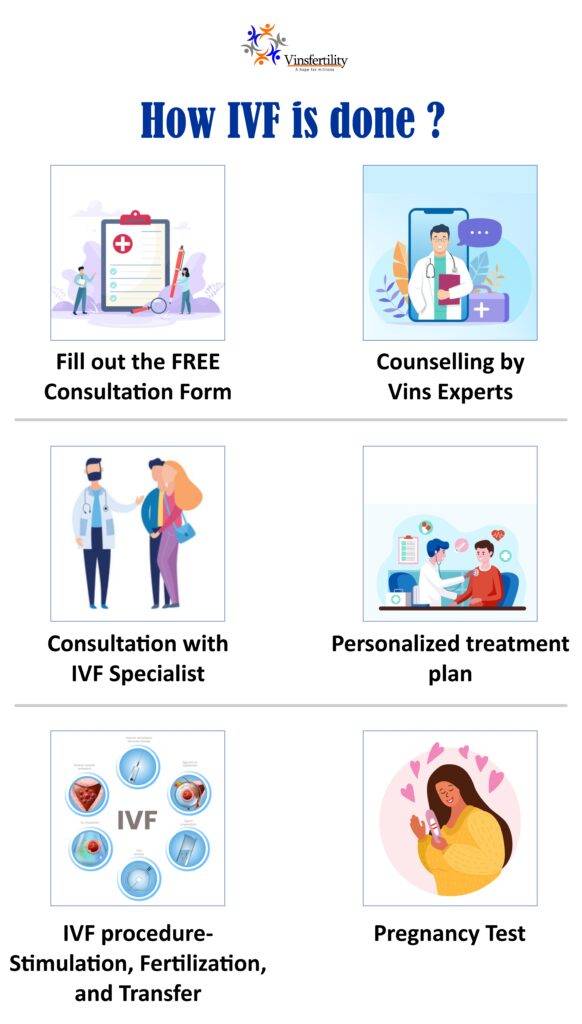
In Vitro Fertilization (IVF) is a sophisticated series of procedures used to help individuals or couples overcome fertility challenges or prevent genetic problems, thereby assisting with conception. It is recognized as one of the most effective forms of assisted reproductive technology (ART). During an IVF cycle, mature eggs are retrieved from the ovaries and fertilized by sperm in a specialized laboratory environment. The resulting fertilized egg, known as an embryo, is then carefully transferred to the uterus, aiming for successful implantation and pregnancy. Mayo Clinic provides detailed information on the IVF procedure and its applications.
When is IVF Recommended?
IVF may be recommended for individuals or couples facing various fertility challenges after a thorough medical evaluation. A fertility specialist will assess your specific health condition and history to determine if IVF is the most appropriate treatment option. Common reasons for recommending IVF include:
- Blocked or damaged fallopian tubes: This condition can prevent eggs from reaching the uterus or sperm from reaching the egg for natural fertilization.
- Male infertility factors: Including low sperm count, poor sperm motility, or abnormalities in sperm shape, which can significantly hinder natural conception.
- Ovulation disorders: Irregular or absent ovulation, making it difficult to time intercourse for conception.
- Endometriosis: A condition where tissue similar to the uterine lining grows outside the uterus, potentially affecting fertility and embryo implantation.
- Uterine fibroids: Benign growths in the uterus that can sometimes interfere with embryo implantation or pregnancy.
- Unexplained infertility: When no specific cause for infertility can be identified despite comprehensive diagnostic evaluations.
- Genetic disorders: IVF can be combined with preimplantation genetic testing (PGT) to screen embryos for specific genetic conditions before transfer, preventing their transmission to the child.
It is crucial to consult with a qualified fertility specialist to receive a precise diagnosis and discuss the most suitable and personalized treatment plan for your situation.
What is the Cost of IVF in Tadipatri in 2026?
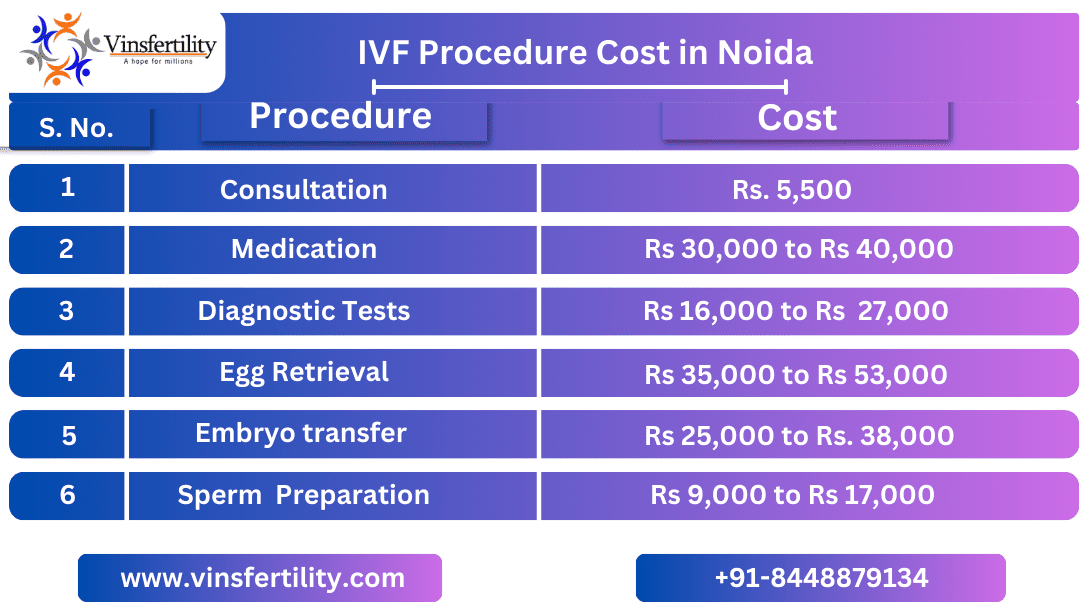
The cost of In Vitro Fertilization (IVF) treatment in Tadipatri, Andhra Pradesh, can vary significantly due to multiple influencing factors. In 2026, the estimated cost for a basic IVF cycle in Tadipatri generally ranges from ₹1,20,000 to ₹2,50,000. This range typically encompasses the core procedures involved in a standard IVF cycle, including initial consultation, ovarian stimulation, egg retrieval, embryo culture, and embryo transfer. However, it is essential to understand that this is an approximate estimate, and individual costs may differ based on specific patient needs, the clinic's reputation, and any additional advanced procedures required.
For a broader understanding of fertility treatment expenses across various regions, you can explore detailed information on IVF treatment costs.
What Factors Influence IVF Cost in Tadipatri?
Several key elements contribute to the overall cost of IVF treatment. Being aware of these factors can help you better anticipate and plan your financial investment:
- Number of IVF Cycles: Some individuals may require more than one IVF cycle to achieve a successful pregnancy, which directly impacts the total expenditure.
- Diagnostic Tests: Extensive initial and ongoing diagnostic tests for both partners (e.g., blood tests, ultrasound scans, semen analysis) contribute to the overall cost.
- Medication Costs: The cost of fertility medications, including hormonal injections for ovarian stimulation, can vary significantly based on the dosage, type, and duration required for each patient.
- Advanced Fertility Treatments: The need for additional procedures alongside standard IVF, such as Intracytoplasmic Sperm Injection (ICSI), Preimplantation Genetic Testing (PGT), Laser-Assisted Hatching (LAH), or surgical sperm retrieval (e.g., TESA, PESA) will add to the overall treatment cost.
- Donor Gametes or Embryos: If donor eggs, donor sperm, or donor embryos are required, this will add to the treatment cost, including donor compensation and screening.
- Embryo Freezing and Storage: Costs associated with freezing viable embryos for future use (cryopreservation) and their subsequent annual storage fees.
- Clinic and Specialist Reputation: The experience, success rates, and facilities offered by the fertility clinic and its specialists can influence pricing.
- Unforeseen Complications: Any unexpected medical complications or additional supportive treatments during the IVF process may incur extra charges.
Here’s a detailed breakdown of IVF costs for various procedures in Tadipatri, with estimated ranges for 2026. Please note these figures are estimates and can vary based on the chosen clinic, individual patient requirements, and any unforeseen medical needs. Medications and diagnostic tests are often billed separately.
| Types of IVF Procedure | Estimated Cost Range (INR) for 2026* |
|---|---|
| Basic IVF Cycle (excluding medications & diagnostics) | ₹1,20,000 to ₹2,00,000 |
| IVF with Self Eggs (including basic cycle, excluding medications & diagnostics) | ₹1,20,000 to ₹2,00,000 |
| IVF with Donor Eggs (including donor fees, excluding medications & diagnostics) | ₹2,80,000 to ₹4,00,000 |
| IVF with ICSI (Intracytoplasmic Sperm Injection) | ₹1,80,000 to ₹2,80,000 |
| IVF with PICSI (Physiological ICSI) | ₹2,00,000 to ₹3,20,000 |
| IVF with Donor Sperm (including donor fees, excluding medications & diagnostics) | ₹2,20,000 to ₹3,50,000 |
| IVF with Laser-Assisted Hatching (LAH) | ₹2,50,000 to ₹3,50,000 |
| IVF with Preimplantation Genetic Testing (PGT-A/M/SR) (per embryo/case basis) | ₹3,00,000 to ₹5,00,000 |
| Medications and Diagnostic Tests (Estimated per cycle, *additional*) | ₹70,000 to ₹1,50,000 |
| Embryo Freezing and Storage (Initial year) | ₹25,000 to ₹50,000 |
| Frozen Embryo Transfer (FET) Cycle | ₹50,000 to ₹80,000 |
Are There Financing Options and Support for IVF in Tadipatri?
Understanding the financial aspects of IVF is a critical part of the treatment journey. Many fertility clinics in India, including those serving the Tadipatri region, often provide various payment plans or financing options to help patients manage the costs. Some clinics may also offer assistance with navigating potential insurance coverage, although fertility treatments are frequently not fully covered by standard health insurance policies in India. It is highly advisable to discuss all financial arrangements, available support programs, and detailed cost breakdowns directly with your chosen clinic before commencing treatment.
Why should you opt for IVF?
- Effective when other treatments fail or as a primary option: IVF is often considered after other fertility treatments, such as ovulation induction or IUI, have not been successful. However, for certain conditions like severely blocked fallopian tubes or significant male factor infertility, a fertility specialist may recommend IVF as a first-line treatment to maximize the chances of success and avoid unnecessary delays. Consulting a specialist early can help determine the most suitable path for you.
- Inclusive family-building option: IVF offers pathways to parenthood for a diverse range of individuals and couples. It is not limited to heterosexual couples experiencing infertility but also supports single women, same-sex couples, and those utilizing donor eggs, donor sperm, or gestational surrogacy (Source: ACOG). This allows many more individuals to experience pregnancy and parenthood.
- Flexibility with fertility preservation: One significant advantage of IVF is the ability to preserve fertility through egg or embryo freezing. This allows individuals to postpone pregnancy for various reasons, such as career aspirations, medical treatments (like cancer therapy), or simply to choose a more suitable time for starting a family. You can decide when you are ready for pregnancy, offering greater control over your reproductive timeline.
- Potential to reduce miscarriage risk with PGT: While IVF itself doesn't inherently eliminate miscarriage, an advanced technique called Preimplantation Genetic Testing (PGT) can be performed during the IVF process. PGT screens embryos for chromosomal abnormalities before transfer (Source: Mayo Clinic). Transferring only chromosomally normal embryos can significantly reduce the risk of miscarriage associated with genetic flaws, which are a common cause of early pregnancy loss.
- Addresses various infertility causes: IVF is a versatile treatment that can overcome a wide range of infertility factors, including severe male infertility (often combined with ICSI), blocked or damaged fallopian tubes, endometriosis, and unexplained infertility where other treatments have failed.
What is the IVF Success Rate in Tadipatri?
VINS Fertility is proud to support many infertile patients across India in achieving successful IVF outcomes. While individual success rates can vary significantly based on factors such as maternal age, the cause of infertility, and the number of cycles undertaken, our clinic maintains a commendable success rate.
We report an overall success rate of approximately 65% to 70%. It's important to note that IVF success rates are highly dependent on a woman's age, with rates generally declining as age increases, particularly after 35 (Source: CDC). However, through personalized treatment plans and advanced techniques, VINS Fertility strives to optimize outcomes for all our patients.
We encourage you to discuss your specific situation and expected success rates with our fertility specialists, who can provide a personalized assessment based on your medical history and diagnostic results.
Factors Influencing IVF Success Rates in Tadipatri
The success of In Vitro Fertilization (IVF) treatment is a complex outcome influenced by a combination of factors. Understanding these elements can help patients have realistic expectations and make informed decisions. Here are the key factors that can impact IVF success rates:
-
Patient's Age: This is arguably the most significant factor, particularly the age of the woman. As women age, both the quantity (ovarian reserve) and quality of their eggs decline, leading to lower fertilization rates, fewer viable embryos, and a higher risk of miscarriage or chromosomal abnormalities. Success rates are generally highest for women under 35 and decrease progressively with age. For more information, refer to the CDC's guidelines on infertility.
-
Cause and Duration of Infertility: The underlying reason for infertility (e.g., tubal factor, male factor infertility, endometriosis, ovulatory dysfunction, unexplained infertility) significantly impacts the IVF protocol and success. Conditions like severe male factor infertility or advanced endometriosis may require specialized techniques. A longer duration of infertility might indicate more complex issues. The distinction between primary infertility (never conceived) and secondary infertility (conceived before but now unable to) can also influence prognosis, with secondary often having a slightly better outlook.
-
Quality of Eggs, Sperm, and Embryos: The genetic and morphological quality of the eggs and sperm directly influences the quality of the resulting embryos. High-quality embryos are more likely to implant successfully and lead to a healthy pregnancy. Advanced laboratory techniques are used to assess embryo quality before transfer.
-
Uterine Receptivity (Endometrial Development): A healthy and receptive uterine lining (endometrium) is crucial for successful embryo implantation. The thickness and quality of the endometrium are carefully monitored during an IVF cycle. Issues with uterine receptivity can reduce the chances of implantation.
-
Ovarian Reserve: This refers to the number of eggs remaining in a woman's ovaries. Tests like Anti-Müllerian Hormone (AMH) levels and antral follicle count (AFC) help assess ovarian reserve. A good ovarian reserve generally correlates with a better response to ovarian stimulation and a higher chance of retrieving multiple quality eggs.
-
Previous Pregnancy History and IVF Cycles: Women who have had a previous successful pregnancy, even if they are now experiencing secondary infertility, often have higher IVF success rates. Similarly, the outcome of previous IVF cycles can provide valuable insights for future treatment strategies. Cumulative success rates often increase with a greater number of cycles attempted, as long as underlying factors remain favorable.
-
Lifestyle Habits: Lifestyle choices such as smoking, alcohol consumption, excessive caffeine intake, poor diet, and obesity can negatively impact fertility in both men and women. Quitting smoking and reducing alcohol intake can significantly improve IVF outcomes. The World Health Organization (WHO) highlights lifestyle factors in reproductive health.
-
Expertise of the Fertility Specialist and Clinic: The experience and skill of the fertility doctor, embryologists, and the entire medical team are paramount. A reputable clinic with advanced laboratory facilities, stringent quality control, and personalized treatment protocols can significantly enhance success rates. VINS Fertility connects you with experienced specialists and top-tier clinics. You can explore more about IVF treatment costs and options with our network.
-
Response to Ovarian Stimulation: How a woman's ovaries respond to fertility medications to produce multiple eggs is a key indicator. An optimal response allows for the retrieval of a sufficient number of mature eggs, which is vital for creating several embryos and increasing the chances of success.
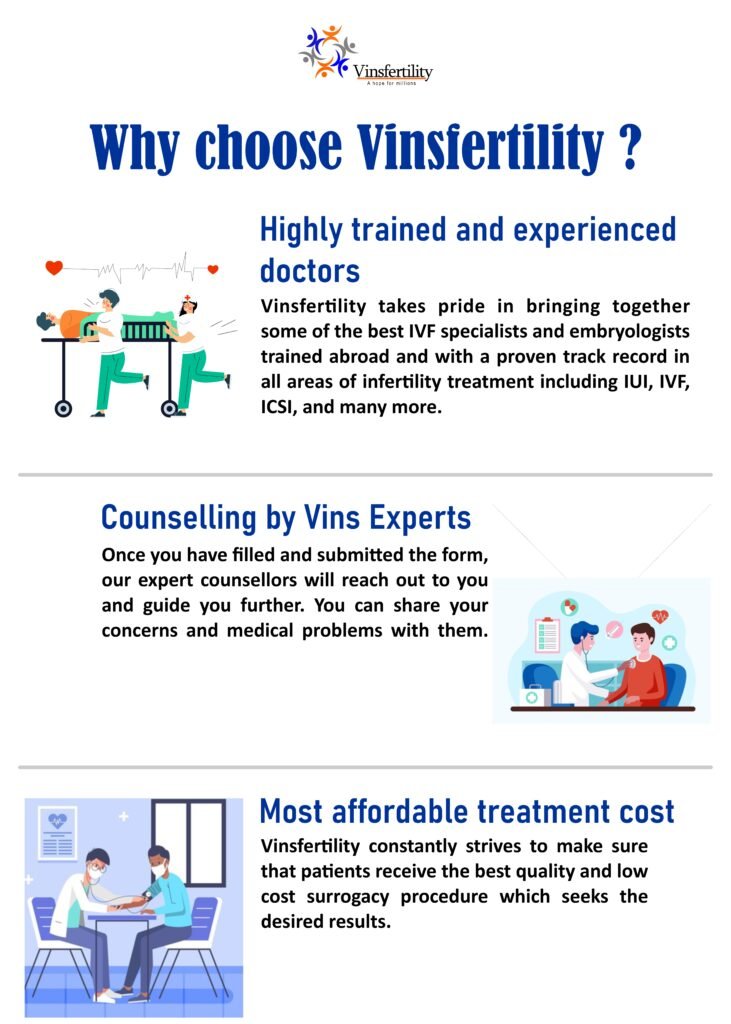 To know more about IVF costs in Tadipatri and receive a personalized estimate, we encourage you to speak with our fertility experts, who will guide you throughout the IVF process.
Frequently Asked Questions
What factors influence IVF cost in Tadipatri?
The cost of IVF treatment in Tadipatri, typically ranging from ₹1,00,000 to ₹2,50,000 per cycle, is influenced by several factors. These include the specific treatment protocol, the need for advanced techniques like ICSI, medication dosages, the use of donor gametes, and any additional procedures such as embryo freezing or genetic testing. While clinics determine their pricing, the Assisted Reproductive Technology (Regulation) Act, 2021, provides a framework for the ethical and transparent provision of ART services in India.
Who is eligible for IVF treatment in Tadipatri under Indian law?
Under the Assisted Reproductive Technology (Regulation) Act, 2021, IVF treatment in India is available to commissioning couples who are legally married and to single women. The Act specifies age criteria: the wife must be between 21 and 50 years, and the husband between 21 and 55 years. Single women must be between 21 and 50 years. These regulations ensure ethical and safe practices for ART services, as detailed on the National ART and Surrogacy Portal.
How can I choose a reliable IVF clinic in Tadipatri?
When selecting an IVF clinic in Tadipatri, look for centres that are registered with the appropriate authorities, have experienced and qualified fertility specialists, and maintain transparent pricing. It is also beneficial to inquire about their success rates and patient support services. The National Medical Commission (NMC) provides information on registered medical practitioners, ensuring you consult with certified professionals.
How long does a typical IVF cycle take?
A standard IVF cycle typically involves several stages, including ovarian stimulation, egg retrieval, fertilisation, and embryo transfer. From the start of ovarian stimulation to the embryo transfer, a complete cycle usually takes about 4 to 6 weeks. However, this timeline can vary based on individual patient response and specific treatment protocols, as outlined by general medical guidelines from organisations like the World Health Organization.
Sources & References
- The Surrogacy (Regulation) Act, 2021 — Government of India
- Indian Council of Medical Research (ICMR) — National ART & Surrogacy Registry
- NABL — National Accreditation Board for Testing and Calibration Laboratories
- World Health Organization (WHO) — Infertility clinical guidance
- PubMed — Peer-reviewed fertility research (NIH/NLM)
All external sources link to primary government, medical, or peer-reviewed material. This article is reviewed by a qualified fertility specialist and updated as clinical guidance changes.