IVF Treatment Cost in Rajahmundry 2026 | Vinsfertility
At a Glance: IVF Cost in Rajahmundry (2026)
- Estimated Cost: A single IVF cycle in Rajahmundry typically ranges from INR 1,50,000 to INR 2,50,000.
- Cost Influencers: Factors like the number of cycles, clinic choice, medication dosage, and additional procedures (e.g., PGT, donor gametes) significantly impact the final cost.
- Age Factor: A woman's age is a crucial determinant of IVF success rates, with rates declining naturally after her mid-30s.
- Comprehensive Treatment: The basic cost usually covers initial consultations, ovarian stimulation, monitoring, egg retrieval, sperm preparation, embryo culture, and embryo transfer.
- Benefits: IVF offers solutions for various infertility causes, allows genetic screening of embryos to reduce miscarriage risk, and boasts higher success rates compared to other fertility treatments.
What is IVF and Why Choose it in Rajahmundry?
In-vitro fertilisation (IVF) is a widely recognised fertility treatment that helps individuals and couples facing infertility challenges to achieve pregnancy. The process involves retrieving eggs from a woman's ovaries and fertilising them with sperm in a laboratory setting. Once fertilised, the resulting embryo is then carefully transferred back into the woman's uterus to develop. This procedure can be performed using a couple's own eggs and sperm, or with donor gametes (sperm or eggs) if medically necessary. According to the National Center for Biotechnology Information (NCBI), IVF is one of the most effective forms of assisted reproductive technology.
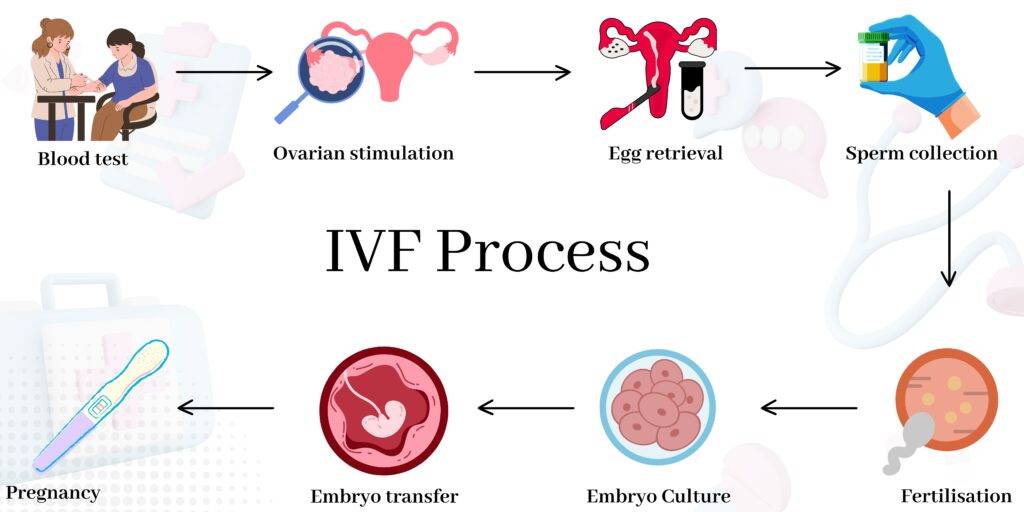
What is the Cost of IVF Treatment in Rajahmundry?
For many couples experiencing infertility, in-vitro fertilisation (IVF) offers a significant opportunity to build their families. The overall cost of IVF treatment in Rajahmundry typically ranges from approximately INR 1,50,000 to INR 2,50,000 per cycle. This estimated range generally includes essential components such as initial consultations, ovarian stimulation medications, monitoring, egg retrieval, and embryo transfer. However, the final cost can vary considerably based on the specific clinic, the individual's medical needs, the chosen treatment protocol, and any additional procedures required.
What Factors Affect the Cost of IVF?
The total cost of IVF treatment in Rajahmundry is influenced by several key factors:
- Number of IVF Cycles: The need for multiple IVF cycles to achieve a successful pregnancy will directly increase the overall cost.
- Consultation Fees: Fees for gynecologists, fertility specialists, and other medical consultations throughout the treatment journey.
- Clinic Selection: The reputation, technology, and services offered by different hospitals or fertility clinics can lead to varying price structures.
- Embryo Freezing (Cryopreservation): Costs associated with freezing and storing surplus embryos for future use.
- Donor Gametes: The expense of using donor sperm or donor eggs, which involves sourcing, screening, and compensation for donors.
- Pre-implantation Genetic Testing:
- Advanced Genetic Screening: Procedures like Preimplantation Genetic Testing (PGT), Preimplantation Genetic Diagnosis (PGD), and Preimplantation Genetic Screening (PGS) can significantly add to the cost.
- PGT (Preimplantation Genetic Testing): A genetic test performed on embryos before implantation to identify genetic defects.
- PGD (Preimplantation Genetic Diagnosis): Used to screen embryos for specific known genetic disorders (e.g., cystic fibrosis, Huntington's disease) when one or both parents are carriers.
- PGS (Preimplantation Genetic Screening): Now commonly referred to as PGT-A (for aneuploidy), it screens embryos for an abnormal number of chromosomes, which can lead to implantation failure or miscarriage. The Centers for Disease Control and Prevention (CDC) highlights the role of such tests in improving IVF outcomes.
- DNA Fragmentation Test: Assesses the quality of sperm DNA, which can impact embryo development and pregnancy rates.
- Advanced Genetic Screening: Procedures like Preimplantation Genetic Testing (PGT), Preimplantation Genetic Diagnosis (PGD), and Preimplantation Genetic Screening (PGS) can significantly add to the cost.
- Underlying Infertility Causes: Complex infertility issues (e.g., severe male factor infertility, endometriosis, recurrent implantation failure) may require additional procedures or specialized care, impacting costs.
- Post-operative Consultation: Follow-up appointments and care after embryo transfer.
- Medication Dosages: The type and dosage of fertility medications (e.g., ovarian stimulation injections, hormonal support) required, which can vary based on age, ovarian reserve, and individual response.
- Donor Insurance: If donor gametes are used, there might be associated insurance or administrative fees.
- Sperm Aspiration Procedures: For male factor infertility, procedures like TESA (Testicular Sperm Aspiration) or PESA (Percutaneous Epididymal Sperm Aspiration) to retrieve sperm surgically.
How Does Age Affect IVF Success Rates?
A woman's age is a crucial determinant of IVF success rates. The quality and quantity of eggs naturally decline as a woman ages, particularly after her mid-30s and more significantly after the age of 40. This decline is due to a reduction in both the number of viable eggs and an an increase in chromosomal abnormalities within the remaining eggs, which can affect fertilisation, embryo development, and implantation. The American College of Obstetricians and Gynecologists (ACOG) provides further information on how age impacts fertility and IVF outcomes.

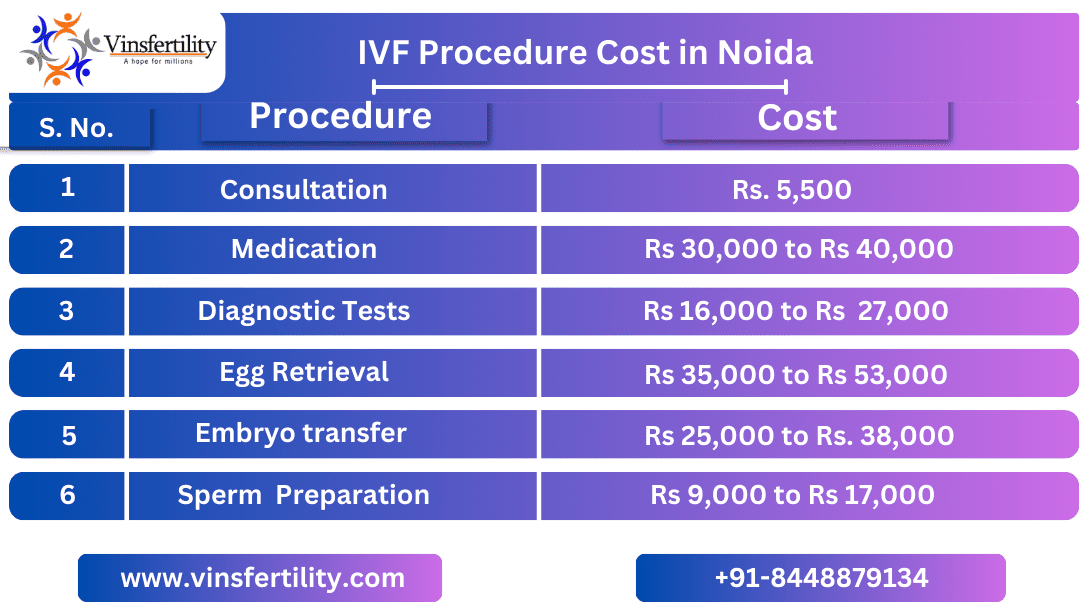
The table below provides an estimated cost breakdown for a single IVF cycle in Rajahmundry, illustrating how various components contribute to the overall expense. Please note that these are approximate figures for 2026 and actual costs may vary.
| IVF Treatment Component | Estimated Cost Range (INR) |
|---|---|
| Initial Consultation & Diagnostics (Basic) | 5,000 - 15,000 |
| Ovarian Stimulation Medications | 40,000 - 80,000 |
| Follicle Monitoring (Ultrasounds & Blood Tests) | 15,000 - 30,000 |
| Egg Retrieval Procedure | 30,000 - 50,000 |
| Sperm Preparation | 5,000 - 10,000 |
| Embryo Formation & Culture | 20,000 - 40,000 |
| Embryo Transfer Procedure | 20,000 - 35,000 |
| Post-transfer Medications | 5,000 - 15,000 |
| Total Estimated Cost Per Cycle (Basic IVF) | 1,50,000 - 2,50,000 |
| Additional Procedures (if required): | |
| ICSI (Intracytoplasmic Sperm Injection) | 25,000 - 50,000 |
| Embryo Freezing (Cryopreservation + Storage per year) | 15,000 - 30,000 |
| Preimplantation Genetic Testing (PGT-A/PGS) | 70,000 - 1,20,000 (per cycle for multiple embryos) |
| Donor Sperm | 10,000 - 25,000 |
| Donor Eggs | 80,000 - 1,50,000 |
The number of embryos transferred back into the uterus is a critical decision made jointly by the patient and their fertility specialist, influenced by factors such as embryo quality, the woman's age, and previous IVF history. While younger women (typically in their mid-30s) often have a single embryo transferred to minimise risks, older women may opt for two. The primary goal is to prevent high-order multiple pregnancies (triplets or more), which are associated with increased risks of premature birth, low birth weight, and other serious health complications for both the mother and babies.
Based on factors including IVF success rates in Rajahmundry, treatment quality, patient feedback, physician qualifications, and clinic accessibility, here are a few of the top IVF centres in Rajahmundry that offer affordable treatment options. For precise details on services, costs, and specialist availability, direct inquiry with each clinic is recommended.
Top IVF Centres in Rajahmundry
- Pragati IVF Center, Rajahmundry
- Dr. Rama’s Fertility & IVF Center, Rajahmundry
- London IVF Centre, Rajahmundry
- Jaya Kidney & Maternity Center, Rajahmundry
- Tapani Hospital, Rajahmundry

What are the Benefits of IVF?
-
Addresses Infertility When Other Treatments Fail: In Vitro Fertilization (IVF) is often a recommended advanced reproductive technology when less invasive fertility treatments, such as ovulation induction or intrauterine insemination (IUI), have not been successful. It is particularly effective for conditions like blocked fallopian tubes, severe male factor infertility, or unexplained infertility, offering a viable pathway to parenthood. (NCBI)
-
Accessible to a Wide Range of Individuals: IVF provides solutions for diverse individuals and couples facing fertility challenges. This includes those with male or female factor infertility, single individuals, and same-sex couples, by allowing the use of their own gametes (eggs and sperm) or donor gametes. (Mayo Clinic)
-
Access to Donated Eggs and/or Sperm: For individuals or couples who cannot use their own eggs or sperm due to medical reasons, advanced maternal age, or genetic conditions, IVF facilitates the use of donor eggs, donor sperm, or even donor embryos. This significantly expands the possibilities for building a family. (ACOG)
-
Greater Control Over Timing: IVF cycles can be meticulously planned and scheduled, offering individuals and couples more control over their treatment timeline. This flexibility can be especially beneficial for managing career commitments, personal life events, or other significant responsibilities.
-
Increased Probability of a Healthy Child Through Genetic Screening: Through Pre-implantation Genetic Testing (PGT), embryos can be screened for specific genetic disorders (PGT-M) or chromosomal abnormalities (PGT-A) before implantation. This process can significantly reduce the risk of passing on certain inheritable conditions to the child and improve the chances of a healthy pregnancy and live birth. (ACOG)
-
Reduced Chance of Miscarriage: By selecting chromosomally normal embryos through PGT-A, the risk of miscarriage, particularly those caused by chromosomal abnormalities, can be substantially reduced. This is a common benefit, especially for women of advanced maternal age. (Mayo Clinic)
-
Higher Likelihood of Becoming Pregnant: IVF offers some of the highest success rates among all fertility treatments, especially for specific infertility diagnoses. By directly facilitating fertilization outside the body and transferring viable embryos into the uterus, it maximizes the chances of achieving pregnancy. Success rates vary based on individual factors such as age, cause of infertility, and treatment protocol. (CDC)
1. Can we choose gender in IVF?
Ans: Gender selection through IVF, typically performed using Pre-implantation Genetic Testing (PGT), involves identifying the chromosomal sex of an embryo before transfer. While technically possible, its use is generally restricted to medical reasons, such as preventing the transmission of serious X-linked genetic disorders that predominantly affect one gender. According to the Indian Council of Medical Research (ICMR) guidelines and Indian law, gender selection for non-medical reasons (e.g., family balancing) is strictly prohibited in India.
2. How many cycles of IVF are needed to get pregnant?
Ans: The number of IVF cycles required to achieve pregnancy varies significantly among individuals. While some couples conceive after their first cycle, others may need multiple attempts. Data from the Centers for Disease Control and Prevention (CDC) suggests that cumulative success rates generally increase with each successive cycle, with a significant proportion of pregnancies occurring within the first three to six cycles. Factors such as a woman's age, the cause of infertility, and embryo quality all influence the likelihood of success per cycle. It's essential to discuss your specific prognosis and a personalized treatment plan with your fertility specialist. (CDC)
3. Are IVF babies normal?
Ans: Yes, extensive research and long-term studies have consistently shown that children conceived through in vitro fertilization (IVF) are just as healthy and develop normally as those conceived naturally. The Centers for Disease Control and Prevention (CDC) and other leading health organizations confirm that IVF children generally do not have a higher risk of physical, mental, or developmental issues compared to naturally conceived children. (CDC)
4. How long is 1 IVF cycle?
Ans: A full IVF cycle typically spans approximately four to six weeks, though the exact duration can vary based on individual response and specific protocols. The process generally involves several key stages:
- Initial Consultation & Testing: This phase may precede the actual cycle and involves comprehensive evaluations for both partners.
- Ovarian Stimulation: Lasting 8-14 days, this involves daily hormone injections to encourage multiple eggs to mature in the ovaries.
- Egg Retrieval: A minor surgical procedure performed under sedation, usually about 34-36 hours after a "trigger shot" is administered to finalize egg maturation.
- Fertilization & Embryo Culture: Eggs are fertilized with sperm in the laboratory; resulting embryos are then cultured for 3-5 days.
- Embryo Transfer: One or more selected embryos are carefully transferred into the uterus, typically 3 or 5 days after egg retrieval.
- Pregnancy Test: Usually conducted about 9-14 days after embryo transfer to confirm pregnancy.
Additional time may be needed for pre-cycle tests, genetic screening of embryos (PGT), or if a frozen embryo transfer (FET) cycle is planned later. (Mayo Clinic)
Frequently Asked Questions
What is the estimated IVF treatment cost in Rajahmundry for 2026?
The estimated cost for IVF treatment in Rajahmundry typically ranges from INR 1,02,000 to INR 1,60,000. This range generally includes the core procedures, necessary medications, and injections for a standard cycle. However, the final cost can vary based on individual medical needs and the specific clinic chosen.
What factors can influence the final cost of IVF in Rajahmundry?
Several factors can affect the total IVF cost in Rajahmundry, including the number of IVF cycles required, specific diagnostic tests like PGT or DNA fragmentation, and the need for donor eggs or sperm. Additional procedures such as embryo freezing or ICSI can also add to the overall expense, as can the choice of fertility clinic and the doctor's consultation fees.
How does a woman's age affect IVF success rates in Rajahmundry?
A woman's age is a primary factor influencing IVF success rates. Success rates generally begin to decline after the mid-30s, becoming more pronounced after the age of 40. According to the World Health Organization (WHO), age significantly impacts the quality and quantity of eggs, which are crucial for successful fertilization and embryo development. WHO
Are advanced IVF procedures like ICSI or PGT available in Rajahmundry, and do they affect the cost?
Yes, advanced IVF procedures such as Intracytoplasmic Sperm Injection (ICSI) and Preimplantation Genetic Testing (PGT) are generally available at specialized fertility clinics in Rajahmundry. These procedures are typically considered add-ons to the standard IVF cycle and can increase the overall treatment cost. A personalized treatment plan will detail these additional expenses.
What are the eligibility criteria for undergoing IVF treatment in India?
In India, eligibility for IVF treatment is governed by the Assisted Reproductive Technology (Regulation) Act, 2021. This act outlines criteria for couples and individuals, including age limits, marital status, and medical necessity. For detailed and up-to-date information on eligibility, it is advisable to consult the National ART and Surrogacy Portal maintained by the Ministry of Health and Family Welfare.
How should I choose a genuine and registered IVF clinic in Rajahmundry?
When selecting an IVF clinic in Rajahmundry, ensure it is registered under the Assisted Reproductive Technology (Regulation) Act, 2021, which mandates registration for all ART clinics. Look for clinics with experienced and certified fertility specialists, whose medical qualifications can be verified through the National Medical Commission (NMC). Transparency in pricing and a clear explanation of treatment protocols are also key indicators of a trustworthy clinic.
Sources & References
- The Surrogacy (Regulation) Act, 2021 — Government of India
- Indian Council of Medical Research (ICMR) — National ART & Surrogacy Registry
- NABL — National Accreditation Board for Testing and Calibration Laboratories
- World Health Organization (WHO) — Infertility clinical guidance
- PubMed — Peer-reviewed fertility research (NIH/NLM)
All external sources link to primary government, medical, or peer-reviewed material. This article is reviewed by a qualified fertility specialist and updated as clinical guidance changes.