IVF Cost in Navi Mumbai 2026: Complete Price Breakdown, Clinics & Doctor Details
At a Glance: IVF Cost in Navi Mumbai (2026)
- A standard IVF cycle in Navi Mumbai typically ranges from ₹1,00,000 to ₹2,80,000.
- The total cost can increase to ₹4,00,000 or more with advanced add-ons like ICSI, PGT, or donor services.
- Medication costs are a significant variable, often adding ₹35,000 to ₹1,00,000+ per cycle.
- Navi Mumbai is a growing hub for fertility treatments, offering a range of clinics from established local centres to national chains.
- Factors like age, ovarian reserve, and specific infertility diagnosis heavily influence the final expenditure.
- Always request a transparent, detailed cost breakdown from your chosen fertility clinic to avoid hidden charges.
Navi Mumbai, a rapidly developing satellite city, has emerged as a significant healthcare hub, attracting patients from its surrounding areas like Panvel, Vashi, Kharghar, and Thane. For individuals and couples considering In Vitro Fertilization (IVF) to address infertility, understanding the associated costs is a crucial first step.
This comprehensive guide details the expected expenses for an IVF cycle in Navi Mumbai for 2026, breaking down the various components and factors that influence the total cost. It also highlights reputable clinics and strategies for managing treatment expenses.
Understanding the components of IVF cost in Mumbai and Navi Mumbai is crucial for financial planning. A standard IVF cycle typically includes:
- Initial Consultations and Diagnostics: This involves preliminary meetings with fertility specialists and basic diagnostic tests for both partners to assess fertility status.
- Ovarian Stimulation: Medications (gonadotropins) are administered to stimulate the ovaries to produce multiple eggs.
- Follicle Monitoring: Regular ultrasounds and blood tests to track follicle development.
- Egg Retrieval: A minor surgical procedure to collect mature eggs from the ovaries.
- Fertilization and Embryo Culture: Eggs are fertilized with sperm in the laboratory, and resulting embryos are cultured for a few days. For more information on IVF procedures, refer to authoritative sources like the Mayo Clinic.
- Embryo Transfer: One or more selected embryos are transferred into the woman's uterus.
- Post-Transfer Support: Hormonal support (e.g., progesterone) after embryo transfer.
Additional factors that can significantly impact the overall IVF cost include:
- Medication Costs: The type, dosage, and duration of fertility medications can vary widely based on the patient's response and protocol, often adding ₹30,000 to ₹80,000 or more per cycle.
- Advanced Diagnostic Tests: Such as specialized hormonal assays, genetic screening for the male partner, or advanced imaging.
- Advanced Laboratory Techniques (Add-ons):
- Intracytoplasmic Sperm Injection (ICSI): Often recommended for male factor infertility, where a single sperm is injected directly into each egg.
- Preimplantation Genetic Testing (PGT): Screening embryos for chromosomal abnormalities (PGT-A) or specific genetic disorders (PGT-M) before transfer.
- Embryo Cryopreservation (Freezing): Storing surplus embryos for future use, which incurs initial freezing and annual storage fees.
- Assisted Hatching: A technique to help the embryo implant in the uterus.
- Extended Embryo Culture to Blastocyst Stage: Culturing embryos for 5-6 days to the blastocyst stage before transfer, which may improve selection.
- Multiple Cycles: Many couples require more than one IVF cycle to achieve a successful pregnancy, increasing cumulative costs.
It is important to discuss a detailed cost breakdown with your chosen fertility clinic to understand all potential expenses involved in your personalized treatment plan.
Why Navi Mumbai IVF Costs Sit in the Mid-to-Upper Range of India's Price Band
Navi Mumbai, a rapidly expanding satellite city and a prominent healthcare hub within the Mumbai Metropolitan Region, boasts excellent connectivity to areas like Panvel, Vashi, Thane, Kharghar, and Dombivli. Its high concentration of multi-speciality hospitals and dedicated fertility centres makes it a preferred destination for patients from the Konkan region and surrounding parts of Maharashtra, often negating the need for travel to South Mumbai for comprehensive fertility treatments.
Several key factors contribute to Navi Mumbai's IVF costs generally ranging from the mid to upper tier compared to other Indian cities:
- Regional infrastructure and access: While Navi Mumbai offers advanced fertility care, some highly specialised or experimental ART (Assisted Reproductive Technology) procedures might still require travel to South Mumbai or Pune. This travel, along with associated accommodation and logistical costs, can influence the overall expenditure for couples. The robust infrastructure, while beneficial, also contributes to higher operational costs for clinics.
- Technology and lab quality: Leading IVF centres in Navi Mumbai invest significantly in state-of-the-art embryology labs. This includes advanced incubators, air filtration systems, time-lapse imaging, and sophisticated equipment crucial for optimal embryo development. Such technological superiority and adherence to stringent safety protocols contribute to higher costs but also potentially better outcomes.
- Doctor expertise and team size: The presence of highly experienced and reputable IVF specialists, reproductive endocrinologists, and full-time, skilled embryology teams elevates the professional fees. These specialists bring years of training, a track record of success, and a commitment to personalised patient care, all of which are factored into treatment costs.
- Regulatory compliance: Adherence to the Assisted Reproductive Technology (Regulation) Act, 2021, and being a registered ART centre, necessitates substantial investment in specific infrastructure, equipment, and robust ethics oversight. These regulatory requirements ensure patient safety, quality of care, and transparent practices, adding to the operational overheads of clinics.
- High demand for quality services: As a growing urban centre with increasing awareness about infertility treatments, Navi Mumbai experiences significant demand for high-quality IVF services. This demand, coupled with the availability of advanced facilities, naturally influences pricing.
Understanding these factors can help prospective parents appreciate the value offered by IVF centres in Navi Mumbai. For a broader comparison, you can also explore IVF Cost in Mumbai.
What a "Base Cycle" Price Does and Does Not Include
When considering IVF treatment, it's crucial to understand what is typically covered in a "base cycle" price and what may incur additional charges. This transparency helps in financial planning and avoids unexpected costs.
Included in a Typical Base IVF Cycle
- Initial consultation and medical history review: This involves a detailed discussion with the fertility specialist to assess your medical background, previous treatments, and to formulate a preliminary treatment plan.
- Basic ovarian stimulation monitoring: This crucial step involves regular ultrasound scans to monitor the growth of ovarian follicles (which contain eggs) and blood tests to track hormone levels (like estradiol and progesterone). This ensures optimal timing for egg retrieval.
- Egg retrieval procedure: This minimally invasive surgical procedure, performed under mild sedation or anaesthesia, involves collecting mature eggs from the ovaries. The base cost typically includes basic theatre charges and anaesthesia fees.
- Sperm preparation: Before fertilisation, sperm samples are processed in the laboratory to select the healthiest, most motile sperm for use in IVF. This involves washing and concentrating the sperm.
- Standard fertilisation (IVF) in the lab: This is the process where prepared sperm and retrieved eggs are combined in a culture dish to allow fertilisation to occur naturally. This is distinct from advanced techniques like ICSI.
- Embryo culture: After fertilisation, embryos are grown in a controlled laboratory environment for several days (typically 3-5 days) to assess their development and quality before transfer.
- Embryo transfer into the uterus: This is a simple, outpatient procedure where the selected embryo(s) are carefully placed into the woman's uterus using a thin catheter, aiming for implantation.
Common Exclusions from a Base IVF Cycle
Many essential components of an IVF journey are often not covered by the advertised "base cycle" price due to their highly individualized nature or advanced requirements. It's vital to discuss these potential additional costs with your clinic.
- Hormone medications and injections: The cost of fertility drugs, which stimulate the ovaries to produce multiple eggs, can vary significantly (typically ₹35,000–₹95,000+). This depends on the specific protocol prescribed, the dosage required based on age and ovarian reserve, and the brand of medication. These are highly personalised to each patient's needs. The National Institute of Child Health and Human Development (NICHD) provides further information on fertility medications.
- Advanced fertilisation techniques:
- Intracytoplasmic Sperm Injection (ICSI): Where a single sperm is injected directly into each egg, often used in cases of male infertility.
- Intracytoplasmic Morphologically Selected Sperm Injection (IMSI): A more advanced form of ICSI using high magnification to select sperm.
- Physiological IntraCytoplasmic Sperm Injection (PICSI): Selects sperm based on their binding to hyaluronic acid, mimicking natural selection.
- Embryo freezing and annual storage charges: If more viable embryos are produced than are transferred in a single cycle, they can be frozen (cryopreserved) for future use. This process and subsequent annual storage fees are typically extra. This offers the benefit of additional attempts without undergoing another full stimulation cycle.
- Preimplantation Genetic Testing (PGT) costs: This involves screening embryos for chromosomal abnormalities (PGT-A) or specific genetic diseases (PGT-M) before transfer, to improve success rates and reduce the risk of genetic disorders. PGT is an elective procedure and adds to the overall cost.
- Donor egg, donor sperm, or donor embryo services: If donor gametes (eggs or sperm) or embryos are required due to specific infertility factors, the procurement, screening, and matching process for these services are charged separately.
- Additional diagnostic tests: Procedures like hysteroscopy (to examine the uterine cavity), sperm DNA fragmentation analysis, or advanced immunological tests may be recommended based on individual circumstances and are usually not part of the base package.
- Post-transfer follow-up and pregnancy tests: While some clinics may include an initial pregnancy test, subsequent blood tests, early pregnancy scans, and ongoing follow-up consultations after embryo transfer are often billed separately.
Full IVF Cost Breakdown in Navi Mumbai: Every Line Item Explained
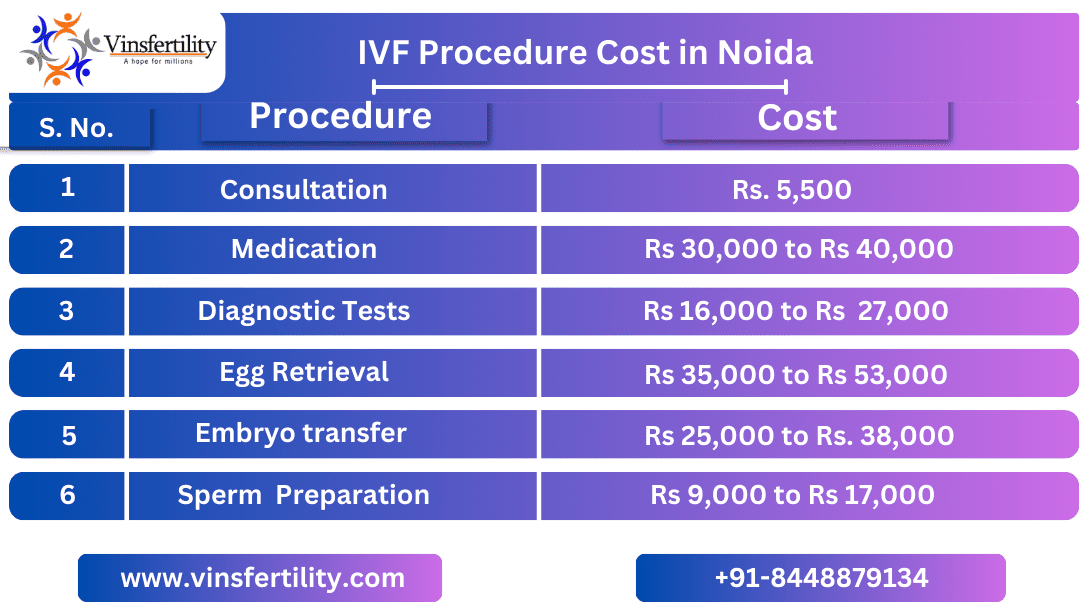
The overall cost for an IVF cycle in Navi Mumbai typically ranges from ₹1,00,000 to ₹2,80,000 for a standard cycle, potentially reaching ₹4,00,000 or more with advanced add-ons. The average cost for a standard IVF cycle often falls within the ₹1,50,000 to ₹2,50,000 range, but this can vary based on the clinic, individual patient needs, and specific protocols.
Below is a detailed breakdown of the common costs associated with an IVF cycle, including estimated ranges for 2026. Please note that these are approximate figures, and actual costs may differ. Always consult with your chosen fertility clinic for a personalized quote.
| Item | Estimated Range (₹) | Notes |
| Initial Consultation | 800–2,500 | First meeting with a fertility specialist, medical history review, and initial counselling. |
| Diagnostic Tests (Female) | 8,000–22,000 | Includes hormone assays (e.g., AMH, FSH, LH, Estradiol), thyroid panel, prolactin, infection screenings (HIV, Hepatitis B/C), complete blood count, and sometimes a transvaginal ultrasound. Source: WHO |
| Diagnostic Tests (Male) | 3,000–8,500 | Typically includes semen analysis (sperm count, motility, morphology), and sometimes hormonal tests or infection screenings if indicated. Source: NCBI (Semen Analysis) |
| Ultrasound Monitoring | 6,000–18,000 | Regular scans to track follicle growth, uterine lining (endometrial thickness), and monitor ovarian response to stimulation medications. |
| Ovarian Stimulation Drugs | 35,000–1,00,000 | Medications (gonadotropins) to stimulate the ovaries to produce multiple eggs. Cost varies significantly based on dosage, duration of treatment, specific drug protocol, and brand. |
| Egg Retrieval | 30,000–65,000 | A minor surgical procedure to collect eggs from the ovaries. Includes charges for anesthesia, operating theatre, and the procedure itself. |
| Sperm Preparation | 4,500–10,500 | Laboratory process to isolate healthy, motile sperm from the semen sample for fertilisation. |
| Fertilisation (Standard IVF) | Included in base cycle | Traditional insemination where sperm and eggs are placed together in a culture dish to allow fertilisation to occur naturally. |
| ICSI (Intracytoplasmic Sperm Injection) | 20,000–40,000 | An advanced fertilisation technique where a single sperm is injected directly into each egg. Often recommended for severe male factor infertility or previous IVF failures. |
| Embryo Culture | Included in base cycle | Monitoring and nurturing of fertilised eggs (embryos) in the laboratory for 3 to 5 days, typically aiming for the blastocyst stage. |
| Embryo Transfer | 22,000–45,000 | A procedure to carefully place selected embryo(s) into the woman's uterus. Usually performed 3 or 5 days after egg retrieval. |
| Embryo Freezing (Cryopreservation) | 15,000–35,000 | Preservation of good quality surplus embryos for future use, offering additional chances for pregnancy without another full IVF cycle. |
| Embryo Storage (Annual) | 8,000–18,000 | A yearly fee for the cryostorage and maintenance of frozen embryos. |
| Frozen Embryo Transfer (FET) | 45,000–70,000 | A separate cycle involving thawing previously frozen embryos and transferring them to the uterus. This includes preparation, monitoring, and the transfer procedure. |
| Surgical Sperm Retrieval (e.g., TESA/PESA) | 20,000–50,000 | Procedures like Testicular Sperm Aspiration (TESA) or Percutaneous Epididymal Sperm Aspiration (PESA) to retrieve sperm directly from the testes or epididymis for men with azoospermia or severe male factor infertility. Source: NCBI |
| Pre-implantation Genetic Testing (PGT) | 30,000–70,000 per embryo (plus biopsy fee) | Genetic screening of embryos for chromosomal abnormalities (PGT-A) or specific genetic disorders (PGT-M) before transfer. This helps improve success rates and reduce the risk of genetic conditions. Source: ACOG |
| Donor Services (Egg/Sperm/Embryo) | Varies widely (₹50,000 - ₹3,00,000+) | Additional costs for sourcing, screening, compensation, and legal formalities related to using donor eggs, donor sperm, or donor embryos. This is a significant variable cost. |
Hidden Costs Most Clinics Don't Advertise Upfront
Beyond the primary components of an IVF cycle, several additional expenses can arise. It's essential to discuss these potential "hidden" costs with your clinic early in your treatment journey to avoid surprises:
- Advanced diagnostic tests: Specialized investigations such as karyotyping (chromosomal analysis), hysteroscopy (uterine examination), endometrial receptivity array (ERA), or sperm DNA fragmentation tests may be recommended based on your specific situation. Source: Mayo Clinic
- Post-transfer medications: These often include progesterone supplements and other hormonal support crucial for maintaining the uterine lining and supporting early pregnancy. These are usually prescribed for several weeks after embryo transfer.
- Anesthesia for additional minor procedures: If further minor procedures are required (e.g., fluid removal, repeat aspirations), separate anesthesia charges might apply.
- Blastocyst culture surcharges: While embryo culture to the blastocyst stage (Day 5/6) is often included, some clinics might have an extra charge if extended culture is required beyond Day 3.
- PGT costs per embryo: As detailed above, Pre-implantation Genetic Testing involves a biopsy fee and a per-embryo testing fee, which can accumulate significantly if many embryos are tested.
- Extended counselling sessions: While initial counselling is usually included, ongoing psychological support or specialized counselling sessions might incur additional fees.
- Donor sourcing, legal, and screening fees: If using donor gametes (egg or sperm) or donor embryos, there are substantial costs associated with donor recruitment, medical and psychological screening, legal contracts, and compensation for the donor.
- Emergency management costs: Although rare, complications like Ovarian Hyperstimulation Syndrome (OHSS) or ectopic pregnancy may require hospitalisation or additional medical intervention, leading to unforeseen expenses. Source: NHS
Medication Cost Swing (₹35,000–₹95,000+) Based on Age and Ovarian Response
The cost of fertility medications is a significant variable in an IVF cycle and can fluctuate widely based on several individual factors. These factors primarily include the patient's age, their ovarian reserve (indicated by markers like Anti-Müllerian Hormone or AMH levels), the presence of conditions like Polycystic Ovary Syndrome (PCOS), and the specific treatment protocol prescribed by the fertility specialist.
Younger women with a healthy ovarian reserve may require lower doses of stimulation medications, which can lead to reduced costs. Conversely, older patients, those with diminished ovarian reserve, or individuals with more complex fertility challenges may need higher-intensity stimulation protocols and a longer duration of medication, thereby increasing the overall expense. The choice of drug brand (generic vs. proprietary) can also influence the final cost.
Common medications used in IVF include:
- Gonadotropins: Hormones like FSH (Follicle-Stimulating Hormone) and LH (Luteinizing Hormone) to stimulate multiple egg development.
- GnRH Agonists/Antagonists: Medications to prevent premature ovulation.
- hCG (Human Chorionic Gonadotropin): The "trigger shot" to induce final egg maturation.
- Progesterone: To support the uterine lining after egg retrieval and embryo transfer.
It is crucial to have a detailed discussion with your fertility specialist about the personalized medication protocol and its associated costs. For more information on IVF medications, you can consult resources from the National Institutes of Health (NIH).
IVF Cost by Treatment Type: IVF vs ICSI vs Mini-IVF
| Procedure | Estimated Price Range (₹) | Best Suited For |
| Conventional IVF | ₹1,20,000–₹2,60,000 | Couples with unexplained infertility, mild male factor infertility, or tubal blockage where sperm and egg can fertilize naturally. |
| IVF with ICSI | ₹1,50,000–₹3,20,000 | Cases of severe male factor infertility, previous fertilisation failure with conventional IVF, or use of surgically retrieved sperm. |
| Mini-IVF | ₹90,000–₹1,90,000 | Women with good ovarian reserve, those at high risk of Ovarian Hyperstimulation Syndrome (OHSS), or patients preferring a milder stimulation approach with fewer medications. |
Understanding the different types of IVF procedures is crucial for estimating costs. Each method is tailored to specific fertility challenges, influencing the overall treatment price. For a comprehensive overview of IVF treatment costs, you may refer to our detailed guide on IVF Cost in Mumbai.
When ICSI is Medically Justified vs. Potentially Upsold
Intracytoplasmic Sperm Injection (ICSI) is an advanced IVF technique where a single sperm is directly injected into an egg. This procedure significantly increases the chances of fertilisation in specific scenarios.
ICSI is medically justified and highly effective in cases of:
- Severe male factor infertility: This includes conditions such as very low sperm count (oligozoospermia), poor sperm motility (asthenozoospermia), or abnormal sperm shape (teratozoospermia).
- Previous fertilisation failure: If conventional IVF cycles have resulted in little to no fertilisation despite good egg and sperm quality.
- Use of frozen sperm: Especially if the sperm quality is compromised after thawing.
- Preimplantation Genetic Testing (PGT): When genetic testing of embryos is planned, ICSI is often preferred to reduce the risk of contamination from residual sperm.
While ICSI is a valuable tool, it's essential for couples to understand its necessity. If ICSI is recommended without a clear male-factor indication or a history of fertilisation issues, couples should openly discuss the rationale with their fertility specialist. Some clinics might offer it routinely as an add-on, potentially increasing costs without a clear medical benefit for every patient. For more details on ICSI, you can consult resources like the American College of Obstetricians and Gynecologists (ACOG).
Cost of Donor Egg, Donor Sperm, and Donor Embryo Cycles
For individuals or couples facing specific fertility challenges, using donor gametes (sperm or eggs) or donor embryos can be a viable path to parenthood. These options are typically considered in cases of severe male factor infertility, diminished ovarian reserve, premature ovarian failure, or when there's a risk of transmitting genetic disorders. The costs associated with these cycles are higher due to donor compensation, extensive screening, and legal processes.
- Donor sperm cycle: This typically adds about ₹15,000–₹45,000 to the base IVF cost, covering the cost of screened donor sperm.
- Donor egg cycle: These cycles are more complex and generally range from ₹2,00,000–₹4,00,000, depending on the donor's profile, screening, and the package inclusions.
- Donor embryo cycle: Often in the range of ₹2,50,000–₹4,20,000, this option involves using embryos created from donor sperm and donor eggs.
It is paramount that donor gametes and embryos are always sourced through registered Assisted Reproductive Technology (ART) banks. These banks adhere to the strict ART and Surrogacy regulations in India, ensuring comprehensive medical screening, genetic testing, and ethical guidelines are followed to safeguard the health of both the donor and the intended parents. You can find more information about donor conception from the NHS.
Add-On Procedure Costs: PGT, Laser Hatching, Blastocyst, FET
Beyond the core IVF cycle, several advanced add-on procedures can be recommended to improve success rates or address specific concerns. These procedures come with additional costs, which can vary significantly between clinics.
PGT-A / PGT-M Pricing Per Embryo
Preimplantation Genetic Testing (PGT) involves screening embryos for genetic abnormalities before transfer. There are two main types:
- PGT-A (Aneuploidy): Screens embryos for chromosomal abnormalities, such as an extra or missing chromosome, which can lead to implantation failure or miscarriage.
- PGT-M (Monogenic/Single Gene Disorder): Screens for specific genetic disorders (e.g., Cystic Fibrosis, Thalassemia) when one or both parents are known carriers.
The cost for PGT is typically around ₹25,000–₹50,000 per embryo, which includes the genetic analysis. This is in addition to the embryo biopsy and laboratory fees, which might be bundled or charged separately. PGT is often recommended for older women, those with a history of recurrent miscarriage, or couples with known genetic conditions. Learn more about PGT from the American College of Obstetricians and Gynecologists (ACOG).
Blastocyst Culture Cost
Blastocyst culture involves growing embryos in the laboratory for 5-6 days after fertilisation, rather than the traditional 2-3 days (cleavage stage). This allows embryologists to select the most robust embryos for transfer, as only the healthiest embryos typically reach the blastocyst stage. While often included in advanced IVF packages, some clinics may charge an additional fee of approximately ₹8,000–₹20,000 for extended culture to the blastocyst stage.
Assisted Hatching (Laser Hatching) Cost
Assisted Hatching (AH) is a micro-procedure performed on embryos before transfer. A small opening is made in the outer shell of the embryo (zona pellucida) to help it "hatch" and implant into the uterine lining. Laser hatching uses a precise laser for this purpose. It may be recommended for older patients, embryos with a thick zona pellucida, or those with previous implantation failures. The cost for Assisted Hatching typically ranges from ₹12,000–₹28,000.
Frozen Embryo Transfer (FET) Cost vs. Fresh Transfer
A Frozen Embryo Transfer (FET) involves thawing and transferring embryos that were frozen from a previous IVF cycle. This process typically costs ₹45,000–₹68,000. The cost covers the thawing process, preparation of the uterine lining (endometrial preparation) with hormones, and the actual embryo transfer procedure.
FET is generally less expensive than a fresh IVF cycle because it bypasses the initial stages of ovarian stimulation and egg retrieval, which are the most medication-intensive and procedurally complex parts of IVF. FET cycles are often preferred when there's a risk of Ovarian Hyperstimulation Syndrome (OHSS), after PGT, or to allow the uterus more time to recover from stimulation and achieve optimal receptivity. The Mayo Clinic provides further insights into embryo transfer procedures.
ERA, Embryo Glue, and Time-Lapse Imaging Charges
- Endometrial Receptivity Analysis (ERA): This test assesses the optimal window for embryo implantation by analyzing a biopsy of the uterine lining. It is recommended for patients with recurrent implantation failure despite good quality embryos. The cost typically ranges from ₹35,000–₹60,000.
- Embryo Glue: This is a special culture medium enriched with hyaluronan, which is believed to help the embryo attach to the uterine lining. It's used during embryo transfer and usually costs ₹10,000–₹22,000.
- Time-lapse embryo imaging: This advanced technology allows embryologists to continuously monitor embryo development without removing them from the incubator. It provides detailed insights into embryo kinetics and helps select the most viable embryos. Charges for time-lapse imaging are generally ₹20,000–₹40,000.
Low-Cost IVF in Navi Mumbai: How to Genuinely Reduce Your Bill
- Compare Centres and Localities: Research and compare different fertility clinics across Navi Mumbai, including areas like Panvel and Vashi, as well as the broader Mumbai region. Long-established centres may have lower operational overheads, which can reflect in their pricing, while still maintaining high laboratory standards and strong success rates. For a broader comparison, you can also explore IVF costs in Mumbai.
- Consider Nearby Suburbs: Expanding your search to fertility centres in nearby suburbs such as Kharghar, Dombivli, and Thane can sometimes reveal more affordable options. These areas may offer comparable quality of care and experienced specialists at slightly lower prices due to reduced real-estate costs and overheads.
- Understand the Full Cost Breakdown: Always request a detailed, transparent cost estimate that clearly separates the basic IVF cycle fee from additional procedures. This includes costs for medications, diagnostic tests, freezing embryos (cryopreservation), ICSI (Intracytoplasmic Sperm Injection), PGT (Preimplantation Genetic Testing), and any other supplementary treatments. Knowing what's included and excluded helps avoid unexpected expenses.
- Medication Management: Fertility medications are a significant component of the overall IVF cost. Discuss with your doctor if there are options for less expensive, equally effective generic medications, or if different treatment protocols could potentially reduce the quantity of medication needed without compromising success rates.
- EMI and Financing Options: Many fertility centres and financial institutions offer Equated Monthly Installment (EMI) plans or specific fertility loans. These options can help spread the financial burden over time. Always scrutinize the terms and conditions, including interest rates, processing fees, and repayment schedules, before committing.
- Multi-Cycle Packages: Some clinics provide discounted packages for multiple IVF attempts, which can be cost-effective if more than one cycle is anticipated. Before opting for such a package, ensure you clearly understand what constitutes one "cycle," the success rates associated with these packages, and the clinic's refund policy if the package is not fully utilized.
- Check for Insurance Coverage: While comprehensive insurance coverage for infertility treatment is not universally available in India, it is worth checking with your health insurance provider. Some policies may cover specific diagnostic tests, consultations, or certain aspects of treatment. Understanding your policy's specifics can help identify any potential savings.
Low Cost IVF Centres in Navi Mumbai
Navi Mumbai offers several reputable fertility clinics that provide high-quality In Vitro Fertilization (IVF) treatment at competitive price points. While "low-cost" can be subjective, this section highlights centres known for offering comprehensive care without compromising on medical standards, making fertility treatment more accessible. It's crucial for prospective parents to understand that initial quoted costs can vary based on individual diagnostic needs, specific medication protocols, and any additional advanced procedures required. This list aims to guide couples from Navi Mumbai and surrounding regions towards patient-focused and cost-efficient options.
How this list was compiled: The costs, success rates, and doctor details provided below are indicative figures. Our editorial team has reviewed them based on publicly available clinic and directory listings as of 2026. These figures are subject to change and should always be confirmed directly with the clinic before commencing any treatment.
| Centre | Google Rating | Estimated IVF Cost | Lead Specialist(s) | Location |
| Lifeline IVF Centre | N/A | ₹1,00,000 – ₹2,00,000 | Dr. Prakash Patil, Dr. Ketki Patil Mhaske | Panvel, Navi Mumbai |
| DY Patil Fertility Centre (Bloom IVF Group) | N/A | ₹1,50,000 – ₹2,80,000 | Dr. Rohan Palshetkar, Dr. Hrishikesh Pai | Nerul, Navi Mumbai |
| Indira IVF, Vashi | 4.5/5 | ₹1,20,000 – ₹2,20,000 | Dr. Anmol Nayak | Vashi, Navi Mumbai |
Lifeline IVF Centre, Panvel, Navi Mumbai
Address: Shivaji Rd, Old Panvel, Panvel, Maharashtra 410206.
Dr. Prakash Patil, a highly experienced Consulting Gynaecologist and IVF Specialist, holds an MBBS degree and advanced diplomas in Pelviscopic Surgery and Advanced Hysteroscopy from prestigious institutions in Kiel, Germany, Clermont-Ferrand, France, and the Royal Free Hospital, UK. As Chairman & Managing Director of Lifeline Superspeciality Hospital, he brings over 40 years of practice since 1983. Dr. Patil has performed more than 15,000 IVF, Intracytoplasmic Sperm Injection (ICSI), and Embryo Transfer (ET) procedures, and has counselled over 100,000 couples, offering extensive expertise in reproductive medicine. The IVF lab is expertly led by Dr. Ketki Patil Mhaske, who holds an MBBS, MS in Obstetrics & Gynaecology, a DGO from Ireland, and an MSc in Embryology from Oxford, UK, ensuring advanced laboratory practices. IVF, ICSI, and ET are key assisted reproductive technologies used to help couples conceive.
| Estimated IVF Cost | ₹1,00,000 – ₹2,00,000 |
| Estimated IUI Cost | ₹8,000 – ₹25,000 |
| Consultation Fee | ₹700 – ₹1,000 |
| Lead Specialists | Dr. Prakash Patil, Dr. Ketki Patil Mhaske |
| Experience | 40+ years (Dr. Patil) |
DY Patil Fertility Centre (Bloom IVF Group), Navi Mumbai
DY Patil Fertility Centre is a distinguished part of the Bloom IVF Group, one of India's leading fertility chains with over 8 centres nationwide. The centre provides a comprehensive range of assisted reproductive technologies, including In Vitro Fertilization (IVF), Intracytoplasmic Sperm Injection (ICSI), and advanced options for egg, sperm, and embryo freezing. Their state-of-the-art laboratories feature HEPA-filtered air systems, designed to maintain exceptionally high sterility standards, which are crucial for optimal embryo development and success rates in fertility treatments. Fertility preservation, such as egg or sperm freezing, offers individuals the option to store their gametes for future use.
Address: Ayyappa Temple Rd, Dr D Y Patil Vidyanagar, Sector 5, Nerul, Navi Mumbai, Maharashtra 400706.
Dr. Rohan Palshetkar serves as the Head of Unit and IVF Specialist. He holds an MBBS and an MS in Obstetrics & Gynaecology, where he was awarded a Gold Medalist. Dr. Palshetkar has received specialized super-specialty training in Germany and brings over 15 years of extensive clinical experience in obstetrics, gynaecology, and advanced endoscopic/fertility surgeries. Dr. Hrishikesh Pai, Co-Founder & Director, is a highly respected infertility specialist and gynaecologist with over 35 years of vast clinical experience. He holds an MBBS, MD in Obstetrics & Gynaecology, a Fellowship in Reproductive Biology from the Royal Women's Hospital, Melbourne, and a Master's in Clinical Embryology & Andrology from the USA. Dr. Pai's expertise spans the breadth of reproductive medicine, from initial diagnosis to complex fertility treatments. For more information on IVF costs in the broader region, you can refer to our guide on IVF Cost in Mumbai.
| Estimated IVF Cost | ₹1,50,000 – ₹2,80,000 |
| Success Rate | ~75% |
| Thaw Recovery Rate | ~90% |
| Lead Specialists | Dr. Rohan Palshetkar, Dr. Hrishikesh Pai |
| Experience | 35+ years (Dr. Pai) |
Indira IVF, Vashi, Navi Mumbai
Indira IVF is a prominent part of a large national fertility chain, recognized for its extensive network and advanced fertility solutions. The centre offers a comprehensive suite of treatments, including IVF, IUI (Intrauterine Insemination), ICSI, various donor programmes (egg, sperm, embryo), and fertility preservation services. They prioritize embryo safety through the use of closed working chambers and electronic witnessing systems, which ensure traceability and minimize human error in the laboratory. Additionally, the clinic provides diagnostic and therapeutic laparoscopy and hysteroscopy procedures, which are essential for identifying and treating underlying gynaecological conditions affecting fertility. Laparoscopy and hysteroscopy are minimally invasive surgical procedures used to diagnose and treat reproductive issues.
Address: Ground Floor, Sea Queen Heritage, Palm Beach Service Road, Sector 18, Sanpada, Vashi, Navi Mumbai, Maharashtra 400705.
Dr. Anmol Nayak is a highly qualified specialist at Indira IVF. She holds an MBBS, a DGO (Diploma in Gynaecology and Obstetrics), a DNB (Diplomate of National Board in Obstetrics & Gynaecology), and an FMAS (Fellowship in Minimal Access Surgery). Dr. Nayak has also completed an Advanced Diploma in ART (Assisted Reproductive Technology) and Reproductive Medicine from Kiel, Germany. With 20 years of overall medical experience, she has specialized in reproductive medicine and IVF for over 14 years, providing expert care to couples seeking fertility solutions.
| Estimated IVF Cost | ₹1,20,000 – ₹2,20,000 |
| Estimated IUI Cost | ₹15,000 – ₹25,000 |
| Consultation | Free |
| Google Rating | 4.5/5 |
| Lead Specialist | Dr. Anmol Nayak |
| Experience | 20 years (overall medical), 14+ years (IVF) |
*Disclaimer: The treatment costs, success rates, and doctor details provided are approximate estimates, compiled from publicly available clinic listings and general market data as of 2026. These figures are highly variable and depend significantly on individual patient factors such as age, specific infertility diagnosis, required medications, laboratory procedures, and any additional fertility treatments or services. Success rates, particularly, are influenced by many variables and should not be considered a guarantee of outcome. For the most accurate, personalized pricing, consultation details, and up-to-date success rate information specific to your case, please contact the respective fertility centre directly. It is always recommended to have a thorough consultation with a fertility specialist to understand all aspects of your treatment plan and associated costs.
Sources & References
- The Surrogacy (Regulation) Act, 2021 — Government of India
- Indian Council of Medical Research (ICMR) — National ART & Surrogacy Registry
- NABL — National Accreditation Board for Testing and Calibration Laboratories
- World Health Organization (WHO) — Infertility clinical guidance
- PubMed — Peer-reviewed fertility research (NIH/NLM)
All external sources link to primary government, medical, or peer-reviewed material. This article is reviewed by a qualified fertility specialist and updated as clinical guidance changes.