IVF Cost in Moradabad 2026 | Best IVF Prices | Vinsfertility
Key Takeaways: IVF Cost in Moradabad
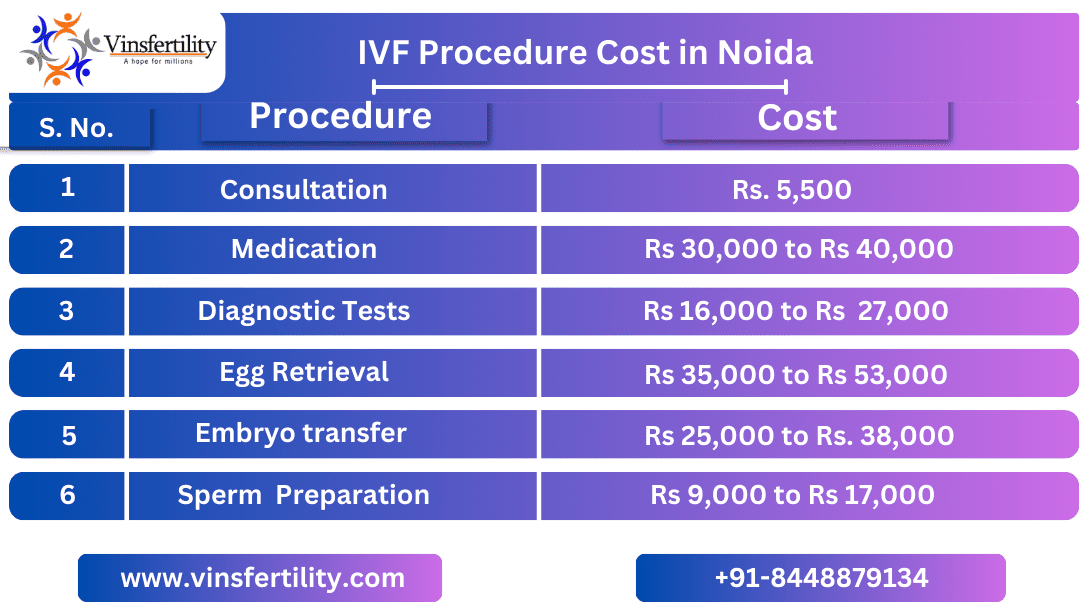
- Total Estimated Cost: A single IVF treatment cycle in Moradabad typically ranges from INR 80,000 to INR 2,50,000.
- Cost Variation: Final costs depend on the chosen clinic, case complexity, medication dosages, and additional procedures like ICSI or PGT.
- Age Factor: IVF success rates are significantly influenced by the woman's age, with rates generally higher for younger women.
- Comprehensive Treatment: The estimated range often includes ovarian stimulation, egg retrieval, fertilization, embryo transfer, and initial consultations.
- Flexible Payments: Many clinics in Moradabad offer flexible payment options, including EMI facilities, to make treatment more accessible.
Understanding IVF Treatment and its Cost in Moradabad
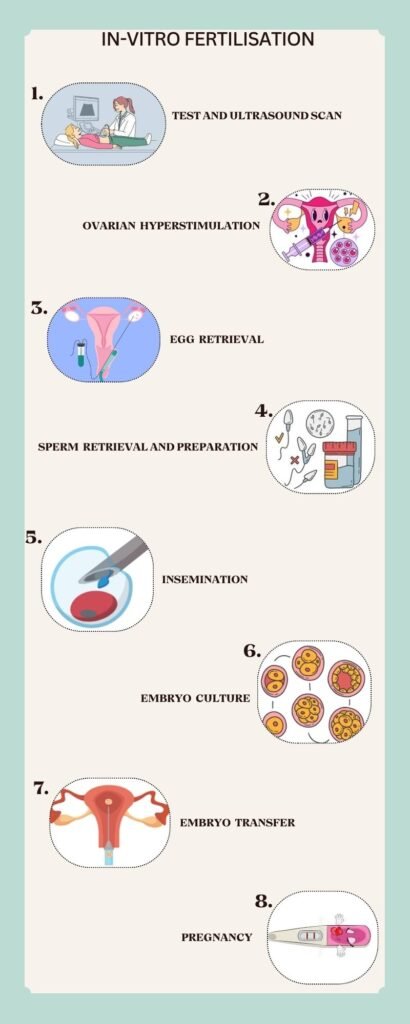
In vitro fertilisation (IVF) is a widely used and effective fertility treatment that assists individuals and couples in becoming parents. It is one of several options available for those facing infertility challenges. The IVF process involves retrieving an egg from a woman's ovary and fertilising it with sperm in a laboratory setting. Once fertilisation occurs, the resulting fertilised egg, known as an embryo, is carefully transferred back into the woman's uterus to develop. This procedure can utilise the eggs and sperm of the couple, or donor sperm and/or donor eggs, depending on individual circumstances and medical recommendations. The Centers for Disease Control and Prevention (CDC) provides comprehensive information on Assisted Reproductive Technology (ART), including IVF.
The desire to have children is a deeply personal and often overwhelming urge for many, especially as they plan their families. For numerous couples experiencing infertility, In Vitro Fertilisation (IVF) offers a significant pathway to parenthood. The estimated total cost for a single IVF treatment cycle in Moradabad typically ranges from INR 80,000 to INR 2,50,000. This comprehensive range generally includes essential components such as ovarian stimulation medications, injections, egg retrieval, fertilisation, embryo transfer, and initial consultation fees. However, it's crucial to understand that the final cost of IVF can vary significantly based on several factors, including the specific fertility clinic or hospital chosen, the city where the treatment is sought, the complexity of the individual's case, and any additional advanced procedures required. Many clinics in Moradabad also offer flexible payment options, including EMI facilities, to make treatment more accessible.

What Factors Affect the Cost of IVF in Moradabad?
The overall IVF cost in Moradabad is influenced by a combination of medical, procedural, and personal factors. Key elements that can impact the final expenditure include:
- Number of IVF Cycles: The total cost will increase if more than one IVF cycle is required to achieve a successful pregnancy.
- Consultation Fees: Charges for initial and ongoing consultations with fertility specialists or gynaecologists.
- Choice of Clinic/Hospital: Prestigious or larger fertility centres may have higher fees compared to smaller clinics due to their infrastructure, technology, and success rates.
- Embryo Freezing (Cryopreservation): Additional costs apply for freezing and storing surplus embryos for future use, which includes initial freezing fees and annual storage charges.
- Donor Gametes: If donor eggs, donor sperm, or donor embryos are needed, the cost will include compensation for the donor, screening, and agency fees.
- Preliminary Diagnostic Testing: Advanced genetic tests such as Preimplantation Genetic Testing (PGT-A for aneuploidy, PGT-M for monogenic disorders, PGT-SR for structural rearrangements) and DNA fragmentation tests, if required, add to the overall cost. These tests assess embryo health and genetic conditions.
- Cause of Infertility: The underlying cause of infertility (e.g., male factor, female factor, unexplained) can dictate the complexity and duration of treatment, affecting costs.
- Medication Dosages: The type and dosage of fertility medications, which often vary based on the woman's age and ovarian response, significantly contribute to the cost.
- Sperm Aspiration Procedures: For male factor infertility, procedures like Testicular Sperm Aspiration (TESA) or Percutaneous Epididymal Sperm Aspiration (PESA) may be necessary to retrieve sperm, incurring additional charges.
- Additional Procedures: Techniques like Intracytoplasmic Sperm Injection (ICSI), Assisted Hatching, or surgical procedures to address uterine conditions can increase the total expense.
What is the Success Rate of IVF by Age?
A woman's age is the most significant determinant of IVF success rates. The quality and quantity of a woman's eggs naturally decline with age, particularly after the mid-30s and more sharply after age 40. This decline impacts the chances of successful fertilisation, embryo development, and implantation. The American College of Obstetricians and Gynecologists (ACOG) highlights that advanced maternal age is a primary factor in reduced fertility outcomes.

The cost of evaluation and all associated fees are directly linked to the personalised treatment plan developed for each patient, though individual needs may vary. The number of embryos transferred back into the patient's uterus is a critical decision made in consultation with the physician, based on embryo quality, the woman's age, and other medical factors. To minimise the risks associated with multiple pregnancies, younger women (typically under 35) often have only one embryo transferred. Older women, or those with specific clinical indications, might have two embryos transferred to improve success rates, but generally, clinics aim to avoid transferring more than two embryos. High-order multiple pregnancies (three or more babies) carry increased risks of premature birth, birth complications, and neonatal health issues, such as lung immaturity. Therefore, the goal is always to achieve a healthy, singleton pregnancy whenever possible, aligning with guidelines from health authorities like the CDC.
When selecting an IVF clinic in Moradabad, several criteria are important to consider to ensure the best possible care and outcomes. These include the clinic's IVF success rates, the standard of medical care, patient reviews and testimonials, the qualifications and experience of the fertility doctors, and the ease of accessibility. Based on these factors, some of Moradabad's reputable IVF choices include:
Top IVF Centres in Moradabad
- Sparsh IVF Clinic, Moradabad
- Surabhi IVF & ICSI Test Tube Baby Centre, Moradabad
- Bhavya Hospital, Moradabad
- Shivam Nursing Home, Moradabad
- Surbhi Mother & Child Care, Moradabad
What are the Benefits of IVF Treatment?
- Effective for Diverse Infertility Challenges: In vitro fertilization (IVF) offers a highly effective solution for a wide range of infertility causes, including blocked fallopian tubes, male factor infertility, endometriosis, unexplained infertility, and when other assisted reproductive technologies (ART) have not been successful.
- Broad Applicability: This treatment can assist individuals and couples from various backgrounds, including those with certain genetic conditions, single parents, and same-sex couples, to achieve pregnancy, often utilizing donor gametes if needed.
- Option for Donor Gametes: For individuals or couples who cannot use their own eggs or sperm, IVF facilitates the use of donor eggs, donor sperm, or donor embryos, significantly expanding the possibilities for parenthood.
- Greater Control Over Timing: IVF allows for better planning and control over the timing of pregnancy, including the crucial option to freeze eggs or embryos for future use, thereby preserving fertility for later.
- Potential for Genetic Screening: Through Preimplantation Genetic Testing (PGT), embryos can be screened for specific genetic disorders or chromosomal abnormalities before transfer, potentially increasing the chances of a healthy pregnancy and birth. (Source: CDC)
- May Reduce Miscarriage Risk: For some patients, particularly those with a history of recurrent miscarriages due to chromosomal issues, PGT can help select chromosomally normal embryos, thereby potentially reducing the risk of miscarriage.
- Increased Likelihood of Pregnancy: For many individuals and couples facing infertility, IVF significantly improves the chances of achieving pregnancy compared to natural conception or less intensive fertility treatments, offering hope where other methods have failed.
1. What is the full charge for IVF?
Ans: The cost of a basic IVF cycle in Moradabad typically ranges from approximately INR 80,000 to INR 1,50,000. However, the comprehensive or "full charge" for an IVF treatment can extend up to INR 2,50,000 or more per cycle. This variation depends on several key factors, including:
- Initial diagnostic tests and evaluations.
- The specific fertility medications (hormonal injections) required for ovarian stimulation.
- Laboratory procedures such as egg retrieval, fertilization, embryo culture, and embryo transfer.
- Additional specialized techniques like Intracytoplasmic Sperm Injection (ICSI), Preimplantation Genetic Testing (PGT), or laser-assisted hatching.
- The need for embryo or egg freezing for future cycles.
- Consultation fees for fertility specialists and anesthesiologist charges.
2. Why is IVF cost so high?
Ans: The relatively high cost of IVF treatment is attributed to several complex and resource-intensive components involved in the process:
- Advanced Medical Technology and Infrastructure: IVF requires state-of-the-art laboratories equipped with specialized incubators, microscopes, and other precision instruments for handling delicate eggs, sperm, and embryos. Maintaining these facilities to international standards and ensuring a sterile environment is costly.
- Highly Specialized Medical Expertise: The procedure demands a dedicated team of highly skilled professionals, including experienced fertility specialists, embryologists, nurses, and technicians. Each member contributes specialized knowledge and meticulous execution throughout the multi-step process.
- Cost of Medications: Fertility drugs used for ovarian stimulation, which are crucial for producing multiple eggs, are often expensive. The type and dosage of medication are tailored to each patient, significantly influencing the overall cost.
- Intensive Monitoring: Patients undergo frequent ultrasounds and blood tests to precisely monitor ovarian response and hormone levels, ensuring optimal timing for egg retrieval. This intensive monitoring adds to the overall expense.
- Multiple Complex Procedures: IVF involves several distinct, intricate medical procedures, including ovarian stimulation, egg retrieval (a minor surgical procedure), in-vitro fertilization, embryo culture, and embryo transfer, each requiring significant resources and expertise.
3. Is IVF good for everyone?
Ans: While IVF is a powerful and effective treatment for many forms of infertility, its suitability depends on individual circumstances. A thorough medical evaluation by a fertility specialist is essential to determine if IVF is the most appropriate and safe treatment option for you. Factors that might influence suitability or success rates include:
- Severe Ovarian Dysfunction: Conditions that severely impair the ovaries' ability to produce viable eggs may necessitate alternative approaches, such as the use of donor eggs.
- Significant Uterine Abnormalities: Structural issues in the uterus, such as large fibroid tumors, severe polyps, or congenital malformations, can interfere with embryo implantation and successful pregnancy, potentially requiring surgical correction before IVF or exploring other solutions like surrogacy.
- Certain Hormonal Imbalances: While many hormonal imbalances can be managed, severe and unresolvable imbalances might impact the success of ovarian stimulation or embryo development.
- Overall Health Conditions: Pre-existing serious medical conditions (e.g., severe heart disease, uncontrolled diabetes) that could make pregnancy or fertility treatments risky for the patient's health might lead a doctor to advise against IVF.
- Advanced Maternal Age: While IVF can be an option, success rates naturally decline with increasing maternal age due to a decrease in egg quality and quantity.
4. Can IVF damage your ovaries?
Ans: IVF procedures are generally safe, but like any medical intervention, they carry some potential risks. The primary concern related to ovarian health during IVF is Ovarian Hyperstimulation Syndrome (OHSS).
- Ovarian Hyperstimulation Syndrome (OHSS): This condition occurs when the ovaries over-respond to the fertility medications used for ovarian stimulation, becoming swollen and painful. Symptoms can range from mild (bloating, nausea, abdominal discomfort) to, in rare cases, severe (rapid weight gain, severe abdominal pain, difficulty breathing, blood clots).
- Monitoring and Management: Fertility clinics closely monitor patients throughout the stimulation phase using ultrasound and blood tests to minimize the risk of OHSS. In most cases, OHSS is mild and self-resolves. Severe OHSS is rare due to improved monitoring protocols and individualized treatment plans, but it may require medical intervention.
- Other Minor Risks: During the egg retrieval procedure, which is a minor surgical intervention, there is a very small risk of complications such as bleeding, infection, or injury to surrounding organs (e.g., bowel, bladder). However, these occurrences are extremely rare when performed by experienced specialists.
5. What are the success rates of IVF?
Ans: IVF success rates are highly variable and depend on a multitude of individual factors, making it challenging to provide a single, universal percentage. Key factors influencing success include:
- Age of the Woman: This is one of the most significant factors, as egg quality and quantity naturally decline with age. For women under 35, success rates per cycle are generally higher compared to those over 40.
- Cause of Infertility: The specific reason for infertility (e.g., male factor, tubal factor, unexplained infertility) can influence treatment outcomes.
- Embryo Quality: The quality of the embryos developed in the lab plays a critical role in implantation success.
- Clinic Experience and Protocols: The expertise of the fertility clinic, its embryology lab, and the specific treatment protocols used can also impact success rates.
- Lifestyle Factors: Habits such as smoking, excessive alcohol consumption, and obesity can negatively affect IVF outcomes.
Frequently Asked Questions
What is the typical cost range for IVF treatment in Moradabad in 2026?
The cost of IVF treatment in Moradabad typically ranges from INR 90,000 to INR 2,20,000 per cycle. This estimate generally includes initial consultations, medication, injections, and the main IVF procedure. However, advanced procedures like ICSI or additional tests can influence the final cost.
What factors specifically influence the total IVF cost in Moradabad?
The total IVF cost in Moradabad is influenced by several factors, including the number of IVF cycles required, specific diagnostic tests like PGT or DNA fragmentation, and the need for donor eggs or sperm. Additional costs may arise from embryo freezing, age-based medicine dosages, and post-surgery consultations, as well as the choice of fertility clinic.
Who is eligible for IVF treatment in Moradabad under Indian law?
As per the Assisted Reproductive Technology (Regulation) Act, 2021, a woman undergoing ART procedures must be between 21 and 50 years of age, and a man between 21 and 55 years of age. The law primarily permits ART services for infertile married couples and live-in partners, with specific conditions for single women (widows or divorcees) seeking to use their own gametes. For detailed eligibility criteria, refer to the National ART and Surrogacy Portal.
How can I choose a genuine and registered IVF clinic in Moradabad?
To choose a genuine IVF clinic in Moradabad, ensure it is registered with the National Registry of Banks and Clinics of India, as mandated by the ART (Regulation) Act, 2021. Verify that the medical professionals, including embryologists and ART specialists, are qualified and registered with the National Medical Commission. You should also inquire about their transparent pricing and patient support services.
Does age affect the success rate of IVF treatment in Moradabad?
Yes, age is a significant factor influencing IVF success rates. The chances of success generally decline for women after their mid-30s, becoming notably lower after the age of 40 due to decreased egg quality and quantity. For general information on factors affecting fertility and treatment outcomes, the World Health Organization (WHO) provides relevant insights.
Sources & References
- The Surrogacy (Regulation) Act, 2021 — Government of India
- Indian Council of Medical Research (ICMR) — National ART & Surrogacy Registry
- NABL — National Accreditation Board for Testing and Calibration Laboratories
- World Health Organization (WHO) — Infertility clinical guidance
- PubMed — Peer-reviewed fertility research (NIH/NLM)
All external sources link to primary government, medical, or peer-reviewed material. This article is reviewed by a qualified fertility specialist and updated as clinical guidance changes.