IVF Cost in Kanpur (2026): ₹1,01,300 – ₹2,31,500 Per Cycle
IVF Cost in Kanpur 2026: At a Glance
- Total Estimated Cost: A single IVF cycle in Kanpur typically ranges from ₹1,01,300 to ₹2,31,500 for 2026.
- What's Included: This base cost generally covers ovarian stimulation, egg retrieval, standard fertilization, and embryo transfer.
- Major Exclusions: Critical elements like fertility medications, advanced techniques (e.g., ICSI, PGT), embryo freezing, and donor services are usually extra.
- Cost Variation: Exact expenses depend significantly on individual medical needs, the chosen clinic, and any additional procedures or medications required.
- Kanpur's Advantage: The city boasts long-established fertility centers and experienced specialists, contributing to diverse treatment options and price points.
Why Kanpur IVF Costs Sit Where They Do
Kanpur, Uttar Pradesh's largest city by population, stands as a significant industrial and educational hub, hosting esteemed institutions like G.S.V.M. Medical College. The city boasts a rich history in advanced fertility care, with its first laparoscopic surgery centre established in 1996 and its dedicated IVF-ICSI centre following in November 2000. This timeline places Kanpur ahead of many other tier-2 Indian cities in adopting Assisted Reproductive Technology (ART) facilities. This established foundation contributes to a diverse fertility landscape, featuring both decades-old independent hospitals and modern national chain branches.
- Long-established local expertise: Kanpur is home to several fertility specialists with 25–35+ years of experience, including doctors who received advanced training abroad (e.g., Germany, USA) in laparoscopic and reproductive techniques. This deep pool of seasoned professionals often translates to higher success rates and specialized care, which can influence pricing.
- City-scale competition: The presence of prominent national chains (like Indira IVF) alongside well-regarded, long-running independent hospitals (such as Madhuraj, Aakash, and Raj Hospital) fosters a competitive environment. This competition generally offers patients a wider range of choices and price points within the city for IVF treatment.
- Technology and lab quality: The investment in state-of-the-art embryology labs, advanced equipment, and stringent safety protocols directly impacts the cost of IVF. Centres with cutting-edge technology and superior lab environments, crucial for embryo development, typically charge more than those with more basic setups.
- Regulatory compliance: Adherence to the Assisted Reproductive Technology (Regulation) Act, 2021, and subsequent registration as an ART centre, requires significant investment. This includes ensuring specific equipment standards, maintaining ethical oversight, and employing qualified personnel, all of which contribute to the overall operational costs and, consequently, patient fees.
What a "Base Cycle" Price Does and Does Not Include
Understanding what is covered in a standard In Vitro Fertilization (IVF) package versus what incurs additional costs is crucial for financial planning. A "base cycle" price typically covers the core medical procedures but often excludes personalized elements like medications or advanced techniques.
Included in a Typical Base IVF Cycle
A standard base IVF cycle in Kanpur generally encompasses the fundamental steps required for fertility treatment:
- Initial consultation and medical history review: This involves a thorough discussion with a fertility specialist to assess your specific situation, review past medical records, and determine the most suitable treatment plan.
- Basic ovarian stimulation monitoring: This phase includes regular transvaginal ultrasounds and blood hormone tests (e.g., estradiol, progesterone) to track the development of ovarian follicles and determine the optimal time for egg retrieval. (Source: NCBI)
- Egg retrieval procedure: This is a minor surgical procedure performed under light anesthesia, where a thin needle guided by ultrasound is used to collect eggs from the ovaries. It usually includes basic theatre and anesthesia charges.
- Sperm preparation: In the lab, sperm samples are processed to isolate the healthiest, most motile sperm for fertilization.
- Standard fertilisation (IVF) in the lab: This involves placing the prepared sperm and retrieved eggs together in a culture dish, allowing fertilization to occur naturally.
- Embryo culture and embryo transfer into the uterus: Fertilized eggs (embryos) are cultured in the lab for a few days (typically 3-5 days) to allow them to develop. Then, one or more selected embryos are carefully transferred into the woman's uterus using a thin catheter.
Common Exclusions from a Base IVF Cycle
Many essential components and advanced options are typically not covered in the base IVF package and will add to the total cost:
- Hormone medications and injections: These are often the single biggest variable cost in most Kanpur IVF quotes. The type, dosage, and duration of fertility medications (used for ovarian stimulation, preventing premature ovulation, and supporting the uterine lining) vary significantly based on individual patient response and protocol.
- Advanced fertilisation techniques:
- Intracytoplasmic Sperm Injection (ICSI): A technique where a single sperm is directly injected into each egg. It is often recommended for male factor infertility or previous fertilization failures.
- Intracytoplasmic Morphologically Selected Sperm Injection (IMSI): A more advanced form of ICSI that uses high-magnification microscopy to select sperm with the best morphology.
- Physiological ICSI (PICSI): A method where sperm are selected based on their binding to hyaluronic acid, mimicking natural sperm selection.
- Embryo freezing and annual storage charges: If there are surplus high-quality embryos after the initial transfer, they can be cryopreserved for future use. This involves an additional fee for the freezing process and annual storage.
- Preimplantation Genetic Testing (PGT) costs: This involves testing embryos for genetic abnormalities before transfer. It can include PGT-A (aneuploidy screening), PGT-M (monogenic disorders), or PGT-SR (structural rearrangements). This is an advanced procedure and adds significantly to the cost. (Source: CDC)
- Donor services: Using donor eggs, donor sperm, or donor embryos involves additional costs for sourcing, screening, and compensation for the donors.
- Additional diagnostic tests and procedures: These may include:
- Hysteroscopy: A procedure to examine the inside of the uterus.
- Testicular Sperm Aspiration (TESA), Percutaneous Epididymal Sperm Aspiration (PESA), or Testicular Sperm Extraction (TESE): Surgical procedures to retrieve sperm directly from the testicles or epididymis for men with specific fertility issues. (Source: NCBI)
- Sperm DNA fragmentation test: An advanced test to assess the quality of sperm DNA.
Factors Influencing IVF Medication Costs
As fertility medications represent a significant portion of the overall IVF expense, understanding the variables that affect their cost is crucial:
- Individual patient response: The dosage and duration of medication required for ovarian stimulation vary greatly based on a woman's age, ovarian reserve, and how her body responds to the hormones. Patients with lower ovarian reserve, for example, might require higher doses or longer stimulation periods.
- Type of stimulation protocol: Different IVF protocols (e.g., antagonist, agonist, flare) utilize varying combinations and quantities of medications, each with distinct cost implications.
- Brand and generic options: While some medications have generic alternatives, many fertility drugs are brand-name, which can be more expensive. Your doctor will discuss the most appropriate and cost-effective options for your specific case.
- Pharmacy pricing: Costs can also vary between different pharmacies. It's advisable to inquire about medication pricing directly from your chosen clinic or recommended pharmacies.
Always have a detailed discussion with your fertility specialist and the clinic's financial counsellor to get a comprehensive breakdown of all potential costs, including medications and any anticipated additional procedures, to avoid unexpected expenses during your IVF journey.
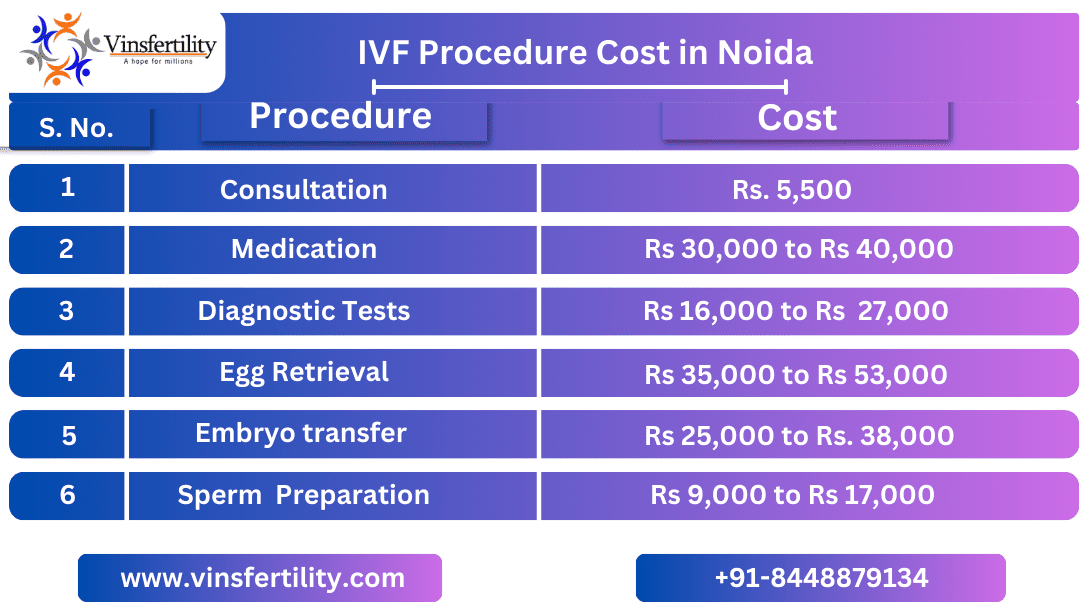
Full IVF Cost Breakdown in Kanpur: Every Line Item Explained
| Item | Estimated Range (₹) | Notes |
|---|---|---|
| Initial Consultation | 700–1,800 | First meeting with the fertility specialist, medical history review, and initial counselling. |
| Diagnostic Tests (Female) | 9,000–25,000 | Comprehensive hormone level checks (e.g., AMH, FSH), infection screenings, and general blood tests. |
| Diagnostic Tests (Male) | 4,000–10,000 | Semen analysis, and hormonal/infection tests if medically indicated. |
| Ultrasound Monitoring | 6,000–18,000 | Regular scans to monitor ovarian follicle development and uterine lining thickness throughout the stimulation phase. |
| Ovarian Stimulation Drugs | 45,000–1,20,000+ | Cost depends significantly on medication type, dosage, duration of treatment, specific protocol (e.g., antagonist, long agonist), and brand. |
| Egg Retrieval | 35,000–70,000 | Surgical procedure to collect eggs, including anaesthesia and operation theatre charges. |
| Sperm Preparation | 5,000–12,000 | Laboratory process to isolate healthy, motile sperm for fertilisation. |
| Fertilisation (Standard IVF) | Included in base cycle | Standard insemination of eggs with prepared sperm. |
| ICSI (as an add-on) | 20,000–40,000 | Intracytoplasmic Sperm Injection: an additional procedure where a single sperm is injected directly into each egg, typically for male factor infertility. |
| Embryo Culture | Included in base cycle | Monitoring and nurturing embryos in the laboratory for 3 to 5 days, often to the blastocyst stage. |
| Embryo Transfer | 28,000–50,000 | Procedure to place selected embryo(s) into the patient's uterus. |
| Embryo Freezing | 18,000–35,000 | Cryopreservation of any viable surplus embryos for future use. |
| Embryo Storage (Annual) | 9,000–18,000 | Annual fee for the cryostorage of frozen embryos. |
| Frozen Embryo Transfer (FET) Cycle | 30,000–60,000 | A separate cycle involving medication for uterine preparation, monitoring, and transfer of previously frozen embryos. |
| **Base IVF Cycle Cost (Core Lab & Doctor Fees)** | **80,000–1,50,000** | This covers the fundamental laboratory procedures, professional fees for the fertility specialist, and basic facility charges for a standard IVF cycle, *excluding* medications and advanced add-ons. |
| Blastocyst Culture (if an upgrade) | 10,000–25,000 | Additional cost if extended culture to the blastocyst stage (Day 5/6) is not included in the base package or is an upgrade from Day 3 culture. |
| Preimplantation Genetic Testing (PGT-A/SR/M) | 30,000–70,000 per embryo | Genetic screening of embryos for chromosomal abnormalities (PGT-A), structural rearrangements (PGT-SR), or single gene disorders (PGT-M). This cost is *per embryo* and does not include the biopsy fee. |
| Embryo Biopsy (for PGT) | 15,000–30,000 | The procedure to collect a small sample of cells from the embryo for genetic testing. Often charged per batch or per embryo. |
| Assisted Hatching (AH) | 8,000–18,000 | A laboratory technique to create a small opening in the outer shell of the embryo to aid implantation. |
Hidden Costs Most Clinics Don't Advertise Upfront
- Advanced diagnostic tests, such as karyotyping, hysteroscopy, or sperm DNA fragmentation analysis.
- Post-transfer medications, including progesterone and other luteal phase support drugs, which are crucial for maintaining pregnancy.
- Anesthesia for any additional minor procedures not directly part of the main egg retrieval.
- Blastocyst culture surcharges if extended culture to Day 5/6 is not standard or is an upgrade from Day 3 embryo culture.
- Preimplantation Genetic Testing (PGT) costs, which are typically charged per embryo tested.
- Extended counselling sessions or psychological support, if required.
- Donor sourcing, screening, and legal fees for sperm, egg, or embryo donation.
- Emergency management costs, such as hospitalisation for Ovarian Hyperstimulation Syndrome (OHSS), a rare but serious complication.
- Assisted Hatching (AH), if required to help the embryo implant.
- Testicular Sperm Aspiration (TESA) or Percutaneous Epididymal Sperm Aspiration (PESA) for men with severe male factor infertility requiring surgical sperm retrieval.
- Embryo Glue, a special culture medium sometimes used to potentially improve embryo implantation.
- Follow-up pregnancy tests and early ultrasound scans after embryo transfer.
Medication Cost Swing Based on Age and Ovarian Response
The cost of medications used in an IVF cycle can fluctuate significantly, primarily based on individual patient factors. These include a woman's age, her ovarian reserve (often assessed by Anti-Müllerian Hormone (AMH) levels), and her body's response to the stimulation drugs. Conditions like Polycystic Ovary Syndrome (PCOS) can also influence medication protocols and dosages, as noted by health authorities like the American College of Obstetricians and Gynecologists (ACOG).
Treatment protocols, such as antagonist, long agonist, or mild stimulation, also dictate the type and quantity of medications required. Younger women with healthy ovarian reserves may need lower doses of gonadotropins, while older patients or those with diminished ovarian reserve or complex cases might require higher-intensity stimulation to produce an adequate number of eggs. This variation in medication needs is a significant factor in the overall cost, and it's why VINS Fertility observes that many couples in Kanpur ultimately pay more than ₹3,00,000 when the full cost of medicines and injections is added to the base cycle expenses.
IVF Success Rates in Kanpur: What to Realistically Expect
Kanpur's established fertility centres, many of which are led by specialists with extensive experience, generally report IVF success rates that align with national averages for experienced Indian Assisted Reproductive Technology (ART) centres. It is crucial for prospective parents to understand that IVF success is significantly influenced by various factors, with patient age being one of the most critical. Fertility naturally declines with age, becoming more pronounced from the mid-30s onwards and accelerating after 37, primarily due to changes in egg quantity and quality.
A realistic, age-adjusted expectation, openly discussed with your fertility specialist, is far more useful than a single, generalized success percentage. For instance, according to data from reputable health organizations, live birth rates per IVF cycle for women using their own eggs are typically highest for those under 35 (around 40-45%), decreasing gradually with age. For women aged 35-37, rates might be 30-35%; for 38-40, around 20-25%; and for over 40, rates often fall below 10-15%. The U.S. Centers for Disease Control and Prevention (CDC) provides detailed age-specific live-birth data, which can offer a valuable reference point. (Source: CDC) Always verify any clinic's advertised rates against independently reported, age-specific live-birth outcomes.
Factors Influencing IVF Success Rate in Kanpur
The outcome of an IVF cycle is a complex interplay of several individual and clinical factors. Understanding these can help set realistic expectations:
- Patient Age: The most significant factor, directly impacting egg quality and quantity.
- Underlying Cause(s) of Infertility: Specific diagnoses such as tubal factor, male factor, endometriosis, or unexplained infertility can influence success.
- Duration of Infertility: Longer periods of infertility may sometimes indicate more complex underlying issues.
- Quality of Gametes and Embryos: The health and viability of eggs, sperm, and resulting embryos are paramount.
- Experience of the Fertility Team: The expertise of the fertility doctor and the embryology laboratory team performing the treatment.
- Number of IVF Cycles: Success rates often increase with multiple cycles.
- Endometrial Receptivity: The uterine lining's ability to support embryo implantation.
- Lifestyle Habits: Factors like smoking, alcohol consumption, diet, and body mass index (BMI) can affect fertility outcomes.
- Type of Infertility: Whether it is primary (no previous pregnancies) or secondary (difficulty conceiving after a previous pregnancy).
IVF Cost by Treatment Type: IVF vs ICSI vs Mini‑IVF
The total cost of IVF treatment can vary considerably based on the specific type of procedure required. Below is an estimated price range for different IVF treatment types in Kanpur for 2026:
| Procedure | Estimated Price Range (₹) | Best Suited For |
|---|---|---|
| Conventional IVF (Basic) | 1,00,000–2,30,000 | Couples with unexplained infertility, mild male factor infertility, or tubal blockage. |
| IVF with ICSI (Intracytoplasmic Sperm Injection) | 1,80,000–3,00,000 | Cases involving severe male factor infertility (e.g., low sperm count or motility), previous fertilisation failure in standard IVF, or use of frozen sperm. |
| IVF with PESA/TESA/TESE (Surgical Sperm Retrieval) | 2,80,000–5,20,000 | Men with azoospermia (absence of sperm in ejaculate) or severe male infertility requiring surgical extraction of sperm directly from the epididymis (PESA, TESA) or testicles (TESE). |
| Mini‑IVF (Minimal Stimulation IVF) | 90,000–1,70,000 | Women with good ovarian reserve, those at risk of Ovarian Hyperstimulation Syndrome (OHSS), or individuals preferring a milder, less medication-intensive stimulation approach. |
When ICSI is Medically Justified vs. Potentially Upsold
Intracytoplasmic Sperm Injection (ICSI) is a specialized IVF technique where a single sperm is directly injected into an egg. It is medically justified and highly beneficial in specific situations, such as severe male factor infertility, when there has been prior fertilisation failure with conventional IVF, or when using surgically retrieved or frozen sperm. The American College of Obstetricians and Gynecologists (ACOG) provides guidelines on infertility treatments, including ICSI indications.
However, if ICSI is recommended without a clear male-factor indication or other specific medical necessity, couples should engage in a detailed discussion with their fertility specialist. It's important to understand the rationale for its inclusion, as some clinics may offer it routinely as an add-on, which can increase the overall cost without necessarily improving outcomes in all cases.
Cost of Donor Egg, Donor Sperm, and Donor Embryo Cycles
For individuals or couples facing specific fertility challenges, using donor gametes (eggs or sperm) or donor embryos can be a viable path to parenthood. These options carry distinct costs:
- Donor Egg Cycle: This option is typically recommended for women with diminished ovarian reserve, premature ovarian insufficiency, advanced maternal age with poor egg quality, or certain genetic conditions. The total cost for a donor egg cycle in Kanpur generally ranges from ₹2,50,000–₹4,00,000, depending on the chosen package, donor screening, and associated medical procedures.
- Donor Sperm Cycle: Utilized when the male partner has severe male factor infertility (e.g., azoospermia with no retrievable sperm), a genetic condition he wishes to avoid passing on, or for single women or same-sex female couples. The cost for a donor sperm cycle, when combined with IVF, is often in the range of ₹2,00,000–₹3,50,000, which includes sperm procurement and the IVF procedure itself.
- Donor Embryo Cycle: This option is considered when both partners have significant fertility issues, or for single individuals seeking treatment. The cost for a donor embryo cycle typically falls within the range of ₹2,80,000–₹4,50,000.
- Surrogacy: Some Kanpur centres may quote surrogacy packages starting around ₹16,00,000. However, it is crucial to note that under the Surrogacy (Regulation) Act, 2021, clinics in India generally cannot arrange a surrogate themselves. Couples typically need to identify and bring their own surrogate, who must meet specific eligibility criteria outlined in the Act. Comprehensive legal and medical counseling is essential for all parties involved in surrogacy.
All donor gametes and embryos must be sourced exclusively through registered ART banks that strictly adhere to the guidelines and regulations set forth by the ART and Surrogacy (Regulation) Acts for safety, ethical screening, and legal compliance. Prospective parents should seek independent legal advice when considering donor options or surrogacy to understand all implications.
Add-On Procedure Costs: PGT, Laser Hatching, Blastocyst, FET
PGT-A / PGT-M Pricing Per Embryo
Preimplantation Genetic Testing (PGT) involves screening embryos for genetic abnormalities before they are transferred to the uterus during an IVF cycle. This advanced procedure can significantly impact IVF success rates for specific patient groups by helping to select the healthiest embryos. The cost typically ranges from ₹25,000–₹50,000 per embryo, in addition to separate biopsy and laboratory processing fees.
- PGT-A (Aneuploidy Screening): This test screens embryos for chromosomal abnormalities, such as an extra or missing chromosome (aneuploidy), which are a common cause of miscarriage and implantation failure. It is often recommended for women of advanced maternal age, those with a history of recurrent miscarriages, or previous IVF failures. According to the Mayo Clinic, PGT-A helps identify embryos with the correct number of chromosomes, potentially improving pregnancy outcomes.
- PGT-M (Monogenic/Single Gene Disorders): PGT-M screens embryos for specific inherited genetic disorders when one or both parents are known carriers of a particular genetic condition (e.g., cystic fibrosis, sickle cell anemia, thalassemia). This allows couples to avoid passing on a serious genetic illness to their child.
Blastocyst Culture and Transfer Charges
Blastocyst culture involves growing embryos in the laboratory for an extended period, typically five to six days, until they develop into the blastocyst stage. This extended culture allows embryologists to select the most robust and viable embryos for transfer, as only the healthiest embryos are expected to develop to this advanced stage.
Transferring a blastocyst (a Day 5 or 6 embryo) rather than an earlier-stage embryo (Day 2 or 3) can potentially lead to higher implantation rates and reduced risks of multiple pregnancies, especially when a single embryo is transferred. The additional cost for blastocyst culture and transfer, if not already included in a basic IVF package, generally ranges from ₹10,000–₹25,000. The American College of Obstetricians and Gynecologists (ACOG) highlights that blastocyst transfer is a common and effective practice in modern IVF.
Assisted Laser Hatching (ALH) Charges
Assisted Laser Hatching (ALH) is a micro-manipulation technique performed on embryos just before transfer. A small, precise opening is created in the embryo's outer protective shell, known as the zona pellucida, using a laser. The primary aim of ALH is to help the embryo "hatch" out of its shell and implant into the uterine lining more easily.
ALH may be recommended for certain patients, such as those with previous IVF failures, women of advanced reproductive age, or embryos observed to have a particularly thick zona pellucida. The cost for Assisted Laser Hatching typically ranges from ₹15,000–₹30,000. Research published in NCBI suggests ALH can be beneficial in specific clinical scenarios to improve implantation rates.
Frozen Embryo Transfer (FET) Cost vs. Fresh Transfer
A Frozen Embryo Transfer (FET) involves thawing and transferring embryos that were previously cryopreserved (frozen) from a prior IVF cycle. This procedure is often preferred or necessary in several situations:
- Avoiding Ovarian Hyperstimulation Syndrome (OHSS): If a woman is at risk of OHSS due to the ovarian stimulation medications, a fresh embryo transfer can be postponed, and all embryos frozen for a later FET cycle.
- Preimplantation Genetic Testing (PGT) Cycles: When PGT is performed, embryos are typically frozen while awaiting genetic test results, making FET the standard approach after diagnosis.
- Optimizing Endometrial Receptivity: FET allows for precise preparation of the uterine lining in a separate cycle, potentially improving the chances of successful implantation by ensuring the uterus is in its most receptive state.
- Utilizing Remaining Embryos: Couples can use embryos frozen from a previous successful or unsuccessful fresh cycle without undergoing another full ovarian stimulation and egg retrieval procedure.
A standalone FET cycle, which includes embryo thawing, endometrial preparation (medications to thicken the uterine lining), and the transfer procedure, typically costs ₹30,000–₹70,000 in Kanpur. This is generally more affordable than a full fresh IVF cycle because it bypasses the ovarian stimulation and egg retrieval phases. However, it's important to note that some clinics may quote "IVF with FET" at a much higher range (e.g., ₹1,50,000–₹3,00,000). This higher figure usually bundles the initial fresh stimulation, egg retrieval, embryo freezing, and the subsequent FET. It is crucial to always clarify exactly what services are included in any quoted package to avoid misunderstandings and compare costs accurately. The Mayo Clinic provides comprehensive information on the different stages and options within IVF treatment, including FET.
Endometrial Receptivity Analysis (ERA), Embryo Glue, and Time-Lapse Imaging Charges
- Endometrial Receptivity Analysis (ERA): This advanced diagnostic test analyzes a biopsy of the uterine lining to determine the optimal window for embryo implantation, known as the "window of implantation." It helps personalize the timing of embryo transfer for patients who have experienced recurrent implantation failure despite transferring good quality embryos. The cost for ERA typically ranges from ₹35,000–₹60,000. According to NCBI research, ERA can be a valuable tool for optimizing transfer timing in specific cases.
- Embryo Glue: This is a specialized culture medium enriched with hyaluronic acid, a substance naturally found in the uterus. It is believed to mimic the natural uterine environment and potentially enhance embryo implantation by acting as an adhesive, helping the embryo attach more securely to the uterine wall. The cost for using Embryo Glue typically ranges from ₹10,000–₹20,000. Studies referenced by NCBI explore the potential benefits of embryo glue in improving IVF outcomes.
- Time-lapse embryo imaging: This cutting-edge technology allows embryologists to continuously monitor and record the development of embryos in the incubator without removing them for manual assessment. This non-invasive, uninterrupted observation provides detailed insights into embryo kinetics and morphological changes, helping to identify the most viable embryos for transfer based on their developmental patterns. The charges for time-lapse imaging are generally ₹20,000–₹40,000. PubMed articles discuss the advantages of time-lapse imaging for enhanced embryo selection.
Low-Cost IVF in Kanpur: How to Genuinely Reduce Your Bill
Navigating the financial aspects of IVF can be challenging, but several strategic approaches can help manage expenses without compromising the quality of your fertility care. Here’s how you can genuinely work towards reducing your overall IVF bill in Kanpur:
- Compare local centres directly and thoroughly: Kanpur offers a growing number of reputable fertility clinics. Take the time to research and compare detailed quotes from several genuinely established, independent options. Look beyond just the headline cost; inquire about their transparent pricing policies, success rates for your specific age group and diagnosis, patient reviews, and the experience and qualifications of their embryologists and specialists. A slightly higher initial cost at a clinic with proven expertise and high success rates might be more cost-effective in the long run by reducing the need for multiple cycles.
- Ask what the "package" actually includes: The term "IVF package" can vary significantly between clinics. As seen with FET pricing, what sounds like the same treatment can have vastly different inclusions. Always request a detailed, itemized breakdown of costs. Clarify if the quoted price comprehensively covers:
- Medications (including ovarian stimulation injections, trigger shots, and progesterone support)
- All consultation fees throughout the cycle
- All ultrasound scans and blood tests required during ovarian stimulation
- The egg retrieval procedure and associated anaesthesia fees
- Embryo culture and the chosen insemination method (conventional IVF or ICSI)
- The embryo transfer procedure
- Initial embryo freezing and storage fees for any surplus viable embryos
- Any specific add-ons like blastocyst culture, assisted hatching, or PGT.
- EMI and financing options: Many fertility centres and financial institutions in Kanpur offer Equated Monthly Installment (EMI) plans or specific fertility loans designed to help spread the financial burden of IVF treatment. Before committing, carefully review the terms and conditions, including interest rates, processing fees, and repayment schedules. Always ensure you receive all agreements and contractual details in writing.
- Multi-cycle packages: Some clinics provide discounted packages for multiple IVF attempts, recognizing that a single cycle may not always be successful. If you are considering this option, ensure you thoroughly clarify:
- What precisely constitutes one "cycle" within the package (e.g., does it include fresh and subsequent frozen embryo transfers?).
- The refund policy if you conceive earlier than anticipated or decide to discontinue treatment.
- The validity period of the package and any conditions for its use.
- Optimise lifestyle factors for success: While not a direct cost reduction, investing in your health before and during IVF can significantly improve your chances of success, potentially reducing the need for multiple expensive cycles. Focus on adopting a balanced diet, engaging in regular moderate exercise, practicing stress reduction techniques, maintaining a healthy weight, and avoiding smoking and excessive alcohol. Discuss any necessary lifestyle changes and pre-IVF health optimization strategies with your fertility specialist. The Centers for Disease Control and Prevention (CDC) emphasizes the importance of overall health for positive reproductive outcomes.
Top IVF Centres in Kanpur
Kanpur is home to several established fertility centres, offering advanced reproductive technologies to patients. These centres provide a range of services from basic infertility evaluations to advanced treatments like IVF. Below is a curated list of centres within Kanpur to assist you in your research.
| Centre | Google Rating | Estimated Cost (IVF) | Lead Specialist | Location |
|---|---|---|---|---|
| Madhuraj Advanced Infertility & IVF-ICSI Centre | Not Disclosed | Not Disclosed | Dr. Madhu Loomba | Swaroop Nagar |
| Aakash IVF & Infertility Centre | Not Disclosed | Not Disclosed | Dr. Kanchan Sharma | Saket Nagar |
| PRAVI IVF & Fertility Center | Not Disclosed | Not Disclosed | Dr. Monica Sachdeva, Dr. Rit Shukla | Swaroop Nagar |
| Raj Hospital Infertility Centre | Not Disclosed | Not Disclosed | Dr. Mamta Agnihotri | Barra |
Note: Specific Google ratings and clinic-specific estimated costs were not provided in the source material and are therefore not listed. The general IVF cost in Kanpur ranges from ₹1,01,300 to ₹2,31,500.
Madhuraj Advanced Infertility & IVF-ICSI Centre
Operating as a specialized unit within the 125-bed multi-speciality Madhuraj Hospital, established in 1983, this centre holds a significant place in Kanpur's medical history. It claims to have established Kanpur's first laparoscopic surgery centre in 1996 and the city's inaugural dedicated IVF-ICSI (Intracytoplasmic Sperm Injection) centre in November 2000, making it one of the earliest providers of advanced reproductive technology (ART) in Uttar Pradesh. The centre has been recognized with the Uttar Pradesh Ratna Award for its contributions to fertility services.
| Address: | 113/121-A, Motilal Swaroop Nagar, Khalasi Line, Kanpur, Uttar Pradesh – 208002 |
| Lead Specialist: | Dr. Madhu Loomba |
| Specialist Qualifications & Experience: | Chairperson & Senior Consultant, Fertility & ART Specialist. MBBS, MS (Obstetrics & Gynaecology), G.S.V.M. Medical College, Kanpur. Fellow of the Indian College of Obstetricians & Gynaecologists (FICOG), Fellowship of the International College of Surgeons (FICS), Fellow of the Indian College of Maternal & Child Health (FICMCH); Life member of the Indian Fertility Society. Trained in Pelviscopic Surgery at Kiel University, Germany, and in laser/endoscopy surgery at Stanford University, USA. Personal series of 15,000+ laparoscopic cases; 32+ years of practice. |
| Key Services: | IVF, ICSI, Laparoscopic Surgery, Advanced Reproductive Technology (ART). |
Aakash IVF & Infertility Centre
Located within Angel Hospital in Saket Nagar, Aakash IVF & Infertility Centre offers a comprehensive suite of fertility services. These include In Vitro Fertilization (IVF), Intrauterine Insemination (IUI), Intracytoplasmic Sperm Injection (ICSI), egg donation, and surgical sperm retrieval techniques such as Testicular Sperm Aspiration (TESA), Percutaneous Epididymal Sperm Aspiration (PESA), and Microscopic Epididymal Sperm Aspiration (MESA). The centre also provides laparoscopic procedures and general gynaecological care.
| Address: | Angel Hospital, 127/681 AW-1, Juhi Kalan, Saket Nagar, Kanpur, Uttar Pradesh – 208014 |
| Lead Specialist: | Dr. Kanchan Sharma |
| Specialist Qualifications & Experience: | Senior Obstetrician, Gynaecologist, Laparoscopist, Colposcopist, IVF & IUI Consultant. MBBS, MS. 30 years of experience treating infertility and general gynaecological cases. |
| Key Services: | IVF, IUI, ICSI, Egg Donation, Surgical Sperm Retrieval (TESA, PESA, MESA), Laparoscopic Procedures, General Gynaecological Care. |
PRAVI IVF & Fertility Center
PRAVI IVF & Fertility Center is a dedicated Assisted Reproductive Technology (ART) facility. It offers a wide range of services, including Intrauterine Insemination (IUI), In Vitro Fertilization (IVF), Intracytoplasmic Sperm Injection (ICSI), and surgical sperm retrieval methods like Testicular Sperm Aspiration (TESA) and Percutaneous Epididymal Sperm Aspiration (PESA). The centre also specializes in Frozen Embryo Transfer (FET), Day-5 blastocyst transfer (transferring embryos at a more advanced developmental stage), and assisted hatching, supported by an in-house IVF laboratory and experienced embryologists.
| Address: | Nadari Corner Building, 113/121, First Floor, Motijheel Chauraha, Swaroop Nagar, Kanpur, Uttar Pradesh – 208001 |
| Lead Specialists: | Dr. Monica Sachdeva (Infertility Specialist, Obstetrician & Gynaecologist), Dr. Rit Shukla (Scientific Director) |
| Specialist Experience: | Both have over a decade of experience treating infertile couples, per the centre's own listing; more granular degree/fellowship detail wasn't independently confirmable — ask the centre directly. |
| Key Services: | IUI, IVF, ICSI, Surgical Sperm Retrieval (TESA, PESA), FET, Day-5 Blastocyst Transfer, Assisted Hatching. |
Raj Hospital Infertility Centre
Established in 1996, the Infertility Centre at Raj Hospital provides essential fertility treatments. It offers Intrauterine Insemination (IUI) and In Vitro Fertilization (IVF) procedures, overseen by experienced infertility specialists.
| Address: | C/o Raj Hospital, C-1/15, Bypass National Highway, Barra, Kanpur, Uttar Pradesh – 208027 |
| Lead Specialist: | Dr. Mamta Agnihotri |
| Specialist Qualifications & Experience: | Gynaecologist & Obstetrician, Infertility Specialist (IVF, IUI, ICSI, egg donor, surrogacy). Specific degree and years of experience weren't independently confirmable beyond this listing — confirm directly with the centre before booking. |
| Key Services: | IUI, IVF, ICSI, Egg Donor, Surrogacy (as per specialist's listed expertise). |
What to Consider When Choosing an IVF Clinic
Selecting the right fertility clinic is a deeply personal decision that can significantly impact your treatment journey. Beyond the basic services offered, consider these factors:
- Medical Expertise and Experience: Look for clinics with highly qualified and experienced fertility specialists, embryologists, and support staff. Their collective experience in handling various infertility cases can be vital.
- Technology and Lab Facilities: Advanced laboratory equipment and techniques are critical for successful IVF outcomes. Enquire about the clinic's embryology lab, its accreditations, and the technologies they utilize (e.g., time-lapse imaging, advanced culture media).
- Personalized Treatment Plans: A good clinic will offer individualized treatment protocols tailored to your specific diagnosis, medical history, and personal circumstances, rather than a one-size-fits-all approach.
- Transparency in Costs and Success Rates: Request a detailed, itemized breakdown of all potential costs, including medications, lab fees, and additional procedures. While success rates can vary greatly based on patient demographics, ask the clinic about their internal data, understanding that individual results are not guaranteed. The CDC provides national data on ART success rates, which can offer a general benchmark.
- Support Services: Infertility treatment can be emotionally challenging. Look for clinics that offer comprehensive support services, such as counseling, nutritional guidance, and patient education.
- Patient Reviews and Reputation: While not the sole factor, patient testimonials and the clinic's reputation within the medical community can provide insights into patient care and satisfaction.
- Accessibility and Location: Consider the clinic's location, ease of access, and appointment availability, as frequent visits may be required during treatment cycles.
- Transparency: Unlike general medical services, detailed package pricing, patient ratings, and clinic-specific success rates for fertility treatments are often not published in a verifiable, standardized format. Therefore, this list avoids fabricating such figures.
- Verification: Where a doctor's specific degree or years of experience could not be independently confirmed, this has been explicitly noted.
- Direct Inquiry: It is crucial to always obtain a written, itemized quote directly from the clinic, along with the most current doctor credentials and success rate data (which can vary).
- Logistics: Always double-check the clinic's address and operational hours before traveling, as branch locations and consulting specialists can change.
- Personalized Guidance: For assistance in comparing options across fertility centres serving Kanpur and to facilitate appointment enquiries, consider reaching out to the Vinsfertility patient-concierge line for personalized support.
Why IVF Costs Vary Across Clinics That Serve Kanpur
- Clinic Structure and Scale: A long-established, independent hospital or a local clinic (like Madhuraj or Aakash) may have different pricing structures compared to a branch of a large national chain, such as Indira IVF. National chains often benefit from economies of scale, while independent clinics might offer more personalised care at varying price points.
- Doctor Experience and Expertise: Kanpur's fertility specialists range from those with about a decade of experience to highly senior practitioners with 30+ years in the field. More experienced doctors, especially those with advanced international training or specific expertise in complex cases, typically have higher consultation and procedure fees.
- Embryology Lab Quality and Technology: The standard of an in-house IVF laboratory significantly impacts success rates and, consequently, costs. Clinics with state-of-the-art equipment, advanced culture media, and a team of highly experienced embryologists who ensure optimal embryo development will generally have higher fees.
- Specific IVF Treatment Type: The overall cost varies significantly based on the type of IVF treatment required. A standard IVF cycle will differ in price from more advanced procedures such as Intracytoplasmic Sperm Injection (ICSI), donor egg or sperm cycles, or treatments involving Preimplantation Genetic Testing (PGT) for genetic screening.
- Medication and Ancillary Procedures: The cost of fertility medications, including ovarian stimulation drugs, can be a substantial part of the total bill and varies based on dosage and brand. Additionally, other procedures like embryo freezing, assisted hatching, or surgical sperm retrieval (e.g., TESA/PESA) add to the overall expense.
How to Choose a Premier Fertility Clinic
| What to Verify | What to Check | Why It Matters |
|---|---|---|
| ART Act, 2021 Registration | Ensure the clinic/centre is registered as per the Assisted Reproductive Technology (Regulation) Act, 2021, and its rules. | This ensures patient safety, adherence to ethical practices, and legal compliance as mandated by the Indian government. According to the Ministry of Health and Family Welfare, registration is mandatory for all ART clinics. |
| National ART Registry Listing | Confirm that the centre is officially listed on the National ART & Surrogacy Registry. | This listing verifies the clinic's legitimate registration status and operational authenticity, providing an added layer of assurance. |
| Embryology Lab Standards | Inquire about lab certifications, the quality and maintenance of equipment, and sterility protocols. | The quality of the embryology lab directly impacts the environment for embryo development, which is crucial for successful IVF outcomes. High standards improve success rates. |
| Live‑Birth Rate Transparency | The clinic should openly share age‑specific live‑birth rates (number of babies born), not just pregnancy rates (which include miscarriages). | Live-birth rates provide a more realistic and accurate expectation of treatment success compared to pregnancy rates alone, which can be misleading. |
| Andrology Setup | Verify the availability of proper male fertility diagnostics and advanced sperm processing techniques. | This is critical for couples dealing with male factor infertility, ensuring accurate diagnosis and effective preparation of sperm for IVF or ICSI. |
| Counsellor Availability | Ensure access to qualified psychological support and counselling services. | Fertility treatments can be emotionally challenging. Counselling helps couples cope with stress, anxiety, and other emotional aspects throughout their journey. |
| Patient Reviews and Testimonials | Look for credible patient feedback and success stories, both online and through direct references. | Real-world experiences from other patients can offer insights into the clinic's patient care, communication, and overall service quality. |
Red Flags to Watch Out For
- Guaranteed Pregnancy Claims: Be highly sceptical of any clinic that guarantees pregnancy or live birth. No IVF treatment can be 100% guaranteed due to the complex biological nature of conception. The Centers for Disease Control and Prevention (CDC) advises against such claims.
- Opaque Billing: Watch out for vague "package deals" that lack a detailed breakdown of services, or unexpected mid‑treatment charges that were not disclosed upfront. Transparency in pricing is crucial for financial planning.
- Unregistered Centres: Avoid clinics that are not listed on relevant ART and fertility registries or cannot provide proof of registration under the ART Act, 2021. Operating without proper registration is illegal and unethical.
- High-Pressure Sales Tactics: Be wary of clinics that pressure you into making quick decisions, push for expensive add-ons without clear medical justification, or discourage you from seeking second opinions.
- Lack of Clear Communication: A clinic that fails to provide clear, consistent, and timely communication regarding your treatment plan, progress, or potential risks can lead to significant stress and misunderstandings.
Questions to Ask Before Signing Consent and Payment Forms
- Detailed Cost Breakdown: Request a comprehensive, itemised cost breakdown for the entire IVF cycle, including all medications, procedures, and potential additional charges. Clarify cancellation policies and terms for repeat attempts. Understanding the full IVF treatment cost upfront is vital.
- Clinic-Specific Success Rates: Ask for the clinic's own live-birth rates (not just pregnancy rates) specifically for your age group and diagnosis, and understand how these compare to national averages.
- Embryology Lab Credentials: Inquire about the qualifications and experience of the embryologists, as well as any certifications or accreditations held by the embryology laboratory itself.
- Embryo Storage and Disposal: Clarify the clinic's policies regarding embryo storage duration, associated annual fees, and the procedures for disposal or donation of unused embryos.
- Counselling and Support: Confirm the availability of psychological support and counselling services for both partners, understanding how and when these services can be accessed.
- Emergency Protocols: Understand the clinic's protocols for managing potential complications, such as Ovarian Hyperstimulation Syndrome (OHSS), and how emergency care is provided.
- Donor Gamete and Surrogacy Compliance: If applicable, verify that donor gamete (egg or sperm) sourcing and screening fully comply with the ART Act, 2021. Directly ask whether the clinic assists in arranging a surrogate or if you must arrange one independently, and what their process involves.
- Doctor Involvement: Confirm which specific doctor will be overseeing your treatment and performing key procedures, and what their availability will be throughout your cycle.
- Post-Treatment Care: Discuss the follow-up care plan after embryo transfer, including monitoring for early pregnancy and support for any complications.
Frequently Asked Questions
Is IVF treatment legal in Kanpur, India, and what are the eligibility criteria?
Yes, In Vitro Fertilization (IVF) treatment is legal in India, including Kanpur, and is regulated by the Assisted Reproductive Technology (Regulation) Act, 2021. This Act specifies eligibility criteria for individuals seeking ART services; for instance, a woman must be between 21 and 50 years of age, and a man between 21 and 55 years. For detailed regulations, refer to the National ART and Surrogacy Portal.
How can I choose a genuine and registered IVF centre in Kanpur?
To choose a genuine IVF centre in Kanpur, ensure it is registered under the ART (Regulation) Act, 2021, and holds a valid registration number. You can verify the registration status of clinics through the official National ART and Surrogacy Registry. Additionally, look for centres with experienced specialists, good laboratory facilities, and transparent pricing structures.
What is the difference in cost between basic IVF and advanced treatments like ICSI in Kanpur?
In Kanpur, a basic IVF cycle typically ranges from ₹1,01,300 to ₹2,31,500. Advanced treatments like ICSI (Intracytoplasmic Sperm Injection) generally incur higher costs due to additional specialized procedures and advanced laboratory requirements. The specific cost difference depends on the individual clinic's technology and services, reflecting the investment in equipment and ethical oversight mandated by regulations like the ART (Regulation) Act, 2021.
What are the typical timelines for an IVF cycle in Kanpur?
A typical IVF cycle, from initial consultation to embryo transfer, usually takes about 4 to 6 weeks. This timeline includes ovarian stimulation (approximately 10-14 days), egg retrieval, fertilization, embryo development (3-5 days), and then embryo transfer. Individual timelines can vary based on patient response to medication and specific treatment protocols, as outlined by the World Health Organization's general guidance on ART.
Are there financing options or EMI plans available for IVF in Kanpur?
Many IVF centres in Kanpur understand the financial burden of fertility treatments and often offer various financing options, including No-Cost EMI plans or partnerships with healthcare financing companies. It is advisable to inquire directly with your chosen clinic about their specific payment plans and eligibility criteria to understand available support.
How does the IVF cost in Kanpur compare to other major cities in Uttar Pradesh or nearby?
IVF costs in Kanpur are generally competitive compared to other major cities in Uttar Pradesh and often more affordable than in larger metropolitan hubs across India. While Kanpur's base IVF cost is ₹1,01,300 to ₹2,31,500, the overall cost of living and operational expenses in Kanpur contribute to its relatively accessible pricing for fertility treatments within the region.
Sources & References
- The Surrogacy (Regulation) Act, 2021 — Government of India
- Indian Council of Medical Research (ICMR) — National ART & Surrogacy Registry
- NABL — National Accreditation Board for Testing and Calibration Laboratories
- World Health Organization (WHO) — Infertility clinical guidance
- PubMed — Peer-reviewed fertility research (NIH/NLM)
All external sources link to primary government, medical, or peer-reviewed material. This article is reviewed by a qualified fertility specialist and updated as clinical guidance changes.