IVF Cost in Jaipur (2026): ₹1,01,100 – ₹2,30,500 Per Cycle
IVF Cost in Jaipur 2026: At a Glance
- Total IVF Cost Range: A single cycle of IVF in Jaipur typically ranges from ₹1,01,100 to ₹2,30,500. When considering essential medications and advanced procedures, the total expenditure may commonly range from ₹1,50,000 to ₹3,00,000 or higher.
- Medication Variability: Fertility medications are the most unpredictable cost, fluctuating significantly based on individual patient response, age, and ovarian reserve, often adding substantially to the overall bill.
- Key Cost Add-ons: Procedures like ICSI (Intracytoplasmic Sperm Injection), PGT (Preimplantation Genetic Testing), and embryo freezing can add ₹30,000 to ₹80,000+ each to the base IVF cost.
- Success Rates: IVF success is highly age-dependent, with rates declining after age 35. Live birth rates are the most accurate measure of success and should be discussed transparently with your clinic.
- Regulatory Compliance: All fertility clinics in Jaipur must comply with India's Assisted Reproductive Technology (Regulation) Act, 2021, ensuring standardized and ethical practices.
In Vitro Fertilization (IVF) is a medical procedure used to assist with fertility or prevent genetic problems, involving the fertilization of an egg by sperm outside the body in a laboratory setting (Mayo Clinic). As the capital of Rajasthan, Jaipur is a prominent hub for fertility care. This comprehensive guide from VINS Fertility aims to provide clarity on the expected expenses and the various factors that influence the overall cost of IVF treatment in the city for 2026.
What Influences IVF Costs in Jaipur?
Jaipur, the capital and largest city of Rajasthan, serves as a significant referral center for fertility care in the region. Patients from across the state, including smaller cities like Udaipur, Jodhpur, and Kota, often travel here for advanced reproductive treatments, contributing to the city's dynamic fertility market. For instance, you can compare costs in other regions like IVF Cost in Noida. The diverse range of clinics, from those established in the mid-1990s to newer specialized centers, offers patients a wide spectrum of experience levels, technological capabilities, and pricing options.
- Long-established local expertise: Many Jaipur fertility specialists possess extensive experience, often 18–25+ years, with advanced degrees and fellowships from leading institutions across India (such as SMS Medical College Jaipur, Rabindranath Tagore Medical College, and B.J. Medical College Ahmedabad). This deep local expertise, combined with international clinical embryology training for some, ensures a high standard of care for complex cases.
- City-scale competition: The presence of national fertility chains like Indira IVF alongside independent, well-established hospitals such as Vasundhara Hospital & Fertility Research Centre (established in 1996), and numerous newer specialized clinics, fosters a competitive environment. This competition can benefit patients by driving innovation and offering a variety of treatment approaches and price points.
- Technology and lab quality: Clinics that invest in state-of-the-art embryology infrastructure and advanced techniques, such as laser-assisted hatching and blastocyst culture, generally charge more. These technologies require specialized equipment, highly skilled embryologists, and rigorous quality control to enhance embryo development and selection for better outcomes.
- Regulatory compliance: Compliance with the Assisted Reproductive Technology (Regulation) Act, 2021, and its associated rules, is mandatory for all registered ART centers in India. This compliance necessitates significant investment in advanced equipment, maintaining stringent ethical oversight, ensuring patient safety, and adherence to specific infrastructure requirements, all of which contribute to the overall cost of treatment. The ART Act ensures standardized and ethical practices in fertility clinics.
- Personalized Treatment Plans: Every patient's fertility journey is unique. The specific protocols, medication dosages, and additional procedures recommended are tailored to individual medical history, diagnosis, and response to treatment, directly impacting the final cost. A comprehensive initial assessment by a fertility specialist is crucial to determine the most suitable and cost-effective plan.
- Cost of Living and Healthcare Infrastructure: While generally more affordable than metropolitan hubs like Delhi or Mumbai, Jaipur's status as a major regional healthcare center means that operational costs for clinics, including staffing, utilities, and medical supplies, are reflected in treatment prices.
- Clinic Success Rates and Reputation: Highly reputed clinics with consistently higher success rates, often backed by advanced technology and experienced teams, may have higher consultation or package fees due to demand and perceived value. However, it's important to consider success rates in context, as they depend on many factors specific to the patient population served.
- Geographical Location and City Comparison: While Jaipur is a major metropolitan hub in Rajasthan, its IVF pricing generally sits at or slightly above that of smaller cities within the state, such as Udaipur, Jodhpur, and Kota. Some reports indicate that a comparable base IVF cycle might be ₹10,000–₹20,000 cheaper in these smaller cities. However, larger cities often offer a wider choice of advanced clinics and specialists. For comparison, you can explore IVF costs in Delhi or IVF costs in Mumbai.
What a "Base Cycle" Price Does and Does Not Include
Understanding what a 'base cycle' IVF price covers is essential for financial planning. This section clarifies the typical inclusions and common exclusions, which often lead to variations in the final bill.
Included in a Typical Base IVF Cycle
- Initial Consultation and Medical History Review: This typically covers the first meeting with the fertility specialist to discuss your medical background, previous treatments, and to outline the potential treatment path.
- Basic Ovarian Stimulation Monitoring: This involves regular transvaginal ultrasounds to track follicle development and blood tests to monitor hormone levels (like estrogen and progesterone) during the controlled ovarian stimulation phase. Ovarian stimulation aims to produce multiple eggs for retrieval.
- Egg Retrieval Procedure: This is a minor surgical procedure performed under light anesthesia to collect eggs from the ovaries. The base price usually includes the procedure itself, basic theatre charges, and anesthesia fees.
- Sperm Preparation: This involves processing the male partner's sperm sample in the lab to select the healthiest, most motile sperm for fertilization.
- Standard Fertilization (IVF) in the Lab: This refers to conventional in vitro fertilization, where sperm and eggs are placed together in a culture dish to allow fertilization to occur naturally.
- Embryo Culture and Embryo Transfer: After fertilization, embryos are cultured in the lab for a few days. The base cycle includes the transfer of selected embryos into the uterus, typically without additional charges for standard culture duration.
Common Exclusions from a Base IVF Cycle
- Hormone Medications and Injections: This is often the most significant variable cost. The type, dosage, and duration of fertility medications (e.g., gonadotropins, GnRH agonists/antagonists) vary widely based on individual patient response and protocol, and are almost always billed separately from the headline package price.
- Advanced Fertilization Techniques: Procedures like Intracytoplasmic Sperm Injection (ICSI), Intracytoplasmic Morphologically Selected Sperm Injection (IMSI), or Physiological ICSI (PICSI) are used for specific male factor infertility cases or previous fertilization failures. These techniques involve injecting a single sperm directly into an egg and incur additional charges due to their complexity. ICSI is an advanced IVF procedure.
- Embryo Freezing and Annual Storage: If surplus embryos are created, patients often opt to freeze them for future use. This involves separate charges for the freezing process (vitrification) and subsequent annual storage fees, commonly ranging from ₹25,000–₹40,000 per year at Jaipur centers.
- Preimplantation Genetic Testing (PGT) Costs: PGT (which includes PGT-A for aneuploidy, PGT-M for monogenic disorders, and PGT-SR for structural rearrangements) involves testing embryos for genetic abnormalities before transfer. This is an elective add-on and is not part of a standard IVF package, incurring substantial additional costs. PGT helps identify genetic conditions in embryos.
- Donor Services: If donor eggs, donor sperm, or donor embryos are required due to specific medical indications, the costs associated with donor compensation, screening, and procurement are billed separately.
- Comprehensive Diagnostic Tests (Pre-IVF): Before starting an IVF cycle, a range of diagnostic tests may be required for both partners. These include hormone panels (e.g., AMH, FSH, LH, TSH), infectious disease screening, semen analysis, hysterosalpingography (HSG) to check fallopian tubes, or hysteroscopy to evaluate the uterine cavity. These initial, comprehensive tests are generally not included in the base IVF package.
- Additional Diagnostic or Therapeutic Procedures: Procedures such as hysteroscopy (to examine the uterus), Testicular Sperm Aspiration (TESA), Percutaneous Epididymal Sperm Aspiration (PESA), Testicular Sperm Extraction (TESE) for male infertility, or sperm DNA fragmentation analysis are specialized interventions billed separately if needed.
- Follow-up Consultations: Any consultations with the fertility specialist after the embryo transfer, or for subsequent cycles, are usually charged per visit, commonly ranging from ₹500–₹2,000 per visit, and are not part of the initial standard package quote.
Full IVF Cost Breakdown in Jaipur: Every Line Item Explained
| Item | Estimated Range (₹) | Notes |
|---|---|---|
| Initial Consultation | 1,000–3,000 | Your first meeting with a fertility specialist, including medical history review and initial counselling. |
| Diagnostic Tests (Female) | 10,000–25,000 | Comprehensive blood work, hormone assays (e.g., AMH, FSH, LH, E2), infection screenings, and ovarian reserve assessment to understand fertility potential. (Source: Mayo Clinic) |
| Diagnostic Tests (Male) | 4,000–10,000 | Includes semen analysis (evaluating sperm count, motility, and morphology), along with hormonal and infection tests if indicated by the specialist. |
| Ultrasound Monitoring | 6,000–18,000 | Multiple transvaginal ultrasound scans conducted during the ovarian stimulation phase to track follicle growth and endometrial (uterine lining) thickness. |
| Ovarian Stimulation Medications | 35,000–1,20,000+ | Cost varies significantly based on the patient's age, ovarian response, chosen treatment protocol (e.g., antagonist, long agonist), and specific drug brands. This is often the most variable expense in an IVF cycle. |
| Core IVF Cycle (Egg Retrieval, Lab Procedures, Fresh Embryo Transfer) | 1,00,000–1,80,000 | This comprehensive package typically includes the egg retrieval procedure, fertilisation of eggs with sperm in the laboratory (standard IVF), embryo culture, and the fresh embryo transfer into the uterus. |
| Sperm Preparation | 5,000–12,000 | Laboratory process to isolate healthy, motile sperm from a semen sample for fertilisation. While often included in the core lab fees, some clinics may list it separately. |
| Intracytoplasmic Sperm Injection (ICSI) (Add-on) | 30,000–80,000 | A specialised procedure where a single sperm is injected directly into each egg. It is recommended for male-factor infertility, previous fertilisation failure, or when using frozen sperm. |
| Assisted Hatching (AH) (Add-on) | 10,000–25,000 | A micro-manipulation technique where a small opening is made in the embryo's outer shell (zona pellucida) to assist with implantation into the uterine lining. |
| Preimplantation Genetic Testing (PGT-A) (Add-on) | 40,000–80,000 | Genetic screening of embryos for chromosomal abnormalities (aneuploidy) before transfer. The cost typically covers the biopsy and testing for an initial set of embryos per cycle; additional embryos may incur extra charges. |
| Embryo Freezing & Annual Storage | 28,000–45,000 | Cryopreservation of viable embryos that are not used in the current fresh transfer cycle, along with the first year's storage fee. Annual renewal fees apply thereafter. |
| Frozen Embryo Transfer (FET) | 35,000–60,000 | The cost for a subsequent cycle involving the thawing and transfer of previously frozen embryos into the uterus. |
| Intrauterine Insemination (IUI) (for comparison) | 6,000–30,000 | A less invasive and generally less expensive fertility treatment, often attempted 2-3 times before considering IVF. |
Hidden Costs Most Clinics Don't Advertise Upfront
- Advanced Diagnostic Tests: Specialised diagnostic tests such as karyotyping (chromosome analysis), hysteroscopy (uterine cavity examination), or sperm DNA fragmentation analysis may be recommended based on individual circumstances, incurring additional costs not included in basic packages.
- Post-Transfer Medications: Medications prescribed after embryo transfer, typically progesterone for luteal phase support, are crucial for maintaining pregnancy but are often billed separately from the core IVF cycle.
- Anesthesia Charges: While the egg retrieval procedure itself is usually part of the base package, the anaesthesia administered during the procedure can sometimes be billed as a separate charge.
- Blastocyst Culture Surcharges: Culturing embryos to the blastocyst stage (Day 5 or 6) rather than transferring on Day 3 can sometimes incur an additional lab fee, though it's increasingly becoming a standard practice.
- Additional PGT Costs: While Preimplantation Genetic Testing (PGT) is listed as an add-on, clinics may charge per embryo tested beyond an initial bundle, or for confirmatory tests.
- Extended Counselling Sessions: Beyond initial consultations, additional psychological counselling or extended support sessions, which can be beneficial for emotional well-being, might be charged separately.
- Donor Sourcing, Legal, and Screening Fees: If donor eggs, sperm, or embryos are required, the costs associated with donor selection, screening, legal agreements, and compensation are significant and separate from the IVF cycle itself.
- Emergency Management Costs: In rare cases, complications like Ovarian Hyperstimulation Syndrome (OHSS) may require hospitalisation and additional medical management, leading to unforeseen expenses. (Source: ACOG)
How Do Medication Costs Vary by Age and Ovarian Response?
The cost of medications, a critical component of any IVF cycle, can fluctuate significantly based on several individual factors. These include the patient's age, their ovarian reserve (assessed through markers like Anti-Müllerian Hormone or AMH levels, which indicate the remaining egg supply), their response to initial stimulation, and any underlying conditions such as Polycystic Ovary Syndrome (PCOS). (Source: Mayo Clinic) The specific treatment protocol chosen by your fertility specialist—such as an antagonist, long agonist, or mild stimulation protocol—also plays a major role, as does the brand of drugs used. (Source: ACOG)
Typically, fertility injections are administered daily for 8 to 14 days during the ovarian stimulation phase. This medication component is consistently identified by fertility clinics in Jaipur as the most unpredictable and variable part of the overall IVF bill. Younger patients with healthy ovarian reserves may require lower doses of medication, resulting in reduced costs. Conversely, older patients or those with more complex fertility challenges may necessitate higher-intensity stimulation, leading to increased medication expenses.
This variability contributes to why a realistic, all-inclusive budget for a single IVF cycle in Jaipur, encompassing medications, diagnostic tests, and follow-up appointments, often falls within the range of ₹1,10,000 to ₹2,40,000. It is crucial to discuss medication costs and potential variations thoroughly with your fertility clinic during your initial consultation.
IVF Success Rates in Jaipur: What to Realistically Expect
Understanding IVF success rates can be complex, as figures often vary significantly between clinics in Jaipur and across different reporting methodologies. While some centres may report success rates around 30–35% per cycle, others might state 50–55% with a patient's own eggs and 60–65% with donor eggs. This variation highlights the importance of asking how "success" is defined – is it a positive pregnancy test, a clinical pregnancy (with a heartbeat), or a live birth? Live birth rates are generally considered the most accurate measure of success. According to the CDC, factors like patient age, cause of infertility, and the type of IVF procedure significantly influence these outcomes.
It's crucial to remember that IVF success is highly dependent on age, primarily due to the natural decline in egg quantity and quality over time. Fertility gradually decreases with age, particularly from the mid-30s onward, and this decline accelerates significantly after age 37. Therefore, a realistic, age-adjusted expectation, openly discussed with your fertility specialist, is far more valuable than a generalized percentage. Always verify a clinic's advertised rates against independently reported, age-specific live-birth data to make an informed decision.
Factors Influencing IVF Success Rate in Jaipur
- Age of the Patient: As women age, the quantity and quality of their eggs decline, which significantly impacts IVF success rates, especially for those over 35.
- Underlying Cause(s) of Infertility: The specific diagnosis, such as tubal factor, male factor, or unexplained infertility, plays a crucial role in determining the likelihood of success.
- Duration of Infertility: Longer periods of infertility can sometimes indicate more complex underlying issues, potentially affecting treatment outcomes.
- Quality of Egg, Embryo, and Sperm: High-quality gametes (eggs and sperm) and resulting embryos are essential for successful implantation and pregnancy.
- Experience of the Doctor and Embryology Team: The expertise and skill of the fertility specialist and the embryology lab team are critical for optimal treatment protocols and embryo handling.
- Number of IVF Cycles Required: Success rates often increase with multiple cycles, as each attempt provides more information and allows for protocol adjustments.
- Lifestyle Habits: Factors like smoking, excessive alcohol consumption, obesity, and stress can negatively impact fertility and IVF outcomes. Research suggests that lifestyle modifications can improve success rates.
- Endometrial Development and Receptivity: A healthy uterine lining (endometrium) that is receptive to embryo implantation is vital for pregnancy.
- Type of Infertility: Whether it's primary infertility (never conceived) or secondary infertility (conceived previously but now struggling) can sometimes influence the approach and prognosis.
IVF Cost by Treatment Type: IVF vs ICSI vs Mini‑IVF
| Procedure | Estimated Price Range (₹) | Best Suited For |
|---|---|---|
| Conventional IVF (Basic) | 1,00,000–1,80,000 | Suitable for unexplained infertility, mild male factor infertility, or tubal blockage. This typically involves standard egg retrieval, fertilization, and embryo transfer. |
| IVF with ICSI | 1,50,000–2,50,000 | Recommended for severe male factor infertility (e.g., very low sperm count or motility), previous fertilisation failure with conventional IVF, or cases using frozen sperm. |
| Mini-IVF (Minimal Stimulation IVF) | 80,000–1,30,000 | Ideal for women with good ovarian reserve who prefer less medication, milder stimulation, or have a history of ovarian hyperstimulation syndrome. Aims for fewer, but high-quality, eggs. |
| IVF with PESA/TESA/TESE | 2,50,000–5,00,000 | Indicated for men with azoospermia (absence of sperm in ejaculate) or severe male infertility requiring surgical sperm retrieval. Includes procedures like Percutaneous Epididymal Sperm Aspiration (PESA) or Testicular Sperm Extraction (TESE). |
| IUI (Intrauterine Insemination) | 10,000–25,000 | Often a first-line treatment for mild infertility, such as unexplained infertility, mild male factor, or cervical factor infertility, often tried before considering IVF. |
When ICSI is Medically Justified vs. Potentially Upsold
Intracytoplasmic Sperm Injection (ICSI) is an advanced IVF technique where a single sperm is directly injected into each egg. It is medically justified and highly beneficial in specific scenarios, such as severe male factor infertility (e.g., very low sperm count or poor motility), cases of previous fertilisation failure during conventional IVF, or when using frozen sperm. The American College of Obstetricians and Gynecologists (ACOG) provides guidelines on its appropriate use.
Couples should be vigilant: if ICSI is recommended without a clear male-factor indication or a history of fertilisation issues, it's important to ask for a detailed explanation of why it is needed. In some instances, clinics might offer it routinely as an add-on, which could represent an unnecessary additional cost. Always have an open discussion with your fertility specialist about the medical necessity of any recommended procedure.
Cost of Donor Egg, Donor Sperm, and Donor Embryo Cycles
- Donor Egg Cycle: These cycles typically range from ₹2,00,000–₹3,50,000. The higher cost reflects the extensive screening, medication, and compensation for the egg donor, in addition to the standard IVF procedure. Clinics reporting donor-egg success rates in the 60–65% range demonstrate the effectiveness of this option for many couples. Always request a detailed, itemised quote to understand all components of the cost. Mayo Clinic provides comprehensive information on donor egg IVF.
- Donor Sperm Cycle: A cycle involving donor sperm generally costs between ₹1,20,000–₹1,80,000. This includes the cost of the IVF cycle plus the procurement and screening of donor sperm from a certified sperm bank. This option is suitable for couples with severe male factor infertility or single women seeking to conceive.
- Donor Embryo Cycle: Priced in a comparable range to donor-egg cycles, typically from ₹2,00,000–₹3,50,000. This involves using embryos donated by other couples who have completed their families, offering an option for individuals or couples where both egg and sperm donation are required.
- Surrogacy: In India, surrogacy is governed by the Surrogacy (Regulation) Act, 2021. This legislation permits altruistic surrogacy only for Indian couples who meet specific eligibility criteria, meaning the surrogate mother cannot receive monetary compensation beyond medical expenses and insurance coverage. Clinics generally cannot arrange a surrogate themselves; couples typically need to bring their own eligible surrogate for the clinic to work with, in strict adherence to the Act. WHO acknowledges surrogacy as a form of assisted reproduction.
It is paramount that all donor gametes (eggs and sperm) and embryos are sourced exclusively through registered ART banks. These banks must adhere strictly to the Assisted Reproductive Technology (Regulation) Act, 2021, and the Surrogacy (Regulation) Act, 2021, ensuring rigorous safety protocols, ethical screening, and legal compliance for all parties involved. This protects the health and rights of donors, recipients, and any resulting children.
Add-On Procedure Costs: PGT, Laser Hatching, Blastocyst, FET
PGT-A / PGT-M Pricing Per Embryo
Preimplantation Genetic Testing (PGT) is an advanced diagnostic procedure performed on embryos during an IVF cycle, before transfer to the uterus. It helps identify genetic or chromosomal abnormalities, aiming to improve success rates and reduce the risk of miscarriage.
- PGT-A (Aneuploidy): This screens embryos for chromosomal abnormalities, such as an incorrect number of chromosomes (aneuploidy). Conditions like Down syndrome (Trisomy 21) are examples of aneuploidies. Screening helps select chromosomally normal embryos for transfer, potentially increasing implantation rates and live birth rates.1
- PGT-M (Monogenic): This screens embryos for specific single-gene disorders, such as cystic fibrosis, sickle cell anemia, or Huntington's disease, when one or both parents are known carriers of such conditions.
In Jaipur, the cost for PGT-A or PGT-M typically ranges from ₹25,000–₹50,000 per embryo. It's crucial to note that this cost is usually in addition to the biopsy fees (for collecting a small sample of cells from the embryo) and associated lab processing fees, which can add another ₹10,000–₹20,000.
Laser-Assisted Hatching (LAH) and Blastocyst Culture
These are common add-on procedures that may be recommended in specific cases to enhance the chances of a successful pregnancy:
- Laser-Assisted Hatching (LAH): This technique involves using a precise laser to create a small opening or thin the outer shell (zona pellucida) of the embryo just before transfer. The goal is to assist the embryo in "hatching" out of its shell, which is necessary for implantation into the uterine lining. It may be considered for women over 37, those with previous IVF failures, or embryos with a thick zona pellucida. In Jaipur, LAH typically costs between ₹10,000–₹20,000.
- Blastocyst Culture: While many IVF cycles involve transferring embryos at Day 2 or 3 of development, blastocyst culture involves growing embryos in the lab for an extended period, usually until Day 5 or 6. At this stage, the embryo is called a blastocyst and has a higher potential for implantation. This allows embryologists to select the most viable embryos, potentially leading to higher success rates with fewer embryos transferred. The cost for blastocyst culture is often included in comprehensive IVF packages, but if charged separately, it can range from ₹15,000–₹30,000.
Frozen Embryo Transfer (FET) Cost vs. Fresh Transfer
A Frozen Embryo Transfer (FET) involves thawing and transferring embryos that were cryopreserved (frozen) from a previous IVF cycle. This differs from a fresh embryo transfer, where embryos are transferred immediately after egg retrieval and fertilization in the same cycle.
A standalone FET cycle in Jaipur is generally more affordable than a fresh IVF cycle, typically ranging from ₹20,000–₹50,000. This is because FET skips several costly stages of a fresh cycle, including:
- Ovarian stimulation medications
- Egg retrieval procedure
- Anesthesia for retrieval
The cost for FET primarily covers the thawing of embryos, preparation of the uterine lining (endometrial preparation) with medications, and the embryo transfer procedure itself. If a Jaipur clinic's "IVF with FET" quote appears significantly higher than a standalone FET estimate, it likely bundles a full fresh stimulation cycle, including egg retrieval and the subsequent freezing and transfer of embryos. Always request a detailed, itemized breakdown to clarify exactly what is included before comparing quotes to avoid unexpected costs. 2
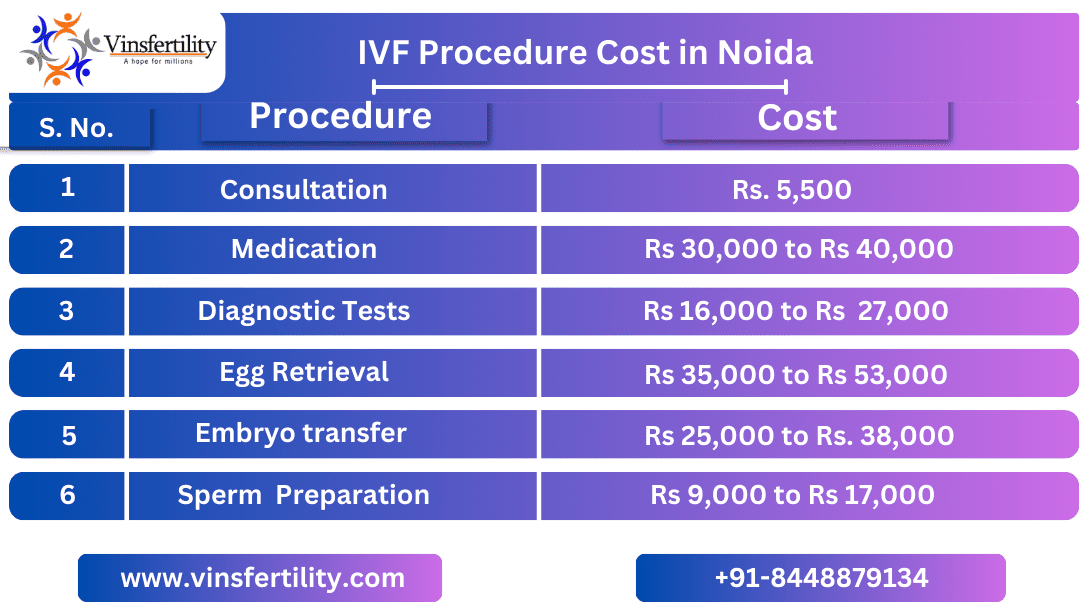
For more insights into understanding IVF costs and packages, you might find our guide on IVF Cost in Noida helpful, as package structures can vary widely across clinics and cities.
Embryo Freezing and Annual Storage
Embryo freezing, or cryopreservation, is the process of preserving surplus viable embryos from an IVF cycle for future use. This is a valuable option if your initial fresh embryo transfer is unsuccessful, if you wish to have more children later, or if a fresh transfer is not advisable due to medical reasons.
The initial cost for embryo freezing is often included within a comprehensive IVF package or charged as a separate add-on, typically ranging from ₹15,000–₹30,000 for the freezing process itself. Following freezing, embryos are stored in specialized cryogenic tanks at extremely low temperatures.
Annual embryo storage fees in Jaipur are commonly quoted around ₹25,000–₹40,000 per year. It is highly recommended to confirm these annual storage charges upfront with your clinic, especially if your first IVF cycle is likely to produce multiple high-quality embryos suitable for freezing. This clarity helps in long-term financial planning for your fertility journey.
Low-Cost IVF in Jaipur: How to Genuinely Reduce Your Bill
- Try IUI first where clinically appropriate: For couples with certain infertility diagnoses, such as unexplained infertility, mild male factor infertility, or ovulatory dysfunction, your Jaipur specialist may recommend 2–3 cycles of Intrauterine Insemination (IUI) before proceeding to IVF. IUI is a less invasive and significantly more affordable option, with a single cycle typically costing around ₹10,000–₹20,000 in Jaipur, which is roughly one-tenth the cost of a full IVF cycle. Discuss with your doctor if IUI is a suitable first step for your specific situation. 3
- Compare local centres directly: Jaipur has a growing number of reputable fertility clinics, including long-established independent centres and branches of national chains. Given this variety, it is highly advisable to research and compare detailed, itemized quotes from several clinics before making a commitment. Look beyond the headline price and understand what each package truly offers.
- Ask what "package" actually includes: The term "IVF package" can vary significantly from one clinic to another. As highlighted earlier regarding medication and storage costs, the same-sounding treatment can have very different quoted prices depending on what services, medications, and add-ons are bundled in. Always request a comprehensive list of inclusions and exclusions, such as consultation fees, diagnostic tests, ovarian stimulation medications, egg retrieval, embryo transfer, freezing costs, and annual storage fees. Understanding these details can prevent hidden costs. For more details on package inclusions, refer to our guide on IVF Cost in Delhi.
- Request a written financial counselling session: Many reputable Jaipur clinics offer a dedicated financial counselling session upfront. This valuable service provides a clear, written breakdown of all potential costs, including those for injections, freezing, and various procedures, before you begin treatment. This transparency ensures you are fully aware of all financial commitments from the outset, rather than encountering unexpected charges mid-cycle.
- Weigh total cost, not just per-cycle price: While a lower per-cycle price might seem attractive initially, it's crucial to consider the overall cost of achieving a successful pregnancy. A clinic with a slightly higher per-cycle cost but a significantly better success rate (verified through transparent reporting or credible testimonials) might ultimately lead to fewer cycles needed, thereby reducing your total expenditure and emotional strain. Focus on finding a clinic that offers a balance of affordability, high success rates, and excellent patient care.
Low Cost IVF Centres in Jaipur
Jaipur boasts a growing number of dedicated fertility centres, including some of Rajasthan's most established, offering comprehensive reproductive healthcare. Below, we provide details on selected centres with verified addresses and doctor information where publicly available. This list is intended for informational purposes and not an endorsement.
| Centre | Google Rating | Estimated Cost | Lead Specialist | Location |
|---|---|---|---|---|
| Vasundhara Hospital & Fertility Research Centre | N/A | Contact Clinic Directly | Not independently confirmable from public listings — confirm directly with the centre. | Jaipur |
| Indira IVF, Jawahar Nagar | N/A | Contact Clinic Directly | Dr. Tanu Batra | Jawahar Nagar, Jaipur |
| Mishka IVF Centre, Tonk Phatak | N/A | Contact Clinic Directly | Dr. Ruchi Bhandari | Tonk Phatak, Jaipur |
| Shivani Fertility & IVF Centre, Mansarovar | N/A | Contact Clinic Directly | Dr. Neelam Bapna | Mansarovar, Jaipur |
Vasundhara Hospital & Fertility Research Centre
| Establishment: | Established in 1996, Vasundhara Hospital & Fertility Research Centre is widely recognized as one of Jaipur's oldest and most reputable dedicated IVF centres, with a long-standing track record in the city's fertility sector. They are known for offering a range of infertility treatments. |
| Lead Specialist: | Doctor/centre details beyond establishment year weren't independently confirmable from public listings — confirm current specialists and packages directly with the centre. |
Indira IVF, Jawahar Nagar
| Description: | Indira IVF, Jawahar Nagar, is a prominent branch of India's largest fertility chain, strategically located within the well-known Monilek Hospital & Research Centre. This centre provides a wide array of assisted reproductive technologies (ART) services. |
| Address: | 2nd Floor, Monilek Hospital & Research Centre, Sector 4, Jawahar Nagar, Jaipur, Rajasthan – 302004 |
| Lead Specialist: | Dr. Tanu Batra — Chief Infertility & IVF Specialist. Dr. Batra holds an MBBS from the University of Rajasthan (2000) and a DNB in Obstetrics & Gynaecology. She brings over 23-25 years of extensive experience in the field and has been recognized with the National ET Award in both 2023 and 2024, according to the chain's official materials. |
Mishka IVF Centre, Tonk Phatak
| Description: | Mishka IVF Centre is an independent and comprehensive fertility centre situated in Tonk Phatak, Jaipur. They offer a full spectrum of advanced reproductive treatments, including Intrauterine Insemination (IUI), In Vitro Fertilization (IVF), Intracytoplasmic Sperm Injection (IVF-ICSI), laser-assisted hatching, and blastocyst transfer. |
| Address: | 138-A, Tonk Rd, Vasundhara Colony, Tonk Phatak, Jaipur, Rajasthan – 302018 |
| Lead Specialist: | Dr. Ruchi Bhandari — Director & Owner. Dr. Bhandari holds an MS (Obstetrics & Gynaecology) from Pune, where she was a gold medalist. She completed specialized training in Chennai and a Fellowship in Assisted Reproductive Technology from Mahatma Gandhi University. Her clinical embryology training was undertaken at the Chennai Fertility Centre and Research Institute in 2017. |
Shivani Fertility & IVF Centre, Mansarovar
| Description: | Shivani Fertility & IVF Centre is an independent fertility clinic operating within Saket Hospital in Mansarovar, Jaipur. This centre is dedicated to providing personalized fertility solutions. |
| Address: | First Floor, Saket Hospital, Sector 10, Meera Marg, Agarwal Farm, Mansarovar, Jaipur, Rajasthan – 302020 |
| Lead Specialist: | Dr. Neelam Bapna — Gynaecologist, Obstetrician & Infertility Specialist. Dr. Bapna completed her MBBS from Rabindranath Tagore Medical College, Udaipur (1991), and her MS from SMS Medical College, Jaipur (1995). She is a respected member of the Indian Society for Assisted Reproduction (ISAR) and the Federation of Obstetric and Gynaecological Societies of India (FOGSI), with approximately 25 years of reported experience in the field. |
A note on this list: It is crucial to understand that, unlike general cost estimates, specific package pricing, verified patient ratings, and clinic-specific success rates for these centres are not uniformly published or standardized across platforms. Therefore, we have not fabricated exact figures for individual clinics to fill this information gap. Where a doctor's specific detail or credential could not be fully confirmed from public records, this has been explicitly flagged rather than guessed. To make an informed decision, always request a detailed, written, itemized quote directly from your chosen clinic. Additionally, confirm current doctor availability, success rates (which can vary significantly based on individual patient factors and clinic methodologies, as highlighted by the CDC's ART reports), and double-check the exact address before travelling, as clinic branches and consulting specialists can change. For personalized assistance in comparing options across various fertility centres serving Jaipur, you can route your appointment enquiries through the Vinsfertility patient-concierge line, which can help navigate these complexities. For a broader understanding of IVF costs, refer to our guide on IVF Treatment Cost.
How to Choose a Premier Fertility Clinic
Choosing the right fertility clinic is a pivotal decision on your journey to parenthood. A premier clinic not only offers advanced medical care but also ensures ethical practices, transparent communication, and comprehensive support. Consider the following crucial factors when making your choice:
| What to Verify | What to Check | Why It Matters |
|---|---|---|
| ART Act, 2021 registration | Ensure the clinic/centre is officially registered as per India's Assisted Reproductive Technology (Regulation) Act, 2021. | This is a legal mandate that ensures the clinic adheres to national standards for patient safety, ethical practices, and transparency in fertility treatments. Adherence to regulations protects your rights and well-being. |
| National ART Registry listing | Verify that the centre is formally listed on the National ART & Surrogacy Registry, as required by the ART Act. | Listing on this national registry confirms the clinic's legitimate registration status and compliance with government oversight, providing an additional layer of assurance. |
| Embryology lab standards | Inquire about lab certifications, the quality and technological advancement of equipment, and stringent sterility protocols. | The embryology lab is the heart of IVF; its standards directly impact the quality of embryo development, which is critical for successful outcomes. High-quality labs feature advanced technology and strict environmental controls. |
| Live‑birth rate transparency | The clinic should openly share age‑specific live‑birth rates, not just general pregnancy rates. | Live-birth rates provide the most realistic and honest expectation of success. Pregnancy rates can be misleading as they include pregnancies that may not result in a live birth. Age-specific data is crucial because fertility declines with age. |
| Andrology setup | Confirm the availability of proper male fertility diagnostics, advanced sperm processing techniques, and qualified specialists. | An effective andrology lab is critical for cases involving male factor infertility, ensuring accurate diagnosis and optimal sperm preparation for procedures like IVF and ICSI. Comprehensive male fertility services are essential. |
| Counsellor availability | Ensure access to professional psychological support and counselling services for both partners. | The IVF journey can be emotionally challenging. Access to qualified counsellors helps couples cope with stress, anxiety, and the emotional aspects of treatment, significantly contributing to overall well-being. Mental health support is an integral part of holistic care. |
Red Flags to Watch Out For
While evaluating clinics, be vigilant for these warning signs that may indicate less reputable practices:
- Guaranteed pregnancy claims — No reputable IVF treatment can offer a 100% guarantee of pregnancy or live birth. Human biology is complex, and success rates vary significantly based on individual factors. Be wary of clinics making such unrealistic promises.
- Opaque billing, vague "package deals," or unexpected mid‑treatment charges — Look out for clinics that are not upfront about all costs. Hidden fees, especially for medications, freezing services (cryopreservation), extended embryo culture, or anaesthesia, can significantly inflate your final bill. Always demand a detailed, itemised cost breakdown from the outset.
- Unregistered centres not listed on relevant ART and fertility registries — Operating without proper registration under the ART Act, 2021, and without being listed on the National ART Registry is a serious legal and ethical violation. Such clinics may lack proper oversight, potentially compromising patient safety, ethical standards, and legal protections.
Questions to Ask Before Signing Consent and Payment Forms
Before committing to an IVF clinic, it is crucial to be fully informed. Asking detailed questions will empower you to make an educated decision and ensure you understand every aspect of your treatment plan, financial obligations, and support systems.
- Detailed Cost Breakdown: Request a comprehensive, itemised cost breakdown that covers all potential expenses, including consultation fees, diagnostic tests, medication, egg retrieval, embryo transfer, freezing and storage fees for embryos/gametes, ICSI (if required), and anaesthesia. Also, clarify the clinic's policies regarding cancellation, repeat-attempt terms, and refund structures.
- Clinic-Specific Live-Birth Rates: Ask for the clinic's specific live-birth rates for your age group and diagnosis, not just general pregnancy rates. It is also important to clarify how the clinic defines "success" (e.g., clinical pregnancy, ongoing pregnancy, or live birth) to set realistic expectations.
- Embryology Lab Credentials and Embryologist Qualifications: Inquire about any national or international certifications the embryology lab holds (e.g., ISO standards). Furthermore, ask about the qualifications, experience, and ongoing training of the embryologists and the lab director who will be handling your precious gametes and embryos.
- Embryo Storage, Disposal, and Annual Fee Policies: Understand the clinic's policies regarding the storage duration of unused embryos, annual storage fees, and options for their future (e.g., donation to other couples, research, or compassionate disposal). Clarify any associated costs and legal implications.
- Availability of Counselling and Psychological Support: Confirm the availability of mental health professionals, such as counsellors or psychologists, within the clinic or through referral. Inquire about the types of support offered (individual, couples, group), their availability, and any associated costs.
- Emergency Protocols: Understand the clinic's protocols for managing potential complications such as Ovarian Hyperstimulation Syndrome (OHSS), a condition where ovaries become swollen and painful due to excess hormones. Ask about monitoring procedures, emergency contact protocols (including after-hours), and how such situations are managed to ensure your safety. Being informed about potential risks is part of patient safety.
- Donor Gamete Sourcing/Screening Compliance and Surrogacy Arrangements: If applicable to your treatment plan, verify that the clinic's donor gamete sourcing and screening processes fully comply with the ART Act, 2021, ensuring ethical standards and safety. If you are considering surrogacy, ask directly whether the clinic can help arrange a surrogate or if they only work with one you bring yourself, clarifying the legal and logistical aspects under current Indian regulations.
Frequently Asked Questions
What does the estimated basic IVF cost in Jaipur typically include?
The estimated basic IVF cost in Jaipur, which typically ranges from ₹1,01,100 to ₹2,30,500 for a single cycle, generally covers core procedures such as ovarian stimulation monitoring, egg retrieval, fertilization in the laboratory, and embryo transfer. However, this base price often excludes costs for specific medications, advanced techniques like ICSI, cryopreservation, or additional diagnostic tests, which can increase the overall expenditure as recognized under the Assisted Reproductive Technology (Regulation) Act, 2021.
What factors can increase the overall IVF cost in Jaipur beyond a basic cycle?
Beyond the basic cycle, the total IVF cost in Jaipur can increase due to various factors. These include the need for specialized procedures like Intracytoplasmic Sperm Injection (ICSI), Preimplantation Genetic Testing (PGT), blastocyst culture, or laser hatching. Additionally, the cost of specific hormonal medications, embryo cryopreservation for future use, and the choice of clinic based on its technology and the experience of its specialists can significantly impact the final expense, as these are components of assisted reproductive technologies governed by the Ministry of Health and Family Welfare.
How can I identify a reputable IVF clinic in Jaipur?
To choose a reputable IVF clinic in Jaipur, it is crucial to look for centres that are registered under the National ART and Surrogacy Portal, which ensures compliance with the Assisted Reproductive Technology (Regulation) Act, 2021. Key considerations also include the qualifications and experience of the fertility specialists, the quality and technological advancements of the embryology laboratory, and transparent communication regarding treatment protocols and success rates.
What are the legal eligibility requirements for IVF treatment in Jaipur?
In Jaipur, as across India, individuals seeking IVF treatment must meet the eligibility criteria defined by the Assisted Reproductive Technology (Regulation) Act, 2021. This includes age limits, where a woman must be between 21 and 50 years of age, and a man between 21 and 55 years. The Act also specifies conditions regarding marital status and the use of gametes. Prospective patients should consult a registered ART clinic to understand their specific eligibility in detail.
Sources & References
- The Surrogacy (Regulation) Act, 2021 — Government of India
- Indian Council of Medical Research (ICMR) — National ART & Surrogacy Registry
- NABL — National Accreditation Board for Testing and Calibration Laboratories
- World Health Organization (WHO) — Infertility clinical guidance
- PubMed — Peer-reviewed fertility research (NIH/NLM)
All external sources link to primary government, medical, or peer-reviewed material. This article is reviewed by a qualified fertility specialist and updated as clinical guidance changes.