IVF Cost in Gadag 2026 | IVF Treatment Cost | Best IVF Centre and Success Rate
IVF Cost in Gadag 2026 | IVF Treatment Cost | Best IVF Centre and Success Rate
At a Glance: Key Takeaways for IVF in Gadag 2026
- Total IVF Cost: A single IVF cycle typically ranges from ₹95,000 to ₹1,90,000.
- Location & Travel: Gadag lacks a dedicated IVF lab; patients usually travel ~54 km to Hubballi for full treatment.
- Medication Variability: Hormone medications are a major variable cost (₹40,000–₹1,00,000+), influenced by age and ovarian response.
- Potential Hidden Costs: Be aware of additional expenses for advanced procedures like PGT, embryo freezing, and specific diagnostic tests.
- Financial Aid: Government schemes like AB-ArK in Karnataka may offer subsidized IVF for eligible patients at designated centers in Hubballi.
What Does IVF Cost in Gadag in 2026?
In Vitro Fertilization (IVF) is a complex series of procedures used to help with fertility or prevent genetic problems and assist with the conception of a child. In Gadag and its surrounding regions, for the year 2026, the estimated cost for a single IVF cycle typically ranges from ₹95,000 to ₹1,90,000. This range can vary significantly based on the specific treatment protocol, the type and dosage of medications required, and whether additional advanced procedures, such as Intracytoplasmic Sperm Injection (ICSI) or Preimplantation Genetic Diagnosis (PGD), are included. Gadag, the administrative headquarters of Gadag district in Karnataka and twin town of Betageri, does not currently host a dedicated Assisted Reproductive Technology (ART) or IVF laboratory. Consequently, most couples seeking fertility treatment often begin their evaluation with a local gynaecologist before travelling to Hubballi (Hubli), approximately 54 km away, to undergo the complete IVF cycle at a specialist fertility centre. This comprehensive guide from Vinsfertility aims to clarify the expected expenses and the various factors that influence the overall IVF treatment cost.Why Gadag IVF Costs Sit in the Mid-Range of India's Price Band
Gadag-Betageri benefits from good connectivity, situated on the Bengaluru–Hospet–Gadag–Hubballi railway line and well-connected by road to Hubballi via NH-218/NH-63. While Gadag is home to reputable medical institutions like the K H Patil Institute of Medical Sciences (formerly Gadag Institute of Medical Sciences) and its associated teaching hospitals, including a specialized maternal and child health facility, advanced assisted reproductive technology (ART) services are not yet available locally. This means couples seeking IVF treatment typically travel to Hubballi, a city that boasts a well-developed fertility ecosystem, featuring branches of prominent national IVF chains and plans for a government-run IVF facility. The necessity of travelling to Hubballi, combined with the competitive yet established market there, positions the overall IVF costs for Gadag residents in the mid-range when compared to the broader Indian price band, similar to, for example, IVF costs in Bangalore. Several factors contribute to this pricing structure:- Regional Infrastructure and Access: As Gadag lacks a dedicated IVF laboratory, patients must incur travel and accommodation expenses when undergoing the actual IVF cycle in Hubballi. These additional costs contribute to the overall expenditure.
- Technology and Lab Quality: Fertility centres in Hubballi that invest in state-of-the-art embryology laboratories, advanced imaging equipment, and stringent safety protocols typically have higher operational costs, which reflect in their pricing compared to more basic setups.
- Doctor Expertise and Team Size: The involvement of highly experienced IVF specialists, skilled embryologists, and a comprehensive full-time medical team contributes to the professional fees. Centres with renowned experts and dedicated staff often command higher charges.
- Regulatory Compliance: Adherence to the strict guidelines of the ART (Regulation) Act, 2021 and maintaining registration as an ART centre requires substantial investment in specialized equipment, infrastructure, and ethical oversight, all of which impact the cost structure.
- Market Dynamics and Competition in Hubballi: Hubballi's established fertility market, with multiple clinics, creates a competitive environment. While this can help stabilize prices, the presence of both premium and more affordable options contributes to the overall mid-range pricing for the region.
What a “Base Cycle” Price Does and Does Not Include
Understanding what is covered in a "base cycle" price is crucial for budgeting your IVF journey. A base IVF cycle typically refers to the fundamental procedures required for in vitro fertilization, excluding specific medications and advanced techniques that might be necessary based on individual patient needs.Included in a Typical Base IVF Cycle
- Initial Consultation and Medical History Review: Comprehensive assessment of both partners' medical backgrounds, fertility history, and preliminary diagnostic results to tailor a treatment plan.
- Basic Ovarian Stimulation Monitoring: Regular monitoring of ovarian response through ultrasound scans and hormone blood tests to track follicle development during the stimulation phase, as recommended by the American College of Obstetricians and Gynecologists (ACOG).
- Egg Retrieval Procedure: A minor surgical procedure performed under light sedation to collect mature eggs from the ovaries. This typically includes basic theatre and anesthesia charges.
- Sperm Preparation: Processing and washing of the male partner's (or donor's) sperm sample to select the healthiest and most motile sperm for fertilization.
- Standard Fertilization (IVF) in the Lab: The process where eggs and prepared sperm are combined in a laboratory dish to allow natural fertilization to occur.
- Embryo Culture and Embryo Transfer: Nurturing the fertilized eggs (embryos) in a controlled laboratory environment for a few days, followed by the careful transfer of selected embryos into the uterus.
Common Exclusions from a Base IVF Cycle
Several critical components are typically not included in the base IVF package and can significantly add to the overall cost:- Hormone Medications and Injections: These are essential for ovarian stimulation and uterine preparation. Costs can range from ₹40,000 to ₹1,00,000+, varying greatly based on the patient's age, ovarian reserve, and the specific stimulation protocol prescribed.
- Advanced Fertilization Techniques: Procedures like Intracytoplasmic Sperm Injection (ICSI), Intracytoplasmic Morphologically Selected Sperm Injection (IMSI), or Physiological ICSI (PICSI) are used when there are male factor infertility issues or previous fertilization failures. These involve injecting a single sperm directly into an egg. (Mayo Clinic)
- Embryo Freezing and Annual Storage Charges: If surplus embryos are created, they can be frozen for future use (Frozen Embryo Transfer - FET). This incurs initial freezing costs and subsequent annual storage fees.
- Preimplantation Genetic Testing (PGT/PGD) Costs: Genetic screening or diagnosis of embryos for chromosomal abnormalities (PGT-A) or specific genetic disorders (PGT-M, PGT-SR) before transfer. This is an additional, often expensive, procedure. (ACOG)
- Donor Egg, Donor Sperm, or Donor Embryo Services: If donor gametes or embryos are required due to infertility issues, these services come with separate costs.
- Additional Diagnostic Tests: Further investigations such as hysteroscopy (to examine the uterus), sperm DNA fragmentation analysis, or other specialized blood tests may be recommended and are billed separately.
Full IVF Cost Breakdown for Gadag Patients: Every Line Item Explained
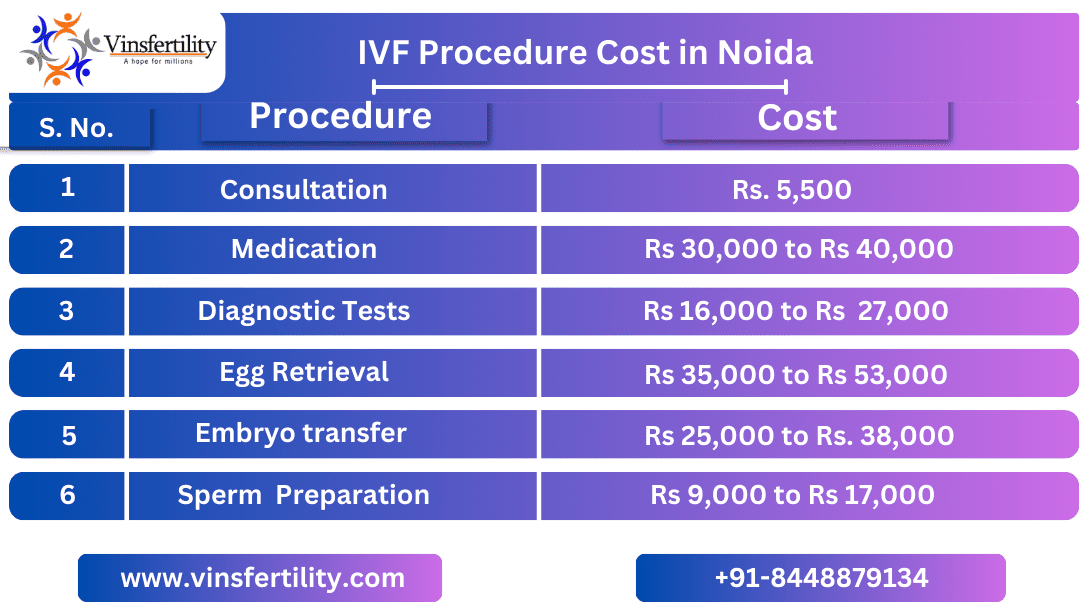
Understanding the complete financial picture of IVF treatment is essential for patients in Gadag. Beyond the base cycle cost, various components contribute to the total expenditure. The table below provides an estimated breakdown of common costs associated with an IVF cycle in the region, reflecting 2026 market rates. Please note that these are approximate ranges, and actual costs can vary between clinics and individual patient needs.
| Item | Estimated Range (₹) | Notes |
|---|---|---|
| Initial Consultation | 800–1,500 | Your first meeting with a fertility specialist, detailed medical history review, initial counselling, and discussion of potential treatment pathways. |
| Diagnostic Tests (Female) | 12,000–28,000 | Comprehensive blood tests (e.g., hormone levels like AMH, FSH, LH, Prolactin, Thyroid hormones), infectious disease screening, ovarian reserve assessment, and sometimes genetic screening. (Source: Mayo Clinic) |
| Diagnostic Tests (Male) | 5,000–12,000 | Includes semen analysis to evaluate sperm count, motility, and morphology. May also involve hormonal tests or infection screenings if indicated by initial assessment. (Source: Mayo Clinic) |
| Ultrasound Monitoring | 8,000–20,000 | Multiple transvaginal ultrasound scans are performed during the ovarian stimulation phase to track the growth of follicles (which contain eggs) and monitor the endometrial (uterine lining) thickness. |
| Ovarian Stimulation Drugs | 50,000–1,20,000 | Medications (gonadotropins) used to stimulate the ovaries to produce multiple eggs. The cost varies significantly based on the dosage required, duration of stimulation, specific treatment protocol (e.g., antagonist, long agonist), and the brand of medication chosen. (Source: ACOG) |
| Egg Retrieval | 40,000–75,000 | A minor surgical procedure performed under light anaesthesia to collect mature eggs from the ovaries. This cost typically includes the anaesthesia fees and operation theatre charges. |
| Sperm Preparation | 7,000–12,000 | Laboratory process to isolate healthy, motile sperm from a semen sample, preparing them for fertilisation. |
| Fertilisation (Standard IVF) | Included in base cycle | Conventional insemination where sperm and eggs are placed together in a culture dish to allow fertilisation to occur naturally. |
| ICSI (Intracytoplasmic Sperm Injection) | 25,000–50,000 | An advanced fertilisation technique where a single sperm is directly injected into each egg. It is often recommended for severe male factor infertility, previous fertilisation failures, or a low number of retrieved eggs. (Source: Mayo Clinic) |
| Embryo Culture | Included in base cycle | Monitoring and nurturing the fertilised eggs (embryos) in the laboratory incubator for 3 to 5 days, often until they reach the blastocyst stage (Day 5 or 6). |
| Embryo Transfer | 35,000–60,000 | A relatively simple procedure where the selected embryo(s) are carefully placed into the woman's uterus using a thin catheter. |
| Embryo Freezing (Cryopreservation) | 20,000–40,000 | The process of preserving viable surplus embryos for future use, offering the possibility of additional transfers without another full IVF cycle. |
| Embryo Storage (Annual) | 10,000–18,000 | A yearly fee for the cryostorage of frozen embryos, ensuring their safe preservation for as long as desired. |
| Frozen Embryo Transfer (FET) | 50,000–90,000 | A separate treatment cycle involving the thawing and transfer of previously frozen embryos. This is often less invasive than a fresh cycle. |
Hidden Costs Most Clinics Don't Advertise Upfront
While the breakdown above covers the primary components of an IVF cycle, patients should be aware of additional costs that may arise depending on individual circumstances. These "hidden" costs are not always included in quoted base packages and can significantly impact the total expenditure:
- Advanced Diagnostic Tests: Specialized tests like karyotyping (genetic analysis of chromosomes), hysteroscopy (examination of the uterine cavity), or sperm DNA fragmentation analysis may be required for specific infertility diagnoses. (Source: NCBI)
- Post-Transfer Medications: Medications such as progesterone, estrogen, and other luteal phase support drugs are crucial after embryo transfer to help maintain pregnancy. These are often prescribed for several weeks and can add to the overall cost.
- Anaesthesia for Additional Procedures: If minor procedures beyond egg retrieval (e.g., hysteroscopy, testicular sperm extraction) are needed, separate anaesthesia charges may apply.
- Blastocyst Culture Surcharges: While embryo culture is often included, some clinics may charge extra for extended culture to the blastocyst stage (Day 5/6) compared to Day 3 embryo transfer, due to the increased lab resources and expertise required.
- Preimplantation Genetic Testing (PGT): This includes PGT-A (for aneuploidy screening), PGT-M (for monogenic/single-gene disorders), or PGT-SR (for structural rearrangements). Costs are typically charged per embryo tested and can add substantially to the total. (Source: Mayo Clinic)
- Assisted Hatching (AH): A laboratory technique where a small opening is made in the outer shell of the embryo to assist in implantation. This may be recommended for certain patient profiles.
- Extended Counselling Sessions: While initial counselling is usually part of the consultation, ongoing psychological support or additional sessions may incur extra charges.
- Donor Sourcing, Legal, and Screening Fees: If using donor eggs, donor sperm, or donor embryos, there will be costs associated with sourcing, screening, and legal formalities for the donor.
- Emergency Management Costs: Complications, though rare, like Ovarian Hyperstimulation Syndrome (OHSS) might require hospitalisation and additional medical management, leading to unforeseen expenses. (Source: ACOG)
- Travel and Accommodation: For patients in Gadag, if specialized treatment or advanced laboratory facilities necessitate travel to nearby larger cities like Hubballi or Bengaluru, additional costs for travel and stay must be factored in.
Medication Cost Swing (₹50,000–₹1,20,000+) Based on Age and Ovarian Response
The cost of medications, particularly those used for ovarian stimulation, represents a significant and highly variable portion of the overall IVF expense. This variability is primarily influenced by several key factors:
- Patient's Age: Younger women, generally having a better ovarian reserve, may respond well to lower doses of medication, thus incurring lower costs. Older patients, or those with diminished ovarian reserve, often require higher doses and longer stimulation periods to achieve adequate egg production, leading to increased medication expenses.
- Ovarian Reserve and Response: This is assessed through tests like Anti-Müllerian Hormone (AMH) levels and antral follicle count. Patients with conditions like Polycystic Ovary Syndrome (PCOS) or those with low AMH may require highly individualized protocols and dosages, impacting drug costs.
- Treatment Protocol: Different IVF stimulation protocols (e.g., antagonist protocol, long agonist protocol, mild stimulation, or individualized protocols) utilize varying types and quantities of medications. The choice of protocol is made by your fertility specialist based on your medical history and diagnostic test results. (Source: NHS)
- Drug Brand and Type: Both generic and branded medications are available, with significant price differences. Your doctor will prescribe the most appropriate drugs for your specific situation.
It is crucial to have an open discussion with your fertility specialist about the anticipated medication regimen and its associated costs to get a clearer estimate tailored to your individual treatment plan.
IVF Cost by Treatment Type: IVF vs ICSI vs Mini-IVF
| Procedure | Estimated Price Range (₹) | Best Suited For |
|---|---|---|
| Conventional IVF | 1,00,000–2,00,000 | Couples with unexplained infertility, mild male factor infertility, tubal blockage, or ovarian issues. |
| IVF with ICSI | 1,40,000–2,30,000 | Recommended for severe male factor infertility (low sperm count/motility), previous fertilisation failure with conventional IVF, or when using frozen sperm. |
| Mini-IVF | 80,000–1,60,000 | Patients with good ovarian reserve, those at high risk of Ovarian Hyperstimulation Syndrome (OHSS), or women preferring a milder stimulation approach with fewer medications. |
Conventional IVF involves fertilising eggs with sperm in a lab dish. Intracytoplasmic Sperm Injection (ICSI) is an advanced technique where a single sperm is directly injected into each egg to aid fertilisation, often used for male infertility. Mini-IVF uses lower doses of fertility drugs to stimulate fewer eggs, aiming for a more natural and potentially less expensive cycle. The Mayo Clinic provides comprehensive information on IVF procedures.
When ICSI is Medically Justified vs. Potentially Upsold
Intracytoplasmic Sperm Injection (ICSI) is a specialised IVF technique where a single, healthy sperm is directly injected into each mature egg. It is medically justified and highly beneficial in specific scenarios, such as severe male factor infertility (e.g., very low sperm count, poor motility, or abnormal morphology), a history of previous fertilisation failure during conventional IVF, or when using surgically retrieved or frozen sperm. The National Center for Biotechnology Information (NCBI) outlines the indications for ICSI.
However, if ICSI is recommended without a clear male factor indication or other specific medical reasons, couples should proactively ask their fertility specialist for a detailed explanation of why it is deemed necessary. While some clinics may routinely offer ICSI, it's important to understand if it truly benefits your specific case or if it's being presented as an optional add-on that might increase costs without significant clinical advantage.
Cost of Donor Egg, Donor Sperm, and Donor Embryo Cycles
- Donor sperm cycle: Adds approximately ₹15,000–₹40,000 to the base IVF cost. This covers the cost of procuring sperm from a certified donor bank and includes screening.
- Donor egg cycle: Typically ranges from ₹2,50,000–₹4,00,000. This comprehensive cost covers donor recruitment, screening, medication, egg retrieval, and compensation to the donor.
- Donor embryo cycle: Often falls within the range of ₹2,80,000–₹4,50,000. This includes the cost of screened donor embryos, which are typically frozen and ready for transfer.
Using donor gametes (sperm or eggs) or donor embryos can be a viable option for individuals or couples facing severe infertility issues, genetic concerns, or advanced maternal age. In India, donor gametes and embryos must always be sourced through registered Assisted Reproductive Technology (ART) banks that strictly adhere to the ART and Surrogacy (Regulation) Act, 2021. This ensures ethical practices, comprehensive screening of donors for genetic conditions and infectious diseases, and legal compliance. The World Health Organization (WHO) acknowledges the role of assisted reproductive technologies, including donor gametes, in addressing infertility.
Add-On Procedure Costs: PGT, Laser Hatching, Blastocyst, FET
PGT-A / PGT-M Pricing Per Embryo
Preimplantation Genetic Testing (PGT) involves screening embryos for genetic abnormalities before transfer. PGT-A (Aneuploidy) screens for chromosomal abnormalities, such as Down syndrome, which can improve implantation rates and reduce miscarriage risk. PGT-M (Monogenic) screens for specific single-gene disorders, like cystic fibrosis or thalassemia, when parents are known carriers. Costs are usually around ₹25,000–₹50,000 per embryo, in addition to the initial biopsy and laboratory processing fees. The American College of Obstetricians and Gynecologists (ACOG) provides guidance on PGT.
Blastocyst Culture and Laser-Assisted Hatching
Blastocyst Culture: This involves culturing embryos in the laboratory for 5-6 days until they reach the blastocyst stage, rather than transferring them on day 2 or 3. Transferring a blastocyst allows for better selection of the most viable embryos, as only the strongest embryos typically reach this stage. While it may increase lab costs slightly, it can improve implantation rates. This is often included in advanced IVF packages but can be an additional charge of ₹10,000–₹25,000.
Laser-Assisted Hatching (LAH): This micro-manipulation technique involves creating a small opening in the outer shell (zona pellucida) of the embryo using a laser, just before embryo transfer. It is believed to help the embryo "hatch" and implant into the uterine lining, particularly for older women, those with previous IVF failures, or embryos with a thick zona pellucida. Costs typically range from ₹15,000–₹30,000. Research published in NCBI explores the efficacy of assisted hatching.
Frozen Embryo Transfer (FET) Cost vs. Fresh Transfer
A Frozen Embryo Transfer (FET) cycle involves thawing previously cryopreserved embryos and transferring them to the uterus. This procedure typically costs ₹40,000–₹80,000 and covers the thawing process, preparation of the endometrial lining (usually with hormonal medication), and the actual embryo transfer. FET is generally less expensive than a fresh IVF cycle because it bypasses the ovarian stimulation and egg retrieval phases. It also allows for genetic testing of embryos (PGT) and gives the uterus time to recover from stimulation, potentially leading to better receptivity. Mayo Clinic offers insights into the benefits of FET.
ERA, Embryo Glue, and Time-Lapse Imaging Charges
- Endometrial Receptivity Analysis (ERA): ₹35,000–₹60,000. This diagnostic test determines the optimal window for embryo transfer by analysing gene expression in the endometrial lining, helping to personalise the transfer timing for women with recurrent implantation failure. A study in NCBI discusses the utility of ERA.
- Embryo Glue: ₹10,000–₹20,000. This is a special culture medium enriched with hyaluronan, a naturally occurring substance found in the uterus. It is used during embryo transfer to potentially enhance the embryo's adhesion to the uterine lining, thereby improving implantation rates.
- Time-lapse embryo imaging: ₹20,000–₹40,000. This technology allows embryologists to continuously monitor embryo development without removing them from the incubator, providing detailed insights into their growth patterns and helping to select the most viable embryos for transfer.
Low-Cost IVF for Gadag Patients: How to Genuinely Reduce Your Bill
- Start locally, treat regionally: For residents of Gadag, initial fertility consultations, diagnostic work-ups, and basic monitoring can often be conducted by a local gynaecologist or fertility specialist in Gadag. For advanced IVF procedures, it is often more practical and cost-effective to travel to a larger regional hub like Hubballi, which offers a wider selection of established IVF centres, more competitive pricing, and advanced technology. This approach can help save on travel time and costs for early, less intensive visits.
- Compare centres across Hubballi: Hubballi, being a significant medical hub in Karnataka, hosts multiple national and regional IVF chains. It is highly recommended to compare detailed quotes, success rates, and included services from at least 2-3 different IVF centres. This diligence can lead to meaningful cost reductions and help you find a centre that aligns with your budget and needs.
- Watch for government-scheme access: Karnataka has been actively working to make fertility treatments more accessible. The state has developed government-run IVF facilities, such as the one at KMC-RI Hubballi, which aims to offer free or significantly subsidised IVF cycles to eligible beneficiaries, particularly those holding BPL (Below Poverty Line) or APL (Above Poverty Line) cards under schemes like the AB-ArK (Ayushman Bharat – Arogya Karnataka) scheme. It is highly advisable for Gadag patients to inquire about the current status of such programs and their eligibility criteria. Learn more about government schemes and IVF costs in Karnataka.
- EMI and financing options: Many IVF centres and financial institutions offer Equated Monthly Instalment (EMI) plans and specialised fertility loans. These options can help spread the financial burden of treatment over a longer period, making it more manageable. Always ensure you thoroughly review the interest rates, processing fees, and all terms and conditions in writing before committing to any financing plan.
- Multi-cycle packages: Some fertility clinics offer discounted packages for patients who may require multiple IVF attempts. These packages can significantly reduce the per-cycle cost compared to paying for each cycle individually. Before opting for such a package, clarify precisely what constitutes one “cycle,” what services are included, and understand the refund policies or conditions for unused cycles.
Low Cost IVF Centres in Gadag and Hubballi
At Vinsfertility, we believe that adding value transforms something ordinary into extraordinary. We treat your dream as our own, making it our highest priority to help you move closer to parenthood. Below is a curated list of patient-focused, cost-efficient centres serving couples from Gadag—starting with trusted local maternity hospitals, followed by well-established IVF centres in Hubballi, the nearest major fertility hub.
To provide you with reliable information, the costs, ratings, and specific details for each center listed below are indicative figures. These have been carefully reviewed by the Vinsfertility editorial team, drawing from publicly available clinic information. Please note that these details can change, and it is essential to confirm all current pricing, doctor availability, and services directly with the clinic before making any bookings. For personalized assistance and to compare options, you can route your appointment enquiries for all centers through the Vinsfertility patient-concierge line.
| Centre | Google Rating | Estimated Cost | Lead Specialist | Location |
|---|---|---|---|---|
| Kulkarni Maternity & Gynaecological Hospital | N/A | Initial consultation/diagnostics only | Dr. Radhika U. Kulkarni | Gadag |
| Kololgi Maternity Hospital | N/A | Initial consultation/diagnostics only | Dr. Prakash D. Kololgi | Gadag |
| Indira IVF | N/A | ₹1,00,000–₹2,00,000 (full IVF cycle) | Dr. Asha Patil and Dr. Pratibha V. | Hubballi |
| Nova IVF Fertility | N/A | ₹1,00,000–₹2,00,000 (full IVF cycle) | Dr. Pavitra Shyamsundar (Batakurki) | Hubballi |
Kulkarni Maternity & Gynaecological Hospital, Gadag
| Location | 1st Cross, Vidyanagar, Gadag, Karnataka 582101 |
| Lead Specialist | Dr. Radhika U. Kulkarni – Obstetrics & Gynaecology |
| Key Services (Initial Stage) |
|
Kulkarni Maternity & Gynaecological Hospital is a well-regarded local healthcare facility situated in Gadag's Vidyanagar/Hosahalli area. This hospital primarily focuses on comprehensive obstetrics and gynaecology care. For couples in Gadag beginning their fertility journey, it often serves as the initial point of contact for preliminary infertility investigations. While they provide essential diagnostic services, patients who require a full In Vitro Fertilization (IVF) cycle or other advanced Assisted Reproductive Technology (ART) procedures are typically referred to specialized fertility centers in Hubballi after their initial evaluation.
Kololgi Maternity Hospital, Gadag
| Location | Gadag, Karnataka 582101 |
| Lead Specialist | Dr. Prakash D. Kololgi – Obstetrics & Gynaecology |
| Key Services (Initial Stage) |
|
Kololgi Maternity Hospital is another established local healthcare provider in Gadag, known for its dedicated gynaecology and obstetric services for the community. For couples facing fertility challenges, this hospital is a common choice for initial infertility evaluations, comprehensive hormonal testing, and basic cycle monitoring. Once these preliminary steps are completed, patients requiring more advanced Assisted Reproductive Technology (ART) procedures, such as IVF, are typically guided to dedicated fertility centers in Hubballi for specialized care.
Indira IVF, Hubballi (Nearest Fertility Hub – ~54 km)
| Location | Shweta Complex, Near Chennamma Circle, Opp. Mini Vidhana Soudha, Lamington Road, Hubballi, Karnataka 580020 |
| Lead Specialists | Dr. Asha Patil and Dr. Pratibha V. |
| Core ART Services |
|
| Diagnostic & Andrology Services |
|
Indira IVF stands as one of India's largest and most prominent fertility chains, with a well-equipped center located in Hubballi's Lamington Road area. This center offers a comprehensive range of advanced fertility treatments, including In Vitro Fertilization (IVF), Intracytoplasmic Sperm Injection (ICSI), and Intrauterine Insemination (IUI). Additionally, it provides extensive diagnostic and andrology services to accurately assess and address male and female infertility factors. Indira IVF reports over 2,00,000 successful pregnancies across its network, reflecting its broad experience in the field.
To understand the typical financial commitment for such treatments, you can also explore our general guide on IVF treatment cost.
Nova IVF Fertility, Hubballi (Nearest Fertility Hub – ~54 km)
| Location | Centrum Building, 1st Floor, Laxmi Layout, Basaveshwara Nagara, Gokul Road, Hubballi, Karnataka 580030 |
| Lead Specialist | Dr. Pavitra Shyamsundar (Batakurki) |
| Comprehensive Fertility Solutions |
|
Nova IVF Fertility operates a modern and well-regarded center on Gokul Road in Hubballi, providing a wide spectrum of fertility services. This clinic is recognized locally for its patient-centric counselling and high standard of clinical care. They offer comprehensive fertility assessments to diagnose underlying causes of infertility, alongside advanced treatments such as IUI, IVF, and ICSI. Additionally, Nova IVF Fertility specializes in fertility preservation, offering options for individuals who wish to safeguard their reproductive potential for the future.
*Disclaimer: It is crucial to understand that all treatment costs, reported success rates, and clinic ratings provided are approximate estimates. These figures can vary significantly based on individual patient factors, including age, specific infertility diagnosis, the type and dosage of medications required, the complexity of laboratory procedures, and any additional fertility treatments or services opted for. Furthermore, the availability of specific doctors at any center may change over time. For the most current and precise information regarding pricing, doctor rosters, and consultation details, we strongly advise you to contact the respective fertility center directly.
Why IVF Costs Vary Across Clinics That Serve Gadag
The cost of In Vitro Fertilization (IVF) treatment is influenced by several factors, leading to variations even for patients seeking care from Gadag. Understanding these factors can help you anticipate expenses and make informed decisions.
- Location-specific pricing: While Gadag itself has limited advanced fertility centres, most patients travel to nearby Hubballi for comprehensive IVF treatment. Consequently, pricing models largely reflect the competitive market rates of Hubballi, rather than a distinct local Gadag rate.
- Standalone vs. hospital-attached units: Standalone fertility clinics often offer focused care and may have more flexible pricing structures. In contrast, IVF units integrated within larger hospitals provide the advantage of comprehensive medical support and emergency services, though this can sometimes lead to higher overall costs due to hospital overheads.
- Embryologist expertise and lab quality: The success of an IVF cycle heavily relies on the quality of the embryology laboratory and the experience of the embryologists. Clinics with state-of-the-art, ISO-certified labs and highly skilled embryologists typically have higher success rates, which is often reflected in their fees. These labs utilize advanced equipment and stringent protocols to optimize embryo development. (Source: CDC)
- Chain vs. independent clinics: National fertility chains frequently offer standardized treatment packages, transparent starting prices, and often provide convenient Equated Monthly Installment (EMI) options. Independent hospitals or clinics, while offering personalized care, may quote prices based on the unique complexity of each patient's case, which can sometimes appear less straightforward initially.
- Government vs. private care: Karnataka has been exploring initiatives to make fertility treatments more accessible. If the planned government IVF centre at KMC-RI Hubballi becomes fully operational, it may offer free or significantly subsidized IVF cycles for eligible patients, particularly those holding Below Poverty Line (BPL) or Above Poverty Line (APL) cards, under specific government schemes. Additionally, some private clinics might participate in government-backed programs or offer their own charitable initiatives for economically disadvantaged couples.
How to Choose a Premier Fertility Clinic
Selecting the right fertility clinic is a critical step in your IVF journey. Beyond cost, consider these essential criteria to ensure you receive safe, ethical, and high-quality care.
| What to Verify | What to Check | Why It Matters |
|---|---|---|
| ART Act, 2021 registration | Confirm that the clinic/centre is officially registered as per India's Assisted Reproductive Technology (Regulation) Act, 2021. | Ensures the clinic operates legally, adheres to strict ethical guidelines, and prioritizes patient safety and rights. (Source: Ministry of Health and Family Welfare, India) |
| National ART Registry listing | Verify if the centre is listed on the official National ART & Surrogacy Registry. | This listing confirms its legitimate registration status and compliance with national standards, providing an additional layer of assurance. |
| Embryology lab standards | Inquire about lab certifications (e.g., ISO), the quality and modernity of equipment, and stringent sterility protocols. | The lab environment directly influences the viability and development of embryos, significantly impacting your chances of success. High standards are crucial. |
| Live-birth rate transparency | The clinic should openly share its age-specific live-birth rates, not just general pregnancy rates. | Live-birth rates provide a more realistic and accurate measure of success, reflecting the actual outcome of having a baby, rather than just a positive pregnancy test. |
| Andrology setup | Ensure the clinic has a dedicated and well-equipped facility for male fertility diagnostics and advanced sperm processing techniques. | This is crucial for couples dealing with male factor infertility, ensuring accurate diagnosis and effective sperm preparation for IVF procedures. |
| Counsellor availability | Confirm access to professional psychological support and counselling services for both partners. | IVF can be an emotionally challenging journey. Accessible counselling helps couples manage stress, anxiety, and the psychological impact of treatment. (Source: NIH) |
Red Flags to Watch Out For
Be cautious and seek a second opinion if you encounter any of the following during your clinic selection process:
- Guaranteed pregnancy claims: No legitimate medical treatment, especially IVF, can offer a 100% guarantee of success. Such claims are unrealistic and misleading.
- Opaque billing: Watch out for vague "package deals," lack of an itemised cost breakdown, or unexpected charges that appear mid-treatment without clear explanation.
- Unregistered centres: Avoid any fertility centre not officially listed on the relevant ART and fertility registries, as this indicates a lack of regulatory compliance.
Questions to Ask Before Signing Consent and Payment Forms
Before committing to an IVF clinic in Hubballi or elsewhere, it's vital to have all your questions answered thoroughly. This proactive approach helps ensure transparency and peace of mind.
- Cost Breakdown: Request a comprehensive, itemised cost breakdown that clearly lists all potential expenses, including medication, monitoring, procedures, and any additional services. Also, clarify the terms for cycle cancellation, repeat attempts, and refund policies. For a general overview of IVF costs, you can refer to our guide on IVF treatment costs.
- Success Rates: Ask for the clinic's specific live-birth rates tailored to your age group and diagnosis. Understand how these rates compare to national averages.
- Lab Credentials: Inquire about the qualifications and experience of the embryology team, and confirm the accreditations of the embryology lab. Crucially, verify whether the lab is on-site in Hubballi, as off-site labs can sometimes complicate logistics.
- Embryo Management: Clarify the clinic's policies regarding embryo storage duration, annual storage fees, and options for embryo disposal or donation.
- Counselling & Support: Confirm the availability and cost (if any) of psychological counselling and support services throughout your treatment journey.
- Emergency Protocols: Understand the clinic's procedures for managing potential complications, such as Ovarian Hyperstimulation Syndrome (OHSS), and what emergency support is available. (Source: Mayo Clinic)
- Donor Gamete Compliance: If you are considering donor eggs or sperm, verify that the clinic's sourcing and screening processes comply fully with the ART Act, 2021 regulations.
- Local Gadag Visits: Ask which initial consultations, basic scans, or preliminary tests can be conveniently completed locally in Gadag before requiring travel to Hubballi for the full IVF procedure.
Frequently Asked Questions
Are there dedicated IVF centres or labs directly in Gadag, and where do couples typically go for treatment?
Gadag currently does not have a dedicated ART/IVF laboratory. Most couples from Gadag seeking IVF treatment typically begin with a local gynaecologist for initial evaluation and then travel to Hubballi, which is about 54 km away, for the full IVF cycle at specialist fertility centres. The National ART and Surrogacy Portal lists registered ART clinics, which are primarily located in larger cities and towns with established medical infrastructure.
How does the IVF cost in Gadag compare to major nearby cities like Bengaluru?
For couples from Gadag, the estimated cost for a single IVF cycle, usually undertaken in Hubballi, ranges from ₹95,000 to ₹1,90,000 in 2026. In comparison, a single IVF cycle in Bengaluru generally starts from ₹1,00,000, with additional costs for medicines and specific procedures. Therefore, the base cost is broadly comparable, but residents of Gadag would incur additional travel expenses to Hubballi.
What is the typical success rate for IVF treatment for couples from Gadag?
While specific success rates for couples from Gadag are not tracked separately, the overall success rates for IVF treatment in India vary based on factors such as the woman's age, the cause of infertility, and the expertise of the clinic. According to the ART (Regulation) Act, 2021, registered ART clinics are required to maintain and report success rates, which differ significantly across patient demographics. Patients should discuss their individual success probabilities directly with their chosen fertility specialist.
Is free IVF available for eligible residents of Gadag, and what are the criteria?
Yes, some healthcare providers in the region, such as Patil Super Speciality Hospital, are noted to offer free IVF treatment for eligible Below Poverty Line (BPL) cardholders in Karnataka. Residents of Gadag holding a valid BPL card may qualify for such schemes. Eligibility typically involves demonstrating financial need and meeting specific medical criteria for IVF. It is advisable to contact such hospitals directly for detailed information on their specific programs and current eligibility requirements.
What additional procedures might increase the overall IVF cost for couples from Gadag?
Beyond the basic IVF cycle, several additional procedures can increase the total cost. These include Intracytoplasmic Sperm Injection (ICSI), Preimplantation Genetic Diagnosis (PGD) or Screening (PGS), embryo freezing and storage for future use, assisted hatching, and the use of donor services (sperm, egg, or embryo). The necessity for these additional procedures is determined by the patient's specific infertility diagnosis and medical history, as advised by their fertility specialist.
Sources & References
- The Surrogacy (Regulation) Act, 2021 — Government of India
- Indian Council of Medical Research (ICMR) — National ART & Surrogacy Registry
- NABL — National Accreditation Board for Testing and Calibration Laboratories
- World Health Organization (WHO) — Infertility clinical guidance
- PubMed — Peer-reviewed fertility research (NIH/NLM)
All external sources link to primary government, medical, or peer-reviewed material. This article is reviewed by a qualified fertility specialist and updated as clinical guidance changes.