IVF Cost in Faridabad 2026 | Best IVF Prices | Vinsfertility
At a Glance: IVF Cost in Faridabad (2026)
- Average Basic IVF Cycle Cost: ₹1,20,000 to ₹2,00,000
- Why Faridabad: Offers competitive pricing and high-quality care compared to major metropolitan areas like Delhi or Noida.
- Success Rates: Typically ranges from 30-40% per cycle, with higher rates (up to 70-85%) for donor egg cycles in younger patients.
- Key Cost Factors: Woman's age, specific infertility diagnosis, number of IVF cycles required, medication dosages, and the inclusion of advanced add-ons like ICSI or PGT.
- Legal Framework: IVF treatments in India are governed by the Assisted Reproductive Technology (Regulation) Act, 2021, ensuring ethical practices, patient safety, and standardized clinic operations.
Introduction
In vitro fertilization (IVF), often referred to as test tube baby treatment, is a widely recognized and effective assisted reproductive technology for couples facing infertility challenges. It involves fertilizing an egg with sperm outside the body in a laboratory setting, then implanting the resulting embryo into the uterus. Faridabad, a rapidly developing city within the National Capital Region (NCR) of India, has emerged as a significant hub for accessible and high-quality IVF treatment, offering modern facilities and experienced fertility specialists. (Source: NCBI)
Understanding the IVF cost in Faridabad is a key consideration for couples embarking on their fertility journey. The city provides competitive pricing compared to other major metropolitan areas, such as Delhi or Noida, while maintaining high standards of care and success rates. For a standard, basic IVF cycle, the test tube baby cost in Faridabad typically ranges from ₹1,20,000 to ₹2,00,000. This comprehensive guide will explore the complete cost structure, various treatment options, factors influencing your investment, and highlight low-cost IVF centres in Faridabad to help you make informed decisions on your path to parenthood.
It's important to note that this is an estimated range for a single cycle and can vary based on individual medical needs and specific protocols. While often more affordable than in nearby metro cities, Faridabad maintains advanced medical infrastructure, making it an attractive choice for couples seeking quality fertility care without the higher expenses often associated with larger urban centres. For comparison with a nearby city, explore IVF cost in Delhi.
Understanding IVF Treatment and Procedure
What is IVF (In Vitro Fertilization)?
IVF, or In Vitro Fertilization, is a sophisticated form of assisted reproductive technology (ART). It is a medical procedure designed to help individuals and couples overcome infertility by facilitating fertilization outside the human body. In a highly controlled laboratory environment, eggs are retrieved from a woman's ovaries and fertilized with sperm. The resulting embryo(s) are then carefully transferred into the woman's uterus, aiming for successful implantation and pregnancy. The Centers for Disease Control and Prevention (CDC) provides comprehensive information on ART procedures like IVF. Learn more about ART from the CDC.
When is IVF Treatment Recommended?
IVF may be recommended for various causes of infertility after other treatments have been unsuccessful or are not suitable. Common indications for IVF include:
- Fallopian Tube Issues: Blocked or damaged fallopian tubes that prevent egg and sperm from meeting.
- Male Factor Infertility: Low sperm count, poor sperm motility, or abnormal sperm morphology.
- Endometriosis: A condition where uterine tissue grows outside the uterus, affecting fertility.
- Ovulation Disorders: Irregular or absent ovulation, such as in Polycystic Ovary Syndrome (PCOS), unresponsive to medication.
- Uterine Fibroids: Benign tumors in the uterus that can interfere with implantation.
- Unexplained Infertility: When no specific cause for infertility can be identified after thorough investigation.
- Genetic Conditions: For couples at risk of passing on a genetic disorder, allowing for Preimplantation Genetic Testing (PGT).
- Preservation of Fertility: For individuals undergoing cancer treatment or planning to delay childbearing.
A fertility specialist will conduct a thorough evaluation to determine if IVF is the most appropriate treatment option for your specific situation. For a deeper understanding of infertility and its causes, you can refer to resources from the National Institutes of Health (NIH). Explore infertility information from NIH.
Step-by-Step IVF Procedure
The IVF journey involves several distinct stages, each carefully monitored by fertility specialists. This comprehensive process typically spans 4-6 weeks from initial stimulation to the pregnancy test. Here’s a detailed breakdown:
-
Initial Consultation and Evaluation: Your fertility journey begins with a comprehensive review of your medical history, a physical examination, and various diagnostic tests. These tests may include hormone analysis (such as AMH, FSH, LH, estradiol), ultrasound scans to assess ovarian health and uterine structure, and semen analysis for male partners. A mock embryo transfer might also be performed to map the uterine cavity.
-
Ovarian Stimulation (Controlled Ovarian Hyperstimulation): To increase the chances of retrieving multiple mature eggs, hormonal medications are administered for approximately 8-14 days. These medications typically contain Follicle Stimulating Hormone (FSH) or Luteinizing Hormone (LH), which stimulate the ovaries to produce several egg-containing follicles. Regular monitoring through blood tests and transvaginal ultrasounds tracks follicular growth and hormone levels.
-
Trigger Injection: Once the follicles reach an optimal size (typically 18-22mm), a "trigger shot" of human chorionic gonadotropin (hCG) is given. This injection mimics the natural LH surge, prompting the final maturation of the eggs, usually administered 36-38 hours before egg retrieval.
-
Egg Retrieval (Oocyte Aspiration): This is a minimally invasive procedure performed under mild sedation or anesthesia. A thin needle, guided by ultrasound, is gently inserted through the vaginal wall into each ovary to aspirate (drain) the follicular fluid containing the eggs. The procedure usually takes about 20-30 minutes, after which you will rest briefly in a recovery area.
-
Sperm Collection and Preparation: On the same day as egg retrieval, a fresh sperm sample is collected from the male partner. The sample is then processed in the laboratory to isolate the healthiest, most motile sperm for fertilization.
-
Fertilization: This critical step occurs in the laboratory:
-
Conventional IVF: The retrieved eggs and prepared sperm are placed together in a specialized culture dish, allowing fertilization to occur naturally.
-
ICSI (Intracytoplasmic Sperm Injection): For cases of male factor infertility or previous fertilization failures, a single, healthy sperm is directly injected into each mature egg using advanced micromanipulation technology.
-
-
Embryo Culture and Development: The fertilized eggs (now called embryos) are cultured in specialized incubators for 3-5 days. During this period, embryologists meticulously monitor their development, assessing proper cell division and progression to the blastocyst stage, which is often preferred for transfer.
-
Embryo Transfer: The highest quality embryo(s) are selected for transfer. Using a thin, flexible catheter tube, the embryo(s) are gently placed into the uterus through the cervix, guided by ultrasound. This procedure is typically painless and takes about 10-15 minutes.
-
Luteal Phase Support: Following embryo transfer, progesterone supplements (oral, vaginal, or injectable) are prescribed. This hormone is crucial for thickening the uterine lining and creating an optimal environment to support embryo implantation and early pregnancy development.
-
Pregnancy Test: Approximately 12-14 days after embryo transfer, a blood test (Beta-hCG) is performed to detect the pregnancy hormone and confirm if the treatment has been successful.
Embryo implantation typically occurs 4-5 days after transfer, with the entire IVF cycle from ovarian stimulation to the final pregnancy test taking approximately 4-6 weeks. For more detailed information on the IVF process, you can consult resources from the Mayo Clinic. Read about IVF at Mayo Clinic.
Comprehensive IVF Cost Breakdown in Faridabad (2026)
Average IVF Treatment Costs
The IVF cost in Faridabad is influenced by several factors, including the specific treatment protocol, the clinic's facilities, the medications required, and individual patient needs. The following table provides an estimated cost analysis for various types of IVF treatments in Faridabad for 2026:
|
IVF Treatment Type |
Cost Range (₹) |
Description |
|
Basic IVF Cycle (Self Egg/Sperm) |
1,20,000 - 1,80,000 |
Includes initial consultations, diagnostic tests, ovarian stimulation, egg retrieval, fertilization, and embryo transfer. |
|
IVF with ICSI |
1,80,000 - 2,30,000 |
Specialized procedure where a single sperm is directly injected into each egg, often used for male factor infertility. |
|
IVF with Donor Egg |
2,70,000 - 3,80,000 |
Involves using eggs from a carefully screened donor, recommended when the patient cannot produce viable eggs. |
|
IVF with Donor Sperm |
2,30,000 - 2,90,000 |
Utilizes donor sperm, suitable for male infertility or for single women seeking pregnancy. |
|
IVF with Frozen Embryo Transfer (FET) |
60,000 - 1,10,000 |
Uses embryos that were previously frozen from an earlier IVF cycle, typically less expensive than a fresh cycle. |
|
IVF with Laser Assisted Hatching |
1,90,000 - 2,60,000 |
An advanced technique where a laser creates a small opening in the embryo's outer shell to aid implantation. |
|
IVF with PGT (Preimplantation Genetic Testing) |
3,50,000 - 5,50,000 |
Includes genetic screening (PGT-A for aneuploidy) or diagnosis (PGT-M for monogenic diseases) of embryos before transfer to identify chromosomal abnormalities or specific genetic conditions. Learn more about PGT from ACOG. |
Table 1: Comprehensive IVF treatment cost breakdown in Faridabad (estimated 2026 rates)
Detailed Step-by-Step Cost Components
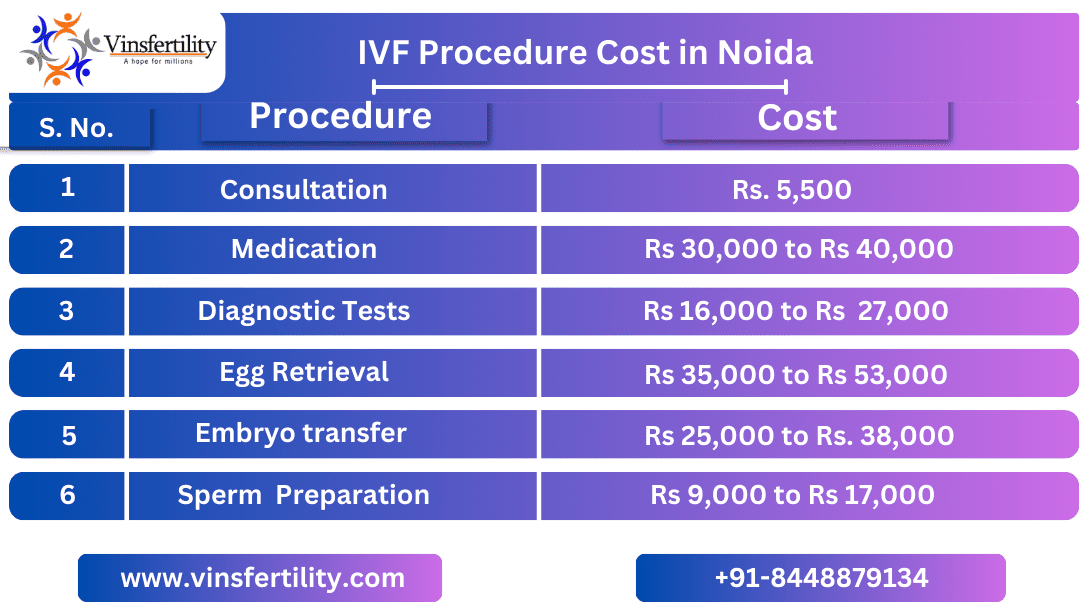
Understanding the individual components of IVF costs can help you budget more effectively. Below is an itemized breakdown of common expenses within an IVF cycle:
|
Treatment Component |
Cost (₹) |
Details |
|
Initial Fertility Consultation |
7,000 - 12,000 |
First meeting with a fertility specialist to assess your situation, review medical history, and outline a potential treatment plan. |
|
Diagnostic Tests |
20,000 - 40,000 |
Includes essential blood hormone tests (e.g., AMH, FSH, LH, estradiol), ultrasound scans, semen analysis, and other necessary screenings like hysteroscopy or HSG. |
|
Ovarian Stimulation Medications |
35,000 - 70,000 |
Cost of hormonal injections (FSH, LH, GnRH agonists/antagonists) used to stimulate the ovaries to produce multiple eggs. Medication costs can vary significantly based on dosage and duration. |
|
Ultrasound Monitoring |
4,000 - 8,000 |
Multiple ultrasound scans performed during the ovarian stimulation phase to track the growth and development of follicles. |
|
Egg Retrieval Procedure |
40,000 - 70,000 |
Covers the cost of the egg retrieval procedure, including anesthesia, use of the operating theatre, and recovery room charges. |
|
Sperm Collection & Processing |
6,000 - 10,000 |
Includes the collection, analysis, and preparation of the sperm sample for fertilization in the laboratory. |
|
Fertilization (IVF/ICSI) |
50,000 - 80,000 |
Laboratory procedures for fertilizing eggs, either through conventional IVF or Intracytoplasmic Sperm Injection (ICSI). |
|
Embryo Culture |
15,000 - 25,000 |
Cost associated with culturing embryos in specialized incubators for 3-5 days to allow for proper development. |
|
Embryo Transfer |
30,000 - 50,000 |
The procedure of carefully placing the selected embryo(s) into the uterus under ultrasound guidance. |
|
Post-Transfer Medications |
12,000 - 20,000 |
Hormonal support, primarily progesterone and sometimes estrogen, prescribed after embryo transfer to aid implantation and support early pregnancy. |
|
Pregnancy Test |
1,500 - 3,000 |
Beta-hCG blood test performed approximately 14 days post-transfer to confirm pregnancy. |
|
Embryo Freezing (Cryopreservation) |
20,000 - 35,000 |
Cost for freezing any surplus viable embryos for potential future use, which can lead to a Frozen Embryo Transfer (FET) cycle. |
|
Annual Embryo Storage Fee |
7,000 - 12,000 |
Yearly fee for the safe storage and maintenance of frozen embryos. This is a recurring charge as long as embryos are stored. |
Table 2: Itemized cost breakdown of IVF procedure components (estimated 2026 rates)
Additional Costs to Consider
Beyond the core IVF cycle components, several other expenses might arise during your fertility treatment journey:
-
Repeat IVF Cycles: If the first cycle is unsuccessful, subsequent cycles may incur slightly lower costs (typically ₹50,000 - ₹1,00,000 less than the initial cycle) as some initial diagnostic tests might not need to be repeated.
-
Anesthesia Charges: These can range from ₹5,000 - ₹10,000, depending on the type of anesthesia used and the duration of procedures like egg retrieval.
-
Blood Tests During Pregnancy: Early pregnancy monitoring may require additional blood tests, costing approximately ₹3,000 - ₹5,000.
-
Consultation Fees for Follow-ups: Regular follow-up appointments with your fertility specialist can incur fees of ₹1,000 - ₹2,000 per visit.
-
Emergency Procedures: While rare, complications such as Ovarian Hyperstimulation Syndrome (OHSS) may require emergency management, adding to the overall cost. Learn about OHSS from ACOG.
-
Sperm Retrieval Procedures: For severe male factor infertility, procedures like Testicular Sperm Extraction (TESE) or Percutaneous Epididymal Sperm Aspiration (PESA) might be necessary, adding ₹25,000 - ₹70,000 to the overall cost.
-
Assisted Hatching (if not included): If not part of a package, this can be an additional ₹10,000 - ₹20,000.
-
Medications for Underlying Conditions: Treatment for conditions like uterine fibroids or endometriosis, if required before IVF, will incur separate medication and procedure costs.
-
Counseling Services: Emotional support and counseling during IVF can be invaluable, with costs varying based on provider and session frequency.
-
Travel and Accommodation: For patients traveling from outside Faridabad, expenses related to travel, accommodation, and daily living during the treatment period should also be factored in.
It's always advisable to discuss a detailed cost breakdown with your chosen fertility clinic and understand all potential expenses involved in your specific treatment plan. You can also explore IVF costs in nearby regions, such as IVF Cost in Delhi, for comparison.
Low Cost IVF Centres in Faridabad
The cost of In Vitro Fertilisation (IVF) treatment can vary significantly across different cities and clinics. Many couples consider travelling to other locations to find high-quality, affordable IVF treatment. Below is a curated list of top IVF centres in Faridabad, known for offering excellent care at competitive prices. These centres have been selected based on several key factors, including their reported IVF success rates, the quality of patient care, feedback from patients, the qualifications and experience of their fertility specialists, and ease of access.
Important Note on Surrogacy in India
For couples considering surrogacy, it is vital to understand the current legal landscape in India. As per the Surrogacy (Regulation) Act, 2021, commercial surrogacy is prohibited. Only altruistic surrogacy is permitted, meaning the surrogate mother receives no monetary compensation beyond medical expenses and insurance. This option is exclusively available to infertile Indian married couples or Indian women who are widowed or divorced, under specific qualifying conditions. Foreign nationals are not permitted to undertake surrogacy in India. Prospective parents are strongly advised to consult legal and medical experts to understand the full implications and requirements.
Comparative Overview of IVF Centres in Faridabad
|
Centre |
Google Rating |
Estimated Basic IVF Cost (₹) |
Lead Specialist |
Location Summary |
|
Doctor Today IVF and Multispeciality Hospital |
4.4 / 5.0 |
1,40,000 - 1,80,000 |
Dr. Shubhda Chopra |
Railway Road, Faridabad |
|
Seeds of Innocence |
4.5 / 5.0 |
1,35,000 - 1,75,000 |
Dr. Gauri Agarwal |
Neelam Bata Rd, Faridabad |
|
Medicover Fertility Faridabad Clinic |
4.7 / 5.0 |
1,25,000 - 1,70,000 |
Dr. Rakhi Mehta |
Sector 15, Main Market, Faridabad |
|
Indira IVF Faridabad |
4.7 / 5.0 |
1,20,000 - 2,00,000 |
Dr. Jyoti Gupta |
Sector 16 Market, Faridabad |
|
Revyve IVF Care, Faridabad |
4.7 / 5.0 |
1,25,000 - 2,05,000 |
Dr. Sarita |
NIT, Faridabad |
What Makes These Centres Affordable?
Faridabad offers competitive IVF costs compared to other major Indian cities, making it an attractive option for many couples seeking fertility treatment. Several factors contribute to the affordability of IVF centres in the region:
-
Transparent Pricing: Many clinics provide a clear and detailed breakdown of all costs involved, ensuring there are no hidden charges. This transparency helps patients plan their finances effectively.
-
Flexible Payment Plans: To ease the financial burden, numerous centres offer convenient payment solutions, including Easy Monthly Installment (EMI) options and staggered installment facilities.
-
Comprehensive Package Deals: Many clinics offer all-inclusive packages that cover essential procedures, medications, and consultations, often resulting in lower overall costs than paying for each service individually.
-
Competitive Market: The presence of multiple reputable fertility centres in Faridabad fosters a healthy competitive environment, which often leads to more affordable pricing and better value for patients.
-
Lower Operational Costs: Compared to metropolitan areas like Delhi or Mumbai, Faridabad generally has lower operational overheads, including rental costs and staff salaries. This reduction in expenses allows clinics to offer more competitive IVF prices. For comparison, you can explore IVF Cost in Delhi and IVF Cost in Mumbai.
-
Focus on Core Services: Some centres prioritize essential IVF services, optimizing their resource allocation to keep costs down without compromising on quality of care.
Doctor Today IVF and Multispeciality Hospital, Faridabad
| Address | 5-C/2, B.P., Railway Road, Near Bankey Bihari Mandir, Next to IDBI Bank, Faridabad, Haryana 121001 |
| Fertility Doctors | Dr. Shubhda Chopra (Obstetrician, Gynecologist, Infertility Specialist), and a team of experienced professionals. |
| In Vitro Fertilisation (IVF) Cost | ₹ 1,40,000 - ₹ 1,80,000 (estimated for a basic cycle in 2026) |
| Intrauterine Insemination (IUI) Cost | ₹ 18,000 - ₹ 25,000 (estimated for 2026) |
| Surrogacy Cost | ₹ 14,00,000 - ₹ 18,00,000 (estimated for altruistic surrogacy, subject to legal eligibility) |
| Services Offered | IVF, IUI, ICSI (Intracytoplasmic Sperm Injection), Surrogacy, Egg Donation, Embryo Donation, Laparoscopic and Hysteroscopic Surgery, Ultrasound Monitoring, Counselling, and comprehensive infertility investigations. |
| Google Rating | 4.4 / 5.0 |
| Success Rate | 78% (Please note that success rates can vary based on individual patient factors. Source: CDC) |
| Book Free Appointment | +91 9643264509 |
| Website | https://www.doctortodayindia.com/ |
Doctor Today IVF and Multispeciality Hospital in Faridabad is committed to providing quality and affordable healthcare. While the average IVF cost in Faridabad can range broadly, this centre strives to offer competitive pricing for its comprehensive fertility treatments. Launched in India in 2014, Doctor Today aims to deliver healthcare with professionalism, excellence, and integrity.
The hospital focuses on patient-centric care, ensuring concerns are addressed and confidentiality is maintained. With modern facilities and highly qualified staff, they offer a comforting experience for individuals and couples seeking fertility solutions. Their extensive range of services covers all aspects of infertility management, from initial counselling and diagnostic examinations to advanced reproductive technologies like IVF, IUI, and ICSI. They also provide support for egg and embryo donation, and altruistic surrogacy, adhering to all legal guidelines.
Seeds of Innocence, Faridabad

| Address | A-6/A, Neelam Bata Rd, Above ICICI Bank, Nehru Ground, New Industrial Twp 1, New Industrial Town, Faridabad, Haryana 121001 |
| Fertility Doctors | Dr. Gauri Agarwal, MD (Obstetrics & Gynecologist, Infertility Specialist), and her expert team. |
| In Vitro Fertilisation (IVF) Cost | ₹ 1,35,000 - ₹ 1,75,000 (estimated for a basic cycle in 2026) |
| Intrauterine Insemination (IUI) Cost | ₹ 19,000 - ₹ 26,000 (estimated for 2026) |
| Surrogacy Cost | ₹ 15,00,000 - ₹ 19,00,000 (estimated for altruistic surrogacy, subject to legal eligibility) |
| Services Offered | IVF, IUI, ICSI, Surrogacy (altruistic), Egg and Embryo Freezing, Blastocyst Culture, and comprehensive fertility evaluations. |
| Google Rating | 4.5 / 5.0 |
| Success Rate | 76% (Individual success rates can vary based on various medical factors. Source: ACOG) |
| Book Free Appointment | +91 9643264509 |
| Website | Not available in original content. |
Seeds of Innocence is recognized as one of the leading IVF and surrogacy centres with multiple branches across India, including a prominent facility in Faridabad. This centre aims to bridge the gap in super-specialist fertility services in the region, offering advanced medical care to the patient community. The cost of IVF at Seeds of Innocence in Faridabad is designed to be economical, ensuring access to quality treatment.
Dr. Gauri Agarwal, a young, dynamic, and leading fertility specialist in Delhi/NCR, serves as the Director of IVF at Seeds of Innocence. With over 10 years of rich industry experience, she completed her Fellowship program in Reproductive Medicine (Infertility) from the University of Gent, Belgium, and received further training in Embryology at the National University of Singapore. Under her guidance, the centre provides specialist services for infertile couples, leveraging state-of-the-art technology and patient-focused approaches.
Medicover Fertility Faridabad Clinic

| Address | SCO-62&63, 1st Floor, Sector 15, Main Market, Faridabad, Haryana 121007 |
| Fertility Doctors | Dr. Rakhi Mehta (MBBS, MD, DNB - Obstetrics & Gynecologist, Infertility Specialist), and a dedicated team of specialists. |
| In Vitro Fertilisation (IVF) Cost | ₹ 1,25,000 - ₹ 1,70,000 (estimated for a basic cycle in 2026) |
| Intrauterine Insemination (IUI) Cost | ₹ 20,000 - ₹ 28,000 (estimated for 2026) |
| Surrogacy Cost | ₹ 14,00,000 - ₹ 18,00,000 (estimated for altruistic surrogacy, subject to legal eligibility) |
| Services Offered | IVF, IUI, ICSI, Surrogacy (altruistic), Egg and Sperm Freezing, Donor Programmes, and comprehensive diagnostic and therapeutic services for infertility. |
| Google Rating | 4.7 / 5.0 |
| Success Rate | 78% (Success rates are influenced by various factors, including age and cause of infertility. Source: NHS) |
| Book Free Appointment | +91 9643264509 |
| Website | https://www.medicoverfertility.in/ |
Medicover Fertility, a leading European network in IVF, extends its expertise to Faridabad, offering hope to childless couples in the region. The clinic provides international standards of care, leveraging the latest technology to deliver effective fertility treatments. Medicover Fertility aims to provide quality care at competitive rates, ensuring patients receive excellent value.
IVF, a revolutionary medical innovation, has been helping couples with fertility issues conceive successfully for decades. Medicover Fertility Faridabad attracts patients from Delhi and its suburbs, offering a comprehensive approach to infertility diagnosis and treatment. The clinical team comprises well-experienced and qualified IVF doctors, clinical embryologists, dedicated nurses, and support staff, all committed to providing holistic patient care.
Dr. Rakhi Mehta, a highly qualified and experienced infertility specialist at Medicover Fertility Faridabad, brings national and international expertise to her practice. She has successfully guided numerous couples toward fulfilling their dream of parenthood. Patients can visit the Medicover Fertility clinic in Faridabad for a consultation with Dr. Rakhi Mehta to explore personalized solutions for their fertility concerns.
Indira IVF Faridabad
| Address & Directions | 1st Floor, Bank Line, Sector 16 Market SCO-13, behind SRL Lab, Haryana 121002 |
| IVF Doctors | Dr. Jyoti Gupta (Gynaecologist & IVF Specialist), etc. |
| In Vitro Fertilisation (IVF) Cost | ₹ 1,20,000 - ₹ 2,00,000 (for a basic cycle) |
| Intrauterine Insemination (IUI) Cost | ₹ 20,000 - ₹ 30,000 |
| Surrogacy Cost | ₹ 12,00,000 - ₹ 18,00,000 |
| Services Offered | IVF, IUI, ICSI, Surrogacy, Egg Freezing, Embryo Freezing, Donor Programs, etc. |
| Google Rating | 4.7 / 5.0 |
| Success Rate | 78% |
| Book Free Appointment | +91 9643264509 |
| Website | https://www.indiraivf.com/best-ivf-center-faridabad/ |
The average cost for a basic IVF cycle in Faridabad typically ranges from ₹ 1,20,000 to ₹ 2,50,000. At Indira IVF Faridabad, the approximate cost for a basic IVF cycle is competitive, generally falling between ₹ 1,10,000 to ₹ 2,20,000. These figures can vary based on individual treatment plans, required medications, and additional services. Indira IVF Faridabad is known for offering quality fertility treatments at competitive prices, making advanced reproductive care accessible.
Dr. Jyoti Gupta, Centre Head at Indira IVF Faridabad, often emphasizes crucial aspects of reproductive health during patient counseling. She highlights that certain sexually transmitted infections (STIs) like Chlamydia and genital mycoplasma can lead to infertility and adverse pregnancy outcomes. These infections, if left untreated, can progress and cause tubal factor infertility (TFI), where the fallopian tubes are damaged, hindering conception. According to the CDC, such infections might remain undetected for years, leading to tubal deterioration before a woman attempts to conceive. Early detection and treatment of STIs are vital for preserving fertility. Indira IVF, with a legacy spanning over four decades, combines advanced medical technologies, state-of-the-art infrastructure, and personalized care. Their team of nationally recognized infertility specialists works closely with each patient to develop tailored fertility solutions, aiming to optimize the chances of a successful pregnancy.
Revyve IVF Care, Faridabad
| Address & Directions | 5E, 41, BP, Shahid Sukhdev Marg, Block E, New Industrial Town, Faridabad, Haryana 121001 |
| IVF Doctors | Dr. Sarita, etc. |
| In Vitro Fertilisation (IVF) Cost | ₹ 1,25,000 - ₹ 2,05,000 (for a basic cycle) |
| Intrauterine Insemination (IUI) Cost | ₹ 22,000 - ₹ 32,000 |
| Surrogacy Cost | ₹ 12,50,000 - ₹ 18,50,000 |
| Services Offered | IVF, IUI, ICSI, Surrogacy, Egg Freezing, Embryo Freezing, etc. |
| Google Rating | 4.7 / 5.0 |
| Success Rate | 78% |
| Book Free Appointment | +91 9643264509 |
| Website | https://revyvefertility.com/ |
The average cost for a basic IVF cycle in Faridabad generally ranges from ₹ 1,20,000 to ₹ 2,50,000. At Revyve IVF Care Faridabad, the estimated cost for a basic IVF cycle is competitive, typically between ₹ 1,15,000 to ₹ 2,25,000. These costs can vary depending on the specific treatment plan and any additional procedures required. Revyve IVF Care is committed to providing quality and affordable IVF treatments in Faridabad.
Revyve IVF Care in Faridabad is recognized for its advanced and dedicated in-house IVF laboratory, strategically located in NIT, Faridabad. The center offers a comprehensive range of Assisted Reproductive Technologies (ART) including IUI, IVF, ICSI, Egg Freezing, and Surrogacy, among other fertility services. The expert team at Revyve ensures that patients of all ages receive optimal treatments at reasonable charges, guided by skilled IVF specialists who utilize the latest technology and equipment. Revyve's state-of-the-art infrastructure and advanced IVF lab are designed to provide patient-centric care. They emphasize thorough counseling to guide patients through their fertility journey, helping them realize their dream of parenthood. Revyve is committed to delivering the best possible outcomes for infertile couples through its dedicated services and comprehensive approach.
Factors Affecting IVF Cost in Faridabad
The total cost of In Vitro Fertilization (IVF) in Faridabad can vary significantly based on a multitude of factors. Understanding these elements is crucial for prospective parents to budget effectively and make informed decisions.
Medical and Clinical Factors
The patient's medical profile and the complexity of their infertility diagnosis play a primary role in determining the overall IVF cost:
-
Woman's Age:
A woman's age is a critical factor influencing both IVF success rates and costs, primarily due to its impact on ovarian reserve and egg quality. As women age, the quantity and quality of their eggs typically decline, potentially necessitating more aggressive treatments or additional cycles. The CDC provides further information on age and fertility.
-
Under 30 years: Generally higher success rates, often requiring fewer IVF cycles, which can reduce overall costs.
-
30-35 years: Moderate success rates; may require 1-2 cycles to achieve pregnancy.
-
35-40 years: Reduced success rates; may need multiple cycles or, in some cases, the use of donor eggs, which increases costs.
-
Over 40 years: Significantly lower success rates with own eggs; often requires a donor egg program, which is a more expensive option.
-
-
Infertility Diagnosis:
The specific cause of infertility dictates the required treatment protocol, thereby influencing the cost.
-
Male Factor Infertility: Conditions such as low sperm count or poor sperm motility often necessitate Intracytoplasmic Sperm Injection (ICSI), an advanced procedure where a single sperm is injected directly into an egg. This can add approximately ₹40,000-₹60,000 to the basic IVF cost.
-
Endometriosis: This condition, where uterine tissue grows outside the uterus, may require pre-treatment procedures like laparoscopy or medication to manage symptoms before IVF, increasing the total cost.
-
Polycystic Ovary Syndrome (PCOS): Patients with PCOS may require higher dosages of ovarian stimulation medications to produce sufficient eggs, leading to increased medication costs.
-
Tubal Blockage: For cases involving blocked fallopian tubes, IVF provides a direct solution, often following a standard protocol without many additional procedures.
-
Unexplained Infertility: When no specific cause is identified, a standard IVF protocol is typically followed.
-
-
Number of IVF Cycles Required:
The cumulative success rate of IVF increases with subsequent cycles. While the first cycle has an average success rate of 30-35%, many couples require more than one cycle to achieve a successful pregnancy. Each additional cycle incurs further costs for medication, procedures, and clinic fees. The NHS provides details on IVF success rates.
-
Response to Ovarian Stimulation:
Ovarian stimulation is a key phase where medication is used to encourage the ovaries to produce multiple eggs. "Poor responders" are individuals whose ovaries do not respond adequately to standard medication dosages. These patients may require higher or different types of medication, potentially increasing costs by ₹10,000-₹20,000 per cycle.
-
Embryo Quality and Number:
The quality and number of embryos developed after fertilization significantly impact the likelihood of a successful pregnancy and the need for subsequent cycles. Higher quality embryos increase the chances of implantation and reduce the need for multiple attempts, thereby controlling overall costs.
-
Duration of Infertility:
Couples experiencing infertility for a longer duration (e.g., more than five years) may have more complex underlying issues, potentially requiring more extensive diagnostic tests or specialized treatment protocols, which can influence the overall cost.
-
Previous Failed IVF Cycles:
If a couple has undergone previous unsuccessful IVF cycles, the fertility specialist may recommend a modified approach, including different medication protocols or additional diagnostic tests, which can add to the treatment expenses.
Technology and Treatment Add-ons
Many advanced techniques and supplementary procedures can enhance IVF success rates but also add to the overall cost:
-
ICSI (Intracytoplasmic Sperm Injection): This procedure involves directly injecting a single sperm into an egg. It's typically recommended for severe male factor infertility or previous fertilization failures. It adds approximately ₹40,000-₹60,000 to the basic IVF cost.
-
Assisted Hatching (AH): Using a laser or chemical method, a small opening is made in the outer shell of the embryo (zona pellucida) to help it hatch and implant into the uterine lining. This technology can add ₹30,000-₹50,000.
-
Blastocyst Culture: Instead of transferring embryos on day 2 or 3, they are cultured for an extended period (5-6 days) to reach the blastocyst stage. This allows for better embryo selection and potentially higher implantation rates, adding ₹20,000-₹30,000.
-
PGS/PGD Testing (Preimplantation Genetic Screening/Diagnosis): These genetic tests analyze embryos for chromosomal abnormalities (PGS) or specific genetic diseases (PGD) before transfer. They help select healthy embryos, reducing the risk of miscarriage or genetic conditions, but can add ₹1,00,000-₹1,50,000 per cycle.
-
Time-Lapse Imaging: This advanced embryo monitoring system allows embryologists to observe embryo development continuously without removing them from the incubator, providing valuable insights into embryo viability. It typically adds ₹25,000-₹40,000.
-
Embryo Glue: A specialized culture medium enriched with hyaluronan, which is believed to enhance embryo implantation. Its use can add ₹15,000-₹20,000 to the transfer cost.
-
Cryopreservation (Embryo/Egg/Sperm Freezing): Freezing and storing surplus embryos, eggs, or sperm for future use (e.g., subsequent IVF cycles, fertility preservation) is a common add-on. The initial freezing and annual storage fees can range from ₹15,000 to ₹40,000, plus annual storage fees.
-
Donor Programs (Egg, Sperm, or Embryo): When a couple cannot use their own gametes, donor options are available. The cost of using donor eggs, sperm, or embryos significantly increases the overall IVF cost, typically ranging from ₹80,000 to ₹2,50,000 depending on the type of donor material and associated screening.
Clinic Infrastructure Factors
The facilities, expertise, and reputation of an IVF clinic also influence the treatment cost:
-
Laboratory Quality: State-of-the-art embryology labs equipped with advanced technology and meticulously controlled environments are crucial for optimal embryo development and higher success rates. Clinics with superior lab infrastructure often have higher operational costs, which may be reflected in their pricing.
-
Doctor's Experience: Highly experienced and renowned fertility specialists, particularly those with a strong track record of successful outcomes, may command higher consultation fees. Their expertise, however, can significantly impact treatment success.
-
Success Rates: Clinics that consistently achieve higher IVF success rates often attract more patients and may justify premium pricing due to their proven effectiveness and specialized protocols.
-
Hospital Accreditation: Clinics affiliated with or operating within JCI (Joint Commission International) or NABH (National Accreditation Board for Hospitals & Healthcare Providers) certified hospitals adhere to stringent quality and patient safety standards. These accreditations indicate a higher level of care but may result in a 10-15% increase in overall treatment costs.
-
Location: The geographical location of the clinic within Faridabad can influence costs. Prime locations with higher real estate values and operational expenses may have slightly higher treatment fees compared to clinics in less central areas.
-
Patient Support Services: Comprehensive patient support, including counseling, nutritional guidance, wellness programs, and dedicated patient coordinators, adds value to the treatment experience. Clinics offering these extensive services may factor them into their overall cost structure.
IVF Success Rates in Faridabad and India
Success Rates by Age Group
According to robust research data and clinical statistics from reputable sources, IVF success rates vary significantly with maternal age, primarily due to factors like egg quality and ovarian reserve:
|
Age Group |
Success Rate (Self Egg) |
Success Rate (Donor Egg) |
Cumulative Success (3 Cycles) |
|
Under 30 years |
45-50% |
80-85% |
70-75% |
|
30-35 years |
40-45% |
75-80% |
65-70% |
|
35-38 years |
30-35% |
70-75% |
55-60% |
|
38-40 years |
20-25% |
65-70% |
45-50% |
|
40-42 years |
10-15% |
60-65% |
30-35% |
|
Over 42 years |
5-10% |
55-65% |
20-25% |
Table 4: IVF success rates by maternal age in India (per embryo transfer)
It's important to understand that as a woman ages, the quality and quantity of her eggs naturally decline, which can significantly affect IVF outcomes. Older eggs are also more likely to have chromosomal abnormalities, impacting embryo viability and implantation rates. Source: WHO
National Success Rate Statistics
Research and ongoing data collection by the Indian Council of Medical Research (ICMR) provide authoritative insights into IVF success rates in India:
-
Live Birth Rate per Fresh Embryo Transfer: Approximately 30-35% (Based on recent national data and trends, recognizing that live birth rates are typically lower than clinical pregnancy rates). Source: CDC
-
Live Birth Rate per Frozen Embryo Transfer: Approximately 30-38% (Often comparable to or slightly higher than fresh transfers due to optimized endometrial preparation and embryo selection). Source: NCBI
-
Overall IVF Success Rate in India: Generally ranges from 30-40% per cycle, with variations based on clinic, patient profile, and specific treatment protocols. Source: WHO
-
Highest Reported Success Rates: Top-tier fertility centres may report success rates as high as 60-70% for self-egg cycles in younger patients and up to 80-85% for donor egg cycles, reflecting advanced technology and expertise. Source: ACOG
-
Cumulative Pregnancy Rate: For women under 30, the cumulative pregnancy rate can reach approximately 60-70% over three to six IVF cycles, highlighting the benefit of multiple attempts. Source: Mayo Clinic
Factors Influencing Success Rates
Several critical factors significantly influence the outcome of an IVF cycle. Understanding these can help you manage expectations and discuss personalized strategies with your fertility specialist:
-
Egg Quality: The health and genetic integrity of a woman's eggs are paramount. Anti-Müllerian Hormone (AMH) levels below 1.0 ng/mL often indicate lower ovarian reserve, meaning fewer eggs are available, but pregnancy is still possible. Age is the most significant determinant of egg quality. Source: ACOG
-
Sperm Quality: Key parameters like sperm motility (movement), morphology (shape), and DNA fragmentation directly impact fertilization success and embryo development. Advanced sperm selection techniques can help in cases of male factor infertility. Source: Mayo Clinic
-
Uterine Receptivity: The uterine lining (endometrium) must be adequately prepared for embryo implantation. An endometrial thickness of 8-12mm is generally considered optimal for successful implantation. Conditions like polyps, fibroids, or infections can impair receptivity. Source: NCBI
-
Embryo Quality: The genetic health and developmental stage of the embryo are crucial. High-quality blastocysts (Grade A/B) on day 5 or 6 of development have significantly higher implantation rates. Preimplantation Genetic Testing (PGT) can help identify chromosomally normal embryos. Source: CDC
-
Lifestyle Factors: Habits such as maintaining a healthy Body Mass Index (BMI), avoiding smoking, and limiting alcohol consumption can significantly affect IVF outcomes for both partners. Stress management also plays a role. Source: WHO
-
Previous Pregnancy History: A history of previous successful pregnancies, especially live births, generally improves the chances of subsequent IVF success, indicating underlying reproductive health. Source: ACOG
-
Fertility Clinic and Expertise: The experience of the fertility specialists, embryologists, and the quality of the laboratory infrastructure (e.g., advanced incubators, air filtration systems) at the chosen clinic are vital contributors to success rates. Source: Mayo Clinic
Success Rate Comparison: Metro vs Tier-2 Cities
When considering IVF treatment, it's common to compare success rates between major metropolitan areas and Tier-2 cities:
-
Metro Cities (e.g., Delhi, Mumbai, Bangalore): Often report higher success rates, typically ranging from 40-50%. This is often attributed to the presence of highly experienced specialists, cutting-edge laboratory infrastructure, and a larger volume of complex cases leading to greater expertise. You can find more information on IVF costs in major cities like Delhi, Mumbai, and Bangalore on our blog.
-
Tier-2 Cities (e.g., Faridabad, Gurgaon, Noida): Generally offer success rates between 35-45%. While slightly lower on average, many clinics in these cities are rapidly adopting advanced technologies. The difference often lies in the availability of highly specialized services or the sheer volume of advanced cases. For details on IVF cost in Noida, visit our dedicated page.
-
Faridabad Advantage: Faridabad offers a unique advantage by providing access to experienced fertility specialists, often with affiliations to top Delhi clinics, while maintaining more competitive costs. This allows patients to benefit from quality care without the higher expenses typically found in the heart of metro cities.
Government Regulations and Legal Framework
The Government of India enacted the Assisted Reproductive Technology (Regulation) Act, 2021 (ART Act) to provide a comprehensive legal and ethical framework for IVF treatment and other fertility services, ensuring patient safety and regulating clinics and banks nationwide. Source: MoHFW
Key Provisions of the ART Act
The ART Act outlines several crucial provisions designed to standardize practices, protect individuals, and prevent misuse:
-
Mandatory Registration: All ART clinics and sperm/oocyte banks are legally required to register with the appropriate state authority. This ensures that only compliant and properly equipped facilities can offer fertility services, safeguarding patient interests. Source: MoHFW
-
Three-Tier Oversight Structure:
-
National Board: Responsible for formulating policy and issuing guidelines for ART and surrogacy.
-
State Boards: Oversee the implementation of policies and regulations within their respective states.
-
Appropriate Authorities: Tasked with the registration, accreditation, and inspection of ART clinics and banks, ensuring adherence to standards. Source: ICMR
-
-
Eligibility Criteria: The Act specifies age limits for intending couples or single women seeking ART services. It ensures that medical documentation is thoroughly reviewed before treatment commences, focusing on the well-being of all parties involved. Source: MoHFW
-
Donor Regulations: Strict guidelines are in place for egg and sperm donors, including age limits (typically 21-35 years for donors), mandatory health screening, genetic testing, and limits on the number of donations per donor to prevent consanguinity. Donor anonymity is also protected. Source: ICMR
-
Prohibited Practices: The Act explicitly prohibits unethical practices such as:
- Commercial trade in embryos, gametes, or babies.
- Sex-selection for non-medical reasons.
- Sale or purchase of human embryos or gametes.
- Commercial surrogacy (which is separately regulated under the Surrogacy (Regulation) Act, 2021). Source: MoHFW
-
Record Keeping Requirements: ART clinics and banks must maintain detailed patient records for a minimum of 10 years, including documentation of all procedures and reporting requirements to regulatory authorities. This ensures transparency and accountability. Source: ICMR
-
Informed Consent: Mandatory counselling and comprehensive written consent from all parties involved are required before any ART procedure, ensuring patients fully understand the process, risks, and potential outcomes. Source: MoHFW
-
Penalties: The Act prescribes strict penalties, including heavy fines, imprisonment, clinic closure, and criminal prosecution for violations, reinforcing compliance and ethical practice. Source: ICMR
ART Rules 2024 - Recent Updates
The Assisted Reproductive Technology (Regulation) Rules, 2024 provide detailed operational guidelines for the effective implementation of the ART Act, addressing various practical aspects:
-
Standardization of Clinic Accreditation: Streamlines the process for clinics to obtain and maintain accreditation, ensuring uniform quality standards across the country. Source: MoHFW
-
National Registry of ART Clinics and Banks: Establishes a centralized database for all registered fertility clinics and sperm/oocyte banks, enhancing transparency and public access to verified information. Source: ICMR
-
Protection of Women's Rights and Health Standards: Emphasizes provisions to safeguard the health, privacy, and rights of women undergoing ART procedures, including donors and intending mothers. Source: MoHFW
-
Grievance Redressal Mechanisms: Establishes clear procedures for patients to report grievances or violations, ensuring that concerns are addressed promptly and effectively. Source: ICMR
-
Quality Control Standards for Laboratories: Sets rigorous standards for laboratory infrastructure, equipment, and procedures to ensure the highest quality in gamete and embryo handling. Source: MoHFW
-
Embryo Handling and Storage Protocols: Defines specific protocols for the safe handling, cryopreservation, and storage of embryos, including provisions for their eventual disposition. Source: ICMR
Patient Rights and Protections
The ART Act and Rules are designed to empower patients with several fundamental rights and protections:
-
Right to Information: Patients have the right to receive complete and transparent information regarding success rates, treatment costs, potential risks, and alternative options before making any decisions. Source: MoHFW
-
Privacy Protection: Strict confidentiality of medical records, treatment details, and personal information is mandated, ensuring patient privacy throughout the process. Source: ICMR
-
Informed Decision-Making: Access to mandatory counselling services ensures patients are well-informed and can provide truly informed consent before undergoing any ART procedure. Source: MoHFW
-
Quality Assurance: Patients are assured that treatment will only be provided at registered and compliant clinics that meet national quality and safety standards. Source: MoHFW
-
Grievance Redressal: A clear mechanism is available to report any violations, unethical practices, or dissatisfactions, ensuring accountability from fertility service providers. Source: ICMR
How to Verify Clinic Registration
Before choosing a fertility clinic, it is highly recommended to verify its registration and credentials to ensure you receive safe and ethical care:
-
Visit the National ART Registry Website: This online portal, maintained by the government, lists all registered and compliant ART clinics and banks across India. Source: ICMR
-
Check Clinic Registration Number and Validity: Confirm that the clinic's registration number is valid and up-to-date, indicating its legal authorization to operate. Source: MoHFW
-
Verify Doctor's Credentials and Specialization: Research the qualifications, experience, and specialization of the fertility specialists associated with the clinic. Ensure they are board-certified in reproductive medicine or obstetrics and gynecology. Source: ACOG
-
Confirm Laboratory Accreditation Status: Inquire about the accreditation and quality control measures of the embryology laboratory, as this directly impacts embryo quality and success rates. Source: CDC
-
Review Reported Success Rates and Patient Testimonials: While individual results vary, reviewing a clinic's transparently reported success rates and patient feedback can offer insights into its overall performance and patient satisfaction. Source: Mayo Clinic
Government Resource: For official information, visit the Indian Council of Medical Research (ICMR) website: https://www.icmr.gov.in or the Ministry of Health and Family Welfare (MoHFW): https://www.mohfw.gov.in
How to Choose the Right IVF Centre in Faridabad
Choosing an IVF centre is a crucial decision that significantly impacts your fertility journey. It's essential to conduct thorough research and consider multiple factors beyond just the cost. A well-informed choice can lead to better outcomes and a more supportive experience.
Essential Selection Criteria
-
Success Rates and Track Record
-
Request age-specific live birth rates, not just general pregnancy rates or overall averages, as success varies significantly with age. For instance, the live birth rate for women under 35 is generally higher than for those over 40. (Source: CDC)
-
Verify statistics through patient testimonials and independent reviews, if available.
-
Compare the clinic's reported success rates with national benchmarks. In India, the average live birth rate per IVF cycle can range from 30-35%, but this varies widely by patient age and specific clinic data. (Source: NCBI)
-
-
Doctor Qualifications and Experience
-
Ensure your fertility specialist holds board certification in Reproductive Endocrinology and Infertility (REI).
-
Inquire about their years of experience in fertility treatment and the number of IVF cycles they perform annually.
-
Look for specialists who actively contribute to research or have publications in the field, indicating their commitment to advanced practices.
-
Check for professional affiliations with reputable bodies like the Indian Society for Assisted Reproduction (ISAR) or the Federation of Obstetric and Gynaecological Societies of India (FOGSI).
-
-
Laboratory and Technology Standards
-
The embryology laboratory should be ISO certified, indicating adherence to international quality management standards.
-
Confirm the presence of advanced infrastructure, such as HEPA filtration systems to maintain a sterile, controlled environment, and state-of-the-art incubation systems for optimal embryo development.
-
Inquire about stringent quality control protocols for media, equipment, and procedures.
-
Ask about the availability of advanced techniques like time-lapse imaging, which allows continuous monitoring of embryo development without disturbance.
-
-
Transparency in Pricing
-
A reputable clinic should provide a detailed, itemized cost breakdown of the entire IVF cycle upfront, including all procedures, tests, and potential add-ons.
-
Ensure there are no hidden charges or surprise fees that might arise during the treatment.
-
Obtain clear medication cost estimates, as these can form a significant part of the total expense.
-
Understand any package options offered, with a precise specification of what is included and excluded.
-
Clarify the clinic's refund policy in case of cycle cancellation or unsuccessful outcomes, if applicable.
-
-
Regulatory Compliance
-
Verify that the clinic is registered under India's Assisted Reproductive Technology (Regulation) Act, 2021, which governs all ART clinics and banks. (Source: Ministry of Health and Family Welfare, India)
-
Look for accreditations such as NABH (National Accreditation Board for Hospitals & Healthcare Providers) or JCI (Joint Commission International), which signify high standards of patient care and safety.
-
Ensure the clinic adheres to the ethical guidelines set by the Indian Council of Medical Research (ICMR) for ART procedures. (Source: ICMR)
-
Proper consent procedures and strict ethical practices are paramount for patient safety and rights.
-
-
Patient Support Services
-
Access to pre-treatment counselling is vital to prepare emotionally and understand the process.
-
Check for the availability of psychological support or access to fertility counsellors during the emotional journey of treatment.
-
Nutritional guidance programs can optimize your health for better outcomes.
-
A 24/7 emergency contact facility provides peace of mind.
-
Inquire about post-treatment follow-up protocols, including early pregnancy monitoring or support after an unsuccessful cycle.
-
-
Location and Accessibility
-
Consider the ease of commute for frequent monitoring visits, which are common during an IVF cycle.
-
Check for adequate parking facilities or public transport accessibility.
-
Proximity to diagnostic laboratories and pharmacies can save time and effort.
-
If you are an outstation patient, inquire about accommodation options or assistance with local logistics.
-
Questions to Ask Your Fertility Specialist
Engaging in open and detailed discussions with your fertility specialist is crucial. Here are some key questions to consider:
-
What is your success rate for patients in my age group with a similar diagnosis, specifically focusing on live birth rates?
-
How many embryos do you recommend transferring in my specific case, and what are the reasons behind this recommendation?
-
What additional treatments, such as Intracytoplasmic Sperm Injection (ICSI) or Assisted Hatching (AH), do you suggest, and what is the evidence supporting their use for my situation?
-
What is the total estimated cost, including all medications, diagnostic tests, and potential unforeseen expenses?
-
What is your policy on embryo freezing (cryopreservation) and long-term storage, including associated costs?
-
How often will monitoring appointments (blood tests and ultrasounds) be required during the cycle?
-
What are the potential risks and complications associated with IVF treatment, and how does the clinic manage them?
-
What is your approach and recommended next steps if the first IVF cycle is unsuccessful?
-
Does the clinic have experience with specific conditions relevant to my case, such as Polycystic Ovary Syndrome (PCOS) or endometriosis?
Tips to Reduce IVF Treatment Costs
While IVF can be a significant investment, several strategies can help manage and potentially reduce the overall expenses without compromising the quality of care or success rates.
Cost-Saving Strategies
-
Compare Multiple Clinics
-
Obtain detailed cost quotations from at least 3-4 fertility centres in Faridabad and surrounding areas like Noida or Delhi.
-
Ensure you are comparing like-for-like services and that all potential costs are included in each quotation.
-
Remember that while cost is a factor, it should not be the sole determinant; prioritize clinics with proven success rates and high standards of care.
-
-
Negotiate Package Deals
-
Many clinics offer multi-cycle packages at discounted rates, which can be beneficial if you anticipate needing more than one cycle.
-
Inquire about shared risk programs or refund programs, where a portion of the fee is refunded if treatment is unsuccessful after a certain number of cycles.
-
Ask about any seasonal promotions, special offers, or discounts for specific patient groups.
-
-
Medication Cost Management
-
Medications can account for a substantial part of IVF costs. Compare prices at different pharmacies, including online pharmacies, after getting a prescription.
-
Discuss with your doctor if generic medication options are suitable for your treatment plan, as they are often more affordable.
-
Check if the clinic's in-house pharmacy offers competitive rates or has access to patient assistance programs.
-
Explore legal import options for expensive drugs with a valid prescription, though this requires careful planning and compliance with regulations.
-
-
Health Insurance Coverage
-
Thoroughly review your health insurance policy to understand the extent of infertility treatment coverage. While full IVF coverage is rare in India, some corporate policies may include ART procedures.
-
Even if IVF treatment itself isn't covered, submit claims for diagnostic tests, medications, or any related procedures that might fall under general medical coverage.
-
Costs related to pregnancy after a successful IVF cycle are typically covered by standard maternity insurance policies.
-
-
Optimize Your Health Before Treatment
-
Maintaining a healthy Body Mass Index (BMI) between 18.5 and 24.9 can significantly improve your body's response to fertility treatments and overall chances of success. (WHO)
-
Address any vitamin deficiencies (e.g., Vitamin D, B12, folic acid) through diet or supplements, as recommended by your doctor, to enhance egg and sperm quality.
-
Quitting smoking and limiting alcohol intake are crucial steps to improve reproductive health and IVF outcomes. (Source: CDC)
-
Manage stress through practices like yoga, meditation, deep breathing exercises, or spending time in nature, as high stress levels can sometimes impact fertility.
-
A healthier body often responds better to treatment, potentially leading to fewer cycles needed and thus lower overall costs.
-
-
Consider Timing Strategically
-
Do not delay treatment unnecessarily, as female fertility declines with age, and success rates for IVF decrease significantly, especially after the age of 35. (ACOG)
-
Earlier intervention often means higher success rates per cycle and potentially fewer cycles required, leading to cost savings.
-
Plan your treatment around work schedules to minimize lost income due to appointments.
-
-
Explore Financial Assistance Options
-
Many fertility clinics offer Equated Monthly Installment (EMI) facilities to spread the cost over time.
-
Investigate medical loans from banks, which often provide competitive interest rates for healthcare expenses.
-
Consider crowdfunding platforms for medical expenses, which can help raise funds from a wider community.
-
Research if any NGOs or charitable organizations provide support programs for underprivileged couples seeking fertility treatment.
-
-
Minimize Add-On Procedures
-
Discuss the medical necessity and evidence-based benefits of each add-on treatment with your fertility specialist.
-
Be cautious of unproven or experimental techniques that may add significant cost without clear benefits.
-
Intracytoplasmic Sperm Injection (ICSI), where a single sperm is injected into an egg, is primarily recommended for male factor infertility or previous fertilization failures, not routinely for all IVF cycles.
-
Preimplantation Genetic Screening (PGS) / Preimplantation Genetic Diagnosis (PGD) should only be considered if medically indicated, such as for recurrent miscarriages, advanced maternal age, or known genetic conditions.
-
Patient Preparation for IVF Treatment
Preparing for IVF treatment involves both medical optimization and emotional readiness. A holistic approach can significantly enhance your chances of success and help you navigate the journey more smoothly.
Pre-IVF Medical Optimization
-
3-6 Months Before IVF:
-
Start taking prenatal vitamins containing at least 400-800 mcg of folic acid daily. Folic acid is crucial for preventing neural tube defects and can improve fertility outcomes. (Source: CDC)
-
Work towards achieving and maintaining a healthy weight (BMI 18.5-24.9), as extreme weights can affect hormone levels and treatment response.
-
Ensure all necessary diagnostic tests, such as hormone panels, semen analysis, and uterine evaluations, are completed and reviewed.
-
Address any underlying health conditions like thyroid disorders, diabetes, or hypertension, as managing these can improve IVF success.
-
Schedule a dental check-up and complete any necessary treatments, as oral health can sometimes impact pregnancy outcomes.
-
Update vaccinations, particularly for rubella (German measles) and varicella (chickenpox), to prevent complications during pregnancy.
-
-
1 Month Before IVF:
-
Completely avoid alcohol consumption, as it can negatively impact egg and sperm quality and interfere with treatment.
-
Reduce caffeine intake to less than 200mg per day (roughly one 12-ounce cup of coffee) or eliminate it entirely.
-
Actively start stress-reduction practices such as meditation, yoga, deep breathing exercises, or spending time in nature.
-
Establish a regular sleep schedule, aiming for 7-8 hours of quality sleep each night, as good sleep is vital for overall health and hormone regulation.
-
Minimize exposure to environmental toxins and chemicals, which can potentially affect reproductive health.
-
-
During IVF Cycle:
-
Follow your medication schedule precisely, including dosages and timings, as prescribed by your fertility specialist.
-
Attend all monitoring appointments (blood tests and ultrasounds) as scheduled to allow your doctor to adjust medications and track progress.
-
Stay well-hydrated by drinking 2-3 liters of water daily, which can help with medication absorption and overall well-being.
-
Maintain a protein-rich, balanced diet to support egg quality and overall health.
-
Avoid strenuous exercise after egg retrieval and embryo transfer to minimize discomfort and support implantation.
-
Get adequate rest and avoid heavy lifting or vigorous activities, especially in the days following embryo transfer.
-
Emotional and Psychological Preparation
The IVF journey can be emotionally demanding. Preparing mentally and emotionally is just as important as physical preparation.
-
Acknowledge that fertility treatment can bring a range of intense emotions, including hope, anxiety, stress, and disappointment.
-
Maintain open and honest communication with your partner, sharing your feelings and supporting each other.
-
Consider seeking professional counselling support from a therapist specializing in fertility issues to cope with emotional challenges.
-
Joining support groups or online communities can provide a sense of camaraderie and shared experience with others undergoing similar treatments.
-
Manage expectations realistically; success is not guaranteed in the first cycle, and it's normal to require multiple attempts.
-
Develop coping strategies and plan for both positive and negative outcomes to reduce the emotional impact.
-
Maintain social connections and continue engaging in normal activities and hobbies that bring you joy and relaxation.
-
Practice self-compassion and patience throughout the process, recognizing that you are doing your best in a challenging situation.
Frequently Asked Questions (FAQs)
What is the average cost of IVF in Faridabad?
The average cost for a basic IVF cycle in Faridabad typically ranges from ₹1,20,000 to ₹2,00,000. This estimate can vary based on the clinic, specific medical requirements, and whether additional procedures or medications are needed.
Are there any hidden costs in IVF treatment?
Reputable clinics in Faridabad aim for transparent pricing, providing a detailed breakdown of all expected costs. However, additional expenses can arise from unforeseen complications, extended medication requirements, or optional advanced procedures (like ICSI, PGT, or embryo freezing) not included in the basic package. Always ask for a comprehensive cost estimate upfront.
What factors influence the total IVF cost?
Several factors influence the total IVF cost, including: the woman's age and ovarian reserve, the specific cause of infertility (e.g., male factor, endometriosis), the number of IVF cycles required, the type and dosage of fertility medications, and the need for advanced techniques like ICSI, PGT, or donor gametes.
Does health insurance cover IVF treatment in India?
In India, comprehensive health insurance coverage for IVF treatment is generally limited. While some corporate or specialized policies might offer partial coverage for certain diagnostic tests or medications, full coverage for the entire IVF procedure is rare. It's advisable to check your policy details thoroughly and inquire with your provider.
What are the success rates of IVF in Faridabad?
IVF success rates in Faridabad generally range from 35-45% per cycle, which is comparable to many Tier-2 cities in India. These rates can be higher for younger women (45-50% for those under 30) and significantly increase with the use of donor eggs (up to 80-85%). Success rates are highly dependent on individual patient factors and the clinic's expertise.
How can I choose the best IVF centre in Faridabad?
To choose the best IVF centre, consider the following: the clinic's reported success rates (especially age-specific live birth rates), the qualifications and experience of the fertility specialists, the quality of the embryology laboratory and available technology, transparency in pricing, adherence to regulatory compliance (ART Act, 2021), and the availability of patient support services like counseling.
Is surrogacy legal in India, and what is its cost?
Yes, altruistic surrogacy is legal in India under the Surrogacy (Regulation) Act, 2021. Commercial surrogacy is prohibited. Altruistic surrogacy is permitted only for infertile Indian married couples or Indian women who are widowed or divorced, under specific qualifying conditions. Foreign nationals are not permitted. The estimated cost for altruistic surrogacy, covering medical expenses, surrogate care, and insurance, typically ranges from ₹12,00,000 to ₹19,00,000, depending on the clinic and individual circumstances.
What are the common side effects of IVF medications?
Common side effects of IVF medications (hormonal injections) can include bloating, mood swings, headaches, breast tenderness, and mild bruising at the injection site. A less common but more serious side effect is Ovarian Hyperstimulation Syndrome (OHSS), which is carefully monitored by fertility specialists. Your doctor will discuss potential side effects and management strategies with you.
Frequently Asked Questions
What factors influence the total IVF cost in Faridabad?
The total cost of IVF in Faridabad can vary significantly based on several factors. These include the specific diagnostic tests required, the type and dosage of medications for ovarian stimulation, additional procedures like ICSI, PESA, TESA, embryo freezing, or genetic screening (PGS/PGT-A), and the number of IVF cycles needed. The choice of clinic and the expertise of the fertility specialist also play a role, as highlighted by general healthcare guidelines from the Ministry of Health and Family Welfare.
What is the typical success rate for IVF treatment in Faridabad?
While Faridabad is noted for high success rates, the actual success of an IVF cycle varies greatly for each individual. Factors such as the woman's age, the cause of infertility, ovarian reserve, and overall health status significantly influence the outcome. Patients should discuss their specific prognosis with their fertility specialist, as outlined by the World Health Organization (WHO) regarding factors affecting fertility treatment outcomes.
How does the cost of IVF in Faridabad compare to other major Indian cities?
Faridabad is generally considered one of the more affordable locations for IVF treatment in India, offering competitive pricing compared to other major metro cities. Its strategic location in the National Capital Region (NCR), combined with advanced medical infrastructure, allows for quality fertility care at a relatively lower cost, aligning with the broader goal of accessible healthcare promoted by the Ministry of Health and Family Welfare.
Are donor egg or donor sperm options available for IVF in Faridabad, and what is their approximate cost?
Yes, donor egg and donor sperm options are available for IVF in Faridabad for eligible couples, governed by the ART (Regulation) Act 2021. The cost for IVF using donor gametes typically ranges from ₹2,20,000 to ₹2,50,000, depending on the selection of the donor and other associated medical procedures, as regulated by the National ART and Surrogacy Portal, which implements the ART Act.
What are the legal requirements and eligibility criteria for IVF in Faridabad under Indian law?
In India, the ART (Regulation) Act 2021 governs IVF and other assisted reproductive technologies. This act specifies eligibility criteria for couples seeking IVF, including age limits and conditions for using donor gametes. It also mandates the registration of ART clinics and banks. All legal provisions and eligibility criteria are outlined in the ART (Regulation) Act 2021.
How can I choose a genuine and registered IVF centre in Faridabad?
To choose a genuine and registered IVF centre in Faridabad, look for clinics that are registered under the ART (Regulation) Act 2021. You can verify the registration status of ART clinics and banks through the National ART and Surrogacy Portal. Additionally, ensure that the fertility specialists are qualified and registered with the National Medical Commission (NMC).
Sources & References
- The Surrogacy (Regulation) Act, 2021 — Government of India
- Indian Council of Medical Research (ICMR) — National ART & Surrogacy Registry
- NABL — National Accreditation Board for Testing and Calibration Laboratories
- World Health Organization (WHO) — Infertility clinical guidance
- PubMed — Peer-reviewed fertility research (NIH/NLM)
All external sources link to primary government, medical, or peer-reviewed material. This article is reviewed by a qualified fertility specialist and updated as clinical guidance changes.