IVF Cost in Chilakaluripet 2026: Low-Cost Care & Fertility Clinic Options
At a Glance: IVF Cost in Chilakaluripet (2026)
- Total IVF Cost in Chilakaluripet: A basic IVF cycle typically ranges from ₹1,25,000 to ₹1,75,000.
- Medication Costs: These are separate and can add ₹40,000 to ₹1,20,000+, varying significantly based on individual needs, age, and ovarian response.
- Common Exclusions: The base price usually does not include advanced diagnostic tests, specialized techniques (such as ICSI, PGT), embryo freezing, or donor services.
- Influencing Factors: The final cost is impacted by the clinic's infrastructure, doctor's expertise, required medications, and any additional procedures.
- Nearby Options: Many couples from Chilakaluripet also consider well-equipped fertility centres in nearby cities like Guntur, Hyderabad, or Vijayawada for advanced treatments.
What Does IVF Cost in Chilakaluripet in 2026?
For 2026, the estimated cost for a basic In Vitro Fertilization (IVF) cycle in and around Chilakaluripet typically ranges from ₹1,25,000 to ₹1,75,000. This range serves as a starting point, as the total expenditure for one full IVF attempt can be higher, depending on individual medication needs, specific diagnostic tests, and any advanced laboratory add-ons required. Patients in Chilakaluripet often consider fertility services both locally and in nearby major cities. This guide from Vinsfertility aims to provide clarity on the expected expenses and the various factors that influence them, helping you plan your fertility journey with transparency.
Why Chilakaluripet IVF Costs Sit in the Mid-Range of India’s Price Band
Chilakaluripet, a town in Andhra Pradesh, benefits from good connectivity via national and state highways to larger urban centres. This geographical positioning means that many couples from the region consider IVF treatment either at local clinics or at better-equipped fertility centres in surrounding districts like Guntur or Hyderabad. Several factors contribute to why IVF costs in Chilakaluripet fall within India's mid-range price band:
- Regional infrastructure and access: While local clinics may offer basic services, couples often need to travel to nearby cities for advanced Assisted Reproductive Technology (ART) laboratories, which offer more specialized equipment and techniques. This travel, along with accommodation, can influence the overall cost of treatment. For instance, many consider options in IVF Cost in Hyderabad.
- Technology and lab quality: Fertility centres that invest significantly in state-of-the-art embryology labs, advanced imaging technologies, and stringent safety protocols generally charge more. These investments ensure higher success rates and better outcomes compared to more basic setups.
- Doctor expertise and team size: The fees for highly experienced IVF specialists, reproductive endocrinologists, and a dedicated, full-time embryology team, including skilled embryologists and nurses, contribute to the professional costs. The expertise of the medical team is crucial for successful IVF outcomes.
- Regulatory compliance: Adherence to the ART (Regulation) Act, 2021, and being a registered ART centre in India requires substantial investment in modern equipment, ethical oversight, and maintaining high standards of care and infrastructure. These regulatory requirements ensure patient safety and quality, which are reflected in the overall cost.
What a “Base Cycle” Price Does and Does Not Include
Understanding what is covered in a "base cycle" price for IVF is crucial for managing expectations and budgeting. A base cycle typically refers to the core procedures of an IVF treatment, excluding personalized medications and advanced add-ons.
Included in a Typical Base IVF Cycle
A standard or basic IVF cycle generally encompasses the following stages and services:
- Initial consultation and medical history review: This involves an in-depth discussion with the fertility specialist to understand the couple's medical background and assess their suitability for IVF.
- Basic ovarian stimulation monitoring: This phase includes regular transvaginal ultrasounds and hormone blood tests to monitor the growth of follicles in the ovaries during medication-induced stimulation.
- Egg retrieval procedure: A minor surgical procedure performed under light sedation to collect mature eggs from the ovaries. This cost typically includes basic theatre charges and anaesthesia. For more information on the IVF process, consult resources like the Mayo Clinic.
- Sperm preparation: Processing and washing the male partner's sperm (or donor sperm) to select the healthiest and most motile sperm for fertilization.
- Standard fertilisation (IVF) in the lab: The process where sperm and eggs are combined in a petri dish to allow fertilization to occur naturally.
- Embryo culture and embryo transfer into the uterus: After fertilization, embryos are cultured in a lab for several days, and then one or more selected embryos are gently transferred into the woman's uterus.
Common Exclusions from a Base IVF Cycle
Many essential components and advanced techniques are typically not included in the base IVF cycle price and incur additional costs. These exclusions are often personalized based on the patient's specific medical needs:
- Hormone medications and injections: These drugs, crucial for ovarian stimulation, vary significantly in cost (ranging from ₹40,000 to ₹1,00,000+ per cycle). The specific protocol and dosage depend on the patient's age, ovarian reserve, and response to treatment.
- Comprehensive diagnostic work-up: Initial tests performed before starting an IVF cycle, such as Anti-Müllerian Hormone (AMH) tests, complete semen analysis, infectious disease screening, and other specialized blood tests, are usually billed separately.
- Advanced fertilisation techniques: Procedures like Intracytoplasmic Sperm Injection (ICSI), Intracytoplasmic Morphologically Selected Sperm Injection (IMSI), or Physiological ICSI (PICSI) are used for specific male factor infertility cases and are charged extra. Learn more about ART procedures from the CDC.
- Embryo freezing and annual storage charges: If there are surplus viable embryos after the fresh transfer, they can be frozen for future use. This process and subsequent annual storage fees are separate costs.
- Preimplantation Genetic Testing (PGT) costs: This involves testing embryos for genetic abnormalities (PGT-A for aneuploidy, PGT-M for monogenic disorders, PGT-SR for structural rearrangements) before transfer, which is an additional, often significant, expense.
- Donor egg, donor sperm, or donor embryo services: Using third-party reproductive materials incurs separate costs for donor screening, compensation, and procurement.
- Additional diagnostic tests: Specialized procedures such as hysteroscopy (to examine the uterine cavity) or sperm DNA fragmentation analysis may be recommended based on individual circumstances and are not part of the base package.
- Assisted Hatching (AH): A micromanipulation technique used to thin or make a small hole in the outer shell of an embryo to facilitate implantation, often recommended for certain patient profiles.
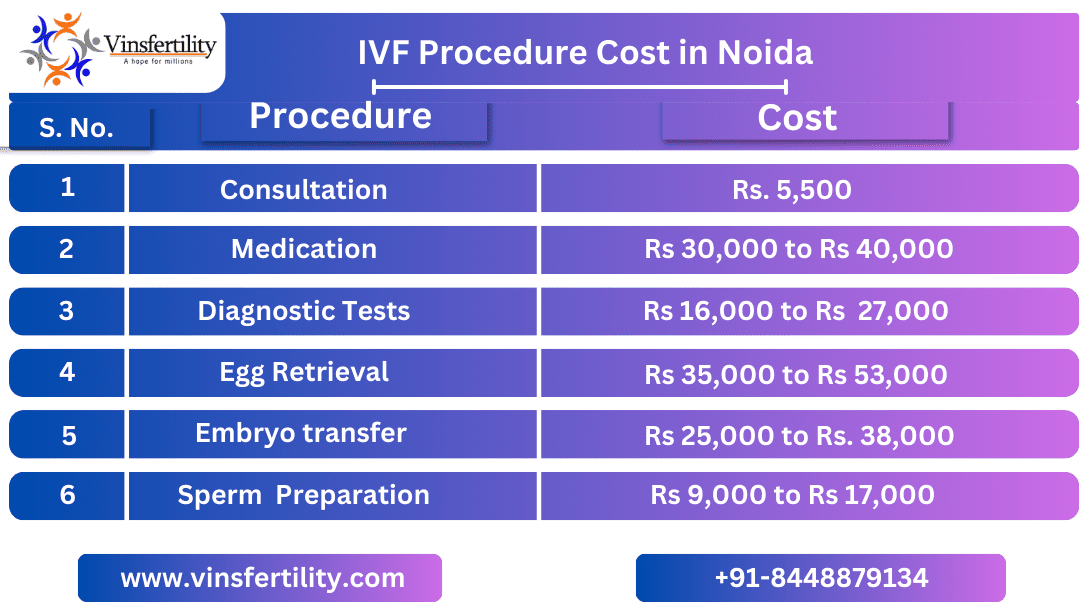
Full IVF Cost Breakdown in Chilakaluripet: Every Line Item Explained
| Item | Estimated Range (₹) | Notes |
|---|---|---|
| Initial Consultation | 1,000–3,000 | First meeting with a fertility specialist, comprehensive medical history review, basic counselling, and discussion of potential treatment pathways. |
| Diagnostic Tests (Female) | 8,000–20,000 | Includes essential hormone assays (e.g., AMH, FSH, LH, Estradiol, Prolactin, Thyroid Panel), infection screenings (HIV, HBsAg, HCV, VDRL), complete blood count (CBC), and blood grouping. |
| Diagnostic Tests (Male) | 3,000–8,000 | Involves a detailed semen analysis (evaluating sperm count, motility, and morphology), and may include hormonal tests or infection screenings if medically indicated. |
| Ultrasound Monitoring | 5,000–15,000 | Multiple transvaginal ultrasounds performed throughout the ovarian stimulation phase to track the growth and number of follicles, as well as the thickness and quality of the endometrial lining. |
| Ovarian Stimulation Drugs | 40,000–1,20,000 | The cost varies significantly based on the patient's age, ovarian reserve (e.g., AMH levels), the chosen treatment protocol (e.g., antagonist, long agonist), the required dosage, and the specific brand of medications (gonadotropins, GnRH agonists/antagonists). |
| Egg Retrieval | 30,000–60,000 | A minor surgical procedure performed under light anesthesia to collect mature eggs from the ovaries. This cost typically includes anaesthesiologist fees, theatre charges, and immediate post-procedure care. |
| Sperm Preparation | 5,000–10,000 | A laboratory process to wash and concentrate the semen sample, isolating healthy, motile sperm for optimal fertilisation. |
| Fertilisation (Standard IVF) | Included in base cycle | The process where prepared sperm and retrieved eggs are combined in a culture dish to allow for natural fertilisation. |
| ICSI (Intracytoplasmic Sperm Injection) | 20,000–40,000 | An advanced laboratory technique where a single, healthy sperm is microinjected directly into each mature egg. It is typically recommended for severe male factor infertility or previous fertilisation failure. |
| Embryo Culture (Day 3) | Included in base cycle | Monitoring and nurturing of fertilised eggs (embryos) in a specialised laboratory incubator for up to 3 days, observing their development. |
| Blastocyst Culture (Extended Embryo Culture to Day 5/6) | 10,000–25,000 | Extending the embryo culture period to the blastocyst stage (Day 5 or 6) allows for the selection of more robust and viable embryos, which can potentially lead to higher implantation rates. |
| Embryo Transfer | 25,000–45,000 | The delicate procedure of carefully placing one or more selected embryo(s) into the woman's uterus, usually guided by ultrasound. |
| Embryo Freezing (Cryopreservation) | 15,000–30,000 | Preservation of good quality surplus embryos for future use, eliminating the need for another full ovarian stimulation and egg retrieval cycle if more attempts are desired. |
| Embryo Storage (Annual) | 8,000–15,000 | A yearly fee for the cryostorage and maintenance of frozen embryos in a specialised facility. |
| Frozen Embryo Transfer (FET) Cycle | 40,000–75,000 | A separate treatment cycle involving the thawing of previously frozen embryos and their transfer to the uterus, including preparation medications and monitoring. |
| Preimplantation Genetic Testing (PGT-A/SR/M) | 60,000–1,50,000 (plus per embryo biopsy fee) | Genetic screening of embryos for chromosomal abnormalities (PGT-A), structural rearrangements (PGT-SR), or specific single gene disorders (PGT-M) prior to embryo transfer. The cost can vary based on the number of embryos tested. |
Hidden Costs Most Clinics Don’t Advertise Upfront
- Advanced diagnostic tests: These may include karyotyping (chromosomal analysis), hysteroscopy (uterine cavity examination), endometrial receptivity analysis (ERA), or sperm DNA fragmentation index, which are often recommended for specific cases.
- Post-transfer medications: Essential drugs like progesterone, estrogen, and other luteal phase support medications are crucial after embryo transfer but can be an additional expense.
- Anesthesia for additional minor procedures: If procedures like a diagnostic hysteroscopy or a mock embryo transfer are needed, separate anesthesia charges might apply.
- Assisted Hatching (AH): A laboratory technique where a small opening is made in the outer shell of the embryo to potentially aid implantation.
- Testicular Sperm Extraction (TESE) or Percutaneous Epididymal Sperm Aspiration (PESA): Surgical sperm retrieval procedures required if the male partner has severe issues with sperm production or blockage.
- Semen freezing for backup: If there's a risk the male partner might not be available or able to produce a sample on egg retrieval day, freezing a sample beforehand incurs a separate cost.
- Extended counselling sessions: Beyond the initial consultation, additional psychological support or counselling sessions may incur extra fees.
- Donor sourcing, legal, and screening fees: If using donor gametes (eggs or sperm) or donor embryos, there are significant costs associated with donor selection, medical screening, and legal agreements.
- Emergency management costs: This includes any unforeseen medical complications during or after treatment, such as hospitalisation for Ovarian Hyperstimulation Syndrome (OHSS).
Medication Cost Swing (₹40,000–₹1,20,000+) Based on Age and Ovarian Response
The cost of medications, primarily gonadotropins used for ovarian stimulation, can vary significantly among individuals undergoing IVF. This fluctuation is largely influenced by several key factors:
- Age: Older women often require higher doses of stimulating hormones to achieve adequate follicle growth and egg yield, leading to increased medication expenses.
- Ovarian Reserve: A woman's Antral Follicle Count (AFC) and Anti-Müllerian Hormone (AMH) levels indicate her ovarian reserve. Those with lower reserve may need more aggressive stimulation protocols.
- Ovarian Response: How an individual's ovaries respond to the initial doses of medication dictates subsequent adjustments. Poor responders may require higher doses, while those at risk of Ovarian Hyperstimulation Syndrome (OHSS) might need milder protocols.
- Treatment Protocol: Different IVF protocols (e.g., antagonist, long agonist, short agonist, mild stimulation) utilise varying types and quantities of drugs.
- Drug Brand and Type: The choice between generic and branded medications, as well as specific types of gonadotropins (e.g., recombinant FSH, highly purified HMG), can impact the overall cost.
It's crucial for patients to have a clear understanding of their medication plan and its potential costs. Discussing these details with your fertility specialist is essential. For more detailed insights into IVF costs across various regions, you can refer to our guide on IVF Cost in Hyderabad.
According to the Mayo Clinic, fertility medications are a cornerstone of IVF treatment, designed to stimulate egg production and prepare the uterus for pregnancy.
IVF Cost by Treatment Type: IVF vs ICSI vs Mini-IVF
| Procedure | Estimated Price Range (₹) | Best Suited For |
|---|---|---|
| Conventional IVF | 1,25,000–2,50,000 | Couples facing unexplained infertility, mild male factor infertility, tubal blockage, or ovulatory disorders, where sperm can naturally fertilise eggs in a lab dish. |
| IVF with ICSI | 1,55,000–2,90,000 | Primarily recommended for severe male factor infertility (e.g., very low sperm count, poor motility, abnormal morphology), previous fertilisation failure with conventional IVF, or when using surgically retrieved or frozen sperm. |
| Mini-IVF (Mild Stimulation IVF) | 90,000–1,80,000 | Women with good ovarian reserve, those at a higher risk of Ovarian Hyperstimulation Syndrome (OHSS), or individuals seeking a less intensive and more natural approach to ovarian stimulation with fewer medications. |
| IVF with Donor Eggs | 2,80,000–5,50,000 | Women with diminished ovarian reserve, premature ovarian failure, certain genetic conditions, or those who have experienced repeated IVF failures with their own eggs. |
| IVF with Donor Sperm | 1,80,000–3,50,000 | Single women, same-sex female couples, or couples where the male partner has severe male factor infertility, azoospermia (absence of sperm), or a transmissible genetic condition. |
When ICSI is Medically Justified vs. Potentially Upsold
Intracytoplasmic Sperm Injection (ICSI) is a highly effective procedure, but its application should be based on clear medical indications. It is medically justified in several scenarios:
- Severe Male Factor Infertility: This includes conditions such as very low sperm count (oligozoospermia), poor sperm motility (asthenozoospermia), or abnormal sperm morphology (teratozoospermia).
- Previous Fertilisation Failure: If conventional IVF attempts have resulted in low or no fertilisation, ICSI can significantly improve outcomes.
- Surgically Retrieved Sperm: When sperm is obtained through procedures like Testicular Sperm Extraction (TESE) or Percutaneous Epididymal Sperm Aspiration (PESA) due to obstructive azoospermia.
- Using Frozen Sperm: ICSI can be beneficial when using frozen sperm, especially if the sample quality is compromised after thawing.
- Preimplantation Genetic Testing (PGT): ICSI is often recommended to prevent contamination of the embryo with extraneous sperm, which could interfere with genetic testing results.
However, if ICSI is recommended without a clear male-factor indication or a history of fertilisation issues, couples should engage in a thorough discussion with their fertility specialist. It's important to understand the specific reasons for its recommendation, as some clinics may offer it routinely as an add-on, potentially increasing the overall cost without a clear medical benefit for every patient. The Mayo Clinic provides further information on ICSI and its indications.
Cost of Donor Egg, Donor Sperm, and Donor Embryo Cycles
For couples facing specific fertility challenges, using donor gametes (sperm or eggs) or donor embryos can be a viable path to parenthood. These options typically add to the base IVF cost due to factors such as donor screening, compensation for donors, and additional laboratory procedures.
- Donor Sperm Cycle: This option is generally considered for cases of severe male factor infertility, for single women, or for same-sex female couples. It usually adds about ₹15,000–₹40,000 to the base IVF cost, covering donor screening, sperm preparation, and storage.
- Donor Egg Cycle: Utilized when a woman's own eggs are not viable (e.g., due to advanced maternal age, premature ovarian insufficiency, or the risk of passing on certain genetic conditions). The total cost typically ranges from ₹2,50,000–₹4,00,000, depending on the chosen package, donor profile, and the number of eggs retrieved from the donor. Learn more about donor egg IVF from Mayo Clinic.
- Donor Embryo Cycle: This involves using embryos created from both donor sperm and donor eggs. It is often chosen when both partners have significant fertility issues or wish to avoid transmitting genetic conditions. Costs for this option are commonly in the range of ₹2,80,000–₹4,50,000, encompassing donor screening, embryo creation, and the transfer procedure.
It is crucial that donor gametes and embryos are always sourced through registered Assisted Reproductive Technology (ART) banks. These banks adhere strictly to the ART and Surrogacy Regulations, 2021 (India), ensuring comprehensive medical and genetic screening of donors, ethical practices, and the safety of both recipients and any resulting offspring.
Add-On Procedure Costs: PGT, Laser Hatching, Blastocyst, FET
Beyond the standard IVF cycle, several advanced add-on procedures can potentially enhance the chances of success, particularly for specific medical indications. Understanding their individual costs and potential benefits is essential for informed decision-making during your fertility journey.
PGT-A / PGT-M Pricing Per Embryo
Preimplantation Genetic Testing (PGT) allows for genetic screening of embryos before they are transferred into the uterus, helping to select the healthiest embryos. This can be particularly beneficial for couples experiencing recurrent miscarriages, multiple failed IVF cycles, advanced maternal age, or those with known genetic conditions. The American College of Obstetricians and Gynecologists (ACOG) provides detailed information on PGT.
- PGT-A (Aneuploidy): This test screens embryos for chromosomal abnormalities (e.g., missing or extra chromosomes), which are a common cause of implantation failure and miscarriage.
- PGT-M (Monogenic/Single Gene Disorders): This test screens for specific genetic disorders (e.g., cystic fibrosis, sickle cell anemia) when one or both parents are known carriers of such conditions.
Costs for PGT are usually around ₹25,000–₹50,000 per embryo, in addition to biopsy and specialized lab fees. The total cost will therefore depend on the number of embryos tested.
Frozen Embryo Transfer (FET) Cost vs. Fresh Transfer
A Frozen Embryo Transfer (FET) involves thawing previously frozen embryos and then transferring them into the uterus. This procedure is often favored as it allows the woman's uterus to recover from the ovarian stimulation phase of IVF, potentially leading to a more receptive endometrial lining. It also offers greater flexibility and is commonly used for subsequent transfers if the fresh cycle is unsuccessful, or if couples wish to have more children in the future.
FET typically costs ₹30,000–₹70,000 and covers the thawing process, preparation of the uterine lining (endometrial preparation), and the embryo transfer procedure itself. It is generally less expensive than a fresh IVF cycle because it does not include the costs associated with ovarian stimulation medications or the egg retrieval procedure. The NHS offers guidance on the steps involved in IVF, including embryo transfer.
ERA, Embryo Glue, and Time-Lapse Imaging Charges
These specialized add-on procedures are utilized in specific circumstances to potentially improve implantation rates or enhance embryo selection.
- Endometrial Receptivity Analysis (ERA): ₹35,000–₹60,000. This diagnostic test assesses the optimal window for embryo transfer by analyzing a biopsy of the uterine lining. It is typically recommended for patients who have experienced recurrent implantation failure despite transferring high-quality embryos. Research on ERA can be found on NCBI.
- Embryo Glue: ₹10,000–₹20,000. This is a special culture medium enriched with hyaluronan, a substance naturally found in the uterus, which is believed to help the embryo attach to the uterine wall. It is used during embryo transfer to potentially enhance implantation.
- Time-Lapse Embryo Imaging: ₹20,000–₹40,000. This advanced technology allows embryologists to continuously monitor embryo development without removing them from the incubator. This provides detailed insights into embryo morphology and developmental kinetics, potentially aiding in the selection of the most viable embryos for transfer.
Low-Cost IVF in Chilakaluripet: How to Genuinely Reduce Your Bill
Navigating the costs of IVF can be a significant concern, but there are several strategies to explore for managing expenses effectively without compromising on the quality of care received.
- Compare Centres and Cities: Researching and comparing different fertility clinics, not just within Chilakaluripet but also in nearby cities like Guntur, Hyderabad, or Bangalore, can reveal variations in pricing. Some clinics in larger cities or those with different operational models may have lower treatment overheads while maintaining excellent lab standards and success rates. Consider IVF costs in Hyderabad or explore options in Bangalore.
- Government or Trust-Run Hospitals: Teaching hospitals and charitable institutions sometimes offer subsidised IVF treatments. While these options might come with longer waiting lists, they can significantly reduce the financial burden for eligible patients.
- EMI and Financing Options: Many fertility centres and financial institutions offer Equated Monthly Installment (EMI) plans or specialized fertility loans. These options allow you to spread the cost of treatment over an extended period. Always review the interest rates, processing fees, and all terms and conditions in writing before committing to any financing plan.
- Multi-Cycle Packages: Some clinics provide discounted packages for multiple IVF attempts, which can be cost-effective if more than one cycle is anticipated. It's crucial to clarify what constitutes one “cycle” within the package, the included services, and the refund policies for unused cycles.
- Transparent Billing and Cost Breakdown: Always request a detailed, itemized cost breakdown from your chosen clinic. Understand what is included in the base package and what constitutes an additional charge. This transparency helps avoid unexpected expenses and allows for better financial planning.
Low Cost Surrogacy Centres in Chilakaluripet
At Vinsfertility, we believe that adding value transforms something ordinary into extraordinary. We treat your dream as our own, making it our highest priority to help you move closer to parenthood. Below is a curated list of patient‑focused, cost‑efficient IVF centres that serve couples from Chilakaluripet and surrounding regions.
How this list was compiled: The costs, patient ratings, and success rates provided below are indicative figures shared by each centre and thoroughly reviewed by the Vinsfertility editorial team. These figures are subject to change and should always be confirmed directly with the clinic before booking any appointments or treatments. For your convenience, appointment enquiries for all listed centres can be routed through the Vinsfertility patient‑concierge line, where our dedicated team can help you compare options and understand the full scope of services before you commit to a centre.
What Does "Low-Cost IVF" Mean?
When we refer to "low-cost IVF," we are highlighting centres that strive to make fertility treatments more accessible without compromising on quality or success rates. This typically involves transparent pricing, efficient use of resources, and sometimes more streamlined treatment protocols. It's important to understand that "low-cost" does not mean "cheap" or inferior; rather, it indicates a commitment to affordability, often by optimizing operational expenses and offering well-structured packages. For a broader understanding of IVF treatment costs, please refer to our detailed guide. However, the final cost can still vary significantly based on individual medical needs, required medications, and any advanced procedures.
| Centre | Google Rating | Estimated IVF Cost | Location |
|---|---|---|---|
| Nova IVF Fertility | 4.5/5.0 | ₹1,65,000 – ₹2,50,000 | Guntur |
| Sudha Fertility Centre | 4.4/5.0 | ₹1,30,000 – ₹2,10,000 | Chilakaluripet |
| Seeds of Innocence IVF & Fertility Centre | 4.4/5.0 | ₹1,80,000 – ₹2,60,000 | Vijayawada |
| Oasis Fertility | 4.6/5.0 | ₹1,70,000 – ₹2,40,000 | Vijayawada |
| Vinsfertility Partner Clinic | 4.3/5.0 | ₹1,40,000 – ₹2,20,000 | Andhra Pradesh |
Nova IVF Fertility, Guntur
Nova IVF Fertility stands out as a leading fertility centre conveniently located near Chilakaluripet, offering a comprehensive suite of advanced reproductive services. These include In Vitro Fertilization (IVF), Intracytoplasmic Sperm Injection (ICSI), Intrauterine Insemination (IUI), fertility preservation, and specialized treatments for male infertility. The centre is known for its adherence to standardized laboratory protocols, robust embryology support, and a patient-centric approach, ensuring personalized fertility care for every couple seeking assisted reproductive treatment.
| Address | Syamala Nagar, Guntur, Andhra Pradesh |
| Doctors | The centre is supported by a team of experienced and highly qualified fertility specialists. |
| Google Rating | 4.5/5.0 |
| Estimated IVF Cost* | ₹1,65,000 – ₹2,50,000 |
| Estimated IUI Cost* | ₹18,000 – ₹28,000 |
| Estimated Surrogacy Cost* | ₹17,00,000 – ₹21,00,000 |
| Success Rate | 65% – 70%* |
Sudha Fertility Centre, Chilakaluripet
Sudha Fertility Centre is a highly accessible option for couples residing in Chilakaluripet and nearby towns, offering comprehensive fertility consultation and advanced reproductive medicine services. Their offerings include IVF, ICSI, IUI, embryo freezing, and thorough male infertility evaluation. This centre is committed to providing effective and compassionate care, making it a preferred choice for local residents seeking fertility solutions.
| Address | Sri Krishna Hospital Adda Road Centre, Near NH-16, Chilakaluripet, Andhra Pradesh 522616 |
| Doctors | The centre features a dedicated team of fertility specialists committed to patient care. |
| Google Rating | 4.4/5.0 |
| Estimated IVF Cost* | ₹1,30,000 – ₹2,10,000 |
| Estimated IUI Cost* | ₹15,000 – ₹22,000 |
| Estimated Surrogacy Cost* | ₹15,50,000 – ₹18,50,000 |
| Success Rate | 60% – 68%* |
Seeds of Innocence IVF & Fertility Centre, Vijayawada
Seeds of Innocence offers a wide array of advanced reproductive treatments, including IVF, ICSI, various donor programs, and fertility preservation services. Many couples from Chilakaluripet choose this centre due to its team of experienced fertility specialists and its state-of-the-art IVF laboratory. The centre focuses on utilizing modern technology to achieve optimal outcomes for its patients.
| Address | Vijayawada, Andhra Pradesh |
| Doctors | This centre is staffed by highly experienced fertility specialists. |
| Google Rating | 4.4/5.0 |
| Estimated IVF Cost* | ₹1,80,000 – ₹2,60,000 |
| Estimated IUI Cost* | ₹20,000 – ₹28,000 |
| Estimated Surrogacy Cost* | ₹17,00,000 – ₹21,00,000 |
| Success Rate | 65% – 70%* |
Oasis Fertility, Vijayawada
Oasis Fertility is renowned for providing advanced infertility diagnosis and personalized treatment options. Their services include IVF, ICSI, fertility preservation, comprehensive donor treatment programs, and high-quality embryology services. The centre is committed to delivering individualized treatment plans and utilizing the latest reproductive technologies to help couples achieve their dream of parenthood.
| Address | Vijayawada, Andhra Pradesh |
| Doctors | A team of dedicated fertility specialists leads the treatments at Oasis Fertility Vijayawada. |
| Google Rating | 4.6/5.0 |
| Estimated IVF Cost* | ₹1,70,000 – ₹2,40,000 |
| Estimated IUI Cost* | ₹18,000 – ₹25,000 |
| Estimated Surrogacy Cost* | ₹16,50,000 – ₹19,50,000 |
| Success Rate | 65% – 72%* |
Vinsfertility Partner Clinic, Andhra Pradesh
Vinsfertility connects couples with experienced fertility specialists across its extensive partner clinic network throughout Andhra Pradesh. This network offers a range of services, including IVF, ICSI, donor egg IVF, embryo freezing, and comprehensive fertility counselling. Patients benefit from customized treatment plans developed with transparent pricing. Our partner clinics are dedicated to supporting you at every step of your fertility journey, ensuring access to quality care.
| Address | Andhra Pradesh Partner Network |
| Doctors | The Vinsfertility Partner Network includes a vast pool of experienced IVF specialists. |
| Google Rating | 4.3/5.0 |
| Estimated IVF Cost* | ₹1,40,000 – ₹2,20,000 |
| Estimated IUI Cost* | ₹16,000 – ₹22,000 |
| Estimated Surrogacy Cost* | ₹15,50,000 – ₹18,50,000 |
| Success Rate | 60% – 68%* |
*Disclaimer: Treatment costs, success rates, and ratings are approximate and may vary significantly. These variations depend on several factors, including the patient's age, specific infertility diagnosis, required medications, advanced laboratory procedures (e.g., genetic testing, blastocyst culture), and any additional fertility treatments or add-ons. The initial consultation fee is usually separate from the treatment package. For the most accurate and up-to-date pricing, success rates, and detailed consultation information, please contact the respective fertility centre directly. Please note that no medical procedure guarantees a specific outcome.
Why IVF Costs Vary Across Clinics That Serve Chilakaluripet
Understanding the factors that influence IVF costs is crucial for financial planning. Several elements contribute to the variations in pricing among fertility clinics serving the Chilakaluripet region:
- Location-specific pricing: Clinics situated in major metropolitan areas or prime urban localities typically incur higher operational overheads, including rent, infrastructure maintenance, and staff salaries. Consequently, their service fees tend to be higher compared to centres located in smaller towns or less central areas, which may offer more affordable options. For instance, IVF costs in Hyderabad might differ significantly from those in Chilakaluripet.
- Standalone vs. hospital-attached: Standalone fertility clinics often have a focused operational model, which can allow for more flexible and potentially competitive pricing for basic IVF cycles. In contrast, hospital-attached Assisted Reproductive Technology (ART) units provide integrated care, offering immediate access to broader medical facilities and specialists. While this can be advantageous for managing complex cases or concurrent health issues, it often results in higher overall costs due to increased overheads and comprehensive support services.
- Embryologist expertise and lab quality: The quality of the embryology laboratory is a cornerstone of successful IVF treatment. Labs that are ISO-certified and equipped with advanced technology (e.g., time-lapse incubators, sophisticated micromanipulation tools), along with a team of highly qualified and experienced embryologists, tend to achieve better embryo development and higher success rates. These specialized resources and expert personnel contribute significantly to the clinic's fees. The quality of the embryology laboratory is a critical factor in IVF outcomes, as highlighted by research on ART success rates.
Additional Factors Influencing IVF Costs
Beyond clinic infrastructure, other aspects directly impact the total expenditure for an IVF cycle:
- Complexity of Treatment: The need for specialized procedures such as Intracytoplasmic Sperm Injection (ICSI), Preimplantation Genetic Testing (PGT), or the use of donor gametes (sperm or eggs) significantly increases the overall cost. These advanced techniques require additional lab work, expertise, and resources.
- Medication Protocols: The type, dosage, and duration of fertility medications (e.g., gonadotropins for ovarian stimulation) prescribed vary widely based on individual patient response, age, and specific treatment protocol. Medication costs constitute a substantial portion of the total IVF expense.
- Number of Cycles: While many couples achieve success in their first IVF cycle, some may require multiple attempts. Each additional cycle naturally incurs further expenditure, including medication, lab fees, and procedural costs.
- Ancillary Procedures: Services not typically included in a basic IVF package, such as embryo freezing (cryopreservation) for future use, assisted hatching, or endometrial receptivity analysis (ERA), add to the overall cost. It's essential to clarify which services are included in a package and which are considered add-ons.
How to Choose a Premier Fertility Clinic
Selecting the right fertility clinic is a pivotal decision on your path to parenthood. Consider these key aspects to ensure you choose a reputable and effective centre:
| What to Verify | What to Check | Why It Matters |
|---|---|---|
| ART Act, 2021 registration | Clinic/centre registered as per the Assisted Reproductive Technology (Regulation) Act, 2021 | Ensures patient safety, ethical practice, and adherence to national legal and regulatory standards for fertility treatments in India. |
| National ART Registry listing | Centre listed on the National ART & Surrogacy Registry | Confirms legitimate registration status and compliance with government oversight, providing an additional layer of trustworthiness. |
| Embryology lab standards | Lab certifications (e.g., ISO), quality of equipment, and sterility protocols | Directly impacts the quality of egg fertilization, embryo development, and overall success rates of the IVF procedure. |
| Live-birth rate transparency | Clinic shares age-specific live-birth rates, not just pregnancy rates | Provides realistic outcome expectations, as live-birth rates are the most accurate measure of success. The Centers for Disease Control and Prevention (CDC) emphasizes live-birth rates as a key indicator of IVF success. |
| Andrology setup | Availability of proper male fertility diagnostics and advanced sperm processing techniques | Critical for accurately diagnosing and effectively treating male factor infertility cases, which account for a significant portion of fertility challenges. |
| Counsellor availability | Access to experienced psychological support and counselling services | Helps couples cope with the emotional stress, anxiety, and psychological aspects often associated with fertility treatment journeys. |
| Fertility Specialist's Experience | Doctor's qualifications, specialization in reproductive medicine, years of experience, and patient success stories | An experienced fertility specialist can accurately diagnose complex cases, tailor effective treatment plans, and skillfully manage potential complications. |
| Patient Support and Communication | Availability of dedicated patient coordinators, clear communication channels, and responsiveness to queries | A supportive and transparent clinic environment helps reduce stress, ensures patients are well-informed, and fosters trust throughout their treatment journey. |
Red Flags to Watch Out For
Be cautious and seek a second opinion if you encounter any of the following:
- Guaranteed pregnancy claims — No IVF treatment can be 100% guaranteed due to the complex biological processes involved. Clinics making such promises are often misleading patients. The American College of Obstetricians and Gynecologists (ACOG) states that IVF success rates vary and are not guaranteed.
- Opaque billing, vague “package deals”, or unexpected mid-treatment charges — A reputable clinic will provide a clear, itemized cost breakdown upfront, detailing all potential expenses. Lack of transparency in pricing is a significant warning sign. For a detailed breakdown of IVF treatment costs, refer to comprehensive guides.
- Unregistered centres not listed on relevant ART and fertility registries — Clinics that are not registered with the appropriate national or state regulatory bodies may not adhere to mandated safety standards, ethical guidelines, or legal requirements, compromising patient safety and treatment quality.
Questions to Ask Before Signing Consent and Payment Forms
Before committing to an IVF clinic, ensure you have a comprehensive understanding of the treatment plan, costs, and clinic policies. Ask these crucial questions:
- Request a detailed, itemised cost breakdown that covers all potential charges, including medication, lab fees, freezing, and any additional procedures. Clarify policies for cancelled cycles or subsequent attempts.
- Ask for clinic-specific live-birth rates for your age group and diagnosis. This provides a realistic expectation of outcomes tailored to your specific situation, rather than general clinic averages.
- Inquire about the embryology lab's credentials and the qualifications and experience of the embryologists. Understanding the expertise behind the lab processes is vital for successful embryo development.
- Clarify embryo storage, disposal, and annual fee policies. These long-term considerations are important for future family planning and financial budgeting.
- Confirm the availability of counselling and psychological support services. Fertility treatment can be emotionally challenging, and access to professional support is crucial for mental well-being.
- Understand emergency protocols, such as how the clinic handles potential complications like Ovarian Hyperstimulation Syndrome (OHSS) or other adverse reactions. The NHS provides information on potential risks of IVF, including OHSS, which patients should be aware of.
- If applicable, verify donor gamete sourcing and screening compliance with the ART Act, 2021. Ensure the clinic adheres to strict legal and ethical guidelines for donor screening, consent, and anonymity to protect all parties involved.
- What are the clinic's policies regarding unused embryos or gametes? Understand your options for long-term storage, donation, or disposal of any remaining embryos or gametes after your treatment.
- How does the clinic communicate treatment progress and results? Clarify the frequency and method of communication (e.g., phone calls, online portal) regarding test results, embryo development, and next steps.
Frequently Asked Questions
What is the estimated cost of IVF in Chilakaluripet for 2026?
In Chilakaluripet for 2026, the estimated cost for a single In Vitro Fertilization (IVF) cycle typically ranges from ₹1,25,000 to ₹1,75,000. This base price usually covers initial consultation, basic ovarian stimulation monitoring, egg retrieval, sperm preparation, standard fertilisation, and embryo culture. However, factors like specific medication needs or advanced diagnostic tests can influence the total expenditure.
What factors can increase the total IVF cost beyond the base package in Chilakaluripet?
The total IVF cost in Chilakaluripet can increase due to several factors not included in the base package. These often involve advanced laboratory add-ons like ICSI (Intracytoplasmic Sperm Injection), preimplantation genetic testing (PGT), or the use of donor sperm or eggs. The World Health Organization (WHO) outlines various assisted reproductive technologies that can be integral to treatment, each potentially adding to the overall cost.
How does the IVF cost in Chilakaluripet compare to nearby cities like Guntur?
The average IVF cost in Chilakaluripet for 2026, ranging from ₹1,25,000 to ₹1,75,000, is comparable to prices in nearby cities like Guntur, which typically range from ₹80,000 to ₹1,75,000 per cycle. While base costs can be similar, the overall expenditure may vary based on clinic infrastructure, specialist expertise, and the specific advanced services available or required in each location.
Is IVF treatment legally regulated in Chilakaluripet and across India?
Yes, IVF treatment in Chilakaluripet and throughout India is legally regulated under the Assisted Reproductive Technology (Regulation) Act, 2021. This Act ensures ethical practices, sets standards for ART clinics, and protects the rights of patients and gamete donors. All ART clinics must be registered and comply with these national guidelines, as detailed on the National ART and Surrogacy Portal.
What are the eligibility criteria for undergoing IVF treatment in Chilakaluripet?
Eligibility for IVF treatment in Chilakaluripet, as per the ART (Regulation) Act, 2021, generally requires a woman to be between 21 and 50 years of age and a man between 21 and 55 years. The treatment is typically offered to infertile couples or women seeking to have a child through ART. Specific medical evaluations by a qualified doctor are necessary to determine individual suitability and appropriate treatment protocols, as regulated by the National ART and Surrogacy Portal.
How can I choose a genuine and registered IVF clinic in Chilakaluripet?
When choosing an IVF clinic in Chilakaluripet, ensure it is registered under the Assisted Reproductive Technology (Regulation) Act, 2021, which signifies compliance with national standards. You can verify clinic registration through the National ART and Surrogacy Portal. Additionally, consider the qualifications of the IVF specialists and embryologists, the quality of the clinic's laboratory, and patient reviews to make an informed decision.
Sources & References
- The Surrogacy (Regulation) Act, 2021 — Government of India
- Indian Council of Medical Research (ICMR) — National ART & Surrogacy Registry
- NABL — National Accreditation Board for Testing and Calibration Laboratories
- World Health Organization (WHO) — Infertility clinical guidance
- PubMed — Peer-reviewed fertility research (NIH/NLM)
All external sources link to primary government, medical, or peer-reviewed material. This article is reviewed by a qualified fertility specialist and updated as clinical guidance changes.