IVF Cost in Bikaner 2026 | Full Price Breakdown & Clinics
At a Glance: IVF Cost in Bikaner 2026
- The estimated cost for a single standard IVF cycle in Bikaner typically ranges from ₹90,000 to ₹2,10,000.
- This cost is highly influenced by individual treatment protocols, specific medications, and advanced procedures like ICSI or PGT.
- Bikaner offers mid-range IVF costs compared to larger metropolitan cities, serving patients from surrounding areas.
- A "base cycle" generally includes initial consultation, ovarian stimulation monitoring, egg retrieval, sperm preparation, standard fertilization, embryo culture, and embryo transfer.
- Common exclusions from the base price include fertility medications (an additional ₹40,000–₹1,00,000+), embryo freezing, and advanced techniques or donor services.
- Always request a detailed, itemized cost breakdown and ensure the clinic is registered under the ART Act, 2021.
What Does IVF Cost in Bikaner in 2026?
In Vitro Fertilization (IVF) is a sophisticated fertility treatment that helps couples conceive by fertilizing an egg with sperm outside the body in a laboratory setting. For couples considering IVF in Bikaner, Rajasthan, for 2026, the estimated cost for a single standard IVF cycle typically ranges from ₹90,000 to ₹2,10,000. This range can fluctuate significantly based on individual treatment protocols, the specific medications required, and any additional advanced procedures, such as Intracytoplasmic Sperm Injection (ICSI) or Preimplantation Genetic Testing (PGT).
Bikaner, often called the "Camel Country" and a vital hub in the Thar Desert region, is developing its fertility care infrastructure. While it has a smaller network of dedicated fertility clinics compared to larger cities like Jaipur or Jodhpur, it serves patients from surrounding areas like Sri Ganganagar, Churu, Nagaur, and Hanumangarh. Some patients may still travel to larger cities for a wider selection of specialists or more advanced facilities. This guide from Vinsfertility aims to clarify the expected expenses for IVF in Bikaner and the various factors that influence these costs. It's important to remember that these figures are estimates, and a personalized consultation with a fertility specialist is crucial for an accurate cost assessment. The World Health Organization (WHO) defines infertility as a disease of the male or female reproductive system, which is why treatments like IVF are essential for many.
Why Bikaner IVF Costs Sit in the Mid-Range of India's Price Band
Bikaner, renowned for its historical forts, havelis, and ancient trade routes, offers a more accessible and often mid-range cost for IVF compared to metropolitan hubs. While it has fewer dedicated Assisted Reproductive Technology (ART) centres than Jaipur or Jodhpur, the presence of established local hospitals and branches of national fertility chains provides meaningful options, reducing the need for patients to travel extensively.
- Regional Infrastructure and Accessibility: Bikaner's growing healthcare infrastructure, though smaller, provides local access to fertility treatments. This convenience reduces the logistical burden and travel costs for patients from Bikaner and nearby districts, contributing to its mid-range pricing. Clinics aim to provide quality care at a more localized cost point.
- Technology and Lab Quality: The cost of IVF is significantly influenced by the level of technology and the quality of the embryology lab. Centres that invest in state-of-the-art equipment—such as advanced incubators, specialized culture media, and time-lapse imaging systems—and maintain stringent quality control standards will typically have higher operational costs, which reflect in their pricing. These investments are crucial for optimizing embryo development and improving success rates.
- Doctor Expertise and Team Size: The experience and reputation of the IVF specialists, gynecologists, and the dedicated embryology team play a crucial role in treatment success and cost. Highly skilled and experienced professionals, along with a comprehensive support staff, contribute to the overall professional fees. Their expertise is vital for tailored treatment plans and successful outcomes.
- Regulatory Compliance: Compliance with the Assisted Reproductive Technology (Regulation) Act, 2021, and its subsequent rules, is mandatory for all registered ART centres in India. This involves significant investment in specialized equipment, trained personnel, ethical oversight, and maintaining high standards of patient safety and care. These regulatory requirements ensure quality but also contribute to the overall operational costs of a clinic.
- Medication Protocols and Dosage: The type, brand, and dosage of fertility medications (hormone injections, oral medications) required for ovarian stimulation are a major variable in the total IVF cost. These protocols are highly individualized based on a woman's age, ovarian reserve, and medical history. Higher dosages or specific advanced medications can significantly increase the overall expense.
- Number of Cycles Required: While the cost is often quoted per cycle, many patients may require more than one IVF cycle to achieve a successful pregnancy. The cumulative cost increases with each additional cycle undertaken. Factors like age, cause of infertility, and response to initial treatment influence the number of cycles needed.
What a "Base Cycle" Price Does and Does Not Include
Understanding what is covered in the quoted "base cycle" price for IVF is essential to avoid unexpected expenses. Here’s a breakdown of typical inclusions and exclusions:
Included in a Typical Base IVF Cycle
- Initial Consultation and Medical History Review: This typically covers the first meeting with the fertility specialist to discuss medical history, assess eligibility, and outline a preliminary treatment plan.
- Basic Ovarian Stimulation Monitoring: Includes regular transvaginal ultrasounds and hormone blood tests (like E2 and LH levels) to monitor follicle growth and determine the optimal time for egg retrieval. This monitoring is crucial for safety and effectiveness.
- Egg Retrieval Procedure: A minor surgical procedure performed under light anesthesia to collect mature eggs from the ovaries. This usually includes basic theatre charges and anesthesia fees.
- Sperm Preparation: Laboratory processing of the male partner's sperm sample to select the healthiest and most motile sperm for fertilization.
- Standard Fertilisation (IVF) in the Lab: The process where prepared sperm and retrieved eggs are combined in a petri dish to allow natural fertilization to occur.
- Embryo Culture: The process of growing the fertilized eggs (embryos) in specialized incubators in the laboratory for several days (typically 3 to 5 days) to assess their development before transfer.
- Embryo Transfer into the Uterus: The final step where the selected embryo(s) are carefully transferred into the woman's uterus using a thin catheter, aiming for implantation.
Common Exclusions from a Base IVF Cycle
These are common add-ons or separate costs that can significantly increase the total expense:
- Hormone Medications and Injections: The cost of fertility drugs, which stimulate the ovaries to produce multiple eggs, is a major variable. This can range from ₹40,000 to ₹1,00,000+ per cycle, depending on the specific protocol, drug brand, dosage, and duration of treatment tailored to the individual's needs.
- Advanced Fertilisation Techniques: Procedures like Intracytoplasmic Sperm Injection (ICSI), Intracytoplasmic Morphologically Selected Sperm Injection (IMSI), or Physiological ICSI (PICSI) are often necessary for cases of severe male factor infertility, previous fertilization failure, or unexplained infertility. These techniques involve directly injecting a single sperm into each egg and incur additional charges.
- Embryo Freezing (Cryopreservation) and Annual Storage Charges: If surplus viable embryos are available after the fresh transfer, they can be frozen for future use. This involves an additional cost for the freezing process and subsequent annual storage fees. Freezing allows for future embryo transfers without undergoing another full IVF cycle.
- Preimplantation Genetic Testing (PGT): This includes Preimplantation Genetic Diagnosis (PGD) and Preimplantation Genetic Screening (PGS). PGT involves testing embryos for specific genetic disorders (PGD) or chromosomal abnormalities (PGS) before transfer. It is an elective procedure that adds significantly to the cost but can improve success rates and reduce the risk of genetic conditions.
- Donor Egg, Donor Sperm, or Donor Embryo Services: If a couple requires the use of donor gametes (eggs or sperm) or donor embryos due to specific medical conditions or infertility factors, the cost of sourcing, screening, and compensating donors, along with the associated legal and administrative fees, will be added.
- Additional Diagnostic Tests: Any further diagnostic procedures beyond the basic monitoring, such as a hysteroscopy (to examine the uterine cavity), sperm DNA fragmentation testing, or advanced blood tests, are typically charged separately. These tests help identify underlying issues that might impact IVF success.
Full IVF Cost Breakdown in Bikaner: Every Line Item Explained
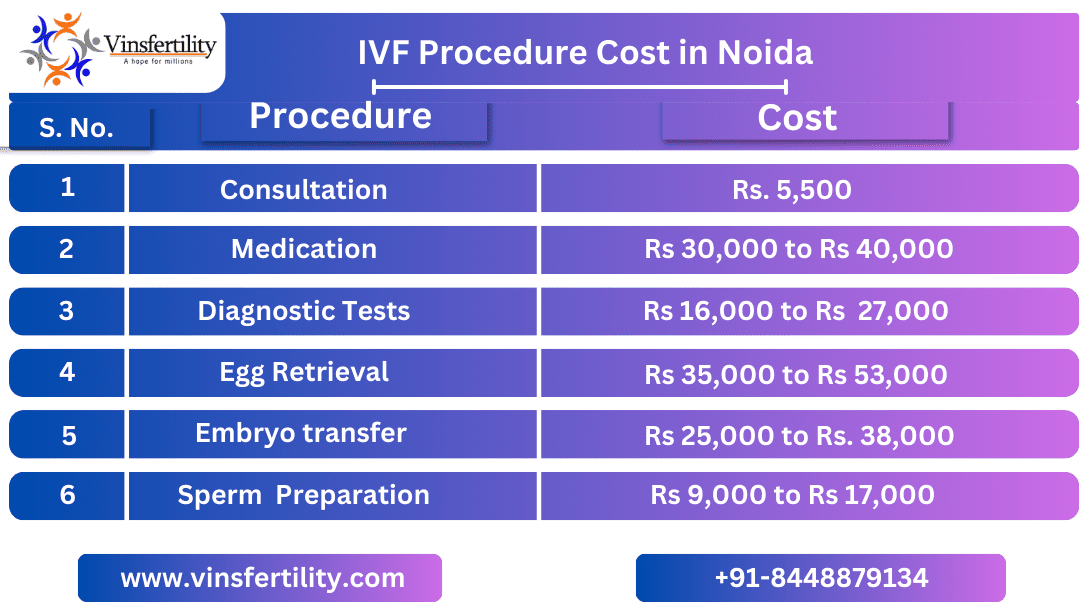
Understanding the complete financial picture of IVF treatment is crucial for couples planning their fertility journey. The table below provides a detailed breakdown of the typical costs associated with a standard IVF cycle in Bikaner for 2026, explaining each component. Please note these are estimated ranges, and individual costs can vary based on the specific clinic, patient-specific medical needs, and the chosen treatment protocols.
| Item | Estimated Range (₹) | Notes |
|---|---|---|
| Initial Consultation | 500–1,500 | Your first meeting with a fertility specialist, including a thorough review of your medical history, initial physical examination, and comprehensive counselling to discuss treatment options. |
| Diagnostic Tests (Female) | 8,000–20,000 | Comprehensive blood tests (e.g., Anti-Müllerian Hormone (AMH), Follicle-Stimulating Hormone (FSH), Luteinizing Hormone (LH), Estradiol (E2)), infection screenings (HIV, Hepatitis B/C), thyroid function tests, and sometimes a transvaginal ultrasound to assess ovarian reserve and uterine health. These essential tests help tailor the most effective treatment plan. |
| Diagnostic Tests (Male) | 3,000–8,000 | Typically includes a semen analysis to evaluate sperm count, motility, and morphology. Additional hormonal or infection tests may be recommended if indicated by initial results or medical history. |
| Ultrasound Monitoring | 5,000–15,000 | Multiple transvaginal ultrasound scans performed throughout the ovarian stimulation phase to closely monitor the growth and development of follicles (which contain eggs) and to assess the thickness and receptivity of the endometrial (uterine lining). This ensures optimal timing for egg retrieval. |
| Ovarian Stimulation Drugs | 40,000–1,00,000 | Medications, primarily gonadotropins, used to stimulate the ovaries to produce multiple mature eggs. The cost varies significantly based on the required dosage, duration of stimulation, specific treatment protocol (e.g., antagonist, long agonist), and the brand of medication used. More details are provided in the section below. |
| Egg Retrieval | 30,000–60,000 | A minor surgical procedure performed under light anesthesia, during which a fertility specialist uses an ultrasound-guided needle to collect mature eggs from the ovarian follicles. This fee typically includes the cost of anesthesia and operation theatre charges. Testicular Sperm Aspiration (TESA), if required for severe male factor infertility, adds approximately ₹18,000. |
| Sperm Preparation | 5,000–10,000 | Laboratory processing of the collected sperm sample to isolate the healthiest, most motile sperm for optimal fertilisation. |
| Fertilisation (Standard IVF) | Included in base cycle | Standard insemination where prepared sperm and eggs are combined in a culture dish to allow fertilisation to occur naturally. |
| ICSI (Intracytoplasmic Sperm Injection) | 20,000–40,000 | An advanced fertilisation technique where a single, healthy sperm is directly injected into each mature egg using a microscopic needle. This procedure is often recommended for cases of severe male factor infertility, previous fertilisation failure, or when using frozen sperm. Learn more about ICSI. |
| Embryo Culture | Included in base cycle | Monitoring and nurturing of the fertilised eggs (now called embryos) in a specialized laboratory incubator for 3 to 5 days. This process allows them to develop, ideally reaching the blastocyst stage, which is often preferred for transfer due to higher implantation potential. |
| Embryo Transfer | 25,000–45,000 | The final step in an IVF cycle where one or more selected embryos are carefully placed into the woman's uterus using a thin, flexible catheter, aiming for successful implantation and pregnancy. |
| Luteal Phase Support Medication | 5,000–15,000 | Hormonal medications, primarily progesterone, prescribed after embryo transfer to support the uterine lining and enhance the chances of embryo implantation and successful early pregnancy. This medication is crucial for maintaining the uterine environment. |
| Embryo Freezing (Cryopreservation) | 15,000–30,000 | The process of preserving any surplus viable embryos through cryopreservation for future use. This allows for subsequent frozen embryo transfer (FET) cycles without undergoing another full ovarian stimulation and egg retrieval, offering flexibility and cost savings. |
| Embryo Storage (Annual) | 10,000–25,000 | The yearly fee charged by the clinic for the safe and specialized cryostorage of frozen embryos. |
| Frozen Embryo Transfer (FET) | 30,000–70,000 | A separate, less invasive cycle involving the thawing and transfer of previously frozen embryos. This cost typically includes uterine preparation, monitoring, and the transfer procedure itself. |
| Pre-implantation Genetic Testing (PGT) | 40,000–80,000 per embryo (approx.) | Genetic screening of embryos before transfer to identify chromosomal abnormalities (PGT-A) or specific genetic disorders (PGT-M). This is an optional add-on that can significantly increase costs, depending on the number of embryos tested and the complexity of the genetic analysis. |
Hidden Costs Most Clinics Don't Advertise Upfront
While the detailed breakdown above covers the primary components of an IVF cycle, several additional costs might arise that are not always included in initial package quotes. Being aware of these potential expenses can help you budget more accurately and avoid surprises:
- Advanced Diagnostic Tests: Beyond the initial screenings, some patients may require specialized diagnostic tests, such as karyotyping (chromosome analysis), hysteroscopy (examination of the uterine cavity), endometrial receptivity array (ERA), or sperm DNA fragmentation index. These are performed only if medically indicated and incur extra charges.
- Additional Medications: While standard ovarian stimulation and luteal phase support medications are covered, other specific medications beyond the core protocol might be needed, such as blood thinners, specific antibiotics, or immune support drugs, depending on individual patient needs.
- Anesthesia for Additional Minor Procedures: If procedures like a diagnostic hysteroscopy, polypectomy (polyp removal), or a trial transfer are needed before or during the IVF cycle, separate anesthesia charges may apply.
- Blastocyst Culture Surcharges: While embryo culture is often included, some clinics might levy an additional charge for extended culture to the blastocyst stage (Day 5/6), considering it an "advanced" service beyond standard Day 3 culture.
- Specific PGT/PGD Costs: While a base estimate for PGT is provided in the main table, the actual cost can escalate significantly if many embryos require testing, or if complex genetic conditions necessitate specialized PGT-M (for monogenic disorders) which involves more intricate analysis.
- Extended Counselling Sessions: While initial counselling is part of the consultation, ongoing or specialized psychological counselling, especially for complex cases, emotional support, or coping with treatment outcomes, may be charged separately.
- Donor Sourcing, Legal, and Screening Fees: If donor eggs, sperm, or embryos are required, there will be substantial additional costs for donor recruitment, comprehensive medical and psychological screening, legal contracts, and compensation for the donor.
- Emergency Management Costs: Although rare, complications like Ovarian Hyperstimulation Syndrome (OHSS) can occur and might require hospitalisation and specific medical management, leading to unforeseen expenses. Understand potential risks like OHSS.
- Travel and Accommodation Costs: If your chosen fertility clinic is not located directly in Bikaner, or if you need to travel to larger cities like Jodhpur or Jaipur for specific advanced procedures, specialist consultations, or a second opinion, travel and accommodation expenses will add to the overall cost.
Medication Cost Swing (₹40,000–₹1,00,000+) Based on Age and Ovarian Response
The cost of medications constitutes a significant and often variable portion of the total IVF expense. These drugs are crucial for stimulating egg production and preparing the body for embryo transfer. The primary medications used in an IVF cycle typically include gonadotropins (to stimulate ovaries), GnRH agonists or antagonists (to control the timing of ovulation), and progesterone (for luteal phase support after embryo transfer).
Several key factors influence the type, dosage, and duration of these medications, directly impacting the overall cost:
- Age: Younger women generally have a better ovarian reserve and may respond effectively to lower doses of stimulation drugs. Conversely, older patients, especially those over 35, often require higher dosages and potentially longer stimulation periods to achieve an adequate number of mature eggs, leading to increased medication costs.
- Ovarian Reserve and Response: This is assessed through diagnostic tests like Anti-Müllerian Hormone (AMH) levels and Antral Follicle Count (AFC). Women with a low ovarian reserve may need more aggressive stimulation protocols and higher medication dosages, which drives up expenses. Conversely, individuals with conditions like Polycystic Ovary Syndrome (PCOS) might be prone to over-respond and require carefully managed, often lower, doses to prevent complications such as Ovarian Hyperstimulation Syndrome (OHSS).
- Treatment Protocol: Different IVF protocols (e.g., antagonist protocol, long agonist protocol, mild stimulation, or individualized protocols) utilize varying combinations and dosages of medications. Your fertility specialist will select the most appropriate protocol based on your comprehensive medical history and diagnostic test results.
- Individual Response to Treatment: Every patient responds uniquely to fertility medications. During the ovarian stimulation phase, your doctor will closely monitor your progress with frequent ultrasounds and blood tests, adjusting medication dosages as needed. These adjustments, while vital for success, can sometimes lead to higher medication costs than initially estimated.
- Drug Brand and Type: Both branded and generic versions of fertility drugs are available in the market. While generic options can sometimes be more affordable, your doctor will recommend the specific drugs and brands they believe will be most effective and safe for your unique medical situation.
It's vital to have an open and detailed discussion with your fertility specialist about the anticipated medication costs and potential variations. They can provide a personalized estimate based on your specific medical profile and chosen treatment plan. For more general information on IVF treatment costs, you can explore our resources on IVF treatment cost.
IVF Cost by Treatment Type: IVF vs ICSI vs Mini-IVF
Understanding the different types of IVF procedures is crucial for estimating costs and choosing the most suitable treatment path. Each approach caters to specific infertility challenges and involves varying medical protocols and laboratory techniques.
| Procedure | Estimated Price Range (₹) | Best Suited For |
|---|---|---|
| Conventional IVF | 1,00,000–1,80,000 | Unexplained infertility, mild male factor, tubal blockage, ovulatory disorders. This is the standard procedure involving ovarian stimulation, egg retrieval, fertilization in a lab dish, and embryo transfer. |
| IVF with ICSI | 1,80,000–2,50,000 | Severe male factor infertility (e.g., low sperm count/motility), previous fertilisation failure with conventional IVF, or when using frozen sperm. ICSI involves injecting a single sperm directly into each egg. |
| Mini-IVF | 80,000–1,60,000 | Patients with good ovarian reserve, those at risk of Ovarian Hyperstimulation Syndrome (OHSS), or women who prefer a milder stimulation approach with fewer medications. It aims for fewer, but high-quality, eggs. |
When ICSI is Medically Justified vs. Potentially Upsold
Intracytoplasmic Sperm Injection (ICSI) is a specialised technique often performed as part of an IVF cycle. It is medically justified and highly beneficial in specific scenarios, such as:
- Severe male factor infertility: Including very low sperm count, poor sperm motility, or abnormal sperm morphology.
- Previous fertilisation failure: If eggs did not fertilise adequately in a prior conventional IVF cycle.
- Use of frozen sperm: Especially if the sperm quality is compromised after thawing.
- Preimplantation Genetic Testing (PGT): To prevent contamination by extraneous sperm.
If ICSI is recommended without a clear male-factor indication or a history of fertilisation issues, couples should engage in an open discussion with their fertility specialist. It's important to understand the specific medical reasons for its inclusion, as some clinics may offer it routinely as an add-on, which can increase the overall cost without necessarily improving outcomes for all patients. For more information on ICSI, consult resources from organisations like the American College of Obstetricians and Gynecologists (ACOG).
Cost of Donor Egg, Donor Sperm, and Donor Embryo Cycles
For couples facing specific challenges such as advanced maternal age, genetic disorders, severe male factor infertility, or for same-sex couples, using donor gametes (sperm or eggs) or donor embryos can be a viable path to parenthood. These options involve additional costs beyond a standard IVF cycle.
- Donor sperm acquisition: Adds about ₹10,000–₹30,000 to the base IVF cost. This covers the cost of acquiring donor sperm from a certified sperm bank. A full IVF cycle utilizing donor sperm would encompass the base IVF cost plus this additional fee.
- Donor egg cycle: Typically totals ₹2,00,000–₹3,50,000 depending on the package. This includes compensation for the egg donor, medical screening, and retrieval procedures.
- Donor embryo cycle: Often falls in the ₹1,50,000–₹3,00,000 range. This involves using embryos donated by other couples who have completed their families.
Donor gametes and embryos should always be sourced through registered Assisted Reproductive Technology (ART) banks that strictly adhere to national ART and Surrogacy regulations. These regulations ensure rigorous screening for infectious diseases and genetic conditions, as well as ethical and legal compliance, safeguarding the health and rights of all parties involved.
Add-On Procedure Costs: PGT, Laser Hatching, Blastocyst, FET
Beyond the core IVF process, several advanced add-on procedures can be integrated to potentially enhance success rates, especially for specific patient profiles. While these can increase the overall cost, they may offer significant benefits in certain situations. It's crucial to discuss the necessity and potential benefits of each add-on with your fertility specialist.
PGT-A / PGT-M Pricing Per Embryo
Preimplantation Genetic Testing (PGT) allows for the genetic screening of embryos before transfer to the uterus. This can significantly improve success rates and reduce the risk of certain complications:
- PGT-A (Aneuploidy): Screens embryos for chromosomal abnormalities (e.g., an incorrect number of chromosomes). This helps identify embryos with the highest chance of implantation and reduces the risk of miscarriage and birth defects.
- PGT-M (Monogenic/Single Gene Disorders): Screens for specific genetic disorders (e.g., Cystic Fibrosis, Thalassemia) when one or both parents are known carriers.
Costs for PGT are usually around ₹25,000–₹50,000 per embryo, in addition to biopsy and specialised lab fees. The decision to pursue PGT should be made in consultation with your doctor and a genetic counsellor. Learn more about PGT from resources like the Mayo Clinic.
Frozen Embryo Transfer (FET) Cost vs. Fresh Transfer
A Frozen Embryo Transfer (FET) involves thawing and transferring embryos that were created and cryopreserved (frozen) in a previous IVF cycle. This contrasts with a fresh transfer, where embryos are transferred during the same cycle they were created.
FET typically costs ₹30,000–₹70,000 and covers the thawing process, preparation of the uterine lining (endometrial preparation), and the embryo transfer procedure. It is generally less expensive than a fresh cycle because it does not include the costs associated with ovarian stimulation, egg retrieval, and initial fertilisation. FET offers several advantages, including the ability to perform PGT, allowing the uterus to recover from stimulation, and potentially leading to a more receptive uterine environment. The National Center for Biotechnology Information (NCBI) provides extensive research on the efficacy and benefits of FET.
ERA, Embryo Glue, and Time-Lapse Imaging Charges
Other advanced add-ons are available to address specific challenges:
- Endometrial Receptivity Analysis (ERA): ₹35,000–60,000. This test analyses a biopsy of the uterine lining to determine the optimal time for embryo transfer (the "window of implantation"), particularly beneficial for patients with recurrent implantation failure.
- Embryo Glue: ₹10,000–₹20,000. This is a special culture medium enriched with hyaluronan, believed to help the embryo attach to the uterine wall, potentially improving implantation rates.
- Time-lapse embryo imaging: ₹20,000–₹40,000. This technology allows embryologists to continuously monitor embryo development without removing them from the incubator, providing detailed insights and aiding in the selection of the most viable embryos for transfer.
Low-Cost IVF in Bikaner: How to Genuinely Reduce Your Bill
IVF treatment represents a significant financial investment. While it’s essential not to compromise on quality, there are legitimate strategies to manage and potentially reduce the overall cost of IVF in Bikaner:
- Compare centres within Bikaner: Thoroughly research and compare multiple fertility clinics in Bikaner. Request a detailed, itemised breakdown of all potential costs, including consultations, medications, lab procedures, and any recommended add-ons. Don't hesitate to ask what is included in their "base package" and what is extra. While Bikaner may have fewer clinics than larger metropolitan areas, comparing local quotes can still yield differences. If costs remain prohibitive, consider exploring options in nearby cities like Jodhpur or Jaipur, but factor in travel and accommodation expenses.
- Government or trust-run hospitals: Some government-run hospitals or charitable trusts may offer subsidised IVF treatments. While these options might come with longer waiting lists or a more standardised approach, they can significantly reduce the financial burden. Enquire about eligibility criteria and the services included.
- EMI and financing options: Many fertility centres and financial institutions offer Equated Monthly Instalment (EMI) plans or fertility-specific loans. These options allow you to spread the cost of treatment over a manageable period. Always read the terms and conditions carefully, paying close attention to interest rates, processing fees, and any hidden charges, before committing.
- Multi-cycle packages: Some IVF centres provide discounted packages for multiple IVF attempts. If your doctor anticipates that you might need more than one cycle, these packages can be cost-effective in the long run. Clarify what constitutes one "cycle" (e.g., number of embryo transfers, fresh vs. frozen) and understand the refund policies if you conceive earlier or decide to discontinue treatment.
Fertility Centres Serving Bikaner — Vinsfertility Partner Network
At Vinsfertility, we are dedicated to supporting your journey towards parenthood. We understand that finding the right fertility treatment and clinic is a significant decision. Bikaner, while a growing city, has a more focused selection of dedicated Assisted Reproductive Technology (ART) centres compared to larger metropolitan areas in Rajasthan. Below is a curated list of established fertility centres currently serving Bikaner, offering a range of treatments.
Understanding ART Treatments:
- IVF (In Vitro Fertilization): A process where eggs are retrieved from the ovaries and fertilized by sperm in a laboratory setting. The resulting embryos are then transferred to the woman's uterus. (Source: CDC)
- IUI (Intrauterine Insemination): A fertility treatment that involves placing specially prepared sperm directly into a woman's uterus around the time of ovulation to increase the chances of fertilization. (Source: ACOG)
- ICSI (Intracytoplasmic Sperm Injection): Often performed as part of an IVF cycle, ICSI involves injecting a single sperm directly into an egg to aid fertilization, particularly useful in cases of male factor infertility. (Source: NIH)
How this list was compiled: The costs, patient ratings, and reported success rates provided below are indicative figures for 2026, compiled from publicly available clinic information and general market trends. It is crucial to confirm all current details directly with the respective clinic before making any treatment decisions or bookings. For personalized assistance and to compare options, our Vinsfertility patient-concierge line is available to help route your appointment enquiries and provide further guidance.
Comparison Table: Fertility Centres in Bikaner
| Centre | Google Rating | Estimated IVF Cost (starts from) | Lead Specialist | Location |
|---|---|---|---|---|
| Binnani Hospital and IVF Center | 5.0/5.0 | ₹95,000 | N/A | Marudhar Nagar (Pawanpuri) |
| Pratap Prasuti Grih | 3.5/5.0 | ₹90,000 | Dr. Vikram Singh Tanwar | Toda House, Goga Gate Circle |
| Indira IVF, Bikaner | 5.0/5.0 | ₹90,000 | Dr. Shaveta Dadhich | Medical College Circle, Sadul Ganj |
Low Cost Surrogacy Centres in Bikaner
Binnani Hospital and IVF Center, Bikaner
Established in 2018, Binnani Hospital and IVF Center is located near Khatri Modi Bhawan, Marudhar Nagar (Pawanpuri), Bikaner, Rajasthan 334001. This facility provides a comprehensive range of infertility treatments, including IVF, IUI, and ICSI, alongside general gynaecology and obstetric care. They focus on offering integrated care for reproductive health needs.
| Google Rating | 5.0/5.0 |
|---|---|
| Estimated IVF Cost | ₹95,000 – ₹2,60,000 |
| Estimated IUI Cost | ₹10,000 – ₹45,000 |
| Estimated Surrogacy Cost | ₹10,80,000 – ₹17,60,000 |
| Success Rate (per centre data) | ~70%* |
| Location | Near Khatri Modi Bhawan, Marudhar Nagar (Pawanpuri), Bikaner, Rajasthan 334001 |
Pratap Prasuti Grih, Bikaner
Founded in 1980, Pratap Prasuti Grih is a well-established medical centre situated at Toda House, Goga Gate Circle, Gangasahar Road, Bikaner, Rajasthan 334001. The centre is led by Dr. Vikram Singh Tanwar, supported by experienced gynaecologists Dr. Pushpa Tanwar and Dr. Suman Kanwar. They offer a range of services including infertility and ART treatments, alongside general gynaecological and laparoscopic surgery services.
| Google Rating | 3.5/5.0 |
|---|---|
| Estimated IVF Cost | ₹90,000 – ₹2,55,000 |
| Estimated IUI Cost | ₹10,000 – ₹45,000 |
| Estimated Surrogacy Cost | ₹10,80,000 – ₹17,60,000 |
| Lead Specialist | Dr. Vikram Singh Tanwar |
| Success Rate (per centre data) | ~70%* |
| Location | Toda House, Goga Gate Circle, Gangasahar Road, Bikaner, Rajasthan 334001 |
Indira IVF, Bikaner
Indira IVF is a prominent national fertility chain, and its Bikaner branch is conveniently located at Medical College Circle, C-35, near Sadul Ganj, Bikaner, Rajasthan 334001. This centre is headed by Dr. Shaveta Dadhich, a highly experienced gynaecologist and IVF specialist. As part of a large network, Indira IVF benefits from extensive resources and advanced reproductive technologies, providing comprehensive fertility solutions.
| Google Rating | 5.0/5.0 |
|---|---|
| Estimated IVF Cost | ₹90,000 – ₹2,70,000 |
| Estimated IUI Cost | ₹10,000 – ₹48,000 |
| Estimated Surrogacy Cost | ₹10,80,000 – ₹17,60,000 |
| Lead Specialist | Dr. Shaveta Dadhich |
| Success Rate (per centre data) | ~70%* |
| Location | Medical College Circle, C-35, near Sadul Ganj, Bikaner, Rajasthan 334001 |
Disclaimer: The treatment costs, success rates, and ratings provided are estimates for 2026 and are subject to change. Actual costs can vary significantly based on individual patient's age, specific infertility diagnosis, required medications, advanced laboratory procedures, and any additional fertility treatments or cycles. Success rates are highly variable and depend on numerous factors, including patient profile and clinic-specific protocols. It is essential to contact the respective fertility centre directly for the most current pricing, doctor availability, detailed consultation information, and a personalized treatment plan. For a deeper understanding of overall IVF costs and contributing factors, please refer to our detailed guide.
Why IVF Costs Vary Across Clinics That Serve Bikaner
- Location-specific pricing: In Bikaner, the availability of specialized fertility clinics is more limited compared to major metropolitan areas. This often leads to a narrower range of pricing, as competition might be less intense. However, clinics operating within established hospital settings typically incur higher overheads due to integrated infrastructure and comprehensive support services, which can translate to higher overall costs compared to smaller, standalone nursing home-based units.
- Standalone vs. hospital-attached: Standalone fertility clinics often have more flexibility in their pricing structures, potentially offering more competitive rates. In contrast, hospital-attached Assisted Reproductive Technology (ART) units benefit from integrated medical infrastructure, providing immediate access to diverse medical specialists (e.g., endocrinologists, cardiologists), advanced diagnostic facilities, and emergency care. This comprehensive, multidisciplinary approach, while beneficial for patient safety and complex cases, usually contributes to a higher overall treatment cost.
- Embryologist expertise and lab quality: The quality of the embryology laboratory is paramount to IVF success. Clinics investing in state-of-the-art equipment, stringent quality control measures, and employing highly experienced embryologists often achieve superior embryo development and higher live-birth rates. These advanced facilities and expert personnel represent a significant investment for clinics, which is reflected in their treatment fees.
- Medication Protocols: The cost of fertility medications, including ovulation-stimulating drugs, can vary significantly based on the chosen protocol, the patient's individual response, and the duration of treatment. These medications are a substantial component of the overall IVF expense.
- Advanced Procedures and Add-ons: Beyond the basic IVF cycle, costs can increase with the inclusion of advanced techniques such as Intracytoplasmic Sperm Injection (ICSI), Preimplantation Genetic Testing (PGT-A/PGT-M), Assisted Hatching (AH), or embryo freezing. These specialized services are tailored to individual patient needs and contribute to the total expenditure.
- Travel and logistics: Patients travelling from surrounding areas like Sri Ganganagar, Churu, Nagaur, or Hanumangarh must account for additional expenses such as transport, accommodation, and potential loss of income due to time off work. This is particularly important if certain stages of the treatment, such as advanced diagnostics or specific procedures, necessitate visits to larger cities like Jodhpur or Jaipur.
How to Choose a Premier Fertility Clinic
| What to Verify | What to Check | Why It Matters |
|---|---|---|
| ART Act, 2021 registration | Clinic/centre registered as per ART regulations | Ensures patient safety, ethical practice, and adherence to national guidelines for Assisted Reproductive Technology in India. |
| National ART Registry listing | Centre listed on the National ART & Surrogacy Registry | Confirms legitimate registration status and compliance with regulatory oversight, essential for patient protection. |
| Embryology lab standards | Lab certifications, equipment quality, and sterility | Directly impacts the quality of gamete handling, embryo development, and ultimately, the success rates of the IVF procedure. |
| Live-birth rate transparency | Clinic shares age-specific live-birth rates, not just pregnancy rates | Provides a realistic and accurate expectation of treatment outcomes, as pregnancy doesn't always result in a live birth. |
| Andrology setup | Proper male fertility diagnostics and sperm processing | Crucial for effectively addressing male factor infertility, including advanced sperm retrieval and preparation techniques. |
| Counsellor availability | Access to psychological support and counselling | Helps couples manage the emotional, psychological, and relational challenges often associated with fertility treatments, promoting overall well-being. (Source: WHO) |
Red Flags to Watch Out For
- Beware of any clinic that offers 'guaranteed pregnancy' claims. No medical treatment, especially IVF, can offer a 100% guarantee of success due to the complex biological factors involved. Such claims are often misleading and unethical. (Source: WHO)
- Lack of transparency in billing, vague "package deals" without a detailed breakdown, or unexpected charges that arise mid-treatment are significant red flags. Always demand a clear, itemised cost estimate upfront.
- Operating an unregistered fertility centre is illegal under the ART Act, 2021, in India. Ensure the clinic is officially listed on the National ART & Surrogacy Registry to confirm its legitimacy and compliance with national regulations.
- Clinics that present misleading success rates, for example, by only quoting overall pregnancy rates instead of age-specific live-birth rates, or by cherry-picking data. Always ask for transparent, age-adjusted live-birth statistics.
- High-pressure sales tactics or rushing you into making quick decisions without providing ample time for consideration and questions. A reputable clinic will prioritize your understanding and comfort.
Questions to Ask Before Signing Consent and Payment Forms
- Request a comprehensive, itemised cost breakdown of the entire IVF cycle, including all potential additional procedures, medication costs, and fees for freezing. Clarify the clinic's policy regarding cancellation, refunds, or discounted rates for repeat attempts in case of an unsuccessful cycle.
- Inquire about the clinic's specific live-birth rates relevant to your age group and specific fertility diagnosis, rather than general or pooled success rates. This provides a more realistic expectation of your potential outcome.
- Ask about the credentials and experience of the embryology team, including the qualifications of the lead embryologist. Confirm if the embryology laboratory is located on-site, as this can impact the quality and safety of gamete and embryo handling.
- Understand the clinic's policies regarding embryo storage, including the duration, associated annual fees, and the procedures for eventual disposal or donation, all in compliance with the ART Act, 2021.
- Verify the availability of professional counselling and psychological support services for both partners, as fertility treatments can be emotionally demanding. (Source: WHO)
- Clarify the clinic's protocols for managing potential complications or emergencies, such as Ovarian Hyperstimulation Syndrome (OHSS), and confirm access to immediate medical care if needed.
- If your treatment involves donor gametes (sperm or eggs), confirm that the clinic strictly adheres to the ART Act, 2021, guidelines for donor screening, anonymity, and ethical sourcing.
- For patients who may need to travel to larger cities like Jodhpur or Jaipur for specific advanced procedures or consultations, inquire which initial assessments, monitoring appointments, or follow-up visits can be conveniently conducted at a local associated centre or clinic in Bikaner.
- Discuss available payment plans, financing options, or any insurance tie-ups the clinic may have to help manage the financial aspect of the treatment.
- Ask for a thorough explanation of all potential risks, side effects, and success rates specific to your treatment plan, ensuring you are fully informed before proceeding.
Frequently Asked Questions
What factors can influence the total cost of IVF treatment in Bikaner?
The total cost of IVF in Bikaner, which typically ranges from ₹90,000 to ₹2,10,000 for a single cycle, can vary based on several factors. These include the specific treatment protocol, the type and dosage of medications required, and any additional procedures such as ICSI (Intracytoplasmic Sperm Injection) or PGD (Preimplantation Genetic Diagnosis). Furthermore, the quality of the embryology lab, the experience of the medical team, and the centre's compliance with regulatory standards also play a role in the overall expense.
Does the base IVF cost in Bikaner include medications and additional procedures like ICSI?
Generally, the base IVF cost in Bikaner covers the core procedures of an IVF cycle, such as ovarian stimulation monitoring, egg retrieval, and embryo transfer. However, the cost of fertility medications, which can be significant, and advanced procedures like ICSI, PGD, or embryo freezing, are typically charged separately. Patients should clarify with their chosen clinic what is precisely included in their quoted package to avoid unexpected costs.
How do IVF costs in Bikaner compare to those in larger cities like Jaipur or Jodhpur?
IVF costs in Bikaner are generally considered to be in the mid-range within India. While Bikaner has a growing fertility care network, larger cities like Jaipur or Jodhpur may offer a wider selection of highly specialized centres and advanced laboratory facilities, potentially leading to a broader price spectrum, including higher-end options. Patients travelling from Bikaner to these cities might also incur additional travel and accommodation expenses, which would contribute to their overall treatment cost.
Who is eligible for IVF treatment in Bikaner under current Indian law?
Under the Assisted Reproductive Technology (Regulation) Act, 2021, and its subsequent rules, IVF treatment in India is available to heterosexual married couples (where the wife is between 18-50 years and the husband between 21-55 years), live-in partners, and single women between 18 and 50 years of age who have a medical indication for infertility. All procedures must be carried out in a registered ART clinic. More details on eligibility can be found on the National ART and Surrogacy Portal.
How can I find a genuine and legally registered IVF centre in Bikaner?
To ensure you choose a genuine and legally compliant IVF centre in Bikaner, it is essential to verify its registration status under the Assisted Reproductive Technology (Regulation) Act, 2021. You can check if a clinic is registered with the National ART and Surrogacy Registry, maintained by the National ART and Surrogacy Board. Additionally, confirm that the medical professionals involved are registered with their respective medical councils. This information is available through the National ART and Surrogacy Portal.
Is surrogacy legally available in Bikaner, and what are the eligibility criteria?
Yes, altruistic surrogacy is legally available in Bikaner and across India under the Surrogacy (Regulation) Act, 2021. This Act permits surrogacy only for Indian married couples who have a medical indication necessitating it, with specific age criteria for the intending parents (wife 25-50 years, husband 26-55 years). The surrogate mother must be a close relative of the intending couple. Detailed regulations and eligibility criteria are outlined on the National ART and Surrogacy Portal.
Sources & References
- The Surrogacy (Regulation) Act, 2021 — Government of India
- Indian Council of Medical Research (ICMR) — National ART & Surrogacy Registry
- NABL — National Accreditation Board for Testing and Calibration Laboratories
- World Health Organization (WHO) — Infertility clinical guidance
- PubMed — Peer-reviewed fertility research (NIH/NLM)
All external sources link to primary government, medical, or peer-reviewed material. This article is reviewed by a qualified fertility specialist and updated as clinical guidance changes.