ICSI Treatment Cost in India: Cost of ICSI Treatment in India
IVF cost with ICSI: ICSI is an advanced technology that enhances the chances of fertilization. The IVF cost with the ICSI treatment ranges from Rs. 200,000 to Rs. 300,000. The minimum ICSI cost in India is Rs. 240000 to Rs. 250000 per cycle. This includes only the standard and traditional techniques. ICSI-IVF is a specialized form of in vitro fertilization that is used most commonly in cases of severe male infertility, after repeated failed fertilization attempts with conventional IVF, or after egg freezing (oocyte preservation). Other than these, medications, consultations, and blood work could cost anywhere between Rs. 60000 - Rs. 80000, Rs. 1000 - Rs. 2000 and Rs. 20000 - Rs. 30000, respectively. Overall, the cost of infertility tests is considered to be cheaper in India than in many other countries including the USA, UK, Europe, Singapore, and Canada.
The cost of ICSI in India can vary from hospital to hospital and city to city. However, no matter which city you choose to undergo the procedure in, the cost is usually only a fraction of the cost of ICSI in other parts of the world. The cost of treatment can also depend on the type of infertility being treated, the woman's age, and other factors such as if any additional treatments are required. The ICSI procedure fertilizes 50 to 80 percent of eggs. You might assume all eggs get fertilized with ICSI-IVF, but they don’t. Fertilization isn’t guaranteed even when a sperm is injected into the egg. Remember that fertilization rates don’t tell you the clinical pregnancy or live birth rates. Once fertilization happens, the success rate for a couple using ICSI with IVF is the same as for a couple using regular IVF treatment.
Table not found.
What is IVF ICSI?
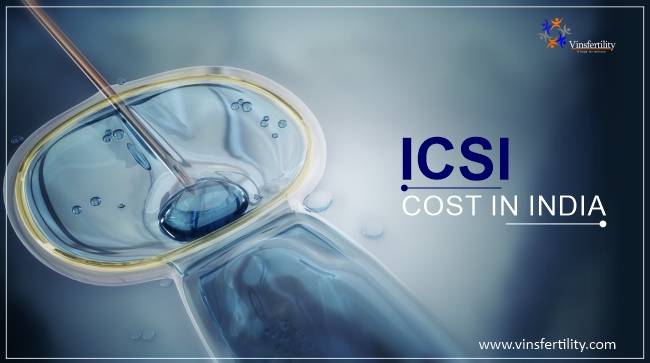
Intracytoplasmic Sperm Injection is an extended treatment of In Vitro Fertilization and a form of Assisted Reproductive Technology. It is used as an additional treatment with In Vitro Fertilization (IVF) for treating infertility problems and disorders. IVF ICSI treatment for infertility is used when other methods of treating infertility do not respond. In a condition of failed conventional IVF cycles, ICSI is used for the treatment to overcome male factor infertility problems. In the ICSI procedure, sperm is directly injected into the egg for fertilization with IVF. ICSI treatment is used in cases where male partner experiences:- Low sperm count
- Poor sperm quality
- Ejaculation issues
- Presence of high levels of antibodies in the semen
- Failure of conventional IVF cycles
- The unusually high percentage of morphologically abnormal sperm
In Vitro Fertilization (IVF) vs. Intracytoplasmic Sperm Injection (ICSI)
For the patient, In Vitro Fertilization and Intracytoplasmic Sperm Injection treatments are the same treatments for infertility. In medical language, conventional IVF is a treatment in which the sperm fertilizes an egg naturally, whereas, ICSI is an additional treatment of IVF, which is aimed at treating the male factor infertility. ICSI treatment takes place in the laboratories under the supervision of skilled Infertility specialists.- A sperm sample is extracted from the male epididymis and eggs are extracted from the uterus.
- The sperm is then injected into the egg using a tiny glass needle.
- The fertilized egg is then kept for observation for growth and development.
- The embryo is successfully implanted into the uterus to get better chances of conception.
Does the IVF ICSI treatment rate quoted include the cost of fertility drugs, blood work, and ultrasound monitoring?
Before visiting an IVF center in India, the patient's mind does go through the questions involving expenses related to IVF ICSI cost in India. Most of the IVF centers in India include fertility medications, doctor consultations, lab tests, ultrasound monitoring, and blood work IVF ICSI cost packages. At the same time, some other IVF centers in India have their exclusive set rules for IVF ICSI cost in India that may vary from one person to another.Factors affecting IVF ICSI cost in India
The IVF ICSI cost in India treatment in Asia relies on the utilization of the ICSI process, quality of the embryos, presence of fibroid tumors, ovarian disorders, and time for which the couple was infertile. It also includes usage of donor egg or sperm, expertise, and qualification of the embryologist as well as the type of the case of the infertile couple.Success Rate of IVF ICSI cost in India
The success rate of IVF ICSI in Asia can lie between 65% - 75% on average, which varies from one location to another. As the success rate of the treatment increases, it will lead to an increase in the IVF ICSI cost in India. Other factors that may affect the IVF ICSI cost in India can be the expertise of the doctor, unique medical history of pregnancy and miscarriages, and most importantly the patient feedback for a particular fertility hospital or clinic.Sources & References
- The Surrogacy (Regulation) Act, 2021 — Government of India
- Indian Council of Medical Research (ICMR) — National ART & Surrogacy Registry
- NABL — National Accreditation Board for Testing and Calibration Laboratories
- World Health Organization (WHO) — Infertility clinical guidance
- PubMed — Peer-reviewed fertility research (NIH/NLM)
All external sources link to primary government, medical, or peer-reviewed material. This article is reviewed by a qualified fertility specialist and updated as clinical guidance changes.