
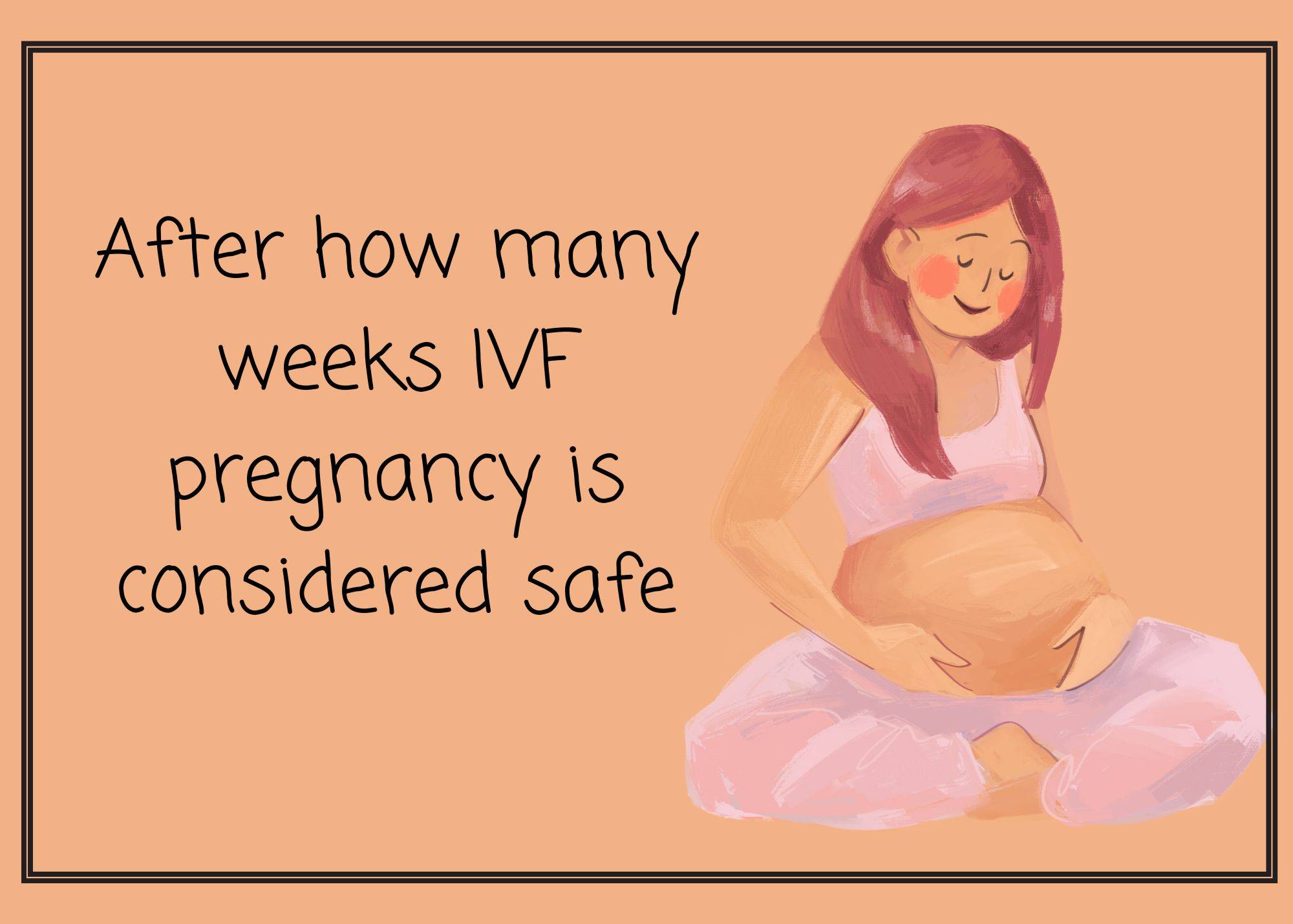
When Is IVF Pregnancy Considered Safe? | Vinsfertility
Embarking on the journey of IVF and starting a family is a life-changing, remarkable, and challenging experience for couples struggling with infertility. Modern medical technology has made it possible for couples as well as individuals facing infertility providing them with all the hopes and possibilities to conceive naturally. What is IVF and when is IVF needed IVF, In-vitro fertilisation is a procedure in which eggs are retrieved from the female’s ovaries and are fused with the sperm outside the body within a controlled environment. After the fusion, the fertilized egg called an embryo, is implanted into the uterus, hoping for a successful pregnancy. Now the question arises in what cases is IVF needed or who needs IVF? Couples or individuals facing any of the issues stated below need or are advised to go for IVF treatment.
- Damaged or obstructed fallopian tubes
- Low motility or sperm count
- Ovulation disorder and advanced age of the mother
- Unknown cause of infertility
- Endometriosis
- PCOS (polycystic ovarian syndrome) and PCOD (polycystic ovarian disorder).
 Understanding IVF pregnancy during each trimester First trimester (WEEK 1 to WEEK 12) This period is considered to be the most critical phase of pregnancy for all the mothers who are expecting. During this period, fertilisation, implantation, embryonic development, development of placenta, and transition to the fetal stage happen. In this phase, the chances of miscarriages are the highest. Therefore, it is advised to avoid tiring physical exercises, have a balanced diet maintain a regular follow-up with your doctor to ensure a safe pregnancy ahead. Symptoms that expecting mothers may face during this trimester fatigue, mood changes, cravings for certain foods, a need to urinate more often, and nausea. Second trimester (WEEK 13 to WEEK 28) This phase is the period of growth and development for the foetus. The risk of miscarriage is significantly reduced during this period. Skin, hairs, and nails of the foetus are formed; the foetus sleeps and wakes regularly; the lungs develop but do not work; meconium (the first bowel movement); and lanugo (fine hair covering the body) develop. In expecting mothers’ nausea may reduce or disappear, but some new changes may be experienced by them, which include swelling of ankles and fingers, darkening of the skin around nipples, expansion of the abdomen, and the appearance of stretch marks on the thighs and abdomen. Though it is said that there are no complications during this phase always remember that every pregnancy is unique on its own therefore it is advised to discuss everything with your specialist. Third trimester (WEEK 29 to WEEK 40) This period marks the final stage of pregnancy. A kind of anxiety develops during this stage about the delivery and parenthood. During this trimester, Movements become more noticeable, the eyes can sense light and Lanugo is replaced by a waxy coating, called vernix. The pregnant mother may face heartburn, shortness of breath, swelling in the ankles, face, and fingers, insomnia, and mood changes. Post -delivery phase is known as post-partum also addressed as the fourth trimester this phase is all about recovering and adjusting to the new role of parenthood. After how many weeks IVF pregnancy is considered safe? IVF pregnancy is considered safe after the first trimester i.e., after 12 weeks. The likelihood of miscarriages is comparatively higher during the first period, which is a delicate time. Following early prenatal care guidelines is essential. This includes scheduling routine check-ups, an ultrasound, and blood tests. The developing embryo is supported by appropriate vitamin supplements and a diet that is both nutritious and well-balanced. It is crucial to stay away from dangerous substances, including alcohol, tobacco, and some medications to provide an appropriate atmosphere for the developing child. Tips for a Healthy Pregnancy
- Regular monitoring
- Engaging in regular and safe exercises and consulting a doctor
- stick to prenatal care
- Maintain a balanced diet
- Report any unusual symptoms during pregnancy to your doctor
- Manage stress following meditation
- IVF clinics and their success rates
- Quality of embryos
- Prevalence of health conditions such as diabetes, hypertension, PCOS, etc.
- Maternal age
- Lifestyle factors
Sources & References
- The Surrogacy (Regulation) Act, 2021 — Government of India
- Indian Council of Medical Research (ICMR) — National ART & Surrogacy Registry
- NABL — National Accreditation Board for Testing and Calibration Laboratories
- World Health Organization (WHO) — Infertility clinical guidance
- PubMed — Peer-reviewed fertility research (NIH/NLM)
All external sources link to primary government, medical, or peer-reviewed material. This article is reviewed by a qualified fertility specialist and updated as clinical guidance changes.



.png)