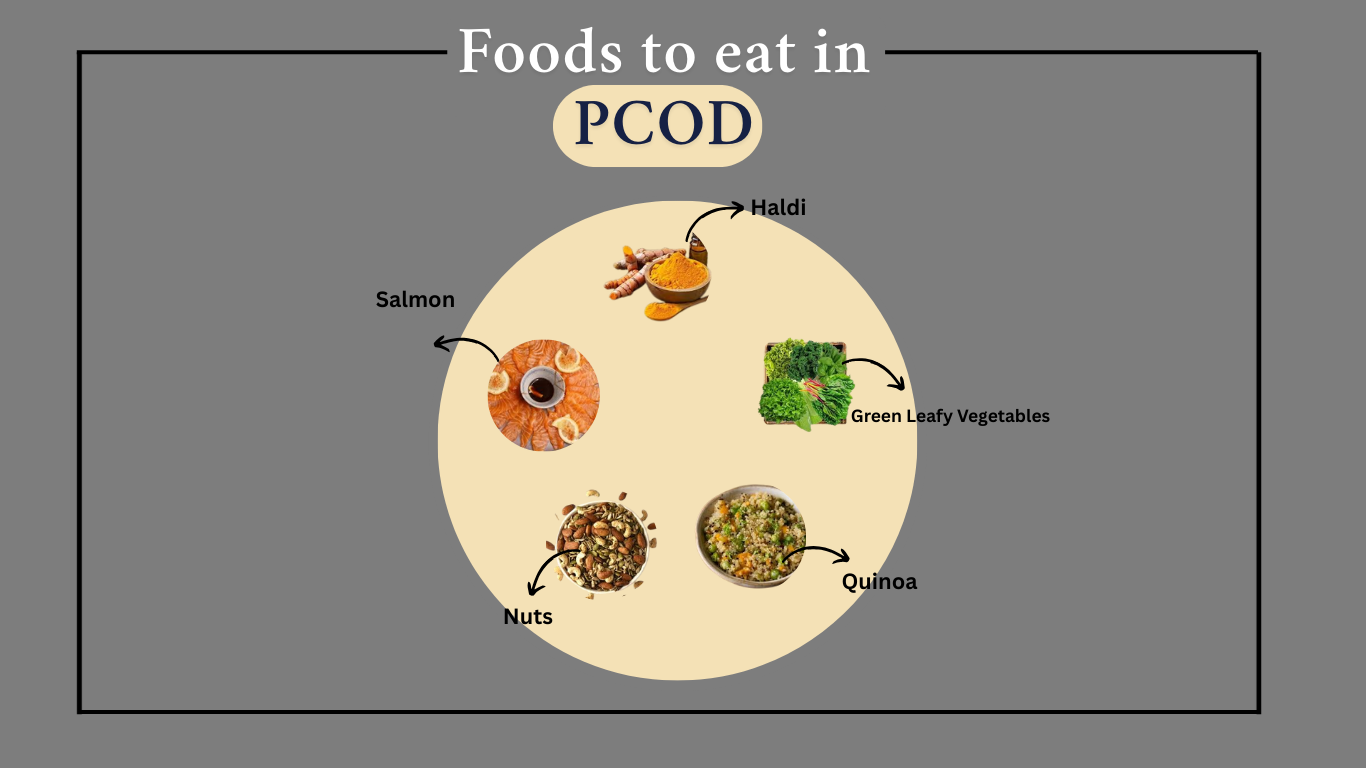
Diet for PCOD patient
Polycystic Ovary Disorder (PCOD) is a common hormonal condition where multiple cysts (fluid-filled sacs) develop on the ovaries, leading to irregular periods, weight gain, acne & infertility — PCOD is also one of the most common conditions affecting women across the world.
Medicine helps during PCOD, but a proper diet plan or proper food can help in managing symptoms naturally.
If you are suffering from PCOD, the right food can improve insulin resistance in your body and regulate hormones, and also overall health. Let’s see the best diet for PCOD patients, according to science and practical tips.
Why Diet Matters in PCOD?
PCOD Diabetes is associated with insulin resistance, in which the body of a person does not utilize insulin properly because of which he/she goes through high blood sugar and weight gaining problems. A poor diet, however, can lead to more inflammation, hormone irregularities, and metabolic dysfunction.The PCOD diet focuses on:
Stabilizing blood sugarReducing inflammation
Balancing hormones
Weight management
Best Foods for PCOD Patients
1. High Fiber Foods
Fiber slows down digestion, prevents blood sugar spikes. Good choices:- Vegetables - Broccoli, spinach and kale
- Fruits - Berries, apples and pears
- Whole grains - Oats, quinoa and brown rice
- Legumes - Lentils, chickpeas and black beans
2. Lean Proteins
Protein helps in weight management and keeps you full longer. Go for:- Eggs
- Chicken & turkey (skinless)
- Fish (salmon, mackerel, a great source of omega-3s)
- Plant based proteins - Tofu, paneer and Greek yogurt
3. Healthy Fats
Good fats reduce inflammation and support hormone production. Include:- Avocados
- Nuts & seeds (almonds, chia seeds, flaxseeds, etc.)
- Olive oil & coconut oil
- Fatty fish like salmon and sardines
4. Low GI Foods (Glycemic Index)
Low GI (Glycemic Index) food helps in preventing insulin spikes.- Sweet potatoes
- Quinoa
- Whole wheat instead of refined flour
- Non-starchy vegetables
5. Anti-Inflammatory Foods
- Turmeric (haldi)
- Ginger
- Green Tea
- Dark leafy greens
Foods to Avoid in PCOD
Sugary foods & drinks (sodas, desserts) – insulin spikesRefined carbs (white bread, pasta, maida) – blood sugar
Processed & fried foods – inflammation
Excess caffeine & alcohol – hormones
Sample PCOD Diet Plan for a Day
Meal 1: Vegetable omelet + 1 slice whole wheat toast
Mid-morning snack: Small handful of almonds + 1 apple
Quinoa + grilled chicken + sautéed veggies — lunch
1 PM: Greek yogurt with chia seeds — the same as my breakfast
Hydration: 8- 10 glasses of water + herbal teas
Please treat this as a rough draft.